A Journey Through the Lost City of Pompeii
20 August 2026
Have you ever wanted to literally walk through history? Like, time traveling without a DeLorean? That’s exactly what it feels like when you step into the ancient, ash-frozen remnants of Pompeii. It’s like the ghost of daily Roman life whispered through the cobblestone streets and invited you in for a tour. Imagine a city stopped in its tracks in the year 79 AD and preserved like a time capsule. Pretty cool, right?
If you’re a history buff, a lover of ruins, or just someone itching for a unique travel experience, buckle up. We’re about to take a joyful romp through the hauntingly beautiful ruins of Pompeii.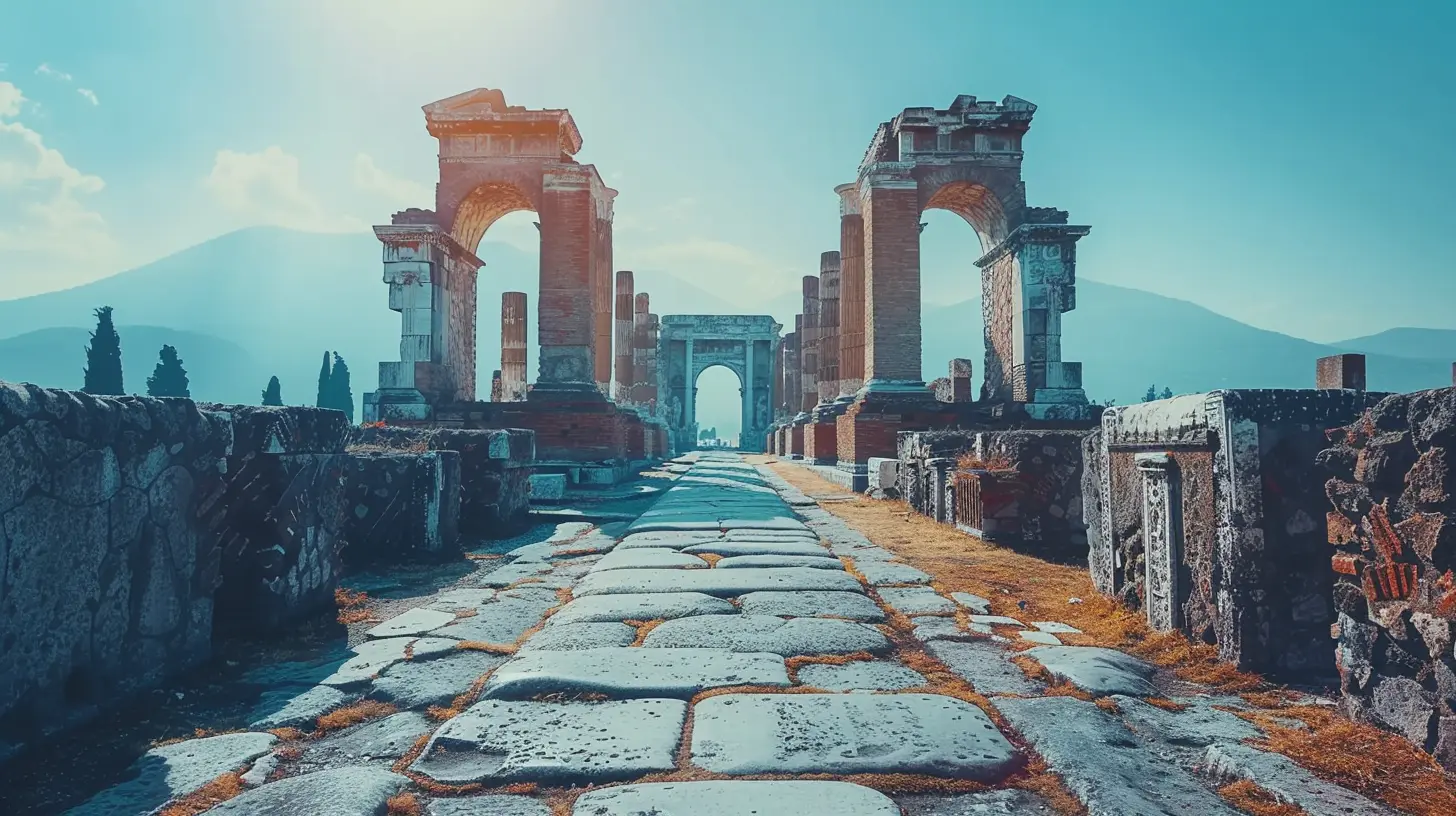
What is Pompeii and Why Is It So Famous?
Let’s set the stage. Pompeii was a thriving Roman city located near modern-day Naples, Italy. Life was bustling, markets were trading, kids were playing, and bathhouses were steamy (literally). That all changed when Mount Vesuvius erupted in 79 AD, burying the city in six meters of volcanic ash and pumice. Yep—talk about hitting pause on life.But here’s the twist: because of that natural disaster, the city was remarkably preserved for nearly 1,700 years. When it was rediscovered in the 18th century, archaeologists unearthed a treasure trove of ancient life, frozen in time.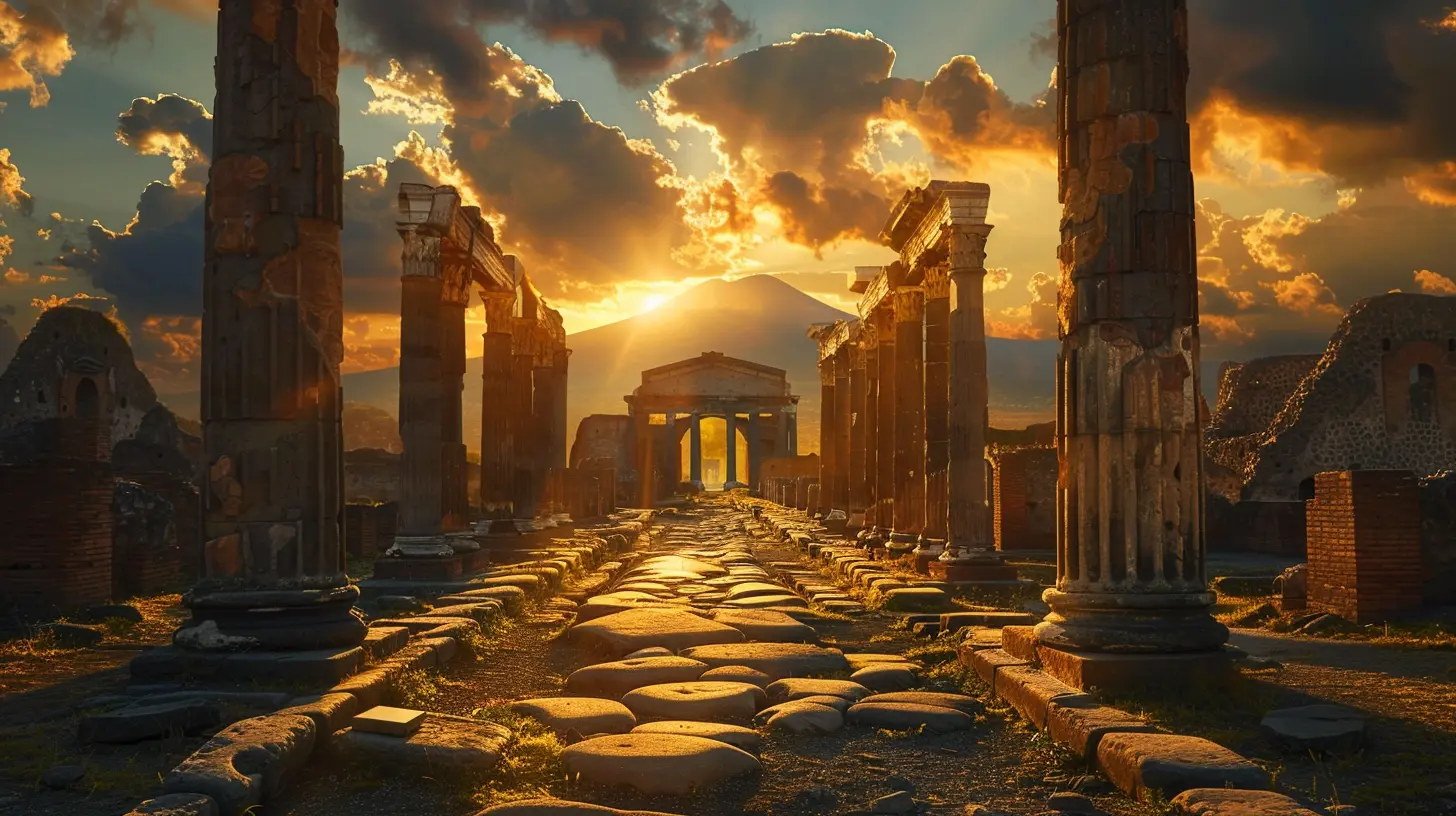
Getting to Pompeii: Easier Than You Think
You don’t need a chariot to get there! If you're staying in Naples or Sorrento, getting to Pompeii is a breeze. The Circumvesuviana train line takes you straight to the Pompeii Scavi station—just grab a comfortable pair of walking shoes and your sense of wonder.?️ Tip: Buy your tickets online in advance to skip the long lines (and avoid the heat if you're going in summer).
First Impressions: Stepping into a Forgotten World
The moment you pass through the entrance, it hits you—you’re walking through a real Roman city. Not a reconstruction, not a simulation. These are actual streets where Roman citizens once lived their lives. It's like someone pressed the pause button 2,000 years ago and you’ve hit play again.You’ll see:
- Cobblestone streets complete with chariot grooves
- Stone houses, some still with colorful frescoes
- Temples, bathhouses, shops—even a fast-food joint (they called it a thermopolium)
Seriously, how cool is that?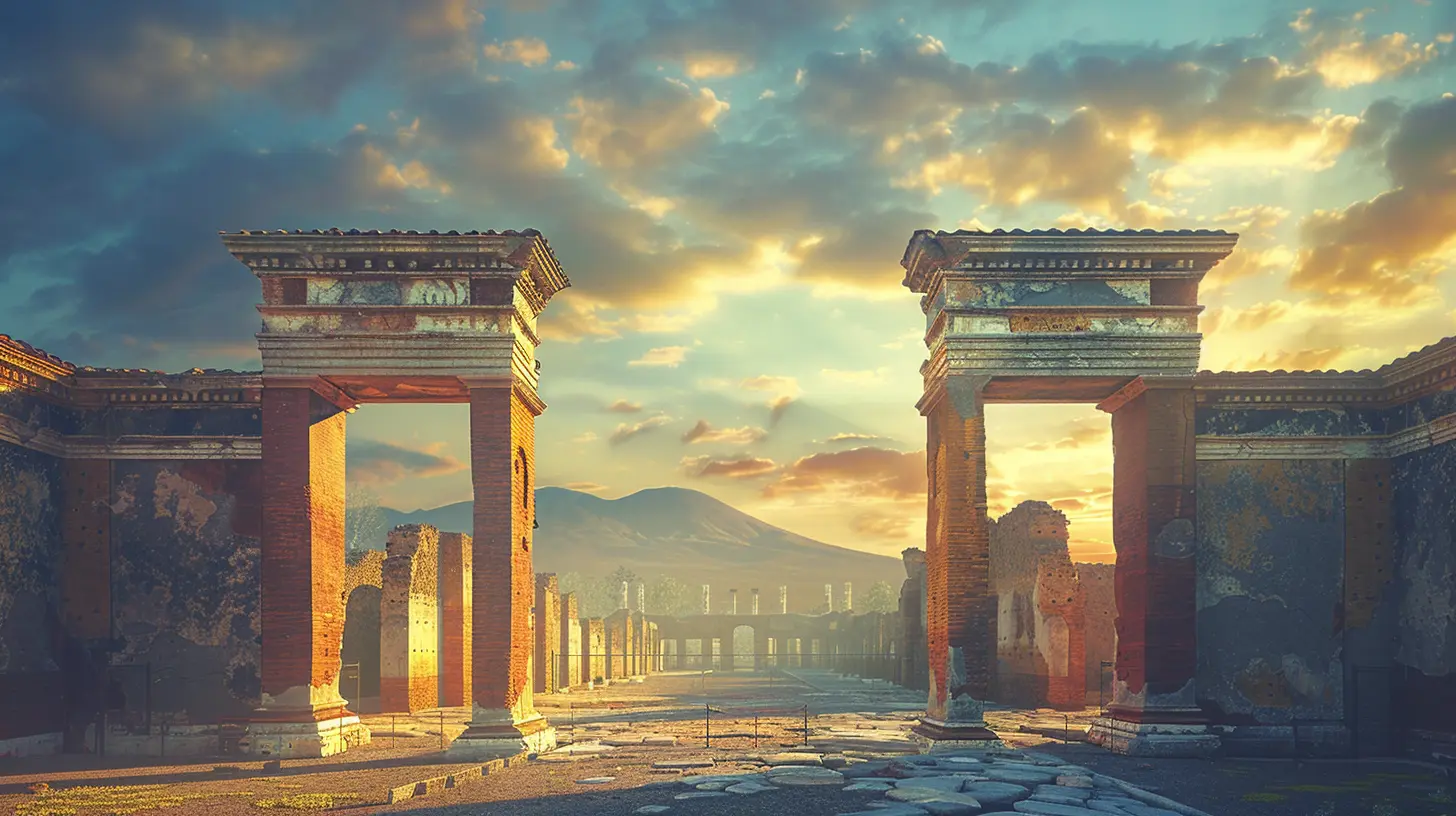
A Must-See List: Don’t Miss These Pompeii Highlights
?️ The Forum
This was the heart of Pompeii—a bustling public square lined with temples, government buildings, and markets. It's basically ancient Rome’s answer to Times Square (minus the neon lights and tourists with selfie sticks).?️ House of the Faun
One of the largest and most luxurious homes in Pompeii. It’s got stunning mosaics, gardens, and fountains. The famous Alexander Mosaic was found here—it’s now housed in Naples, but you can see a replica on-site.? Plaster Casts of the Victims
This part is heavy, but powerful. As the ash settled, it encased the bodies of fleeing residents. Archaeologists figured out how to create plaster molds of these voids, revealing the final moments of Pompeii’s people. It's haunting and deeply human.? Thermopolium of Regio V
People were grabbing quick bites even back then! This ancient street food counter has been beautifully preserved and gives real insight into Roman dining habits. Picture ancient Italy’s version of a pizza joint.? Amphitheater
Gladiator fights? Music performances? Wild animal shows? This amphitheater had it all. Built in 70 BC, it’s one of the oldest surviving Roman amphitheaters and could seat up to 20,000 people. Talk about ancient entertainment!Fun Facts to Sprinkle Throughout Your Visit
You know those facts that make your friends go “Really?!” Here are a few to keep in your pocket:- Pompeii had over 25 bakeries. Yes, bread was a big deal.
- The city had a complex plumbing system and even flushing toilets in some homes.
- Ancient graffiti has been found on walls—including love notes, political messages, and, um, rather rude jokes.
- Over 1,500 buildings have been uncovered, and archaeologists are still digging!
The Emotional Side of Pompeii
It’s not all sunshine and ancient bread ovens. Walking through Pompeii also brings a wave of unexpected emotion. You’ll see vivid murals, tiny baby cribs, and preserved fruit bowls. These tiny details whisper stories of people just like us—dreaming, laughing, working, living—suddenly caught in nature’s fury.It’s a deeply human experience: beautiful, tragic, and everything in between.
What to Pack for Your Pompeii Adventure
Let’s talk logistics, shall we? Here's what you absolutely need in your backpack:✔️ Comfortable shoes – The streets are ancient and uneven
✔️ Water bottle – Stay hydrated, especially in summer
✔️ Hat and sunscreen – There’s not much shade!
✔️ Camera or smartphone – You’ll want to remember this
✔️ A curious mind – Most important of all!
? Optional: Download a guide app or hire a local guide. You’ll get way more out of the experience with someone explaining the who’s who and what’s what.
Best Time to Visit Pompeii
Honestly? Spring (April to June) and early autumn (September to October) are your best bets. It’s cooler, less crowded, and everything just feels a bit more magical. Summer can be sweltering, and winter—while quiet—can be a bit chilly and damp.⏰ Tip: Try to arrive early in the morning. You’ll beat the crowds and enjoy the early light, which makes those ancient walls glow like something out of a movie.
How Long Should You Stay?
Most people spend about 4-5 hours exploring Pompeii, but honestly, you could spend a full day. If you’re a history lover, you might even consider two days—especially if you’re pairing your trip with a climb up Mount Vesuvius (yes, the same volcano!).⛰️ Bonus Idea: Many tours combine Pompeii with a Vesuvius hike. It’s an epic one-two punch of history and nature!
Food Near Pompeii: Refuel Like a Roman
After a few hours of Roman time-traveling, you’re gonna be starving, right? Luckily, there are great spots just outside the site.? Try authentic Neapolitan pizza or grab a quick panino. For dessert, a creamy gelato or espresso will perk you right up for the ride back.
Pompeii for Kids: Yes, It’s Family-Friendly!
Think ruins are boring for kids? Think again! Pompeii is like a giant adventure park for little explorers. They can peek into ancient houses, imagine gladiator battles in the amphitheater, and giggle at some naughty Roman graffiti (you’ve been warned).? Pro Tip: Grab a family-friendly guidebook or audio tour that frames the history in fun, engaging ways.
What Makes Pompeii Unique from Other Ancient Ruins?
There are Roman ruins scattered all over Europe, but Pompeii is special. Why?1. It wasn’t abandoned over time—it was instantly frozen.
2. It offers a snapshot of DAILY life, not just the grand temples and monuments.
3. It’s incredibly well-preserved thanks to the volcanic ash.
4. It’s massive—over 150 acres of ruins!
It’s like the ancient Instagram of real Roman life—unedited, authentic, and endlessly fascinating.
Tips for a Great Pompeii Experience
Here’s a roundup of quick tips to make your visit smooth and memorable:- ? Use an audio guide or join a guided tour. There’s soooo much to learn!
- ? Bring sunglasses. The sunlight reflecting off the stones can be intense.
- ? Grab a map at the entrance—you’ll thank yourself later.
- ❗Stay within marked areas. Some structures are fragile and off-limits.
- ? Take photos, but be respectful, especially near the plaster casts.
Final Thoughts: Why Pompeii Should Be on Your Bucket List
If you’re looking for a travel experience that’s equal parts awe-inspiring, emotional, and unforgettable, Pompeii ticks all the boxes. It’s a place where history breathes, whispers, and sings. You’ll leave with dust on your shoes and stories in your soul.So what are you waiting for? Swap your sandals for sneakers, grab your camera, and get ready for a one-of-a-kind trip through the echoes of the past. Because some journeys aren’t just about miles—they’re about moments that stay with you forever.
all images in this post were generated using AI tools
Category:
Ancient RuinsAuthor:

Pierre McKinney