A Taste of Tuscany: Exploring Italy's Legendary Cuisine
2 January 2026
Let’s cut to the chase—Tuscany is a foodie’s fantasy. This slice of central Italy is the kind of place where every bite tells a story, where a simple plate of pasta can bring tears to your eyes, and where food isn’t just nourishment—it’s a full-on love affair. If you're dreaming of rolling hills, medieval towns, and wine that makes your soul sing, you're already halfway to Tuscan heaven.
But here's the best part: Tuscany doesn’t need to be dressed up in truffle oil and fancy foams. Its cuisine is rustic, real, and ridiculously delicious. So buckle up (and unbuckle that belt), because we’re about to deep-dive fork-first into the legendary flavors that make Tuscany a culinary icon.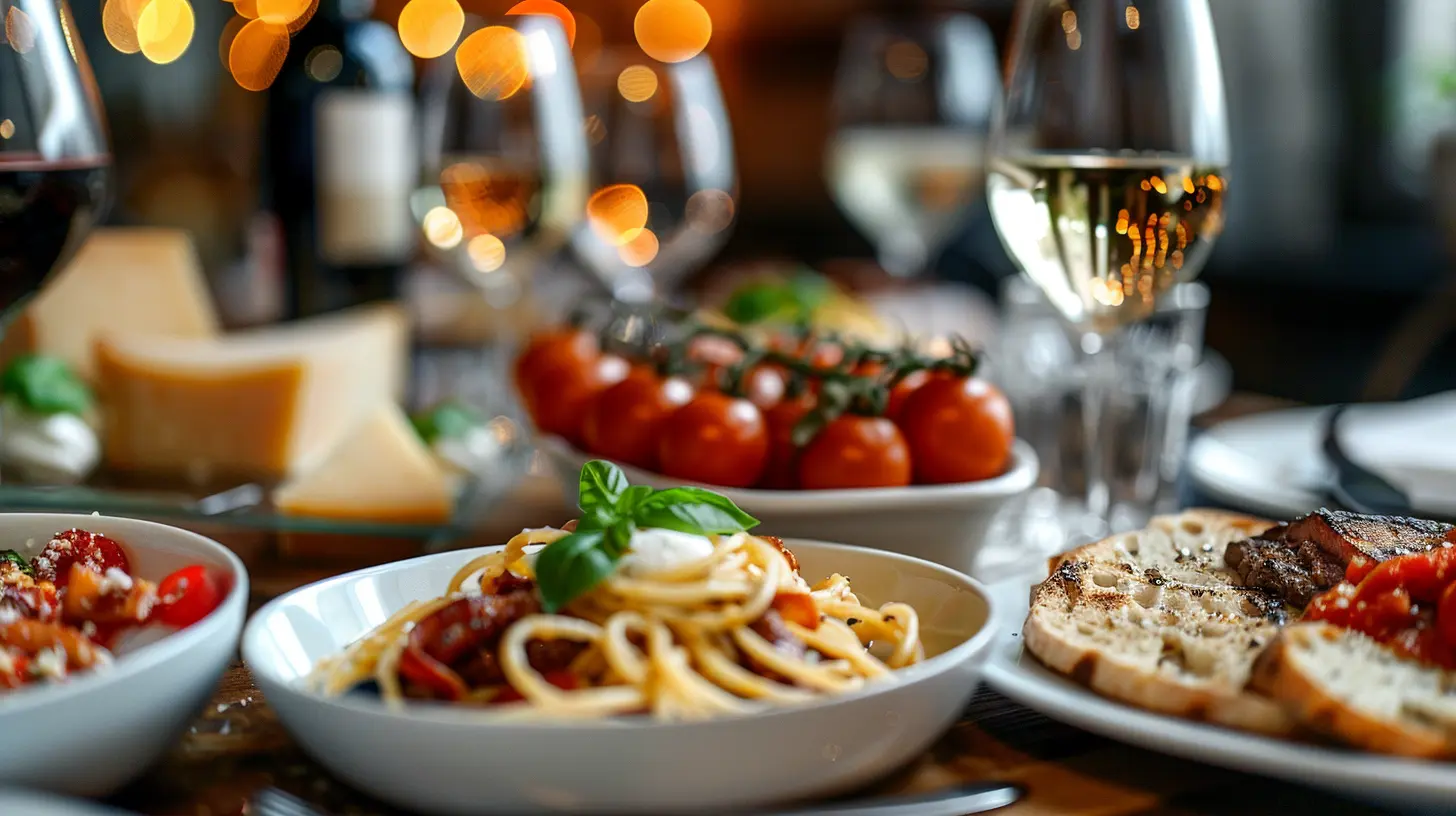
Why Tuscan Cuisine is the Real Deal
What sets Tuscan food apart? It’s honest. That might sound strange, but in Tuscany, food isn't about impressing; it’s about deeply rooted traditions, fresh local ingredients, and that magical thing called simplicity. There’s no pretension here. Just a deep, soul-warming focus on flavor.Picture this: vine-ripened tomatoes, olive oil so rich it's practically liquid gold, beans that taste like they’ve been slow-simmered by nonna (grandma) herself, and bread baked like it’s sacred. This is cucina povera, or “peasant cooking,” which might sound humble—but trust me, it's a symphony for your tastebuds.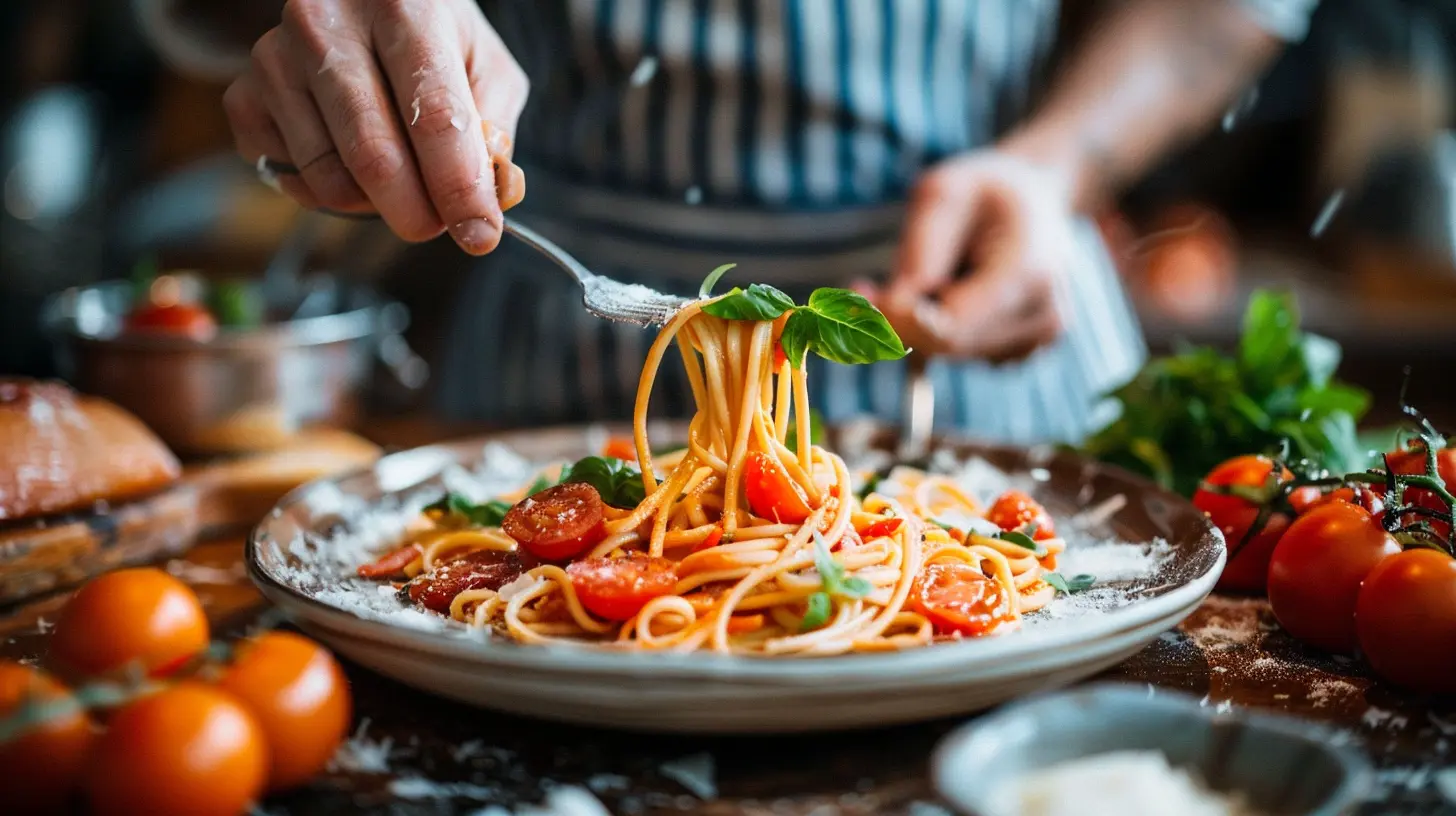
1. The Holy Trinity: Olive Oil, Bread, and Wine
Let’s just start at the beginning. Tuscan cuisine would be nothing without its holy trinity: extra virgin olive oil, fresh-baked bread, and world-class wine. These aren't just ingredients—they're a lifestyle.Olive Oil – Liquid Gold
Tuscan olive oil is peppery, grassy, and pungent in the best way possible. It's drizzled over soups, used as a dip, or just enjoyed on its own with hunks of bread. Once you’ve tasted the real stuff, everything else feels like betrayal.Bread – Simple but Significant
Okay, here's a weird fact: Tuscan bread is saltless. I know, sounds crazy. But that salt-free crusty loaf is the base for some of Tuscany’s most famous dishes like panzanella (bread salad) and ribollita (a hearty soup). The blandness of the bread lets the ingredients around it shine.Wine – Chianti, Anyone?
Say what you want, but a glass of Chianti with local cheese and wild boar ragu? That’ll send you into a blissed-out trance. Tuscany produces some of Italy’s most iconic wines—Chianti, Brunello di Montalcino, Vino Nobile di Montepulciano (try saying that after two glasses). These wines aren’t just drinks—they're cultural experiences.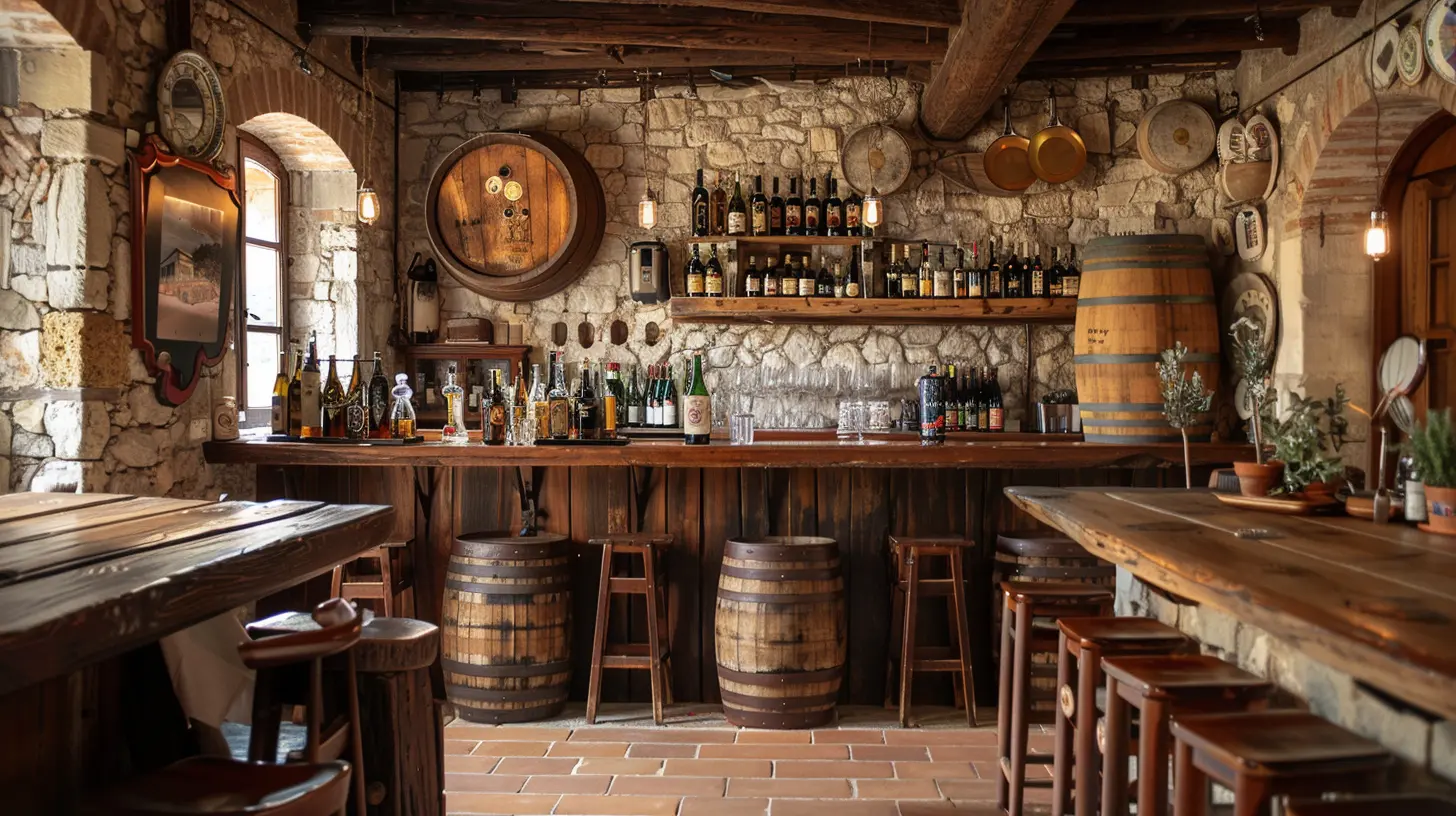
2. Soups That Hug You From the Inside
In Tuscany, soup isn’t just food—it’s therapy. Warm, rustic, filling… it's like getting a hug from your Italian grandmother, even if you’ve never had one.Ribollita – The Reboiled Wonder
Ribollita literally means "reboiled.” It’s a rich, thick soup made with leftover bread, cannellini beans, kale, and any veggies lying around. It’s the kind of dish you’d eat by the fireplace while the Tuscan hills get misty outside.Pappa al Pomodoro – Tomato Comfort in a Bowl
Think tomato soup, but with breadcrumbs to give it body. Pappa al Pomodoro is thick, luscious, and bursting with fresh tomato flavor. It tastes like summer, even in the dead of winter.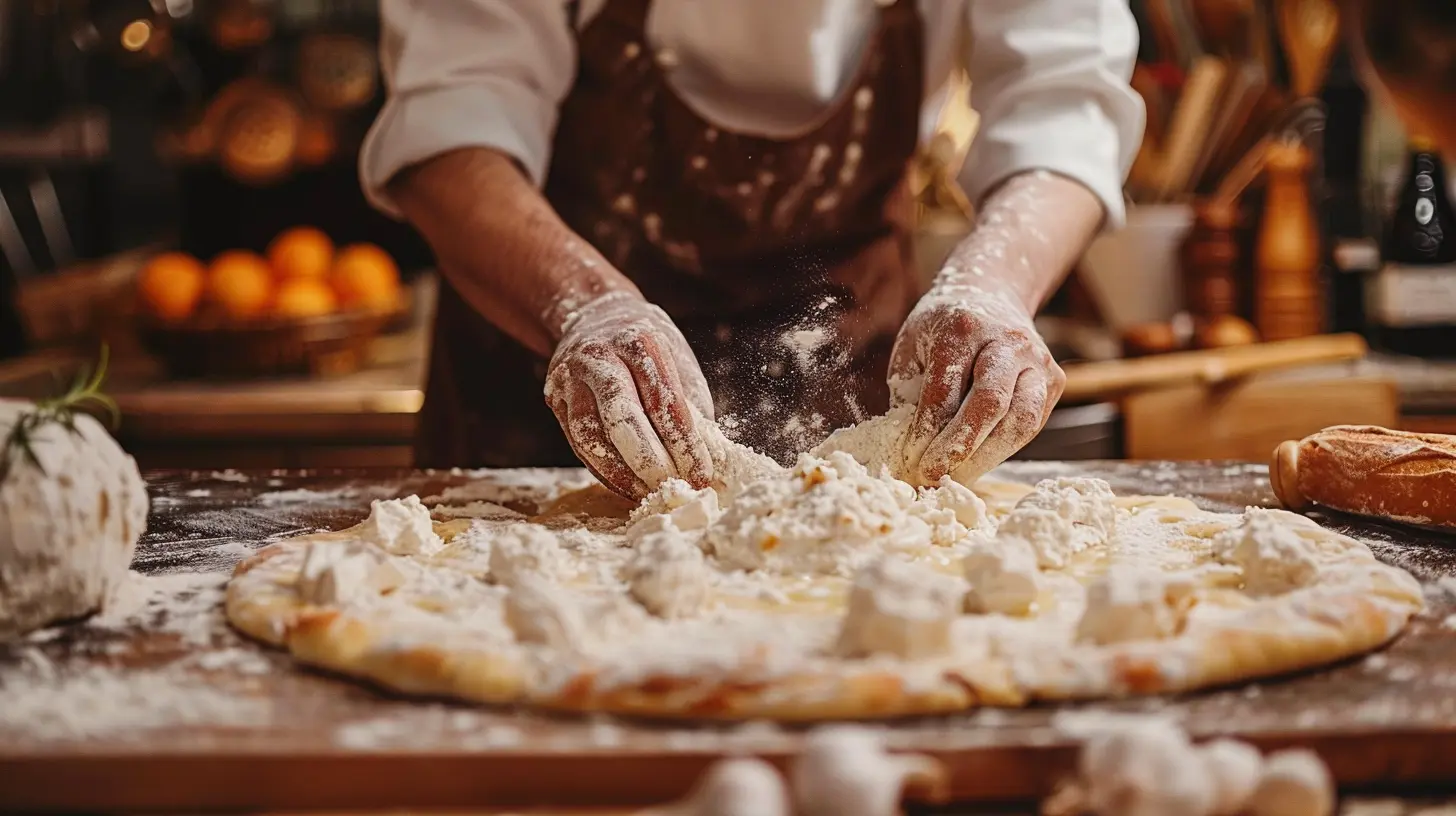
3. Pasta That’ll Break Your Brain
If pasta is an art form, Tuscany is its rebellious little sibling who doesn’t follow the rules—and ends up creating a masterpiece.Pici – The Underdog of Noodles
Pici is like the Tuscan version of spaghetti—but thicker, chewier, and hand-rolled. They don't come from a machine, and that's exactly why they're perfect. You’ll find them smothered in garlic breadcrumbs (aglione), or rich meat sauces like wild boar ragu.Lasagne al Forno – The OG Lasagna
This isn’t your average layered pasta. With ragù slow-cooked for hours, béchamel sauce that melts like a dream, and sheets of pasta that are soft and soulful… Tuscan lasagna is a game-changer.4. Meat Lovers Rejoice: Carnivore Delights
Tuscany doesn’t shy away from meat. It embraces it with open arms—and sizzling grills.Bistecca alla Fiorentina – The Steak of Kings
This is not just a steak. It’s a slab of Chianina beef, cut thick, seasoned with just olive oil, salt, and pepper, and grilled over open flames. Rare in the middle. Charred on the outside. It’s primal. It’s bold. It’s unforgettable.Cinghiale – Wild Boar, Wild Flavor
Wild boar is a Tuscan specialty steeped in tradition. Usually found in ragu or stews, it’s earthy, rich, and slightly gamey. One bite, and you’ll think you’ve tasted the forest it came from.5. Cheese, Glorious Cheese
When it comes to dairy treasures, Tuscany proudly brings out the big guns.Pecorino Toscano – Sheep’s Milk Perfection
This hard cheese made from sheep’s milk is nutty, salty, and oh-so-snackable. Try it young and milky, or aged and sharp. Either way, it’s absolute cheese bliss—especially paired with honey or pear slices.6. Sweet Endings: Tuscan Desserts
Let’s face it, no meal is complete without something sweet. Tuscany's desserts may be rustic, but they’re rich in flavor and history.Cantucci and Vin Santo – The Dip Duo
These twice-baked almond cookies are traditionally dunked in Vin Santo, a sweet dessert wine. Crunchy? Yes. Messy? Also yes. Worth it? Every. Single. Bite.Castagnaccio – Chestnut Cake with Attitude
Made with chestnut flour, pine nuts, olive oil, and rosemary (yes, rosemary!), this dense cake is a little savory, a little sweet, and totally unique. It tastes like autumn in a slice.7. Street Food with Soul
Tuscany’s not all white tablecloths and candlelight. Sometimes, the best bites come from the street.Lampredotto – Not Your Average Sandwich
This Florentine favorite is made from the fourth stomach of the cow, slow-cooked and served in a crusty roll with salsa verde. Sounds intense? It is. But if you’re brave enough to try it, locals will cheer you on.Schiacciata – Tuscan Flatbread Bliss
Stuffed with everything from prosciutto to truffle cream, schiacciata is crunchy, chewy, and utterly addictive. It's what paninis wish they were.8. Cooking Classes and Culinary Tours: Become the Chef
If you’re lucky enough to visit Tuscany, don’t just eat—cook. Many Tuscan kitchens open their doors to tourists for hands-on cooking classes. You’ll learn how to make pasta from scratch, roll out gnocchi, and whip up sauces with the kind of flair that’d make your mamma proud.And for the wine lovers? Vineyard tours with generous tastings are literally everywhere. Sip, swirl, and stumble through the countryside with zero regrets.
9. Market Culture and Seasonal Eating
Tuscan cuisine is all about what’s fresh and local. Head to a town like Lucca or Arezzo on market day, and you’ll see what I mean. Stalls bursting with porcini mushrooms, sun-dried tomatoes, plump olives, and wheels of cheese tempting you at every turn.Tuscany respects the seasons. Spring means fresh peas and fava beans. Summer is bursting with tomatoes, basil, and zucchini flowers. Autumn? Bring on the truffles, chestnuts, and hearty stews.
10. Final Bite: What You Eat in Tuscany Stays With You Forever
Tuscany doesn’t just feed you—it transforms you. You leave with more than a full belly; you leave with stories etched in your taste buds. The best part? You don’t need to speak Italian to understand what food means here. It’s laughter over long lunches, it’s passing plates and pouring wine, it’s slowing down and savoring the moment.So next time you dream of Italy, let your stomach lead the way. Follow the smell of garlic and rosemary. Listen for the sizzle of meat on the grill. And when that first bite hits? Just close your eyes and say, “Mamma mia.
all images in this post were generated using AI tools
Category:
Culinary AdventuresAuthor:

Pierre McKinney
Discussion
rate this article
2 comments
Elidi Bowers
Indulge in Tuscany’s culinary delights! From pasta to pastries, every bite tells a story. Grab your fork and savor the flavors—Italy awaits your taste buds’ adventure!
February 5, 2026 at 4:27 PM
Pierre McKinney
Thank you! Tuscany truly offers a delightful journey for the senses, where each dish reflects its rich heritage and vibrant culture. Buon appetito!
Oren Sawyer
Forget the Leaning Tower; my real goal in Tuscany is to master the art of pasta twirling and find out how many olive oils can fit in my suitcase! Bring on the vino—because who needs a balanced diet when you’ve got carbs and Chianti?
January 16, 2026 at 4:50 PM
Pierre McKinney
Sounds like the perfect Tuscan adventure! Enjoy every delicious moment! 🍝🍷