Airline Baggage Policies: Avoiding Extra Fees and Hassles
19 June 2026
Let’s face it—nothing kills your travel buzz faster than an unexpected baggage fee at the airport check-in counter. One minute, you’re dreaming about sipping cocktails on a beach, and the next, you’re coughing up $75 for an “oversized” suitcase. If you’ve been there, you’re not alone.
Airline baggage policies are no walk in the park. They’re filled with confusing terms, weight limits that seem to shrink by the year, and sneaky charges that pop up when you least expect them. But don’t worry—we're about to tackle this together. With a bit of knowledge and careful planning, you can breeze through check-in without parting with extra cash (or your sanity).
In this guide, we’ll dive deep into everything you need to know to avoid airlines’ baggage curveballs—and save money while you're at it.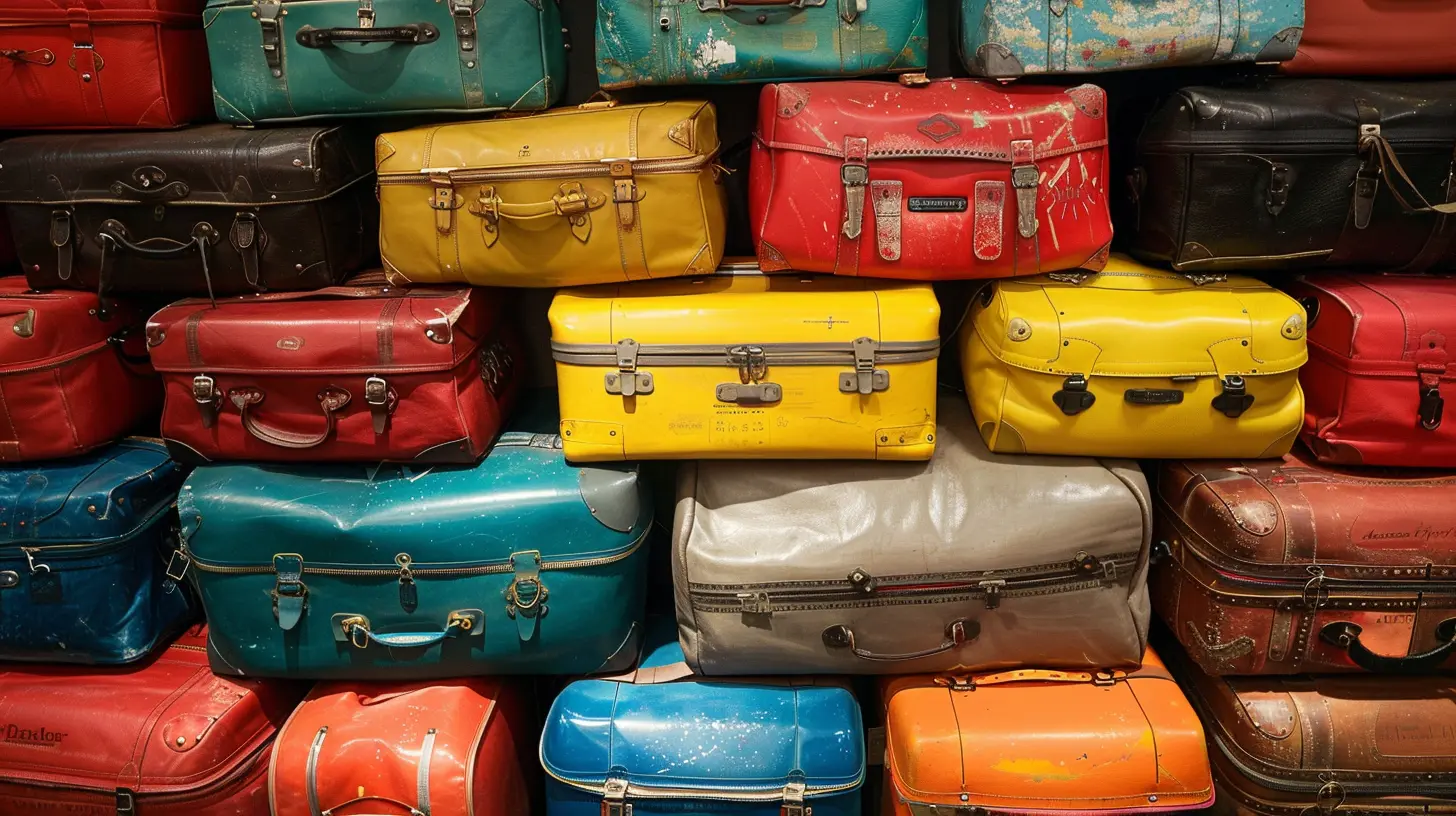
Why Airline Baggage Policies Can Be So Confusing
Ever notice how no two airlines seem to follow the same rules? That’s not your imagination. Each airline has its own unique baggage policy, and they often change faster than you can say “carry-on.”Some charge for all checked bags. Some let you bring one free. Others count your purse as a personal item, while some treat it like a carry-on. Then there’s the weight and size restrictions—don’t even get us started.
The Fine Print Always Counts
Airline websites are full of links to “baggage policy” pages buried five tabs deep. That’s where they hide all the details—things like weight limits, size allowances, and which fare types get you a free bag. Not reading the fine print is like playing a game without knowing the rules. And you know who always loses in that game? Yup. The traveler.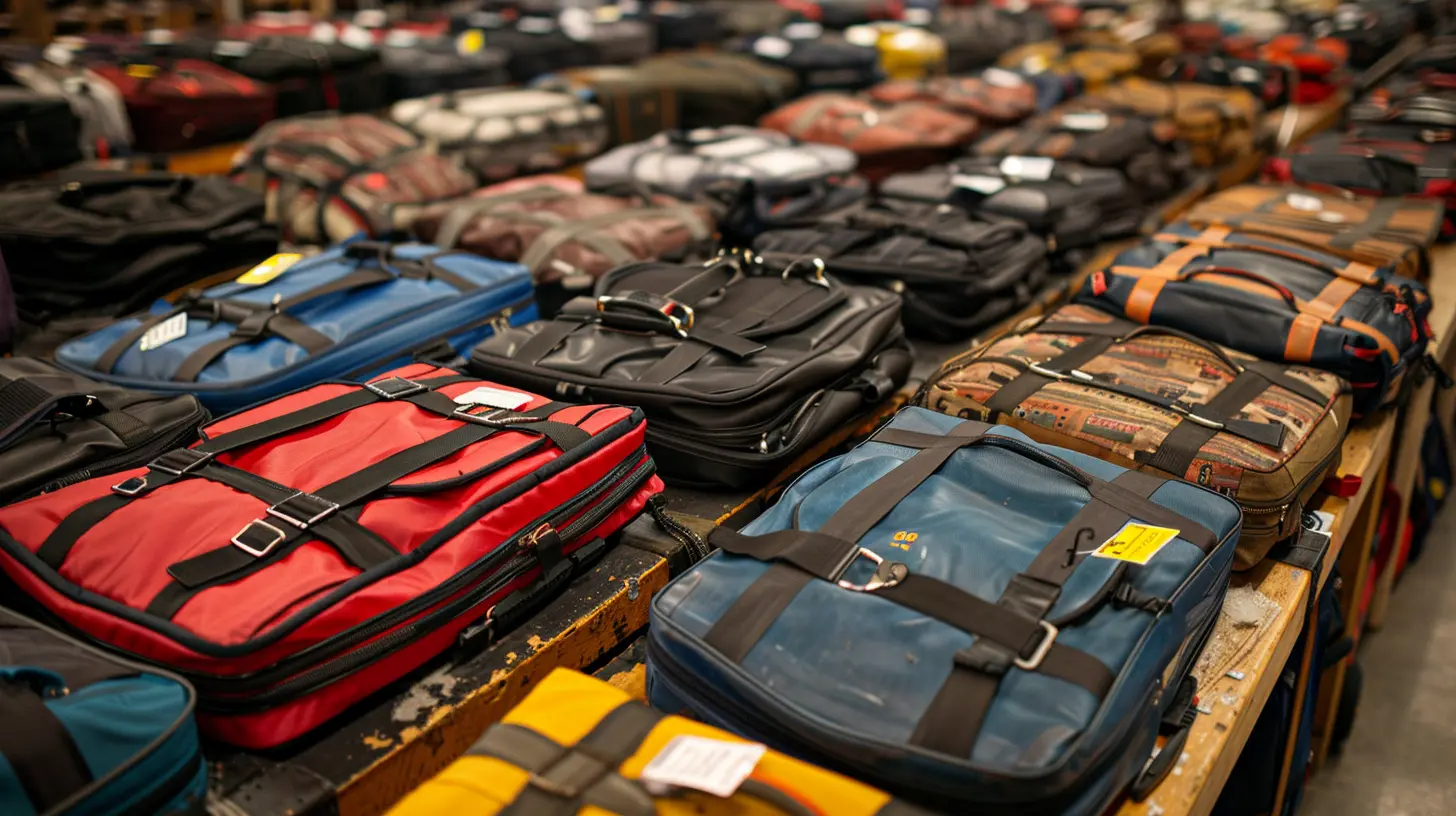
Types of Baggage and What They Really Mean
Before we go further, let’s break down the main types of baggage so we’re all on the same page:1. Carry-On Baggage
This is the bag you take with you into the cabin. Most airlines allow one carry-on and one personal item like a backpack or purse.- Typical size: 22 x 14 x 9 inches (but double-check with your airline!)
- Usual weight limit: Ranges from 15 lbs to 22 lbs depending on the airline
2. Checked Baggage
These go into the cargo hold of the plane. The number of bags you can check—and what it costs—varies widely across airlines and ticket classes.- Typical size: Max around 62 linear inches (length + width + height)
- Usual weight limit: Usually 50 lbs for economy tickets, 70 lbs for business/first class
3. Personal Item
This is a small bag that fits under the seat in front of you. Think a laptop bag, tote, or small backpack.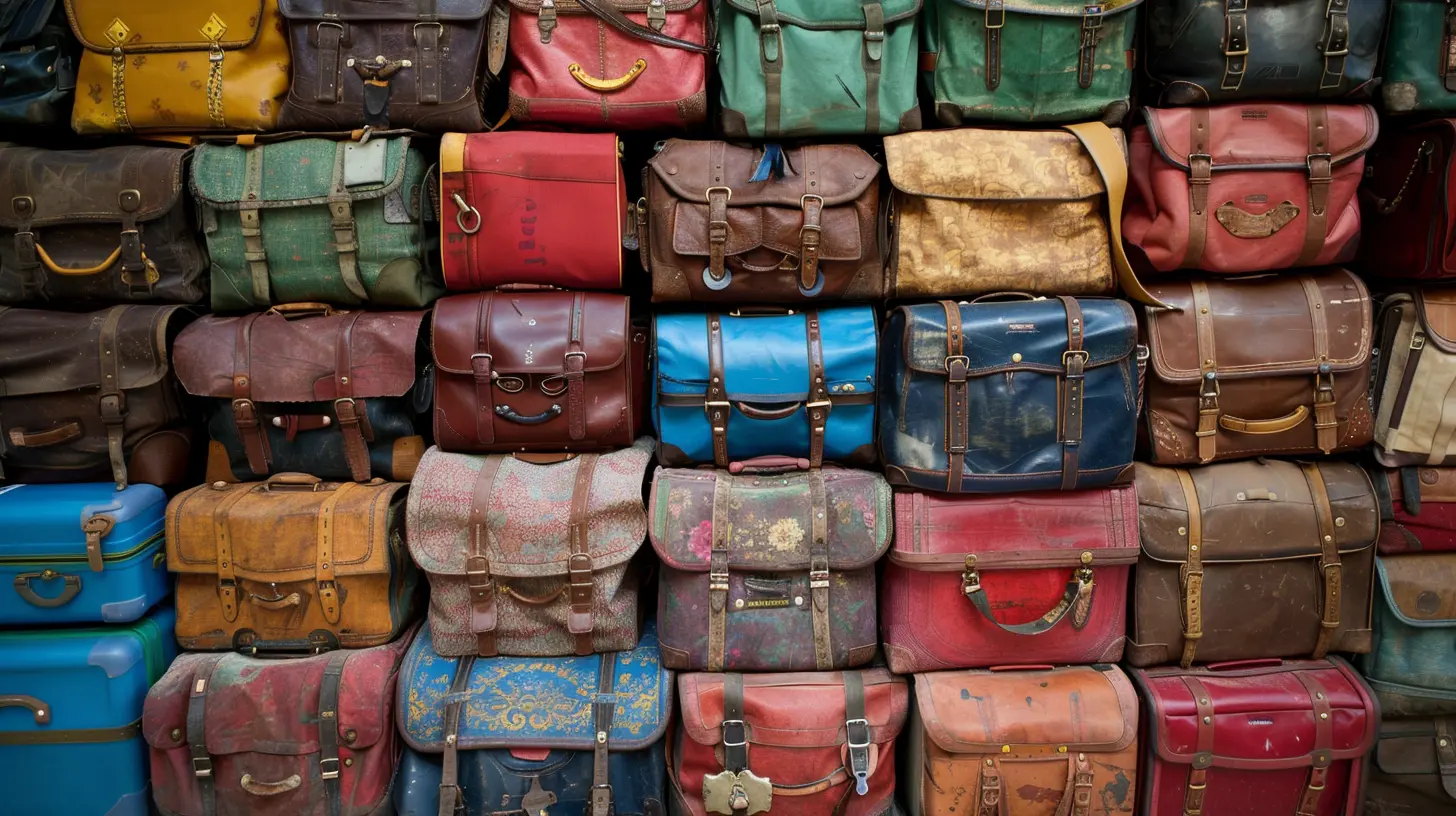
Common Baggage Fees (And How to Dodge Them)
Let’s be honest—nobody wants to spend their hard-earned travel budget on baggage fees. But airlines love those fees. In fact, they make billions each year just from baggage charges.Here are the most common fees and how you can avoid them:
Overweight Bag Fees
Let your suitcase tip the scale even by a pound or two, and you could be slapped with a fee—sometimes up to $200!Tip: Weigh your suitcase at home with a luggage scale (cheap and so worth it). If you’re close to the limit, wear your heaviest shoes and jacket on the plane.
Oversized Bag Fees
If your bag is too large (even by an inch), get ready for another fee. These usually apply to extra-long suitcases or sports equipment.Tip: Stick to standard checked luggage dimensions. Traveling with odd shapes? Contact the airline ahead of time—sometimes they make exceptions or offer packaging suggestions.
Extra Bag Fees
Most economy tickets only include one checked bag (or none at all). Each additional bag? That’s a fee.Tip: Pack smarter, not heavier. Use packing cubes to compress clothes and cut down on unnecessary extras. You'd be surprised how much you can fit when you roll instead of fold.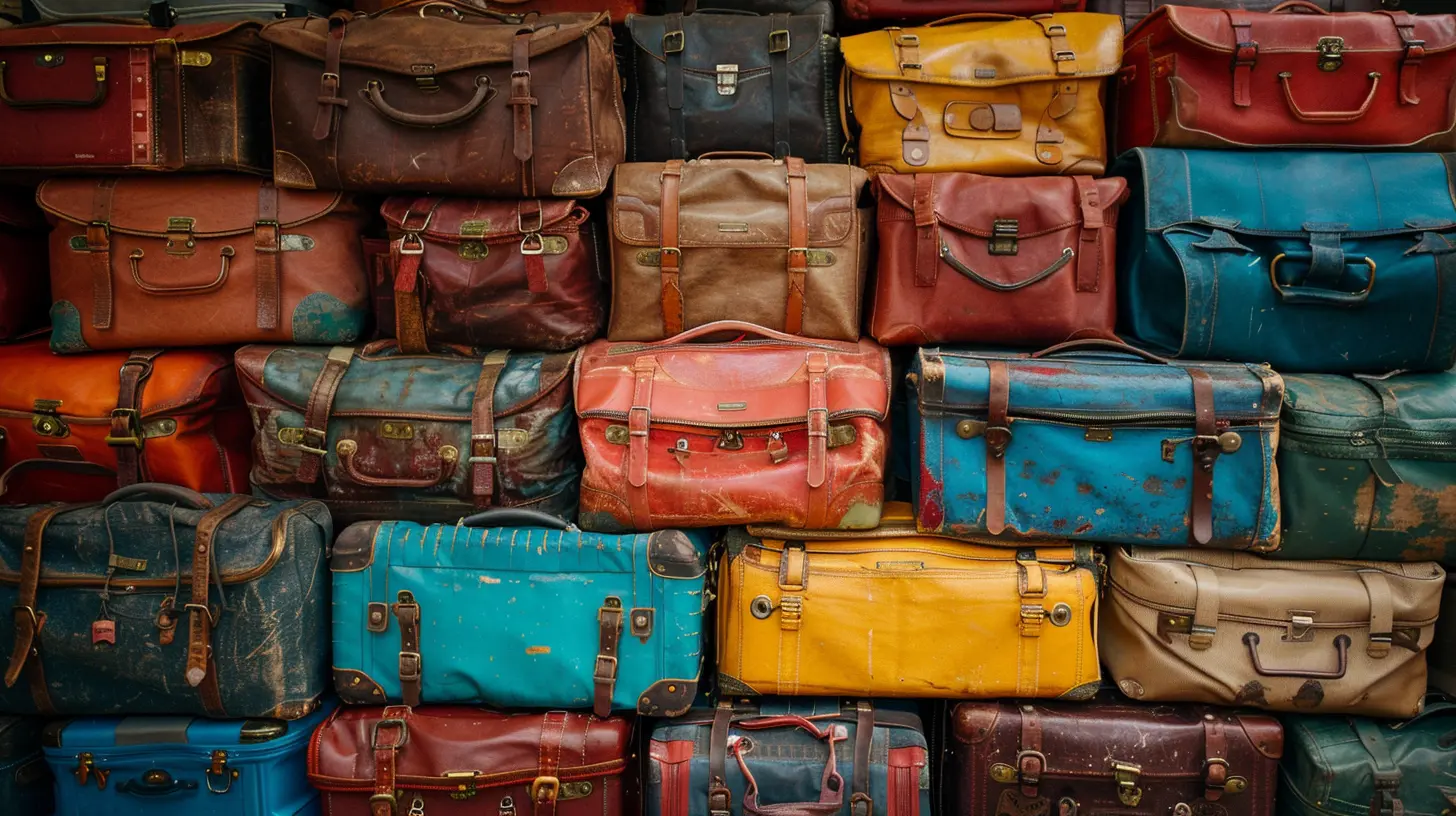
Airline-Specific Baggage Policies: The Big Players
Every airline’s baggage policy is like its own fingerprint—totally unique. Here's a quick cheat sheet for some popular airlines:Delta Airlines
- One personal item + one carry-on free- Checked bag fee: Around $30 for the first bag (domestic flights)
- International flights: Often includes 1 free checked bag
American Airlines
- One carry-on and one personal item allowed- Most economy fares don’t include checked bags
- Premium or international fares often include 1+ bags
United Airlines
- Basic Economy: No carry-on allowed (just a personal item!)- Higher fares include carry-on and possibly a checked bag
- Overweight/oversized fees can be steep
Southwest Airlines
- Two free checked bags (yes, really!)- Carry-on and personal item included
- One of the most generous policies in the U.S.
Budget Airlines (Spirit, Frontier, Ryanair, etc.)
- Low base fares, but fees for everything- Carry-on costs extra
- Checked bags? Always a fee, and usually higher at the airport
Smart Strategies to Avoid Baggage Headaches
Here’s where things get good. With a little bit of planning, you can actually beat the system. Here are some tried-and-true travel hacks:1. Know Before You Go
Don’t book a ticket and then check the baggage policy. Make it part of your research. If you're bringing luggage, a fare that includes checked bags might be cheaper overall than a bare-bones ticket with a million add-ons.2. Use a Packing List
It’s amazing how much space you can save just by planning ahead. Make a minimalist packing list. Stick to versatile clothing. Think mix-and-match, not “one outfit per day.” Layers are your friend.3. Wear Bulky Items
Got hiking boots, a winter coat, or a thick sweater? Wear them. Don’t pack them. Airports may not be fashion shows, but you’ll thank yourself when your luggage sails through weigh-in.4. Check Baggage Fees When Purchasing Your Ticket
Sometimes checking a bag at booking is cheaper than at the airport. Some airlines even offer bundles (like seat + bag + snack) for a better deal.5. Join Airline Loyalty Programs
Many frequent flyer programs offer perks like free checked bags, even if you’re flying economy. It's free to sign up—why not take advantage?6. Use the Right Credit Card
Several travel reward cards include free checked bags as a perk, especially airline-branded cards. One swipe could save you $30–$60 per trip.When It’s Worth Paying for Baggage
Let’s be real—it’s not always bad to check a bag. Sometimes, it’s worth the fee to save your back a break and avoid dealing with the one-bag-limit hustle.If you're...
- Traveling with kids
- Going on a long trip
- Bringing gear (like skis or scuba stuff)
- Attending a formal event
Then yeah, paying a little extra might save you a lot of stress.
Just don’t get caught off-guard. That’s the key.
What to Do If Your Bag Is Lost or Damaged
Unfortunately, even the best planning doesn’t prevent the occasional hiccup. Lost or damaged luggage is rare, but it happens.Here’s what to do:
1. Report it immediately at the airline’s baggage service counter
2. Keep your baggage claim ticket and file a report before leaving the airport
3. Track your bag online (many airlines have tracking tools)
4. Know your rights – Some airlines must compensate you if your bag is permanently lost or delayed for an extended time
Final Thoughts: Travel Light, Travel Smart
At the end of the day, avoiding baggage fees is all about knowing the rules and playing it smart. Do your homework (yep, even for that budget airline with the amazing deal), and pack with purpose. When in doubt, go lighter. Your wallet—and your shoulders—will thank you.You don’t need five pairs of shoes or three full outfits “just in case.” You need a plan. And hey, if all else fails, consider it your cue to practice that minimalist travel lifestyle everyone keeps talking about.
So the next time you book that dream trip, give baggage policies a hard look. Not to stress you out—but to make sure you're prepared. Trust me, a little prep goes a long way at 30,000 feet.
all images in this post were generated using AI tools
Category:
Flights And AirlinesAuthor:

Pierre McKinney