All You Need to Know About the Turquoise Coast Route in Turkey for 2027
5 May 2026
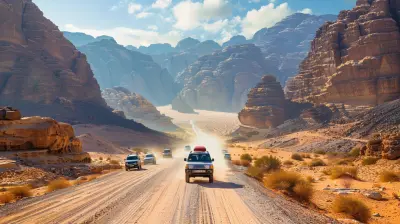
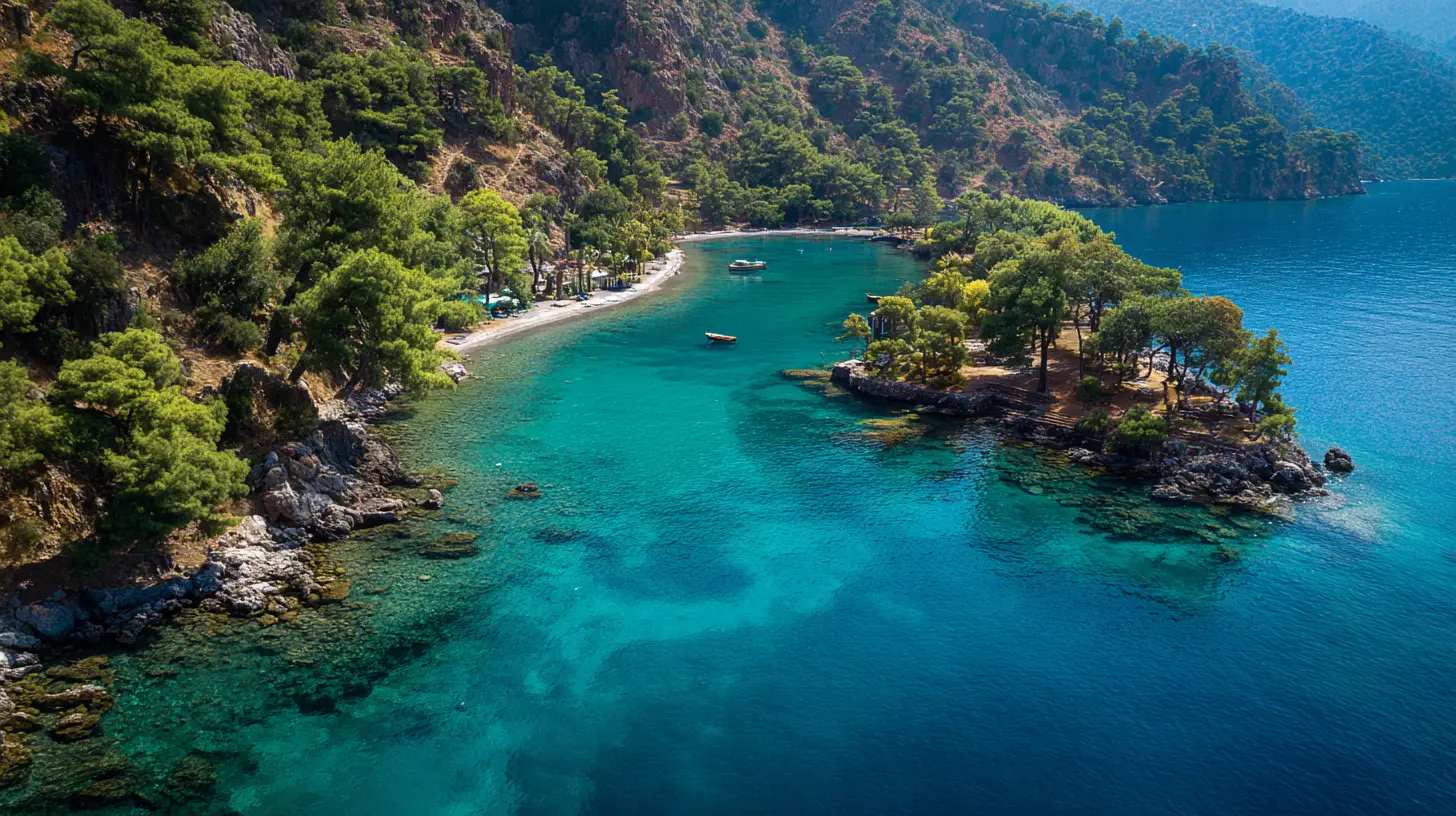
Picture this: you are driving along a winding coastal road, the Mediterranean sun warming your left arm, while the sea on your right flashes in shades of blue so vivid they almost look fake. That is the Turquoise Coast Route in Turkey. It is not just a road trip. It is a slow dance with history, a swim in ancient waters, and a feast for every sense. If you are planning a trip for 2027, you need the inside scoop. Let me walk you through the real deal.
What Exactly Is the Turquoise Coast Route?
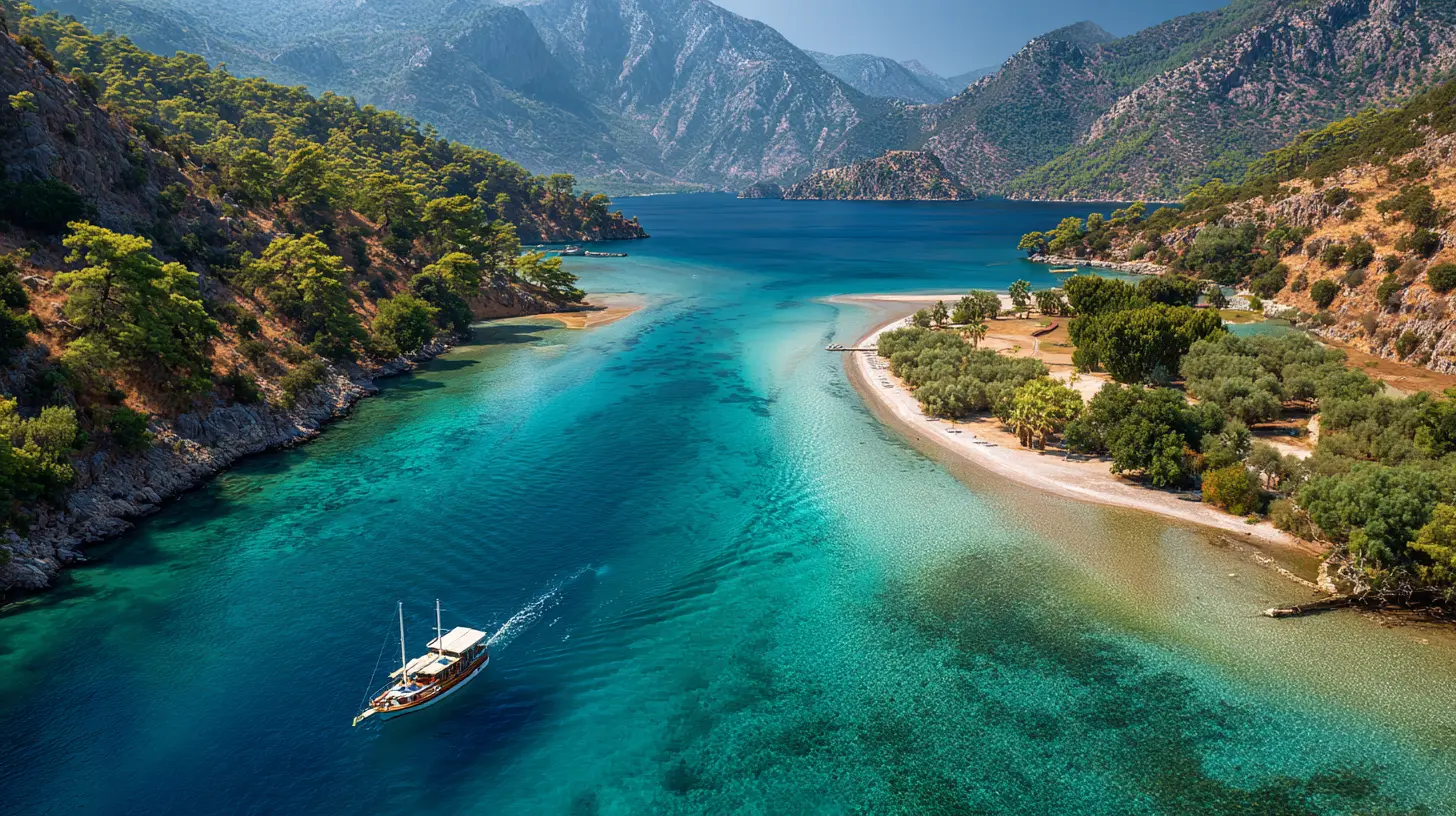
First things first: the Turquoise Coast, also called the Turkish Riviera, stretches from the resort town of Antalya in the east down to the quiet beaches of Fethiye in the west. But the route itself is a loose collection of highways, backroads, and ferry hops that connect these two points. Think of it as a necklace of coves, ruins, and sleepy fishing villages. The star of the show is the D400 highway, which hugs the coastline for most of the way. But the magic lies in the detours.Why 2027? Because Turkey is quietly upgrading its infrastructure. New rest stops, better signage, and a push for eco-friendly tourism mean the route will be smoother but still raw. You want to catch it before it gets too polished.
When to Drive the Turquoise Coast for the Best Experience
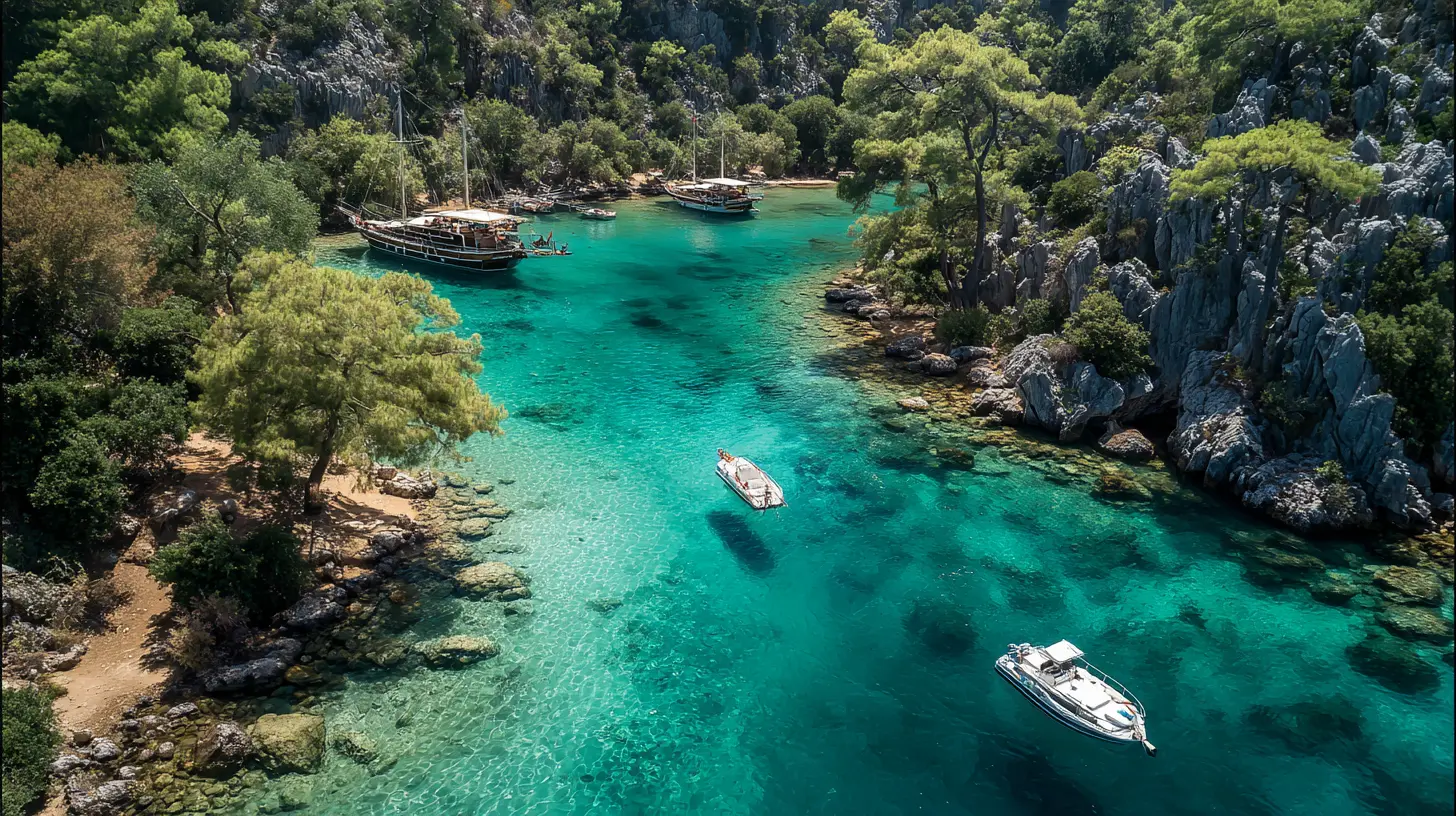
Timing is everything here. The sweet spot for 2027 is late April through June, and then September through early November. Why skip July and August? Because the heat can hit 40 degrees Celsius (104 Fahrenheit), and the roads get clogged with rental cars and tour buses. You will spend more time stuck behind a slow campervan than actually enjoying the views.Late spring gives you wildflowers on the hillsides and water that is warm enough for a dip but not crowded. Autumn brings a golden light that makes every photo look like a postcard. Winter? The route stays open, but some mountain passes can get icy, and many small hotels close down. So unless you love solitude and a bit of rain, stick to shoulder season.
Where to Start: Antalya or Fethiye?
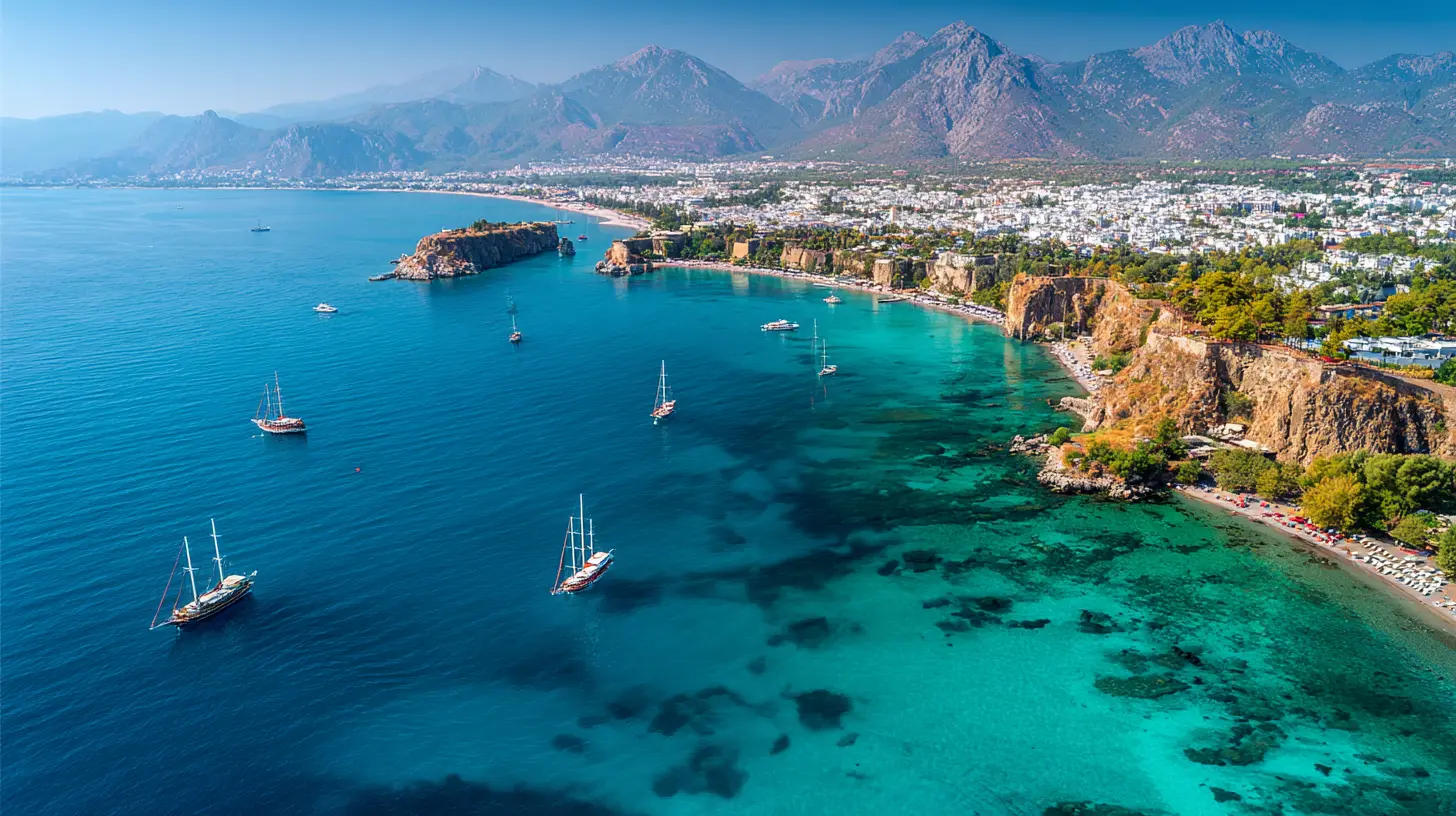
It depends on your vibe. Start in Antalya if you want to ease into things with a big city. The airport is international, so you can land, grab a rental car, and hit the road. Antalya itself has a gorgeous old town called Kaleici, with Ottoman houses and a marina that looks like a painting. Spend a day here to shake off jet lag.Start in Fethiye if you want to dive straight into nature. Fethiye is smaller, more laid-back, and closer to the famous Blue Lagoon at Oludeniz. The drive from Fethiye to Antalya feels like you are peeling back layers of civilization, getting more rugged and ancient as you go east. I prefer this direction because it builds drama. But honestly, either way works.
The Must-See Stops You Cannot Skip
Olympos and the Chimaera Flames
About halfway between Antalya and Fethiye, you will find Olympos. This is not a fancy resort. It is a ruined Lycian city nestled in a forest, right next to a pebble beach. You can actually sleep in a treehouse hostel here, which sounds gimmicky but feels like summer camp for adults. The real show is at night: hike up the hill to see the Chimaera flames. These are natural gas vents that have been burning for thousands of years. Ancient sailors used them as lighthouses. You will stand there, watching flames flicker out of rock cracks, and feel like you stepped into a myth.Kas: The Cool Little Town
Kas is the kind of place you plan to stay for one night and end up staying for three. It is a small town built on a hillside, with whitewashed buildings and bougainvillea spilling over every balcony. The diving here is world-class. The water is so clear you can see the wreck of a WWII plane from the surface. But even if you do not dive, just walking the narrow streets, eating fresh fish at a rooftop restaurant, and watching the sunset over the Greek island of Meis will make you forget your itinerary.Kaputas Beach
You have seen this beach on Instagram. It is the one with the turquoise water sandwiched between two cliffs, accessed by a long staircase. Here is the truth: it is stunning, but it gets packed by 10 AM. Go early, or better yet, go in late afternoon when the tour boats leave. The water is cold even in summer, but that is part of the charm. It shocks you awake.Butterfly Valley
Just south of Fethiye, you can take a boat to Butterfly Valley. It is a canyon that opens to a beach, reachable only by sea. The name comes from the Jersey tiger moths that live here, but honestly, the real draw is the isolation. There is a basic camp here if you want to stay overnight, but most people just spend a few hours swimming and hiking to a waterfall. It feels like a secret.The Hidden Gems Most Tourists Miss
Phaselis
Everyone rushes past Phaselis to get to Olympos, but do not. Phaselis is an ancient city with three harbors, and you can swim right next to Roman ruins. The water is so clear you can see columns lying on the seafloor. There is almost never a crowd here. Pack a picnic and spend a lazy afternoon. It is like having a private museum with a beach.Simena (Kalekoy)
You have to take a boat or a very bumpy road to reach Simena. It is a tiny village on the water, dominated by a Crusader castle. The locals still live in stone houses with wooden shutters. There is a sunken city in the bay, and you can kayak over ancient streets. The best part? The castle has a cafe at the top where you can drink tea and look down at the sea. It feels like a movie set.Saklikent Gorge
Not technically on the coast, but a 30-minute drive inland from Fethiye. Saklikent is a massive canyon with icy water running through it. You can walk through the gorge on wooden platforms, or wade through the water if you are brave. The water is freezing, even in August. But the walls of the canyon tower above you, and the echo of your footsteps makes you feel tiny. It is a good break from the beach.
What to Drive: Car, Campervan, or Motorcycle?
For 2027, I recommend a compact SUV. The D400 is paved and well-maintained, but the side roads to hidden beaches are often gravel, and a low sedan will struggle. A small SUV like a Dacia Duster or a Fiat Panda 4x4 gives you freedom without breaking the bank. Rent from a local agency, not the big international chains, to save money.Motorcycles are popular here too, especially for solo travelers. The curves on the coastal road are thrilling, but be careful: Turkish drivers can be aggressive, and some mountain sections have sharp bends with no guardrails. If you are not an experienced rider, stick to four wheels.
Campervans are a mixed bag. There are designated campsites, but wild camping is technically illegal in many spots. Locals do it anyway, but as a foreigner, you might attract attention. If you want a van, book spots in advance.
Where to Sleep Along the Route
Forget big chain hotels. The Turquoise Coast is about small pensions, family-run guesthouses, and treehouse hostels. In Kas, look for a room with a sea view balcony. In Olympos, stay at one of the treehouse places like Kadir's or Bayram's. They are basic but social, and you will meet travelers from all over.If you want a splurge, book a night at the D-Hotel Maris in Gocek. It is fancy, with a private beach and a spa. But honestly, the best memories come from the cheap places where the owner brings you homemade breakfast on a tray and tells you about his uncle who found a Roman coin in the garden.
Food You Must Try on the Road
Do not eat at tourist traps near the main beaches. Walk two streets back from the water. Look for places with plastic chairs and a grill out front. That is where the real food is.- Gozleme: A thin flatbread stuffed with spinach, cheese, or minced meat. It is made fresh on a griddle. Perfect for a roadside snack.
- Pide: Think of it as Turkish pizza. Wood-fired, with cheese and egg or sucuk (spicy sausage). One pide is enough for two people.
- Fresh fish: In Kas and Kalkan, the fishermen bring in the catch in the afternoon. Restaurants grill it simply with olive oil and lemon. Order a side of rocket salad and a glass of raki.
- Dondurma: Turkish ice cream is stretchy and chewy. The vendors often play tricks, making the cone disappear and reappear. It is annoying but fun.
Safety and Practical Tips for 2027
Turkey is safe for tourists. The Turquoise Coast is especially tourist-friendly. But use common sense. Do not leave valuables on the beach while you swim. Lock your rental car. And be careful on the roads: Turkish drivers treat speed limits as suggestions, and passing on blind curves is common. Drive defensively.Learn a few Turkish words. "Merhaba" (hello), "tesekkur ederim" (thank you), and "hesap lutfen" (the check, please) go a long way. Turks are incredibly hospitable, and a little effort opens doors.
Cash is still king in small towns. ATMs are common, but carry some Turkish lira for roadside fruit stands and village markets. Cards work in bigger restaurants and hotels.
Why 2027 Is the Perfect Year
Turkey is investing in the Turquoise Coast. New eco-lodges are opening. The government is cleaning up beaches and limiting plastic use. By 2027, you will find better recycling bins and fewer plastic bags. But the route is still rugged enough to feel like an adventure. You are not too late. The crowds are growing, but they are not overwhelming yet. Go now, before the secret gets out completely.Also, the exchange rate works in your favor. The Turkish lira has been weak against the dollar and euro for a few years. Your money goes further here than in Greece or Italy. You can eat like a king for 10 dollars. You can sleep in a lovely guesthouse for 30. That is rare in the Mediterranean.
A Sample 7-Day Itinerary
Day 1: Arrive in Antalya. Explore Kaleici. Sleep in Antalya.Day 2: Drive to Olympos. Visit Phaselis on the way. Hike to the Chimaera flames at sunset. Sleep in a treehouse.
Day 3: Drive to Kas. Stop at Kaputas Beach for a swim. Explore Kas town. Sleep in Kas.
Day 4: Day trip from Kas to Simena by boat. Swim over the sunken city. Sleep in Kas.
Day 5: Drive to Fethiye. Stop at Butterfly Valley. Sleep in Fethiye.
Day 6: Day trip to Saklikent Gorge. Relax at Oludeniz beach. Sleep in Fethiye.
Day 7: Fly out from Dalaman airport (near Fethiye) or drive back to Antalya.
This is a relaxed pace. If you have two weeks, add Kalkan, Cirali, and a few days of sailing. Yes, you can charter a gulet (traditional wooden boat) for a week. That is a whole different story, but it is the ultimate way to see the coast.
The Bottom Line
The Turquoise Coast Route is not just a drive. It is a reminder that the world still has places where the water is impossibly blue, the ruins are older than your imagination, and the food tastes like sunshine. 2027 is your year to do it. Pack light, bring a good hat, and leave your expectations at home. The road will take care of the rest.
all images in this post were generated using AI tools
Category:
Iconic RoutesAuthor:

Pierre McKinney
Discussion
rate this article
1 comments
Thornewood Butler
The Turquoise Coast Route in Turkey is a stunning journey that showcases breathtaking landscapes, charming towns, and rich history. Whether you're exploring ancient ruins or relaxing on pristine beaches, this route offers something for every traveler. Be sure to experience the unique culture and delicious cuisine along the way in 2027.
May 12, 2026 at 2:56 PM