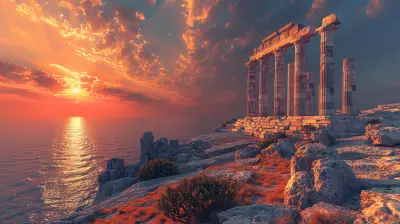
Alpine Artistry: How Mountains Have Inspired Great Artists and Poets
10 December 2025
A Canvas Etched in Stone
Mountains stand like nature’s grandest sculptures—ancient sentinels of time, carved by the hands of wind and weather. Their rugged peaks pierce the heavens, their valleys whisper poetry to the wandering soul. For centuries, these towering giants have beckoned artists and poets alike, urging them to translate their majesty onto canvas and page.
But what is it about mountains that stirs such profound creativity? Is it the way they cradle the clouds in their arms? The way their snowcaps glow golden under the setting sun? Or the sheer solitude they provide, stripping life down to its rawest, most poetic essence?
Join me as we journey through snow-draped peaks and misty ridges to unveil how mountains have breathed life into the masterpieces of the world's most revered creatives. 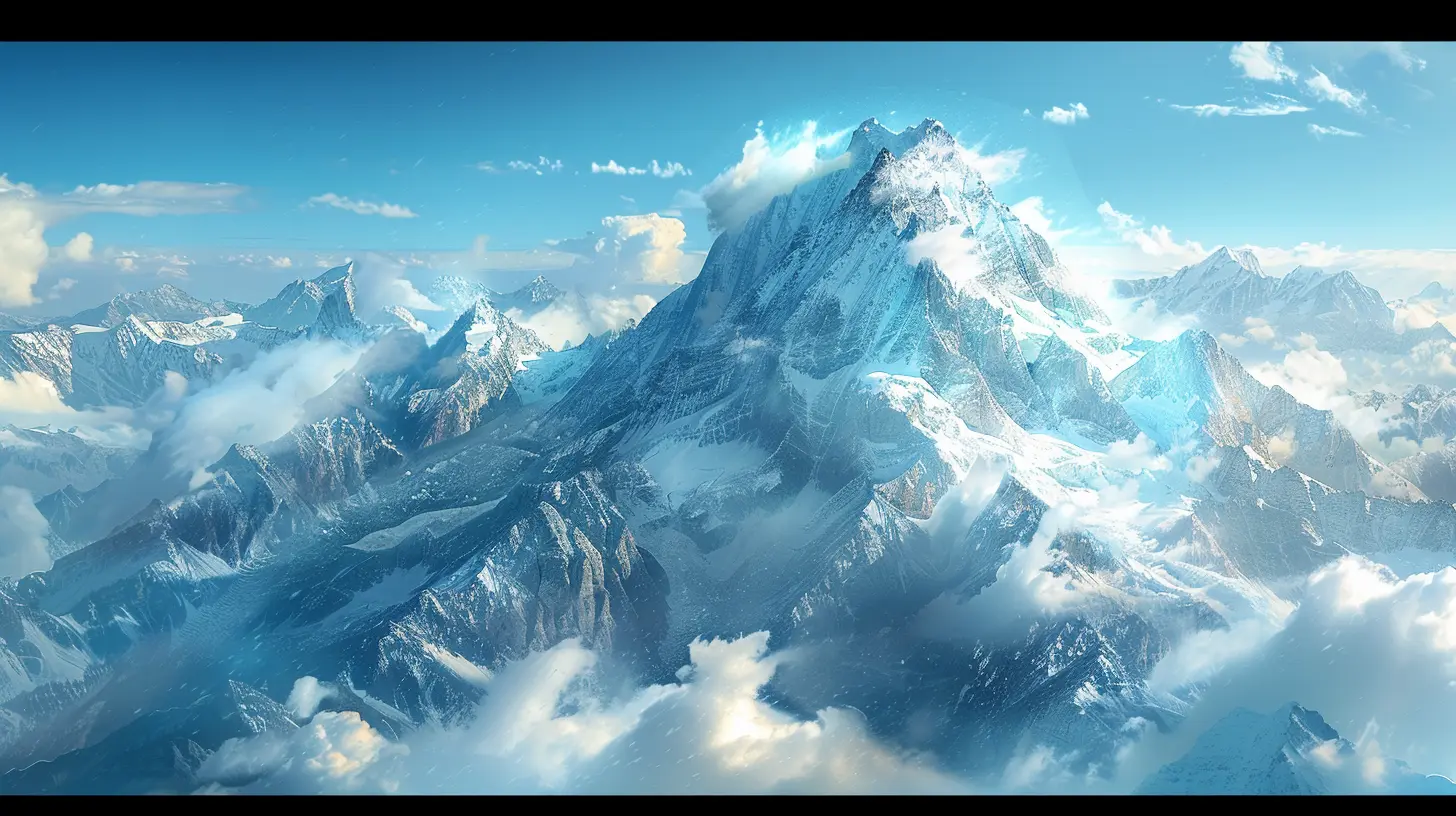
The Muse in the Mist: Why Mountains Stir the Soul
To stand amongst mountains is to stand in the presence of something greater than oneself. They are humbling yet empowering, silent yet deafening with their tales woven over millennia. Their slopes bear the burden of time, yet they remain untouched by the trivialities of human existence.Artists and poets have long been lured by this paradox—of permanence and change, of grandeur and quietude. The mountains do not speak, yet they tell stories in the shifting light, in the echoing valleys, in the rhythmic flow of rivers born from their ice-clad summits.
The Play of Light and Shadow
Every sunrise paints the mountains anew. What was a brooding silhouette in the dawn mist becomes a golden marvel by midday and a shadowy enigma at dusk. This ever-changing landscape offers endless inspiration, compelling painters to chase the elusive dance of light across rock and snow.The Impressionists, particularly the great Claude Monet, knew this well. While he’s often associated with water lilies, Monet was captivated by the Alps, capturing the shifting hues with a masterful touch, translating fleeting moments onto canvas with breathtaking precision.
The Wilderness of Isolation
Mountains symbolize isolation—but not loneliness. The solitary artist, seeking solace from the clamor of the world, finds refuge in these remote realms. Poets like William Wordsworth and Percy Bysshe Shelley, forever entranced by nature’s power, crafted verses that transported readers to these high-altitude havens.Shelley’s Mont Blanc is a prime example—his ode to the Alps is not just a description of peaks and glaciers but a meditation on time, the divine, and the insignificance of humanity before nature’s might. 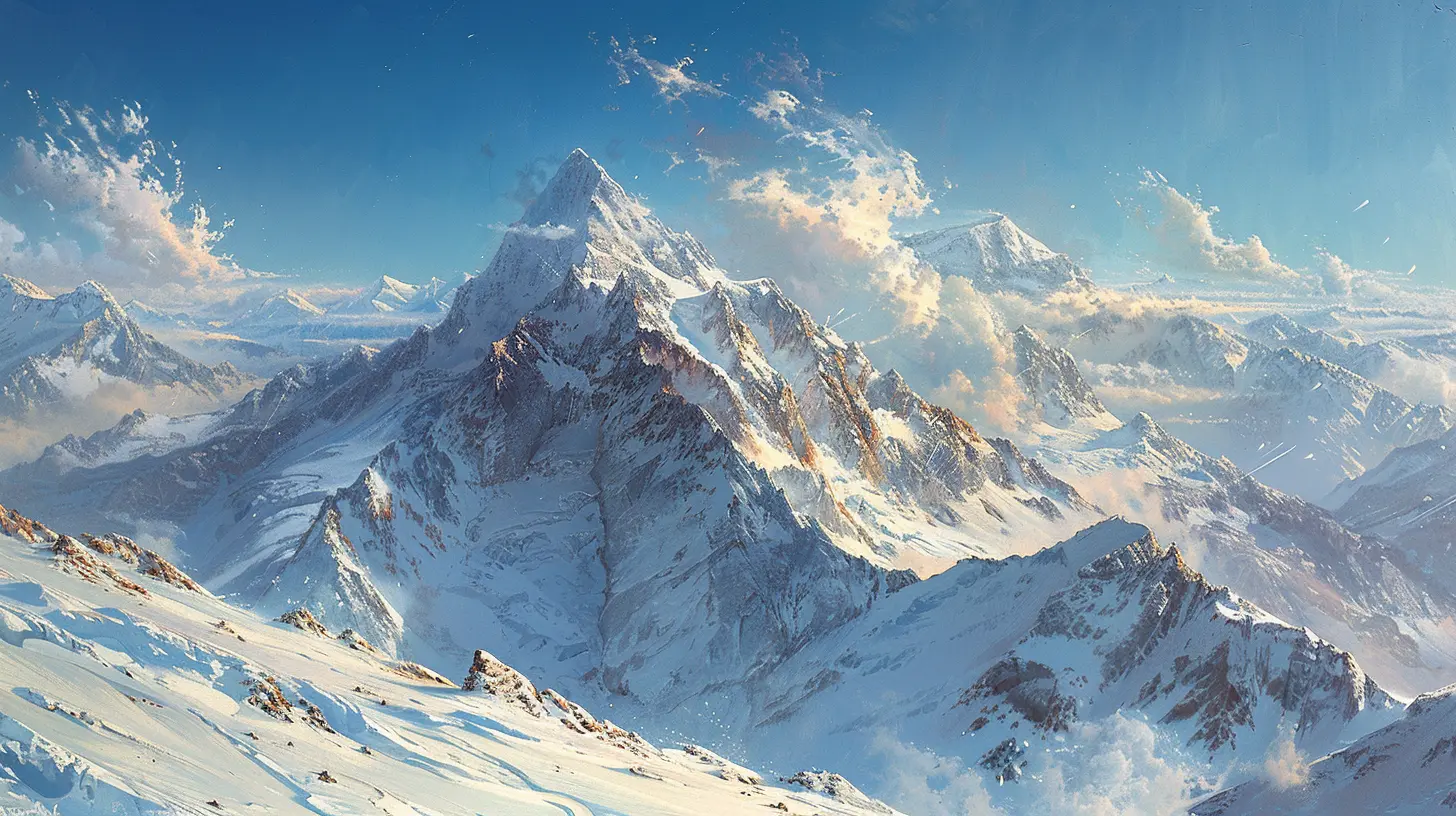
Painting Peaks: How Mountains Shaped Visual Art
The visual arts owe a debt to mountains, from delicate ink wash landscapes of ancient China to the vivid strokes of European Romantics. Let’s take a look at how painters immortalized the towering beauty of these natural cathedrals.The Romantics: Mountains as the Sublime
For the Romantics, mountains weren’t merely geological formations; they were symbols of the sublime—terrifying yet beautiful forces of nature that dwarfed human existence.J.M.W. Turner, often referred to as the painter of light, captured the wild power of the Alps with swirling clouds, turbulent skies, and luminous peaks. His work evokes both awe and unease, reflecting the deep respect and fear humans have always felt toward these lofty realms.
The Alpine Obsession of Caspar David Friedrich
Caspar David Friedrich, another iconic Romantic, gave us some of the most haunting mountain scenes. His paintings, often depicting lone wanderers gazing upon vast alpine landscapes, invite viewers to step into a world where nature reigns supreme.His famous work, Wanderer above the Sea of Fog, places the viewer in the boots of an adventurer standing atop a precipice, staring into the unknown. It captures the intoxicating solitude of mountain landscapes—a moment of reflection where one’s insignificance is both terrifying and liberating. 
The Poetry of Peaks: Verses Carved from Stone
Mountains don’t just inspire painters; they call to poets, urging them to weave words that echo across the valleys. The sheer scale and mystery of mountain landscapes find lyrical expression in some of history’s most powerful poetry.Wordsworth’s Reverence for Nature
William Wordsworth, the leading voice of the Romantic movement, often wandered the rugged hills and peaks of England's Lake District. But it was his encounters with the Alps that left an indelible mark on his work.In The Prelude, he describes a youthful journey through the Alps, capturing the overwhelming sense of wonder and insignificance that mountains so effortlessly instill. His poetry turns physical landscapes into emotional and philosophical reflections—mountains become metaphors for the vastness of human thought.
Lord Byron’s Wild and Untamed Summits
If Wordsworth found solace in mountains, Lord Byron found ecstasy. His poem Manfred captures the brooding, untamed spirit of the Alps. Unlike Wordsworth’s serene admiration, Byron’s relationship with mountains was turbulent. They became a symbol of isolation, rebellion, and existential torment—mirroring the poet’s own tempestuous life.With lines such as,
"The glaciers creep, like snakes that watch their prey,"
Byron turns the mountains into living, breathing entities—both beautiful and treacherous. 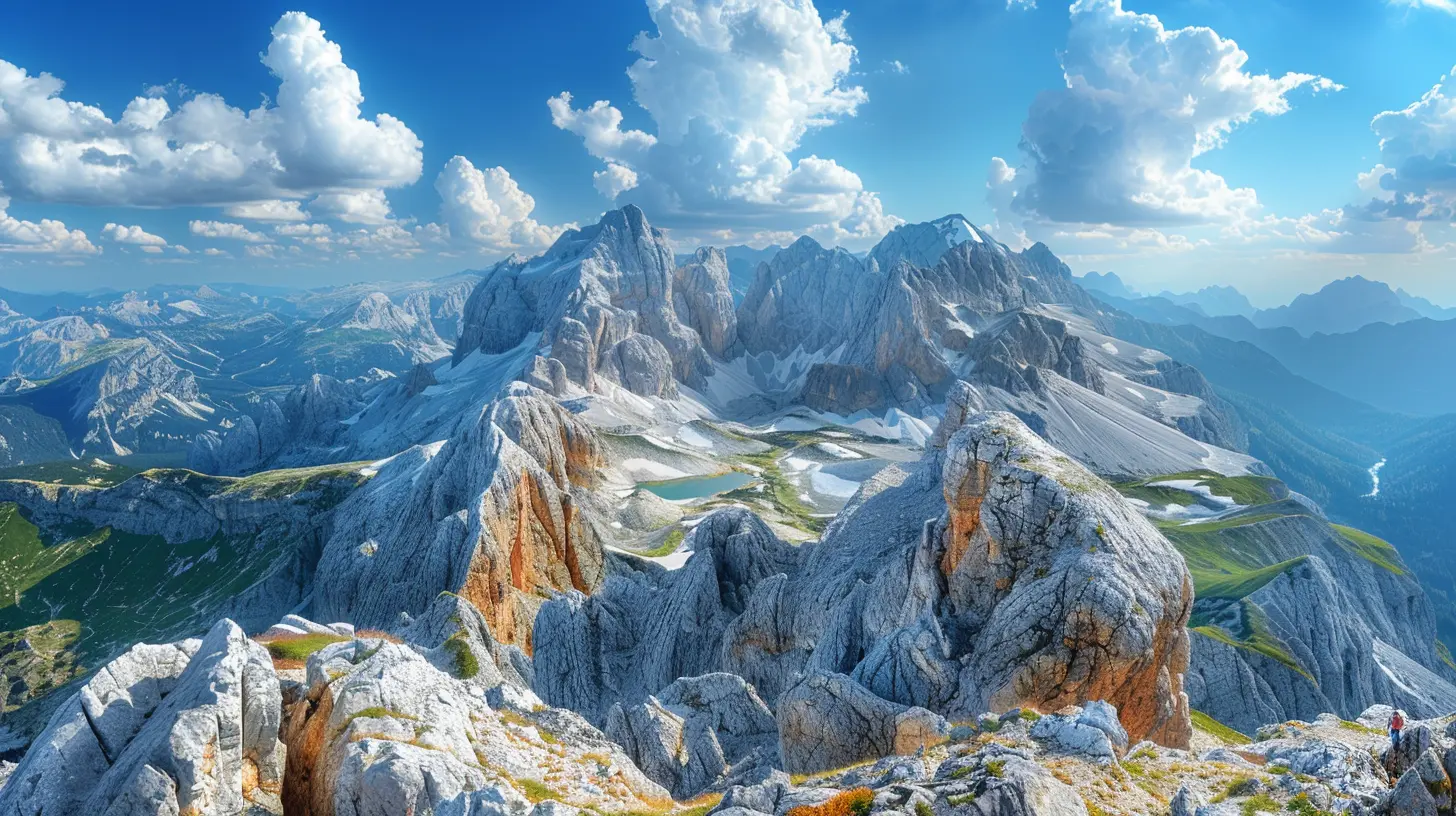
Mountains as a Modern Muse
Even today, mountains continue to inspire. Photographers chase golden-hour light across jagged ridges, filmmakers frame their stories against alpine backdrops, and contemporary artists translate the timeless grandeur of peaks into abstract forms.The Call of the Outdoors: Adventure and Art
The rise of adventure photography has given mountains a new artistic medium. Photographers like Ansel Adams immortalized North America’s mountain ranges with breathtaking black-and-white compositions, turning photography into fine art.Meanwhile, mountaineers-turned-poets, such as John Muir, left us lyrical prose that blends adventure with philosophy, proving that the mountains speak to those who dare to listen.
The Eternal Inspiration of the Highlands
Mountains are more than mere landforms; they are muses, mentors, and mirrors to the human spirit. Their solitude offers reflection, their grandeur sparks creativity, and their sheer presence reminds us of both our insignificance and our boundless potential.Whether in the brushstrokes of Monet, the verses of Shelley, or the modern lens of adventure photographers, the influence of mountains remains as eternal as the peaks themselves.
So, the next time you stand before a towering summit, take a moment to listen. The mountains are speaking—through art, poetry, and the echoes of those who came before. Will you answer their call?
all images in this post were generated using AI tools
Category:
Mountain AdventuresAuthor:

Pierre McKinney
Discussion
rate this article
2 comments
Amber Roberson
What a delightful read! It’s fascinating how the majestic mountains have sparked creativity in artists and poets alike. Nature truly has a way of inspiring the soul. Can't wait to explore these breathtaking landscapes myself!
January 15, 2026 at 3:28 PM
Pierre McKinney
Thank you! I’m glad you enjoyed it. Nature’s beauty is indeed a powerful muse—happy exploring!
Sybil McAuley
Mountains: nature’s canvas that inspires creativity and awe! Let’s explore!
December 28, 2025 at 5:32 AM
Pierre McKinney
Absolutely! Mountains have long fueled the imagination of artists and poets, serving as a stunning backdrop for their creativity. Let's dive into their inspiring stories!