Ancient Civilizations of the Desert: Uncovering Lost History
15 July 2026
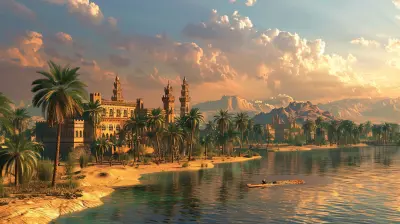
The deserts of the world are often seen as barren wastelands—vast stretches of sand and rock where nothing thrives. But beneath the scorching sun and endless dunes lie the remnants of once-mighty civilizations. From towering pyramids to forgotten cities buried in time, the stories of the desert’s ancient people whisper through the ruins.
How did these civilizations thrive in such harsh environments? What secrets do their remnants hold? Let's take a journey back in time and uncover the lost history of the desert’s greatest societies. 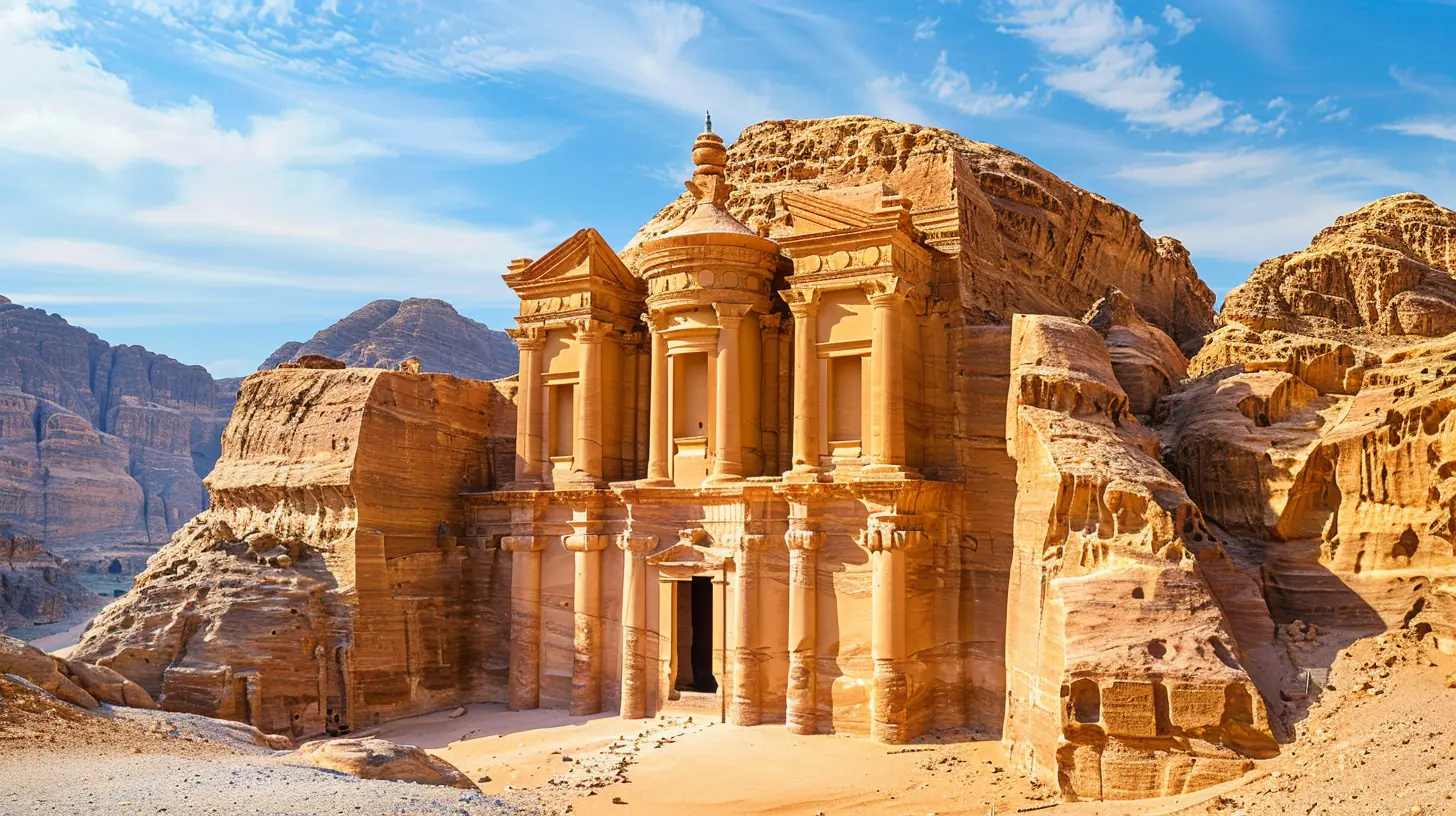
The Mystery of Desert Civilizations
Surviving in a desert is no easy feat. Blistering heat by day, freezing cold by night, and a serious lack of water—these are not exactly ideal conditions for building a thriving empire. But against all odds, many ancient civilizations called the desert home. They built incredible cities, developed complex societies, and left behind mysteries that still baffle historians today.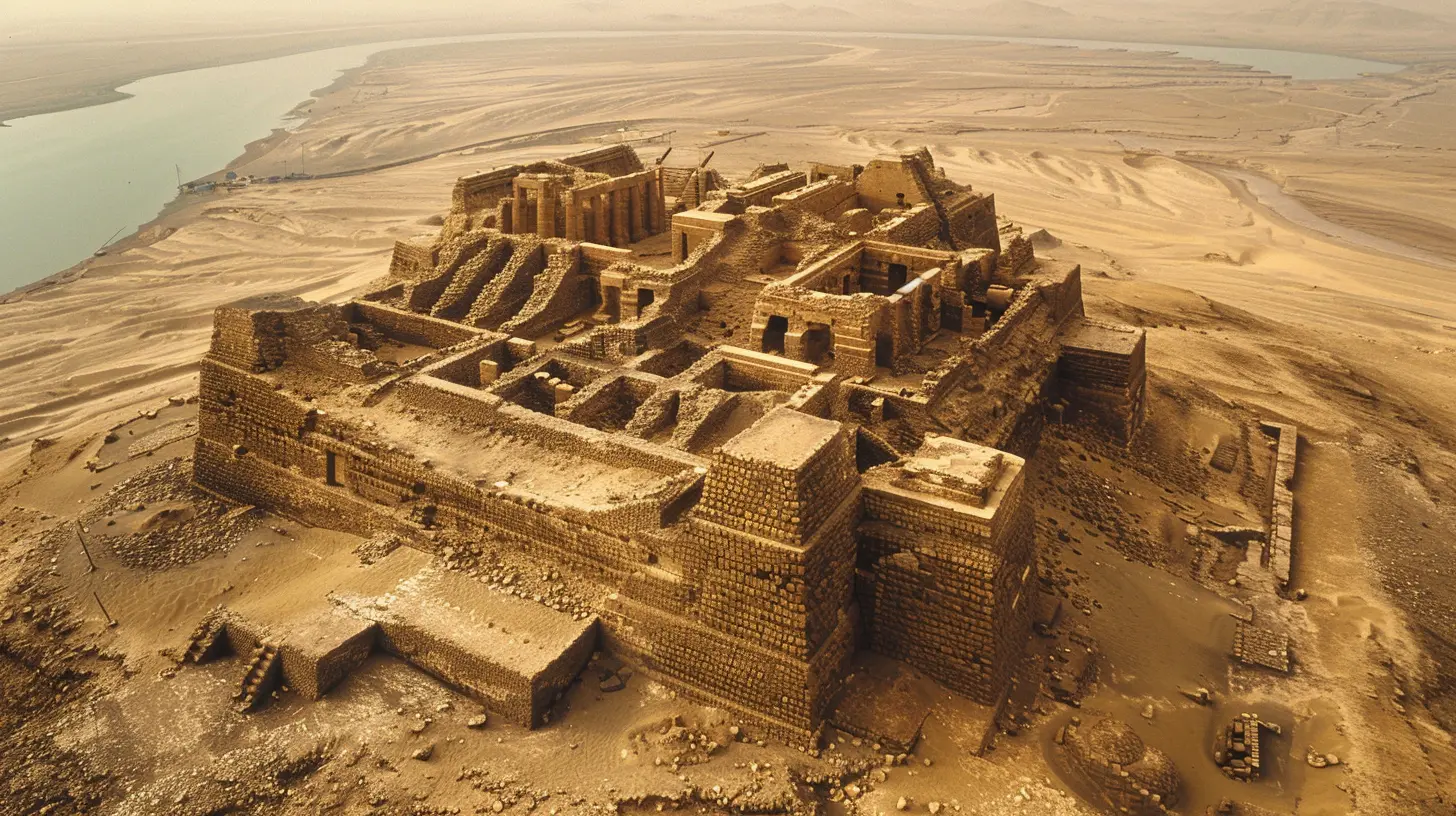
The Great Egyptian Civilization: Masters of the Sands
You can’t talk about desert civilizations without mentioning the Egyptians. Their vast empire stretched across the Sahara, centered around the life-giving Nile.Pyramids: The Timeless Giants
The Pyramids of Giza stand as some of the most iconic structures in human history. Built over 4,500 years ago, these massive tombs were constructed without modern machinery. How did they do it? Some believe thousands of skilled laborers, advanced engineering, and pure determination made it possible. Others whisper about alien involvement (let’s admit, it’s fun to think about).The Nile: The Lifeline of Egypt
Without the Nile River, Egypt as we know it wouldn’t exist. The river provided fertile land that allowed agriculture to flourish in an otherwise uninhabitable desert. The Egyptians mastered irrigation, created intricate writing systems, and built one of the most advanced civilizations of their time.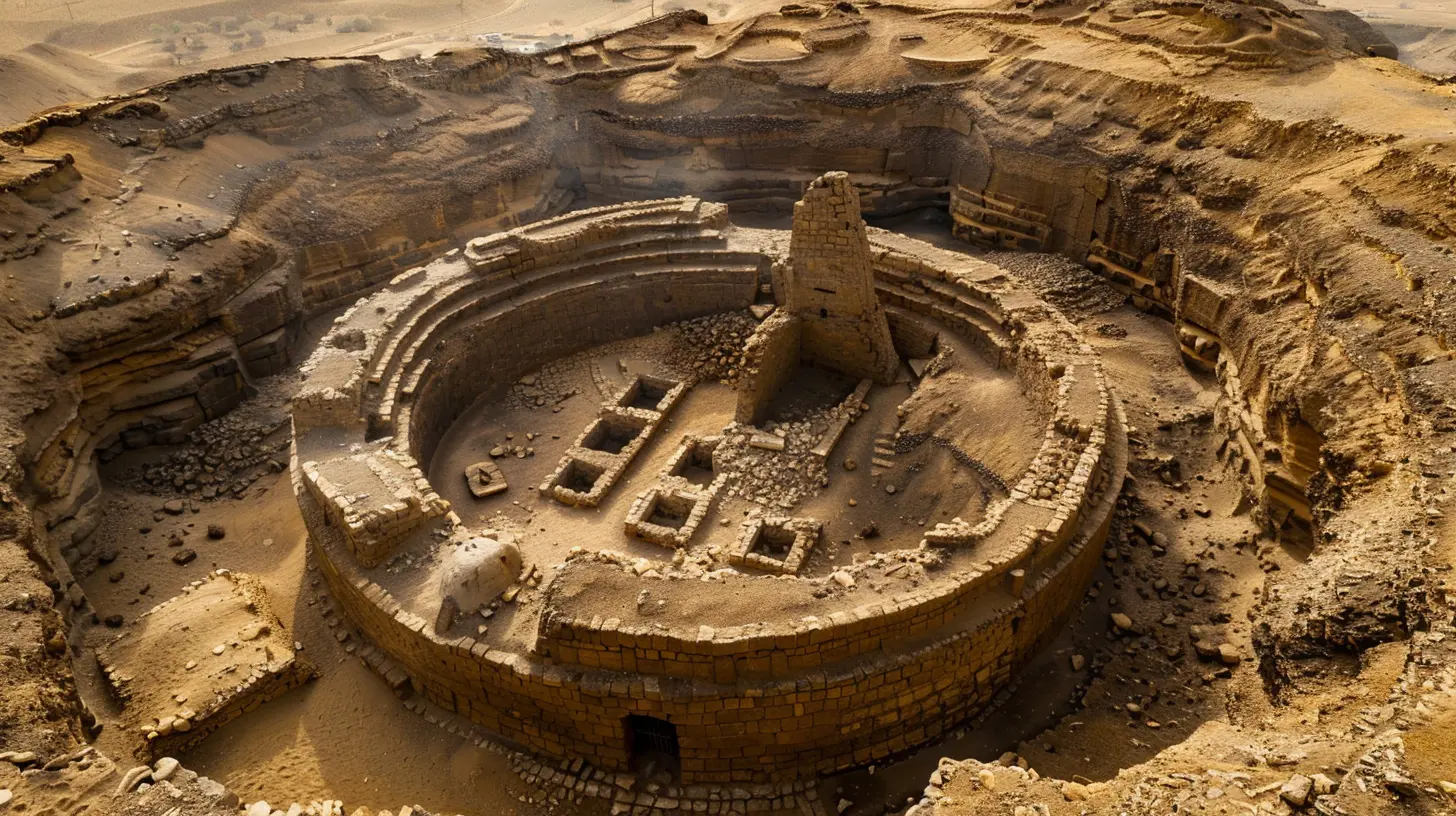
The Mysterious Nabateans: Architects of Petra
Ever heard of Petra? If not, imagine an entire city carved into rose-colored cliffs—that’s the masterpiece left behind by the Nabateans.Petra: The City of Stone
Nestled deep in the Jordanian desert, Petra was once a bustling trade hub. The Nabateans were masters of water management, engineering hidden reservoirs and intricate waterways to survive in an arid environment.The Trade Superpower
These desert dwellers weren’t just great architects—they were brilliant traders. They controlled key trade routes, dealing in spices, silk, and incense, making Petra one of the richest cities of its time.Yet, despite their success, the Nabateans mysteriously vanished. Was it an economic decline? Roman conquest? A slow and quiet migration? No one knows for sure, and that’s what makes Petra’s history so fascinating. 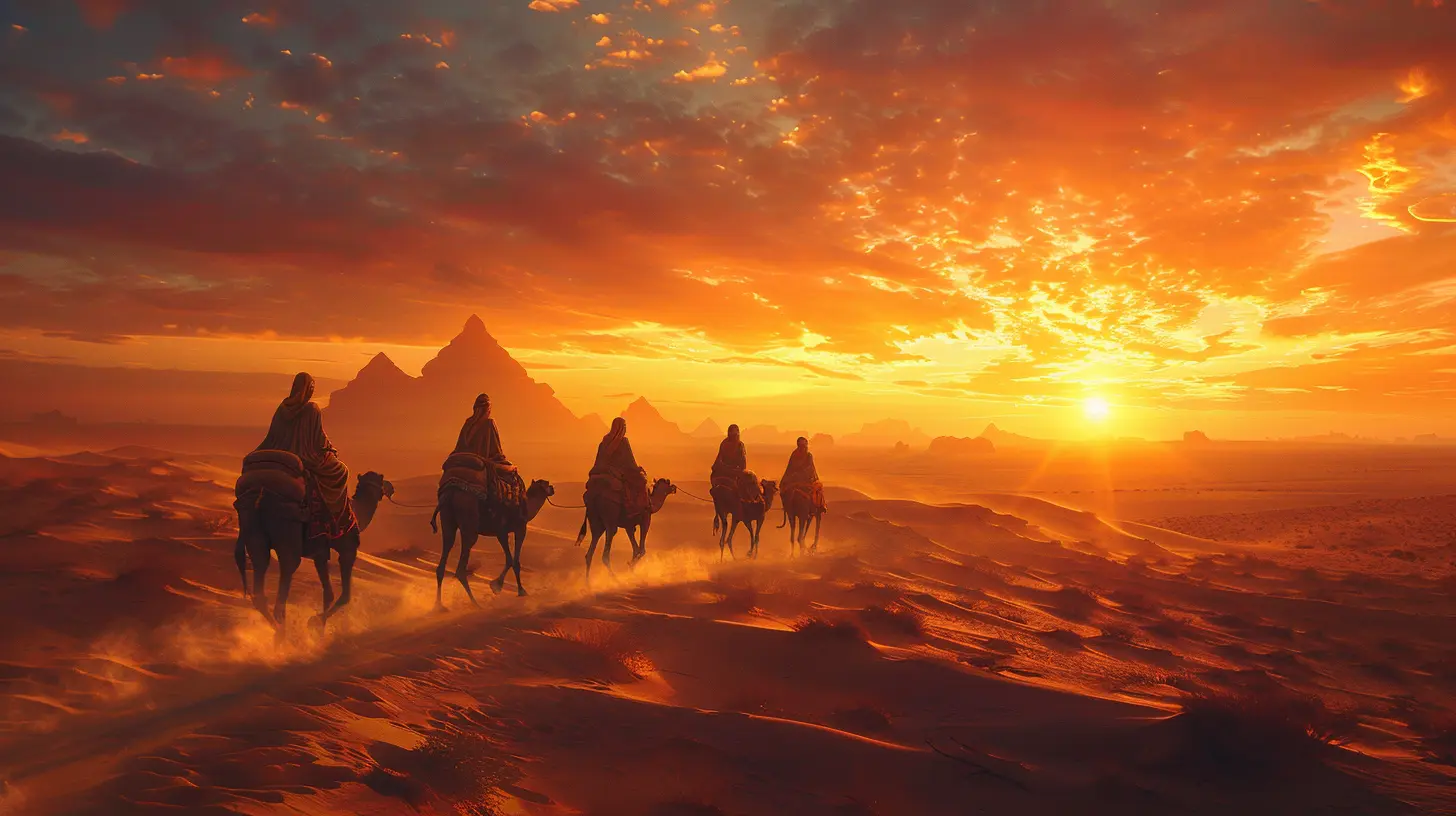
The Kingdom of Kush: Egypt’s Rivals in the Desert
While Egypt often steals the spotlight, the Kingdom of Kush was a force to be reckoned with. Located in what is now Sudan, this civilization thrived along the Nile, building pyramids that rivaled those of their northern neighbors.Meroë: The Nubian Capital
Kushite kings ruled from Meroë, a city famous for its distinct pyramids—sharper, smaller, and just as awe-inspiring as Egypt’s. The Kushites developed their own writing system and even conquered Egypt at one point, ruling as the 25th Dynasty.A Forgotten Empire
Despite their power and influence, the Kingdom of Kush slowly faded into history. Climate change, resource depletion, and external pressures may have contributed to their decline. But their legacy remains, etched in stone through their pyramids and temples.The Lost City of Ubar: Arabia’s Atlantis
The Arabian Desert holds its fair share of mysteries, but one of the most legendary is the lost city of Ubar. Known as the "Atlantis of the Sands," Ubar was once a thriving oasis, a key stop on the ancient incense trade routes.Myth or Reality?
For centuries, Ubar was thought to be nothing more than a legend. Some believed it was swallowed by the desert as punishment from the gods. But in the 1990s, satellite imagery led archaeologists to a buried fortress believed to be Ubar—a city lost beneath the dunes.A City Built on Wealth
Ubar’s prosperity came from its control over trade routes. But with wealth comes greed, and it’s said that the city’s excesses led to its downfall. Some believe a natural disaster, such as a sinkhole collapse, caused Ubar to vanish. Others think shifting sands simply buried the city over time.The Ancestral Puebloans: Desert Dwellers of North America
Deserts aren’t just found in Africa and the Middle East—North America has its own rich desert history. The Ancestral Puebloans, also known as the Anasazi, built incredible cliff dwellings in the American Southwest.Cliff Palace: A Hidden Fortress
One of their most famous sites, Cliff Palace in Mesa Verde, shows their ability to adapt to harsh desert conditions. These homes, carved into rock faces, provided protection from the elements and invaders.The Disappearance of the Ancestral Puebloans
By the late 1200s, the Ancestral Puebloans abandoned their cliff dwellings. Why? Theories range from prolonged droughts to resource depletion to social upheaval. Whatever the reason, their impressive structures remain, offering a glimpse into their fascinating past.What Can We Learn from These Civilizations?
So, what’s the takeaway? These ancient desert civilizations were masters of survival, adaptation, and innovation. They built thriving societies in places where modern humans would struggle to last a week.But their stories also serve as a warning. Many of them fell due to environmental changes, resource mismanagement, or outside invasions. In a way, their histories mirror challenges we face today—climate change, sustainability, and the delicate balance between nature and civilization.
The sands may have swallowed their cities, but their legacies remain, waiting to be unearthed.
Final Thoughts
The desert isn’t just a land of sand—it’s a time capsule, holding secrets of lost empires. From the towering pyramids of Egypt to the rock-carved city of Petra, these civilizations knew how to turn hardships into triumphs.Who knows what else is buried beneath the dunes, waiting for future explorers to find? Until then, all we can do is marvel at the remnants of these incredible societies and continue uncovering the lost history of the desert.
all images in this post were generated using AI tools
Category:
Desert AdventuresAuthor:

Pierre McKinney