Ancient Ruins Beneath the Sea: The Mysterious Yonaguni Monument
3 December 2025
The ocean holds many secrets, but few are as captivating as the Yonaguni Monument. Lying just off the coast of Japan’s Yonaguni Island, this underwater structure has puzzled researchers, divers, and historians for decades. Is it an ancient man-made city swallowed by the sea? Or is it simply a natural rock formation shaped by millennia of ocean currents?
Let’s dive deep (pun intended) into one of the world’s most intriguing underwater mysteries.
What is the Yonaguni Monument?
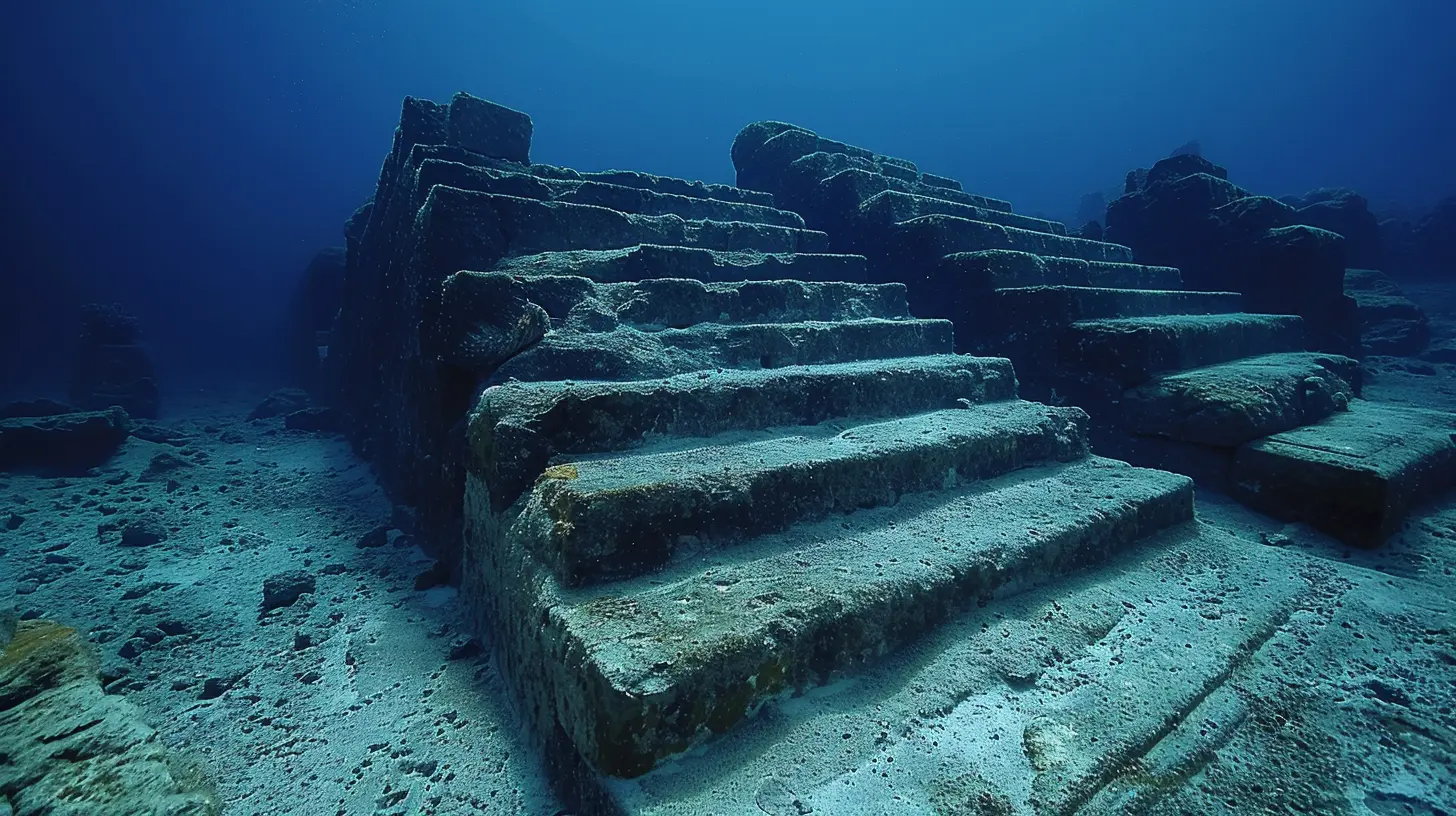
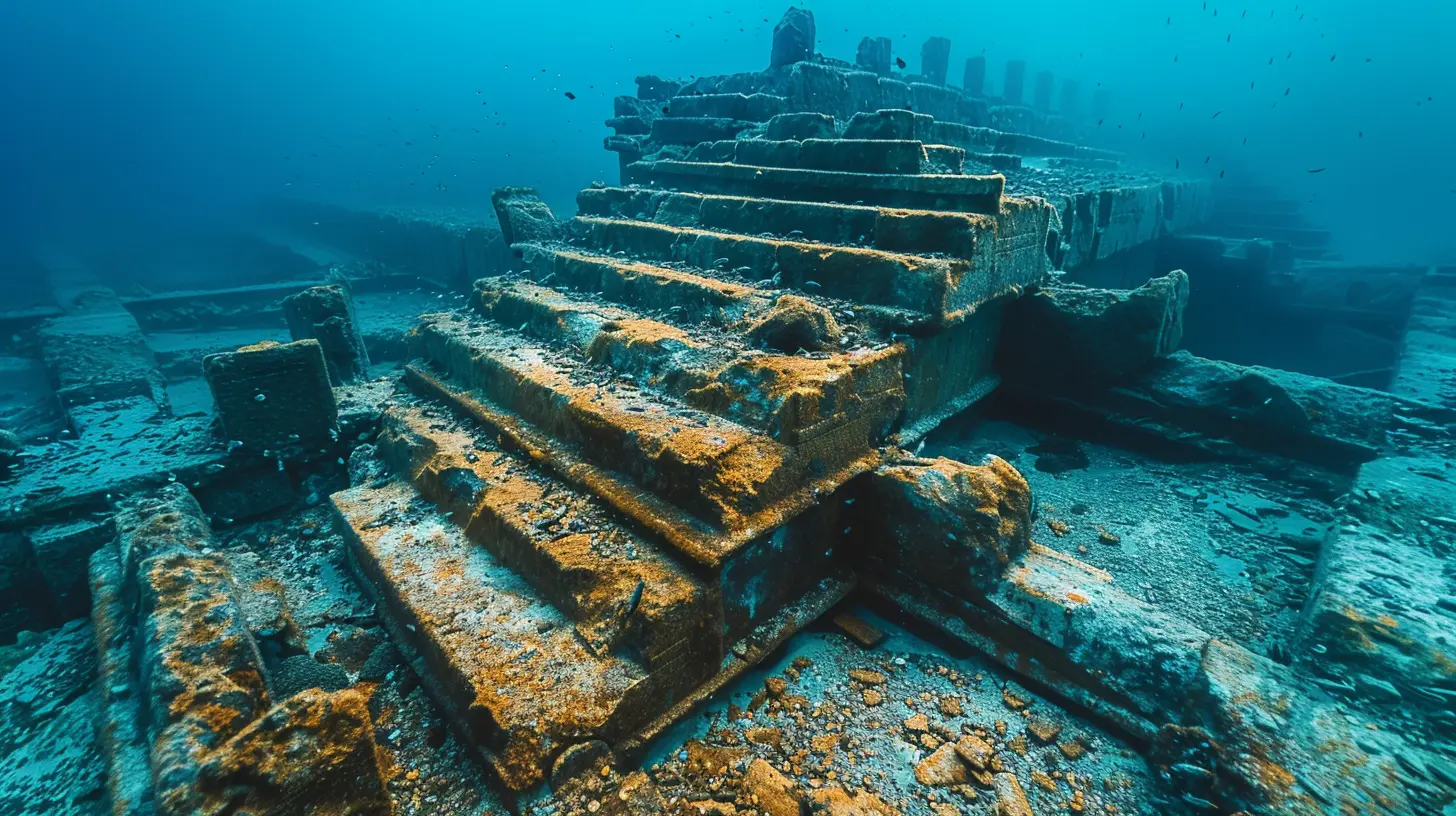
The Yonaguni Monument is an enormous underwater rock formation located off the coast of Yonaguni, one of the Ryukyu Islands in Japan. This massive structure, often referred to as "Japan’s Atlantis," sits around 25 meters (82 feet) below sea level.First discovered in 1986 by a local diver, the monument features large terraces, steps, and geometric patterns that resemble ancient ruins. The structure extends about 150 meters (492 feet) in length and rises to about 27 meters (89 feet) in height. Its sheer size and intricate patterns have fueled heated debates over its origins.
The Great Debate: Natural Formation or Man-Made?
The biggest question surrounding the Yonaguni Monument is whether it was constructed by an ancient civilization or if nature simply crafted this rocky marvel over time.The Case for a Man-Made Structure
Some researchers, including marine geologist Dr. Masaaki Kimura from the University of the Ryukyus, strongly believe the Yonaguni Monument is a human-made structure. His findings suggest that the site contains:- Right angles and straight edges – These features are rare in naturally weathered rock formations. Their presence hints at deliberate carving by human hands.
- Stair-like terraces – The monument has platforms that resemble staircases, giving it the look of a man-made complex.
- Possible carvings and symbols – Some divers claim to have seen markings that resemble carvings, which could be remnants of an ancient language.
- Resemblance to other ancient structures – The monument bears some similarities to ancient step pyramids and temple complexes found in other parts of the world.
Kimura suggests that this site could be the remains of a lost civilization dating back over 10,000 years, possibly connected to early Japanese cultures. If true, this could rewrite history as we know it.
The Case for a Natural Formation
On the other hand, many geologists argue that the Yonaguni Monument is a natural rock formation created through tectonic activity and ocean erosion. Here’s why:- Sandstone erosion – The area consists of sandstone, which fractures in a way that produces straight edges and geometric patterns.
- No direct evidence of human activity – While divers have reported seeing possible carvings, there's no definitive proof of tools or inscriptions that undeniably indicate human involvement.
- Tectonic forces at play – Yonaguni sits in a seismically active region, meaning earthquakes and shifting plates could have contributed to its unique appearance.
Could Both Theories Be True?
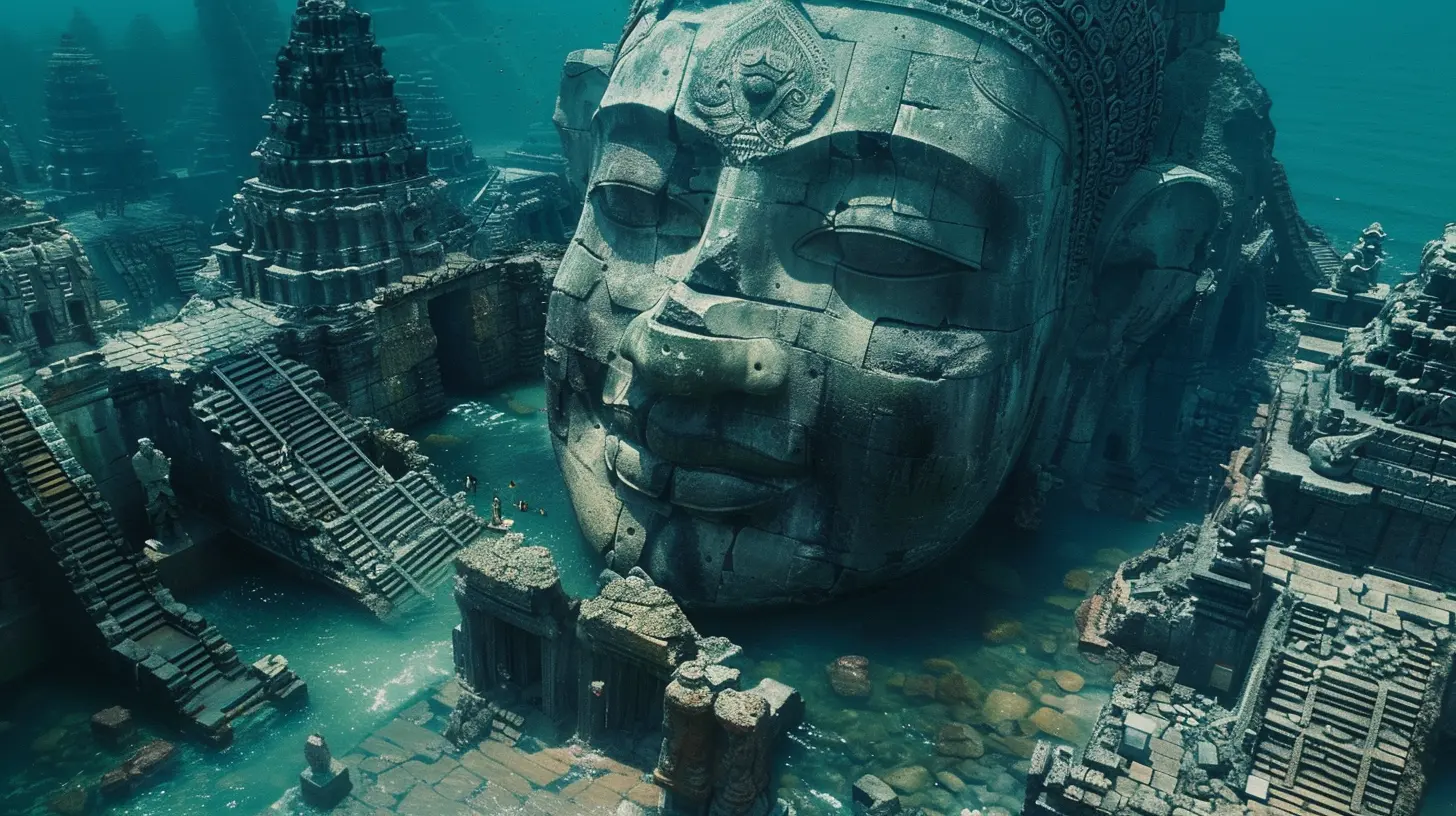
What if both arguments hold some truth? It’s possible that the monument is a natural formation that was later modified by an ancient civilization. Throughout history, many cultures have repurposed natural landscapes for their own use—think of Petra in Jordan or Machu Picchu in Peru.Perhaps an early society saw the potential in the naturally stepped formations and carved additional features, creating what we see today.
Yonaguni and the Lost Civilization Theory
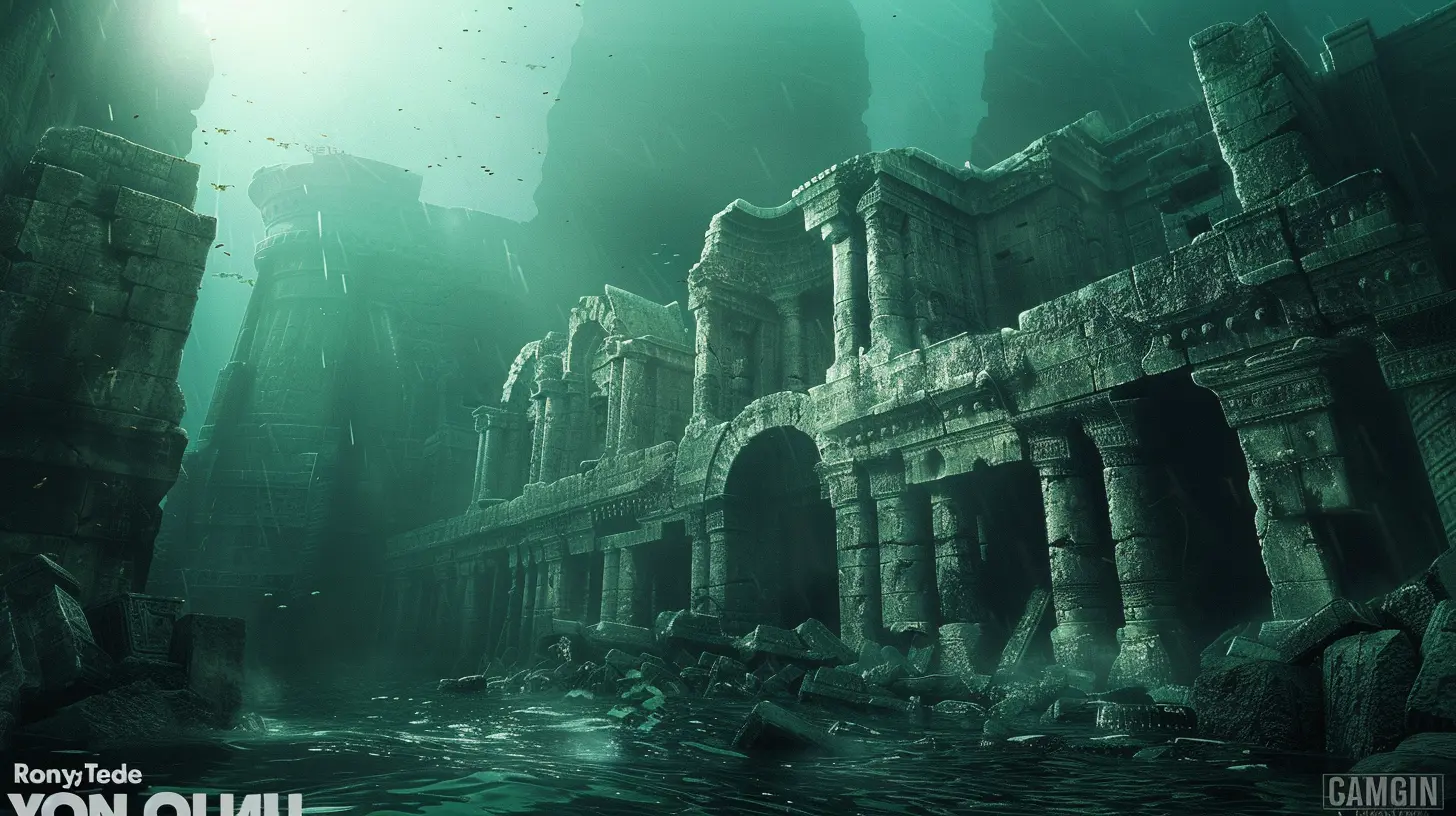
If the Yonaguni Monument is indeed man-made, then who built it? Some researchers suggest it could be linked to the lost civilization of Mu, a mythical ancient society thought to have existed in the Pacific Ocean, much like Atlantis.Stories of Mu suggest an advanced civilization that mysteriously vanished, possibly due to a massive flood or natural disaster. If Yonaguni was once a city on dry land before sea levels rose around 10,000 years ago, could it be a remnant of this lost world?
While there’s no concrete proof of Mu’s existence, the idea adds an extra layer of intrigue to the mystery.
Diving into the Depths: Visiting The Yonaguni Monument
For adventurous souls, the Yonaguni Monument offers one of the most thrilling dive experiences in the world. However, it’s not for beginners! The waters surrounding the monument are known for their strong currents, requiring advanced diving skills.What You’ll See Underwater
When you dive down to the monument, you’ll witness massive stone structures with sharp edges, stair-like terraces, and what appear to be passageways. Some divers have even described it as feeling like they’re swimming through an ancient submerged city.But the underwater spectacle doesn't stop there! Yonaguni is also famous for its hammerhead shark migration. Divers visiting between November and May might find themselves surrounded by schools of these majestic creatures. It’s a breathtaking (and slightly nerve-wracking) experience!
Best Time to Visit
- October to May – Best visibility and higher chances of spotting hammerhead sharks.- June to September – Calmer waters, but slightly reduced visibility.
Getting There
Yonaguni is a remote island, but you can reach it via:- A flight from Naha (the capital of Okinawa) to Yonaguni Airport.
- A ferry ride from Ishigaki Island, though it’s not a daily service.
Once on the island, local dive shops offer guided dives to the monument. It’s highly recommended to go with an experienced guide due to the unpredictable currents.
Why Yonaguni Matters
Beyond the mystery and awe-inspiring scenery, the Yonaguni Monument serves as a reminder of how much we still don’t know about our own history. Whether it’s a naturally sculpted wonder or the ruins of an ancient civilization, it ignites curiosity and fuels exploration.If it is man-made, then it challenges the mainstream historical timeline, proving that complex societies existed far earlier than previously believed. If it’s natural, then it showcases the sheer power of geological forces in shaping landscapes that mimic human architecture.
Final Thoughts
The Yonaguni Monument remains one of the greatest underwater enigmas of our time. Whether you believe it’s an ancient lost city or a mesmerizing creation of nature, one thing’s for sure—it’s an unforgettable sight that captures the imagination of all who visit.So, what do you think? Man-made city or Mother Nature’s masterpiece? Either way, the answer lies beneath the waves, waiting for the next generation of explorers to uncover the truth.
all images in this post were generated using AI tools
Category:
Ancient RuinsAuthor:

Pierre McKinney
Discussion
rate this article
2 comments
Vireo Chapman
What an intriguing exploration of the Yonaguni Monument! The blend of mystery and history beneath the waves is truly captivating.
December 6, 2025 at 3:40 AM
Pierre McKinney
Thank you! I'm glad you found the exploration of the Yonaguni Monument captivating. Its mysteries continue to spark curiosity and debate!
Francesca Ortiz
“Exploring the Yonaguni Monument feels like diving into a real-life mystery! The blend of ancient history and underwater adventure is simply captivating. It’s a reminder of how much of our world is still waiting to be discovered. Can’t wait to visit someday!”
December 5, 2025 at 3:59 AM
Pierre McKinney
Thank you for your enthusiasm! The Yonaguni Monument truly is a fascinating blend of history and adventure waiting to be explored. Hope you get to experience it soon!