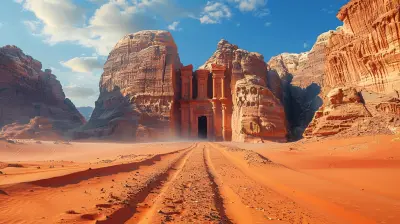
Chichén Itzá: A Glimpse into the Mayan Civilization
24 January 2026
Imagine stepping back in time to a world where towering pyramids, intricate carvings, and ancient temples tell stories of a once-thriving civilization. Chichén Itzá, one of the New Seven Wonders of the World, offers just that—a fascinating peek into the heart of the Mayan Empire.
This UNESCO World Heritage Site, nestled in Mexico's Yucatán Peninsula, isn't just a collection of ruins; it's a living testament to the Mayans' brilliance in architecture, astronomy, and culture. Whether you're a history buff, a travel enthusiast, or someone craving adventure, Chichén Itzá has something remarkable in store.
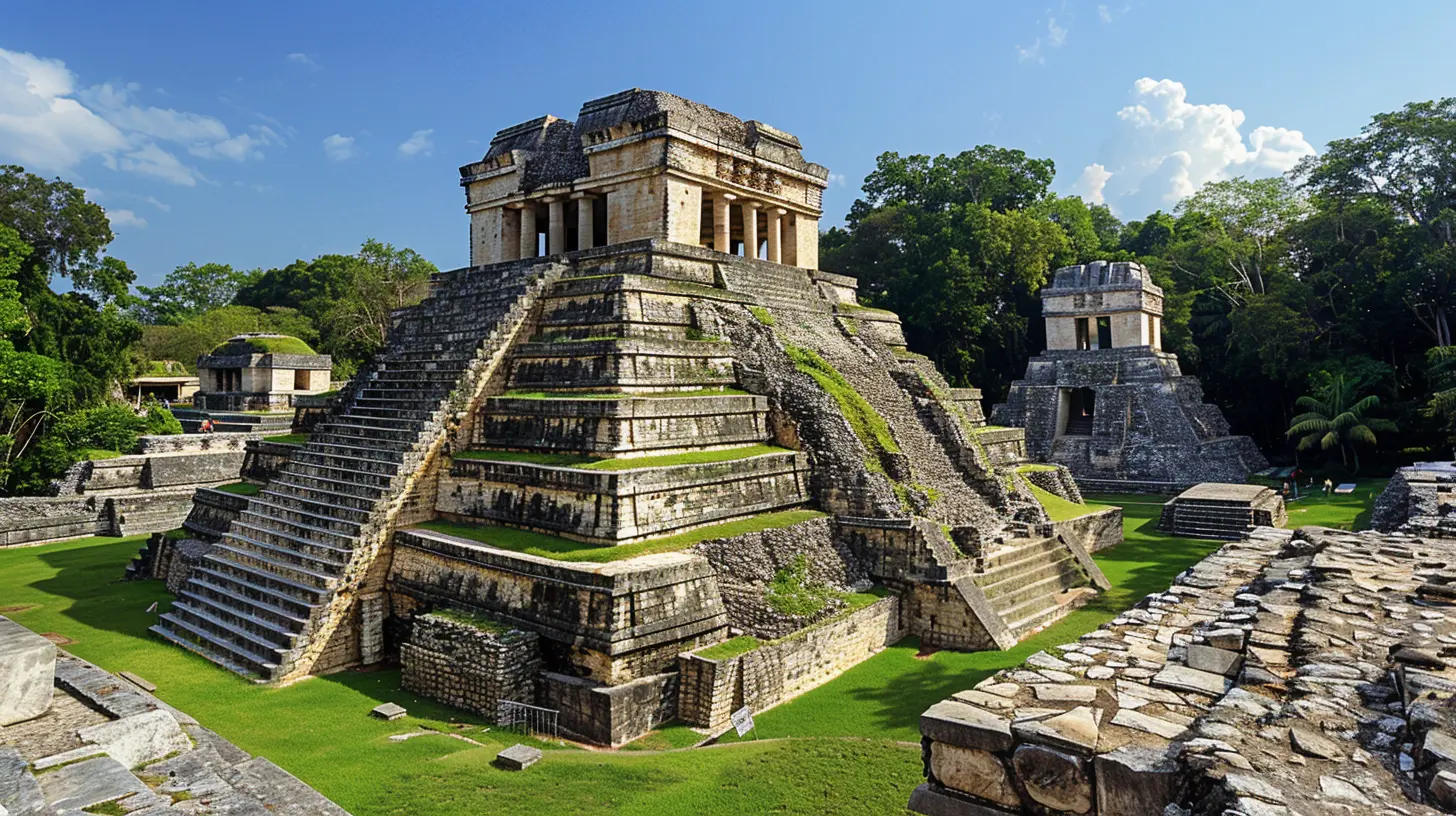
The History Behind Chichén Itzá
Chichén Itzá, meaning "at the mouth of the well of the Itzá," was a major hub of Mayan civilization between the 7th and 10th centuries. The city flourished as a cultural, political, and economic powerhouse, blending influences from various Mesoamerican cultures over time.The site’s architecture reflects a mix of Mayan and Toltec styles, suggesting that it was once conquered or significantly influenced by the Toltecs from central Mexico. This fusion of cultures resulted in some of the most iconic structures in Latin America.
Around the 13th century, Chichén Itzá began to decline, possibly due to drought, conflict, or shifting trade routes. Eventually, the city was abandoned, left for nature to reclaim until archaeologists unveiled its grandeur centuries later.
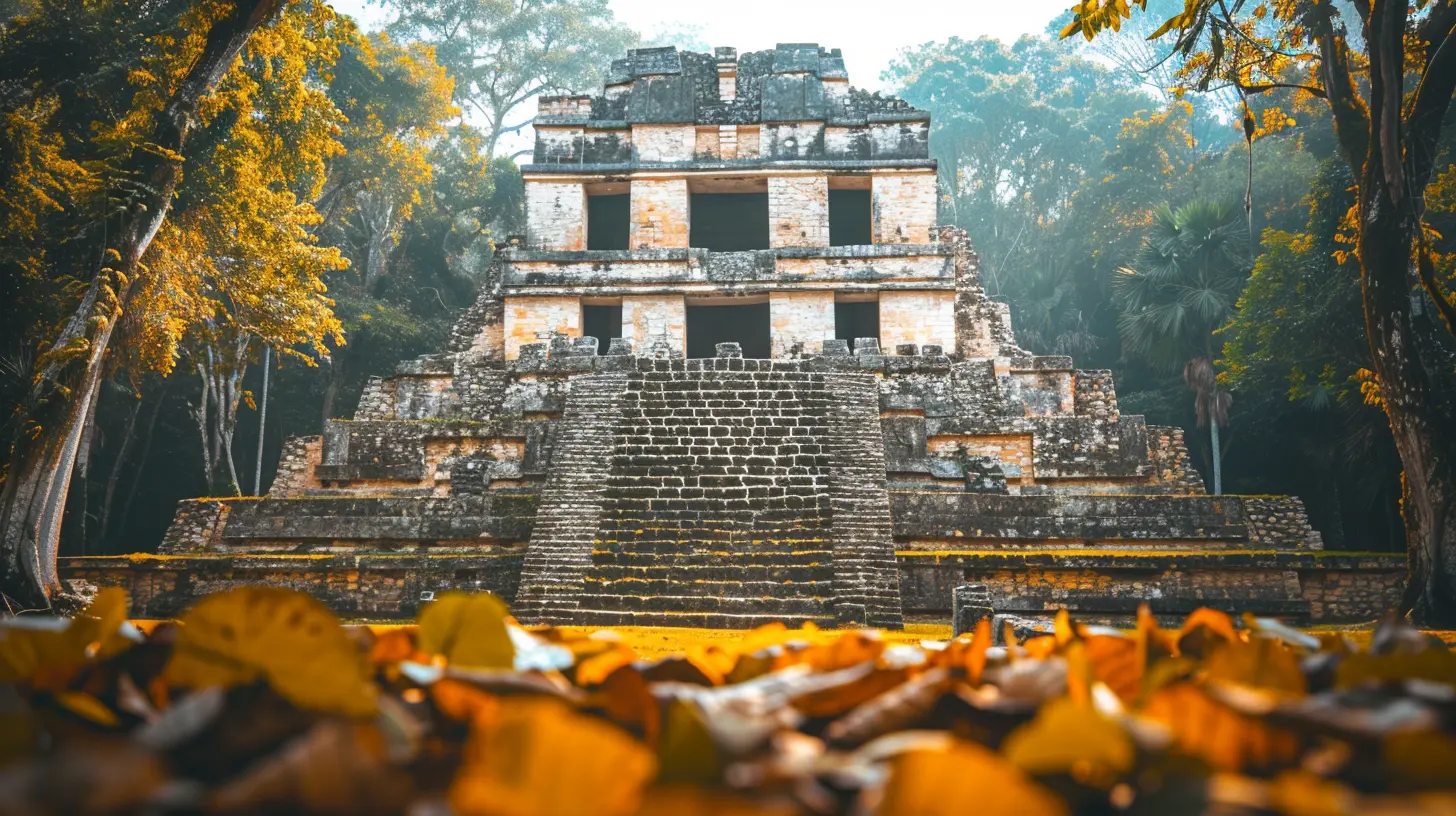
The Iconic El Castillo: The Pyramid of Kukulcán
No visit to Chichén Itzá is complete without marveling at El Castillo, also known as the Temple of Kukulcán. This massive step-pyramid stands at about 30 meters (98 feet) tall and has a deep connection to Mayan astronomy.Each of the pyramid’s four sides has 91 steps, adding up to 364, with the top platform making 365—mirroring the number of days in a solar year. But the real magic happens during the spring and autumn equinoxes when the setting sun casts a shadow resembling a serpent slithering down the pyramid’s steps. This phenomenon is believed to symbolize the descent of Kukulcán, the feathered serpent god.
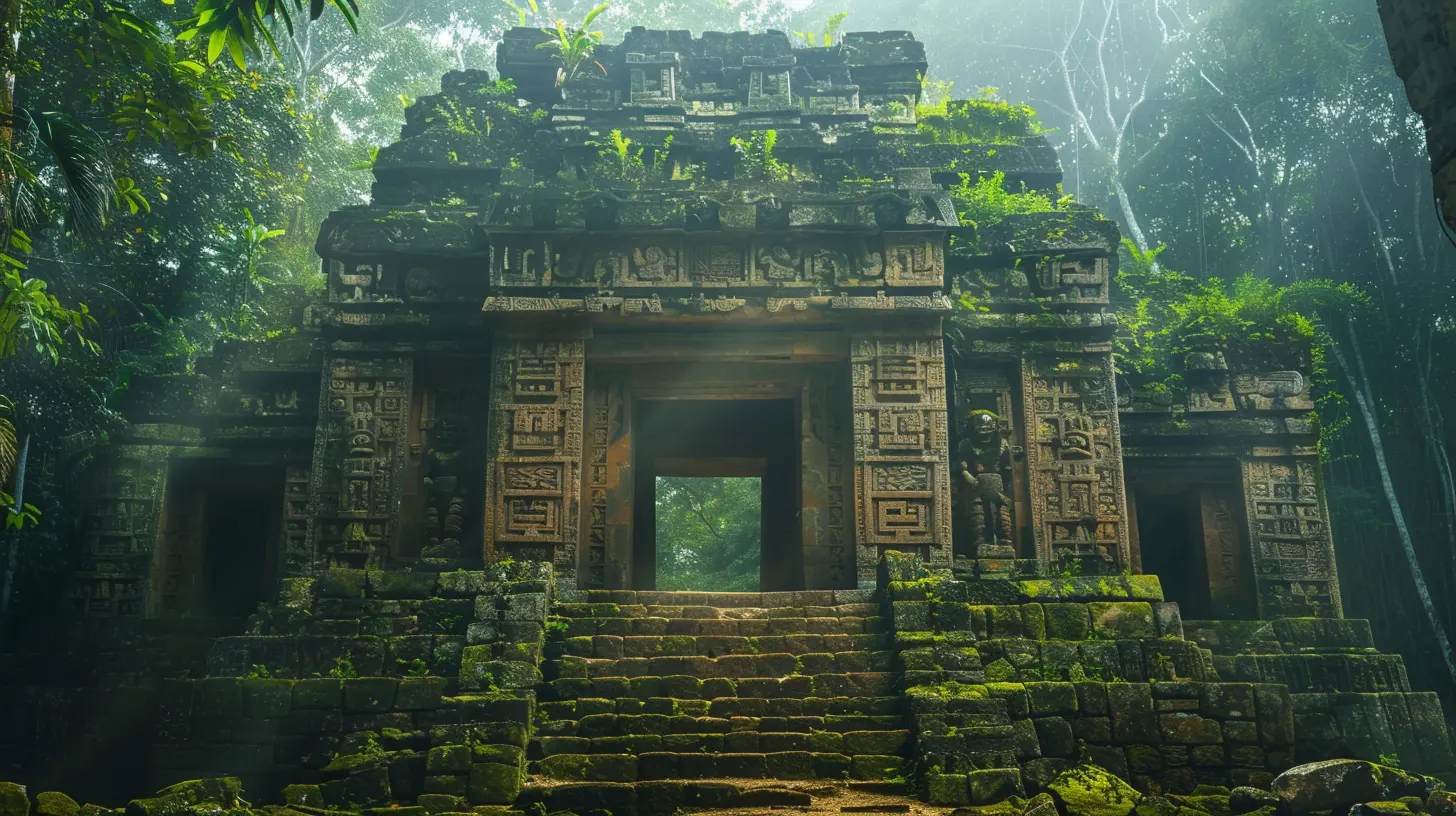
The Great Ball Court: A Deadly Game
Just a short walk from El Castillo lies the Great Ball Court, the largest ancient ball court in the Americas. Measuring 168 meters (551 feet) in length, this massive structure hosted a high-stakes ritual game where players used only their hips, elbows, or knees to keep a rubber ball in play.But this wasn't just a game—it had deep religious significance. Some historians believe that the winning team’s captain (or sometimes the losing one) was sacrificed as an offering to the gods. The idea might seem brutal today, but to the Mayans, it was an honor to be chosen for such a destiny.
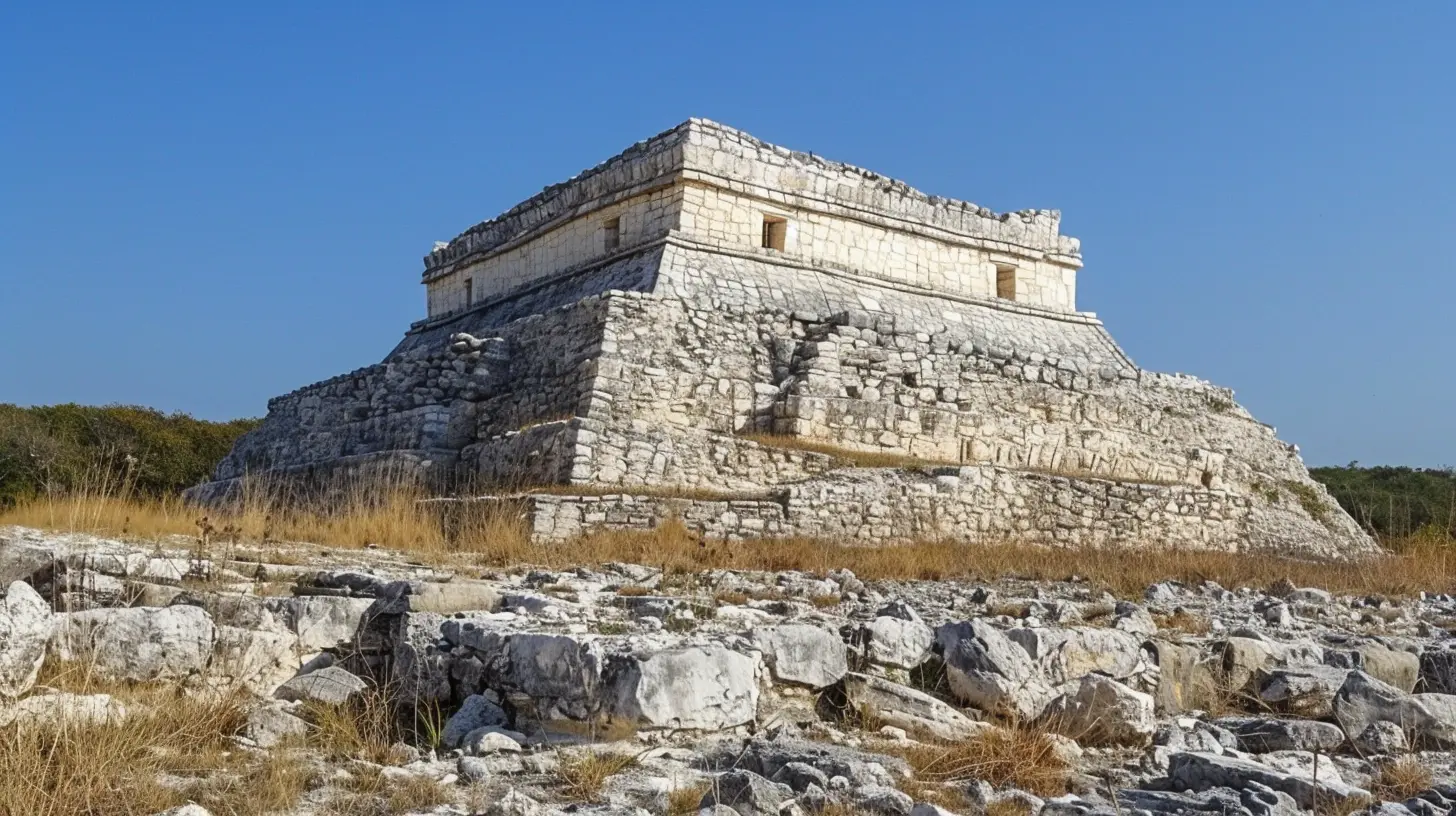
The Sacred Cenote: A Gateway to the Gods
One of the reasons Chichén Itzá thrived was its proximity to cenotes—natural sinkholes that provided fresh water in an otherwise arid region. The Sacred Cenote, located near the city, was more than just a water source; it was an important site for religious ceremonies.Archaeologists have uncovered offerings of gold, pottery, and even human remains at the bottom of this cenote, suggesting that rituals, including human sacrifices, were performed to appease the gods—particularly Chaac, the Mayan rain deity.
The Temple of the Warriors and the Thousand Columns
Another awe-inspiring structure in Chichén Itzá is the Temple of the Warriors. Flanked by hundreds of intricately carved columns, this temple paints a vivid picture of the city's past military prowess and religious devotion.The temple itself features a reclining Chac Mool statue at its summit—a figure that likely received offerings or held the hearts of sacrificed individuals. The surrounding colonnade, often called the "Thousand Columns," may have once supported a vast roof, creating a grand, shaded complex for Mayan ceremonies.
El Caracol: The Mayan Observatory
Imagine ancient astronomers gazing at the night sky, making precise calculations without modern technology. That’s exactly what the Mayans did at El Caracol, a circular observatory that stands as proof of their advanced understanding of the cosmos.The structure was carefully aligned to track celestial events, including the movements of Venus—an important planet in Mayan mythology. Using small, precisely placed windows, Mayan priests could predict solstices, eclipses, and planetary cycles. Their astronomical knowledge influenced everything from farming to religious ceremonies.
The Decline and Rediscovery of Chichén Itzá
Despite its undeniable greatness, Chichén Itzá's power eventually waned. Climate change, warfare, and economic shifts may have all contributed to its downfall. By the time Spanish conquerors arrived in the 16th century, the once-thriving city had already been abandoned for centuries.However, it never truly faded from history. Local communities preserved stories of its grandeur, and by the 19th century, explorers and archaeologists began uncovering its secrets. Today, Chichén Itzá stands as one of the most visited archaeological sites in the world, attracting over 2.5 million tourists annually.
Visiting Chichén Itzá Today
So, you're thinking of visiting Chichén Itzá? Great choice! Here are some helpful tips:- Arrive early: The site opens at 8 AM, and it's best to beat the crowds and the heat.
- Wear comfortable shoes: You'll be walking a lot, so sturdy footwear is a must.
- Bring water and sunscreen: The Yucatán sun can be unforgiving. Stay hydrated and protected.
- Hire a guide: While wandering on your own is fascinating, a knowledgeable guide can bring the ruins to life with incredible stories and historical insights.
- Attend the night show: Chichén Itzá hosts an impressive light and sound show that recreates Mayan history with colorful projections on El Castillo. It’s a magical way to end your visit.
Conclusion
Chichén Itzá isn't just a tourist destination—it's a journey through time. Every stone, temple, and carving tells a story of a civilization that was incredibly advanced, deeply spiritual, and shrouded in mystery.Whether you're gazing at the impressive El Castillo, standing in the eerie silence of the Great Ball Court, or imagining Mayan priests charting the stars at El Caracol, one thing is certain—Chichén Itzá will leave you awe-struck.
If you're ever in Mexico, make the trip. You won't just see history—you'll feel it.
all images in this post were generated using AI tools
Category:
Ancient RuinsAuthor:

Pierre McKinney
Discussion
rate this article
2 comments
Shelby Black
Stunning ruins showcasing Mayan brilliance!
February 23, 2026 at 4:02 AM
Pierre McKinney
Thank you! The ruins truly reflect the incredible achievements of the Mayan civilization.
Olive Henson
Because who doesn't love ancient ruins in the sun?
January 27, 2026 at 3:21 AM
Pierre McKinney
Absolutely! Ancient ruins like Chichén Itzá offer a unique glimpse into the rich history and culture of the Mayans, all under the beautiful sun.