Cooking with the Locals: How to Make Authentic Thai Dishes
2 December 2025
Thailand is a dream destination for food lovers. The vibrant markets, the intoxicating aromas, and the bold flavors make Thai cuisine one of the most exciting in the world. But what if I told you that you don’t have to settle for just eating Thai food at restaurants? Imagine rolling up your sleeves, stepping into a local Thai kitchen, and cooking authentic dishes alongside the locals. Sounds amazing, right?
In this guide, we’ll dive into the art of cooking authentic Thai food with locals—because there’s no better way to experience a culture than through its food. 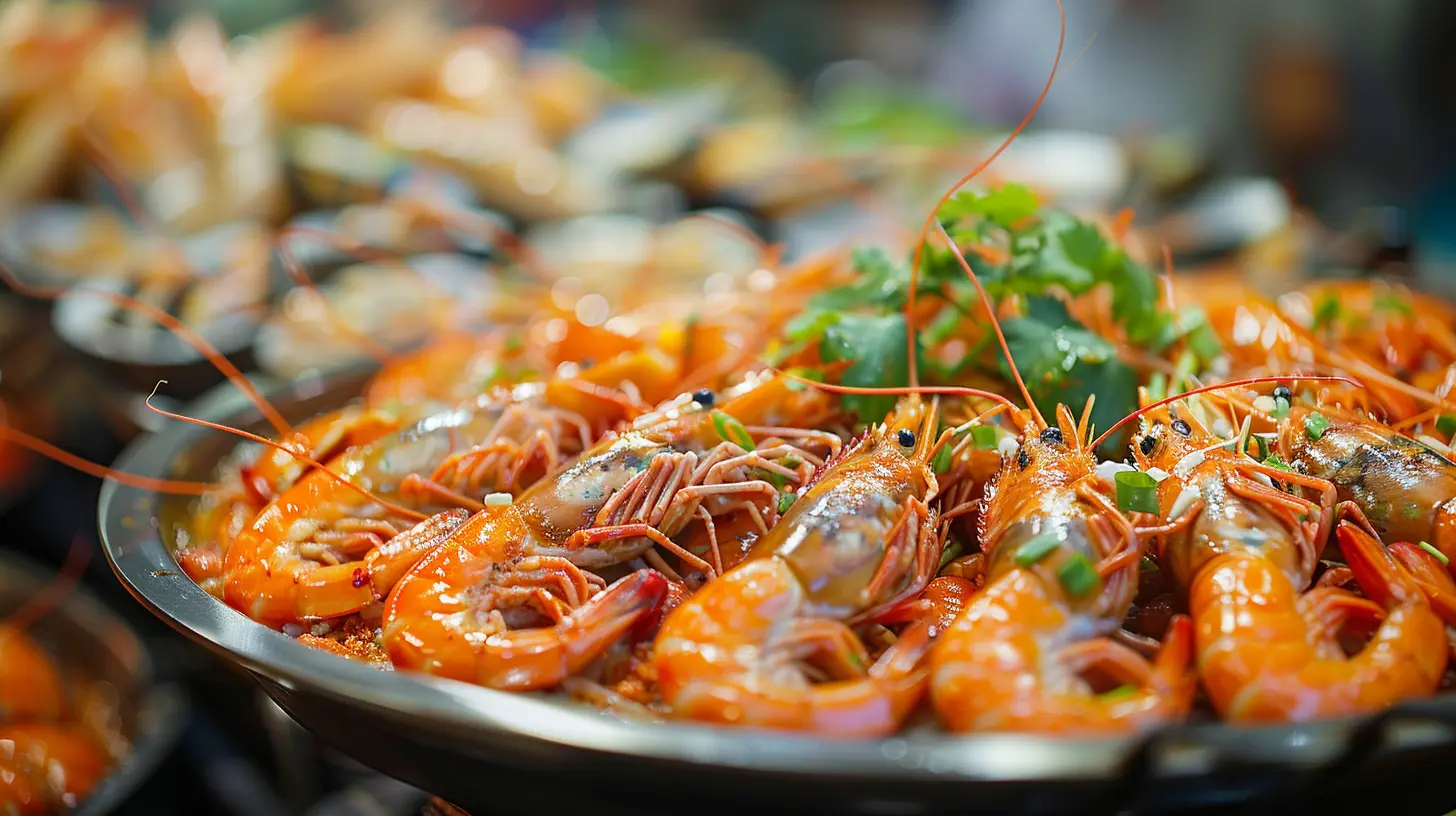
Why Cook with Locals Instead of Taking a Regular Cooking Class?
Sure, you could sign up for a fancy cooking class in an air-conditioned kitchen with a chef who has probably taught the same recipes a thousand times. But cooking with locals is different.1. You Learn the REAL Way to Cook Thai Food
Most restaurant-style classes tweak recipes to make them "foreigner-friendly." When you cook in a Thai home or with a street food vendor, you'll see how they actually cook for their families. From the type of fish sauce they swear by to the mortar and pestle technique, you’re getting an authentic experience.2. It’s More Personal and Immersive
Cooking with locals isn't just about following a recipe—it’s about conversations, shared laughter, and exchanging stories. You’ll hear about their grandmother’s secret ingredient or why they always make som tam (papaya salad) a certain way.3. You Visit Local Markets, Not Just Supermarkets
Before you even start cooking, many local hosts will take you to the market. This is where the magic happens. Fresh lemongrass, bird’s eye chilies, coconut milk straight from the coconut—this is the real deal. And yes, you might see (or even taste) some things you never expected!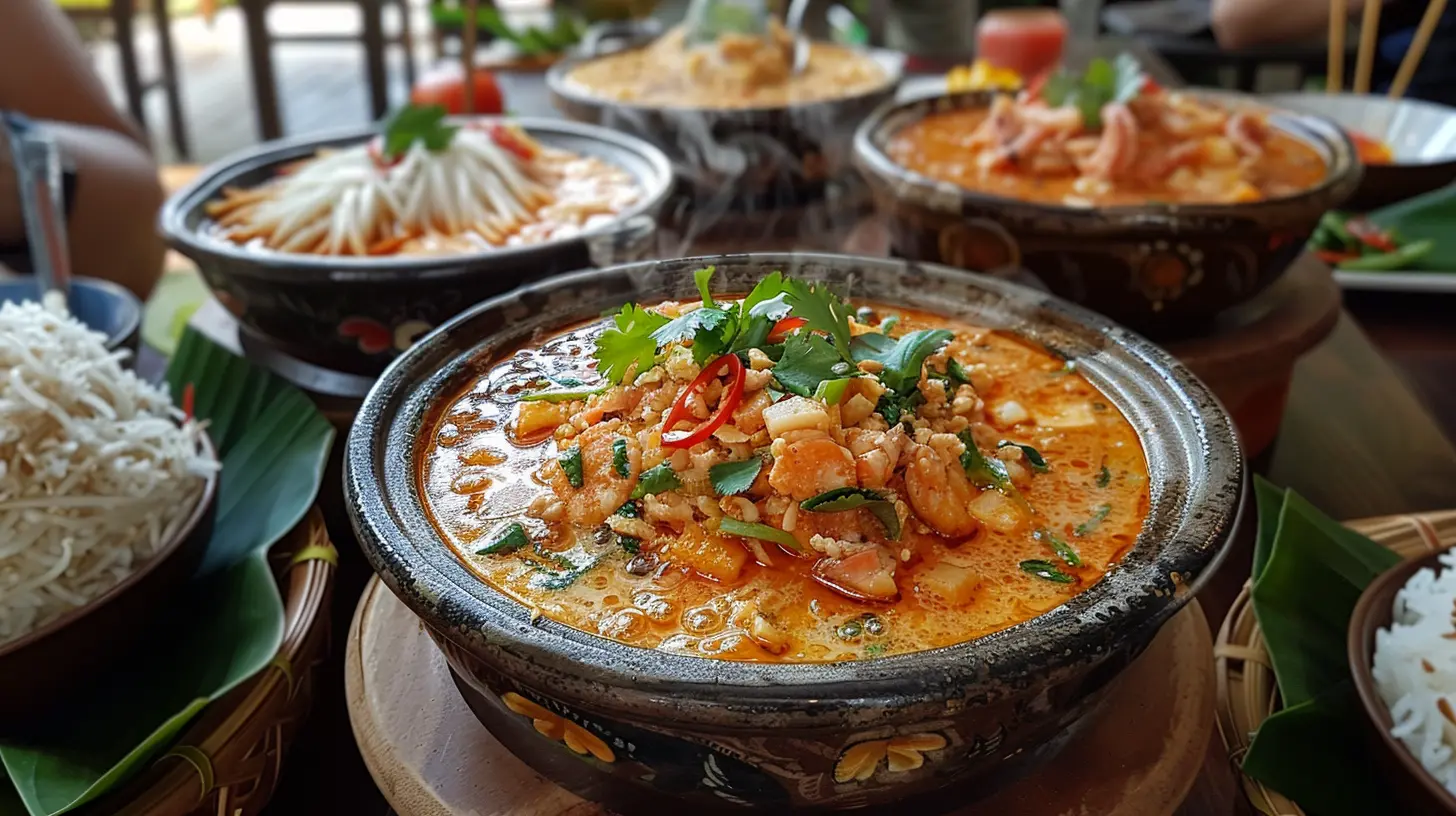
Essential Thai Ingredients You Must Know
Before we jump into cooking, let’s talk ingredients. Thai food is all about balance—sweet, sour, salty, spicy, and umami. To get that perfect harmony, here are the key ingredients you’ll find in every Thai kitchen:- Fish Sauce – The backbone of Thai cooking. It's salty, funky, and absolutely essential.
- Lime Leaves & Lemongrass – These give Thai dishes their signature citrusy aroma.
- Palm Sugar – Adds a natural sweetness that white sugar just can’t match.
- Tamarind Paste – The secret behind the tangy taste in Pad Thai and some curries.
- Chilies (Prik Kee Noo) – Tiny but mighty! These little devils pack serious heat.
- Coconut Milk – Used in curries, soups, and even desserts. It’s creamy, slightly sweet, and delicious.
- Shrimp Paste – An umami bomb that’s used in curries and chili pastes.
If you want authentic flavors, you need authentic ingredients. Simple as that. 
Authentic Thai Dishes You Must Cook with Locals
Now, let’s talk about the good stuff—what you should cook when you get the chance to learn from a local.1. Pad Kra Pao (Thai Basil Stir-Fry)
This dish is the ultimate Thai comfort food. Made with minced pork (or chicken), fresh holy basil, garlic, and chilies, it’s quick, easy, and insanely flavorful. The locals will show you how to pound the garlic and chilies together for that fiery kick and why a runny fried egg on top makes it perfect.2. Tom Yum Goong (Spicy Shrimp Soup)
This hot and sour soup is a Thai classic. Locals will teach you how to balance lemongrass, lime leaves, galangal, and chili paste to get that mouthwatering flavor. Pro tip: The shrimp heads add an extra depth of flavor—don’t skip them!3. Green Curry (Gaeng Keow Wan)
Unlike the mild curries you might be used to, real Thai green curry is bold. You’ll learn to pound green chilies, kaffir lime leaves, and shrimp paste into a rich curry paste. Locals will also show you how to adjust the spice level because, let’s be honest, Thai people like it hot.4. Som Tam (Green Papaya Salad)
Fresh, crunchy, and perfectly balanced in flavor, som tam is a must. The locals will teach you the art of pounding—smashing shredded green papaya with lime, fish sauce, palm sugar, and chilies in a wooden mortar and pestle. The result? The most refreshing salad you've ever had.5. Mango Sticky Rice (Khao Niew Mamuang)
Dessert lovers, rejoice! This dish is a simple yet divine combination of sticky rice, ripe mango, and sweet coconut milk. Locals will show you how to steam the rice to perfection and make that creamy coconut syrup that ties everything together.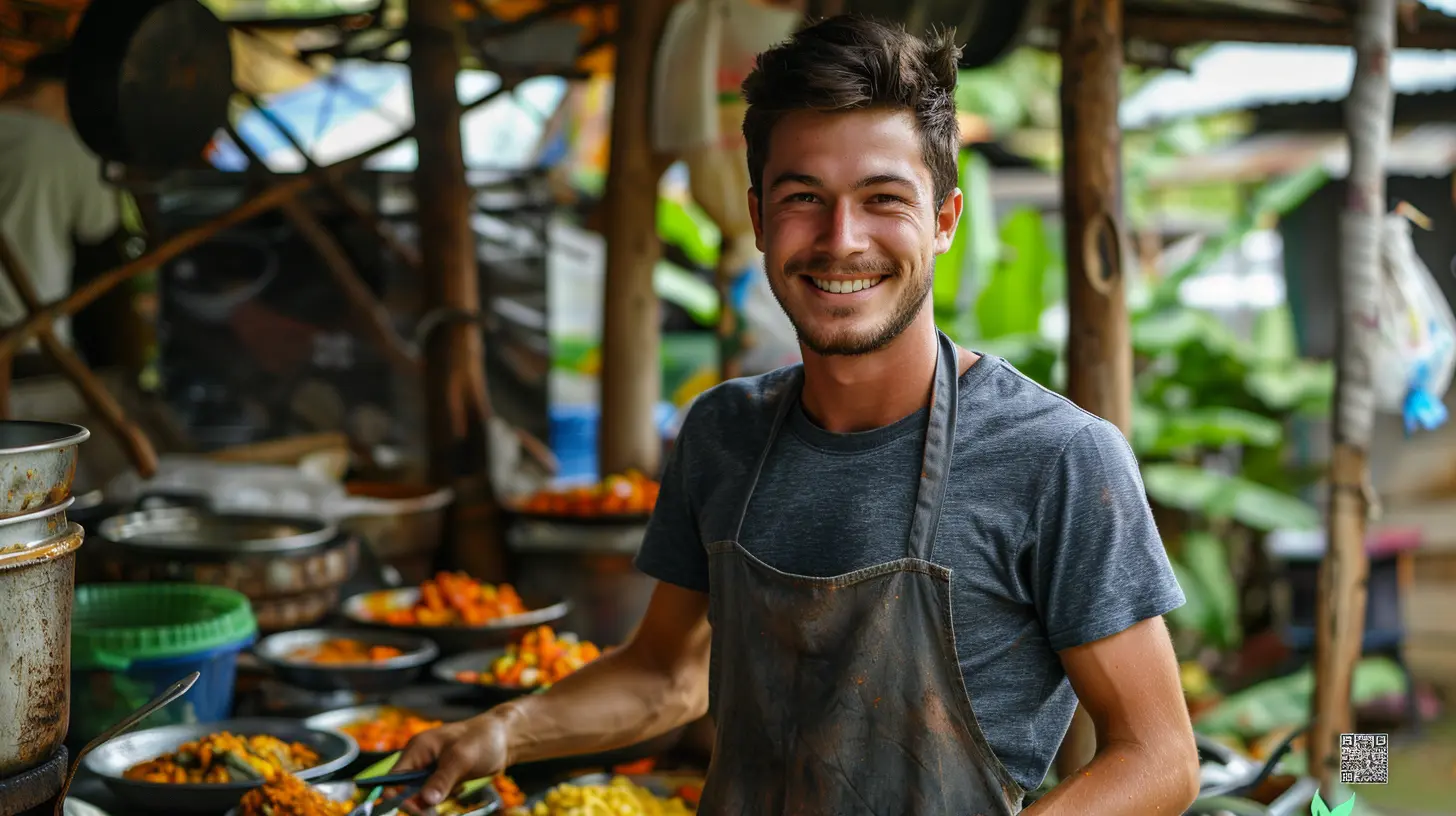
Tips for Cooking Thai Food Like a Local
Even if you don’t have access to a Thai kitchen, you can still cook like a local. Here’s how:1. Invest in a Mortar and Pestle
Sure, you can blend your curry paste, but pounding the ingredients releases oils and aromas in a way that a blender just can’t.2. Don’t Be Afraid of Fish Sauce
Yes, it smells strong, but it’s essential for that umami taste. Start with a little and adjust as needed.3. Always Taste As You Go
Thai food is all about balance. Adjust sweetness, saltiness, and acidity until you hit that perfect spot.4. Use Fresh Ingredients
Dried lemongrass or bottled lime juice? Nope. Fresh is always better.5. Eat with a Spoon and Fork (Not Chopsticks!)
Surprised? Most Thai dishes are eaten with a spoon and fork, not chopsticks. The fork helps push food onto the spoon, which is the main utensil.Where to Find Locals to Cook With
So, how do you actually find locals willing to cook with you? Don’t worry—there are plenty of ways:- Airbnb Experiences – Many locals offer cooking experiences in their homes.
- Community Homestays – Staying with a Thai family? Ask if they can teach you!
- Local Markets – Strike up a conversation with vendors—you never know, they might invite you to cook.
- Facebook Groups & Forums – Travel groups often have locals eager to share their food culture.
Final Thoughts
Cooking with locals is more than just a lesson in Thai cuisine—it’s an unforgettable cultural exchange. You’ll leave with full bellies, new cooking skills, and probably a few new friends. Plus, the best part? When you return home, you can recreate those dishes and transport yourself straight back to Thailand with every bite.So next time you visit Thailand, skip the touristy cooking classes and dive into a real Thai kitchen—you won’t regret it.
all images in this post were generated using AI tools
Category:
Culinary AdventuresAuthor:

Pierre McKinney
Discussion
rate this article
2 comments
Reina Cross
Cooking connects cultures; savor every moment and flavor!
December 8, 2025 at 5:15 AM
Pierre McKinney
Absolutely! Cooking with locals truly enriches the experience and deepens our appreciation of diverse cultures. Enjoy every bite!
Wesley McNeal
Cooking with locals is like adding a pinch of adventure to your travel recipe! 🥢🍜 Dive into Thailand’s vibrant flavors, swap stories, and stir up some unforgettable memories. Who knew the secret ingredient would be a sprinkle of friendship? 🌶️✨
December 5, 2025 at 5:32 PM
Pierre McKinney
Absolutely! Cooking with locals not only enriches your culinary skills but also deepens your cultural experience. Here’s to flavor and friendship! 🍽️❤️