Desert Marvels: Touring the Lost City of Ubar in Oman
28 December 2025
Imagine tracing the footsteps of ancient traders, wandering through arid landscapes where myths and reality blur. Sounds intriguing, right? That’s exactly the kind of experience awaiting you in southern Oman. Welcome to Ubar — often called the "Atlantis of the Sands." This legendary city, shrouded in mystery and buried under the desert for centuries, is more than just a historical site. It’s a true desert marvel that tells stories of ancient civilizations, daring explorers, and the unforgiving yet mesmerizing Rub' al Khali — the Empty Quarter.
In this guide, I’ll walk you through everything you need to know about touring the Lost City of Ubar. From how to get there, the history behind its nickname, to the surreal beauty of the surrounding desert, this journey is going to be as intriguing as it is awe-inspiring.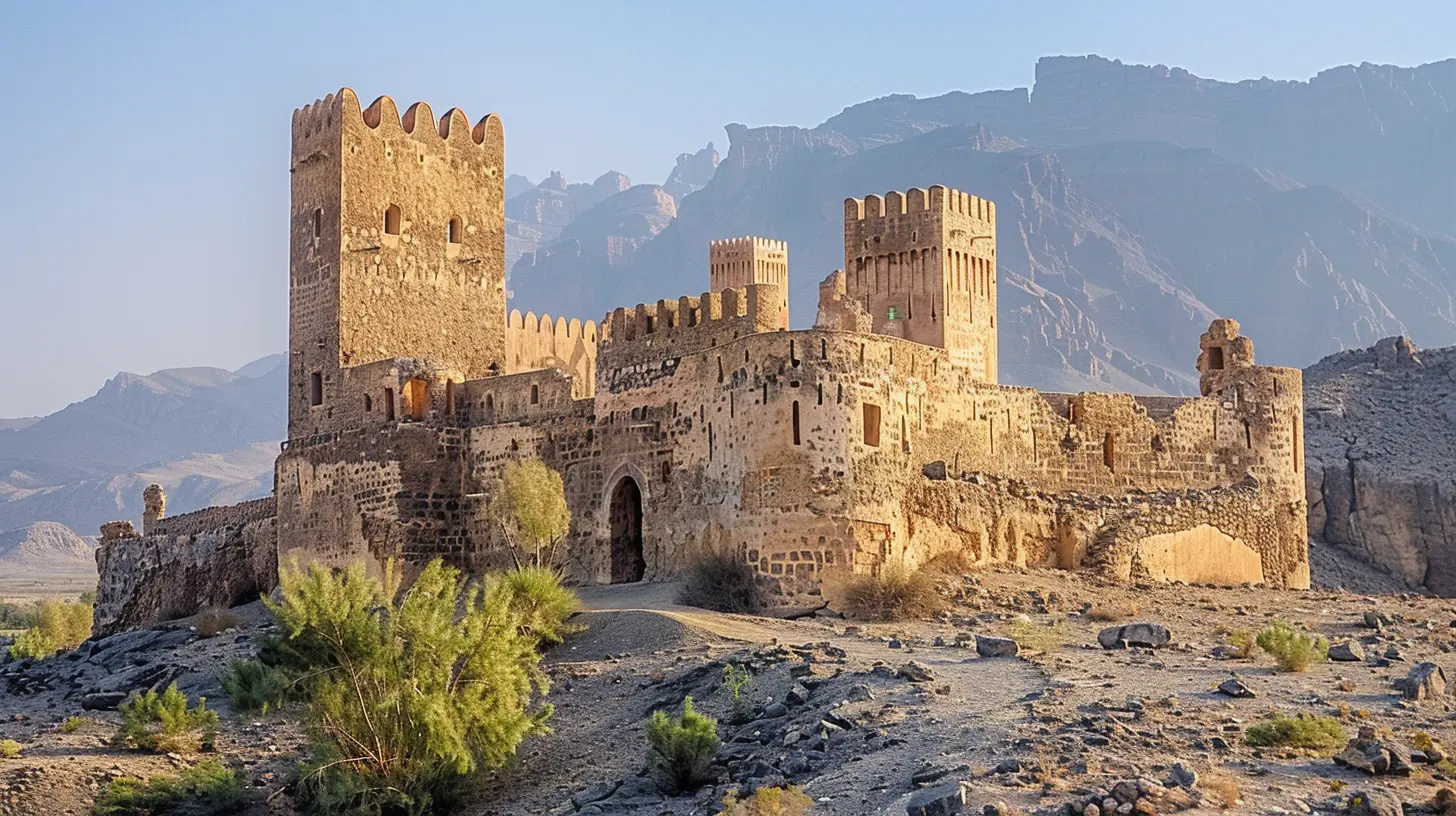
🏜️ A Dusty Legend: What Is the Lost City of Ubar?
Let’s start with the basics. The Lost City of Ubar is an archaeological site located near the village of Shisr in the Dhofar region of Oman. According to legend, it was once a bustling trade hub, especially for frankincense — the aromatic resin that was once more valuable than gold.So why is it called “lost”? Well, for centuries, Ubar was spoken about in hushed tones, referenced in ancient texts and Quranic passages, but no one knew where it was — or if it even existed. Some called it a myth; others believed it was buried by divine wrath. In the 1990s, NASA satellite images helped reveal the camel caravan routes in the vast desert, leading archaeologists to what they believe are the ruins of Ubar.
Isn’t that wild? A satellite helped find a city lost for thousands of years!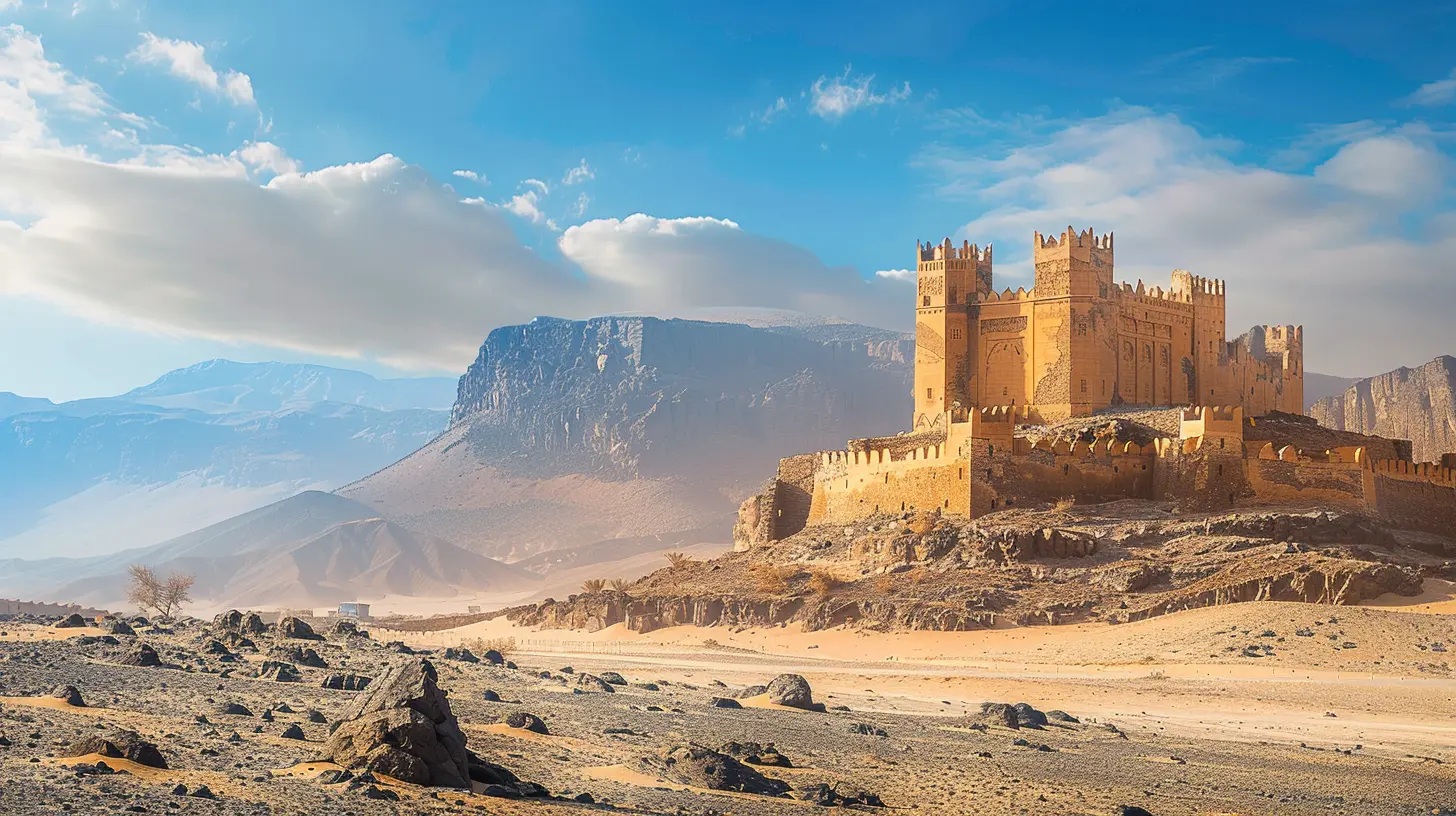
🌍 Where on Earth Is Ubar?
Alright, let’s get our bearings. Ubar is tucked away in Oman’s southern region of Dhofar. Think remote, untouched, and wildly beautiful. The closest major city is Salalah, about 200 kilometers (roughly 125 miles) away. From Salalah, expect a 2.5 to 3-hour drive through changing landscapes — green wadis (valleys), rocky plateaus, and eventually, the golden dunes of the Rub' al Khali.And yes, the drive through the desert is part of the adventure. Windows down (if weather permits), playlist on, and that feeling of freedom washing over you — priceless.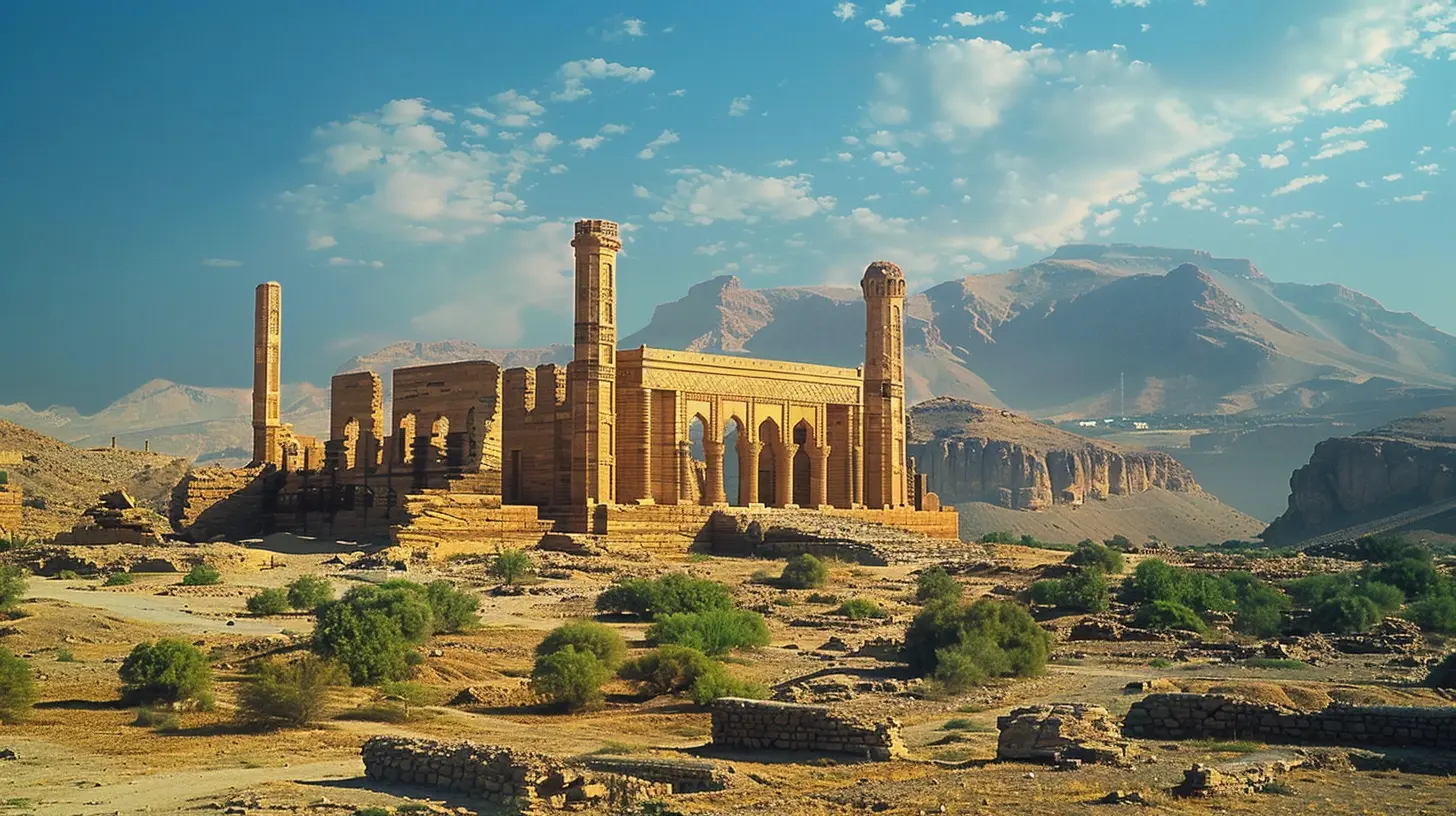
🚗 Getting There: The Journey Is the Destination
Visiting Ubar isn’t like pulling off the highway into a rest stop — it's way more epic. For one, you’ll need a 4x4 vehicle. The road conditions can be rough, and some parts are unpaved. If you’re up for the challenge, rent a car in Salalah. Otherwise, there are plenty of guided desert tours that include Ubar along with other jewels of the Dhofar region.Here’s what you'll pass through:
- Wadi Dawkah – A UNESCO-listed frankincense grove.
- Empty Quarter – The largest sea of sand dunes in the world.
- Shisr Village – A tiny settlement at the edge of nowhere.
Travel tip: Fuel up in Salalah and pack snacks and water. Cellular signal can be patchy, and trust me, you don’t want to test your luck out there.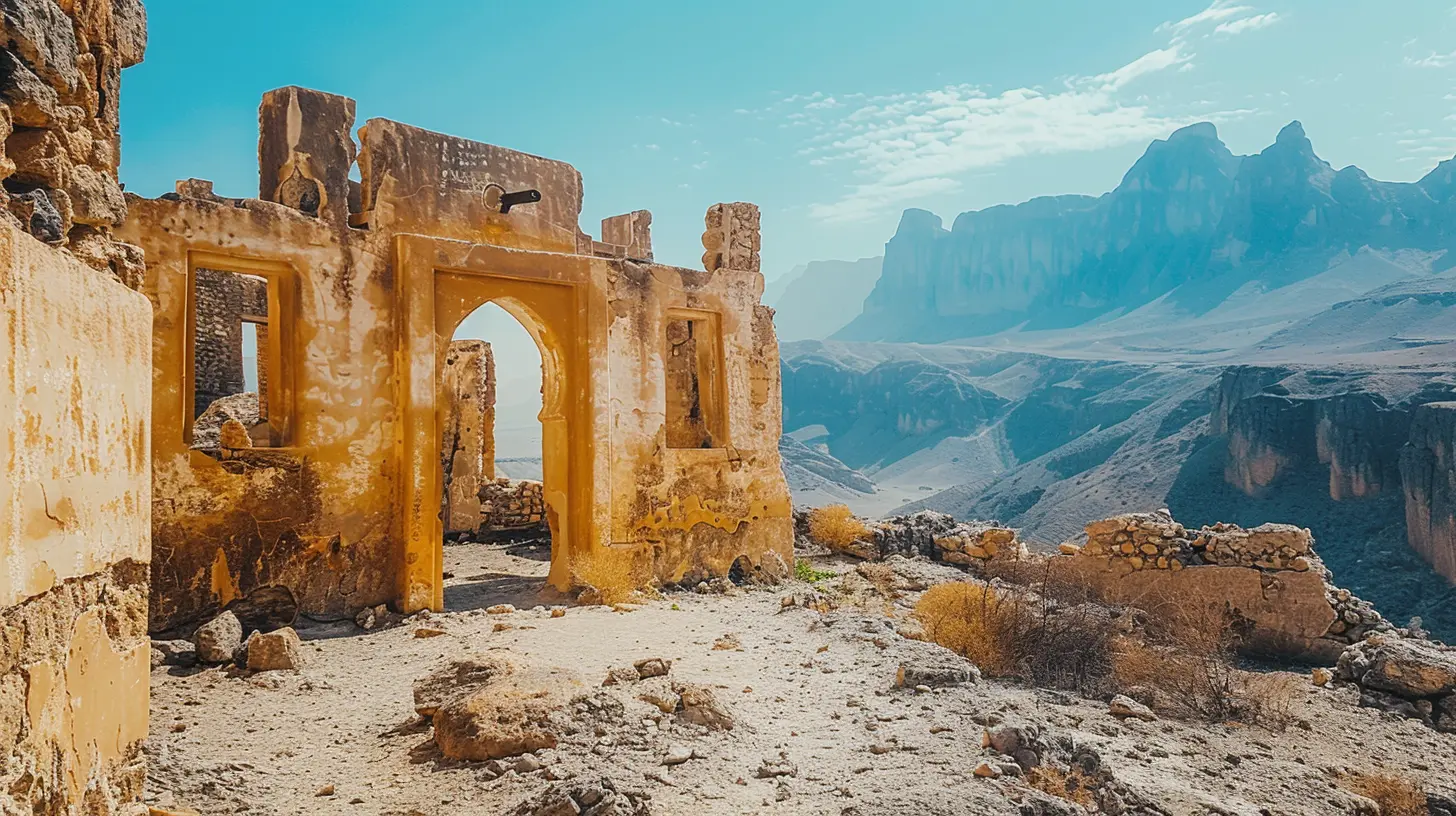
🕌 Ubar’s History: More Than Just Dust and Stones
Let’s nerd out for a second. Why does Ubar matter?This city was a vital node on the Incense Route, the ancient trade network that transported frankincense and myrrh from Southern Arabia to the Greco-Roman world. Traders, camels, and caravans — Ubar was their pit stop, a fortified oasis in the middle of nowhere.
According to Islamic tradition, Ubar was known as “Iram of the Pillars,” a city destroyed by divine punishment due to its people’s arrogance. It disappeared from maps, swallowed by desert sands. Some say a sinkhole opened up and swallowed the city whole. Chilling, isn’t it?
The discovery of Ubar in the early ’90s stunned the world. Archaeologists unearthed fortress ruins, pottery fragments, and signs of settlement that dated back thousands of years. Whether it's the real Ubar or not, one thing’s for sure — it’s old, it’s intriguing, and it’s got stories to tell.
📸 What You’ll See at the Site
Okay, set your expectations. Don’t imagine towering palaces or Indiana Jones-style temples. Ubar is more subtle — and that’s where its charm lies.Here’s what you can explore:
- Fort Ruins: The excavated remains of an octagonal fort thought to be the heart of ancient Ubar.
- Deep Sinkhole: Believed to be the one that “swallowed” the city. Look down if you dare.
- Interpretation Center: A small museum that tells the story of Ubar and the excavation process.
Walking through the site with the desert wind whispering and the sun casting long shadows? It’s humbling. You’re standing where history and legend hold hands.
🌄 Surrounding Attractions: Worth the Detour
Hey, if you made it all the way out here, you might as well make the most of it, right? Here are some nearby spots that add more color to your tour.1. The Empty Quarter (Rub’ al Khali)
Just a stone’s throw from Ubar, and it’s every bit as surreal as you’d imagine. Endless dunes. Shifting sands. Total silence. It feels like standing on another planet. Sunset rides on these dunes? Unreal.2. Wadi Dawkah
This wadi is a frankincense grove that still smells of ancient trade. Literally. You can actually see the trees that produce this historic resin. Pretty cool stuff.3. Salalah’s Coastline
Once back in Salalah, swap sand for sea. Soft white beaches, turquoise waters, and fresh coconut juice. It’s the perfect way to unwind after your desert expedition.🛏️ Where to Stay
You’ve got options depending on how rugged you want to go.- Desert Camping: For the brave and the bold! Some tour operators offer overnight camping near Ubar or the Empty Quarter. Think campfires, stargazing, and total off-the-grid vibes.
- Salalah Resorts: If you’re someone who loves a soft bed and a warm shower (no shame!), there are excellent hotels in Salalah like Al Baleed Resort or Hilton Salalah.
- Shisr Guesthouses: A few local options are available if you want to stay closer to Ubar. Don’t expect luxury, but do expect heartwarming Omani hospitality.
🍽️ What to Eat
Desert excursions can work up a serious appetite. You won’t find fancy restaurants at Ubar, but here's what you can do.- Pack a picnic: Stock up in Salalah’s local markets with fresh dates, flatbreads, cheese, and some Omani halwa for dessert.
- Eat local in Shisr: There might be a home kitchen or two willing to serve up a hot Omani rice dish or lamb stew. Just ask politely and thank them with a smile.
And always hydrate! The desert is dry as toast.
💡 Travel Tips and Cultural Etiquette
Omanis are some of the kindest people you’ll meet, but a little cultural sensitivity goes a long way. Here’s a quick cheat sheet:- Dress modestly: Women should cover shoulders and knees. Men too.
- Respect the land: Don’t leave trash. Take only photos, leave only footprints.
- Ask before photographing locals: It’s a sign of respect.
Oh, and always greet with a friendly “Salam Alaikum.” It opens doors — and hearts.
🧭 Why Touring Ubar Is More Than a Trip
Let’s be honest — Ubar isn’t about flashy landmarks or Instagram-worthy shots (though you’ll get plenty). It’s about connecting with something deeper.It’s a place where legends breathed life. Where traders marched under scorching suns. Where the silence of the desert is louder than cities. It makes you reflect, doesn’t it?
This isn’t your typical tourist attraction. It’s raw. It’s real. It’s a reminder that even lost cities can be found — and that sometimes, the journey there is the true marvel.
🤔 Final Thoughts
If you're craving adventure with a side of mystery and history, the Lost City of Ubar is calling your name. It’s not for the faint-hearted, but if you’re someone who appreciates the road less traveled, then this little slice of Omani desert might just steal your heart.Go for the ruins. Stay for the silence. Leave with stories.
all images in this post were generated using AI tools
Category:
Ancient RuinsAuthor:

Pierre McKinney
Discussion
rate this article
2 comments
Jamie Mason
What an intriguing glimpse into Ubar's rich history and stunning landscapes. Thank you!
February 1, 2026 at 5:42 PM
Pierre McKinney
Thank you for your kind words! I'm glad you enjoyed exploring Ubar's history and landscapes.
Juno Vance
Exploring the Lost City of Ubar sounds like a dream! The blend of mystery and breathtaking landscapes makes it a must-visit. Can't wait to experience the magic of Oman’s deserts firsthand!
January 7, 2026 at 5:43 AM
Pierre McKinney
Thank you! Oman’s deserts truly offer a magical experience, and Ubar is a captivating destination. Enjoy your adventure!