Discover the Lost Civilization of the Anasazi at Mesa Verde
4 February 2026
Have you ever stood in front of something so ancient, so unbelievably preserved, that it sends chills down your spine? That’s exactly what you’ll feel when you visit Mesa Verde National Park. Tucked away in the rugged landscapes of southwestern Colorado lies an archaeological treasure trove — the cliff dwellings of the Ancestral Puebloans, also known as the Anasazi. And let me tell you, this place is not just a bunch of old rocks. It’s a time capsule, a window into a mysterious culture that vanished centuries ago.
Let’s go on a joyful, slightly mystical adventure where the stories of the lost civilization whisper through canyon walls and every stone has a tale to tell. Ready to time travel? Buckle up, we're heading to the high desert plateaus of Colorado!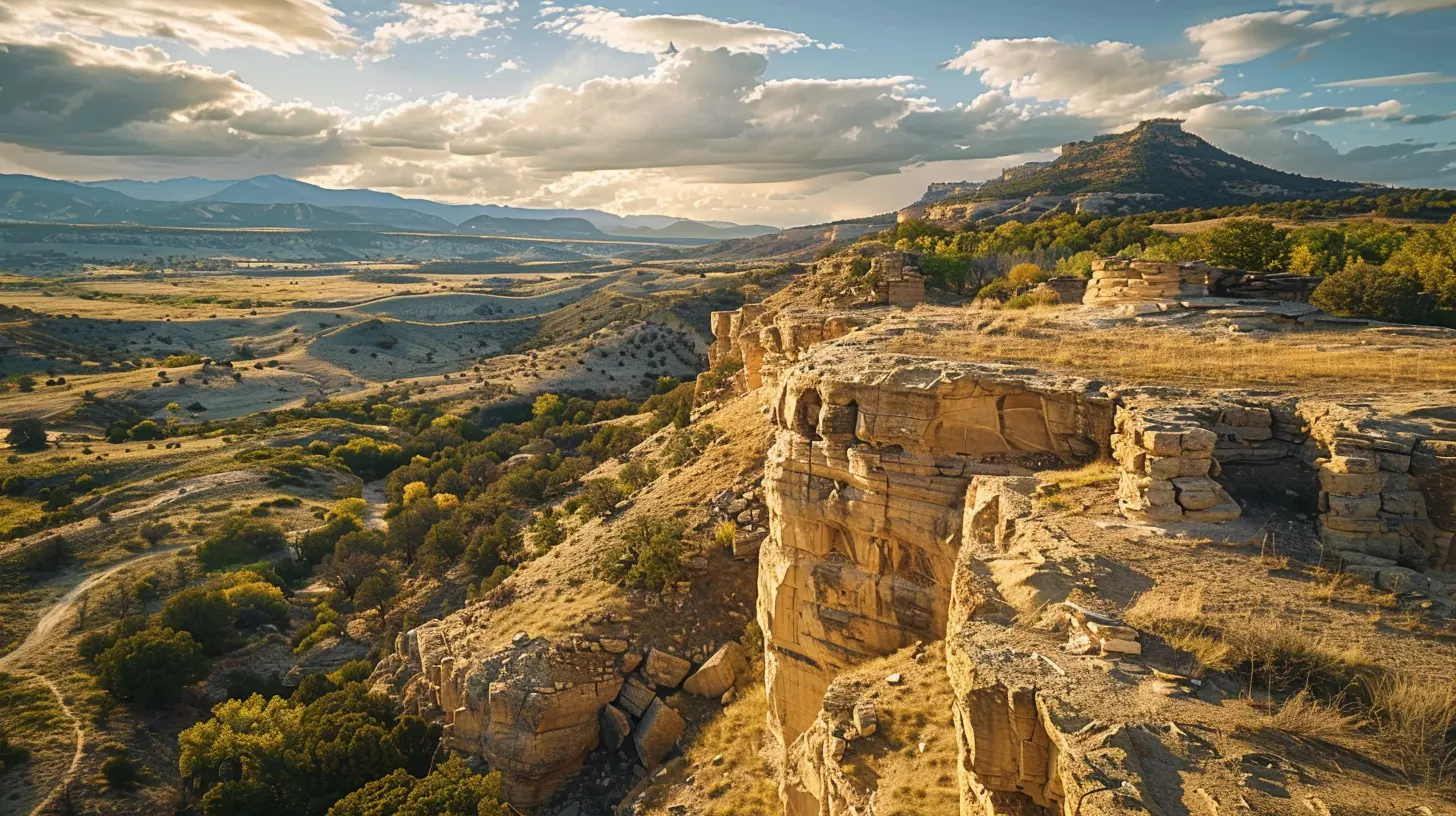
🌄 What Is Mesa Verde & Who Were the Anasazi Anyway?
First things first. Mesa Verde, which means “green table” in Spanish, is home to some of the best-preserved cliff dwellings in North America. Think towering sandstone walls, narrow canyons, piñon-juniper forests... and then bam! You spot an entire village tucked into a cliffside. It’s seriously mind-blowing.Now, about the Anasazi (more accurately referred to today as the Ancestral Puebloans). These people thrived here from around A.D. 600 to 1300 — long before the Spanish explorers or even Columbus showed up. They weren’t a small nomadic group. Nope. They were master builders, farmers, astronomers, and artists. And they built entire cities in the cliffs!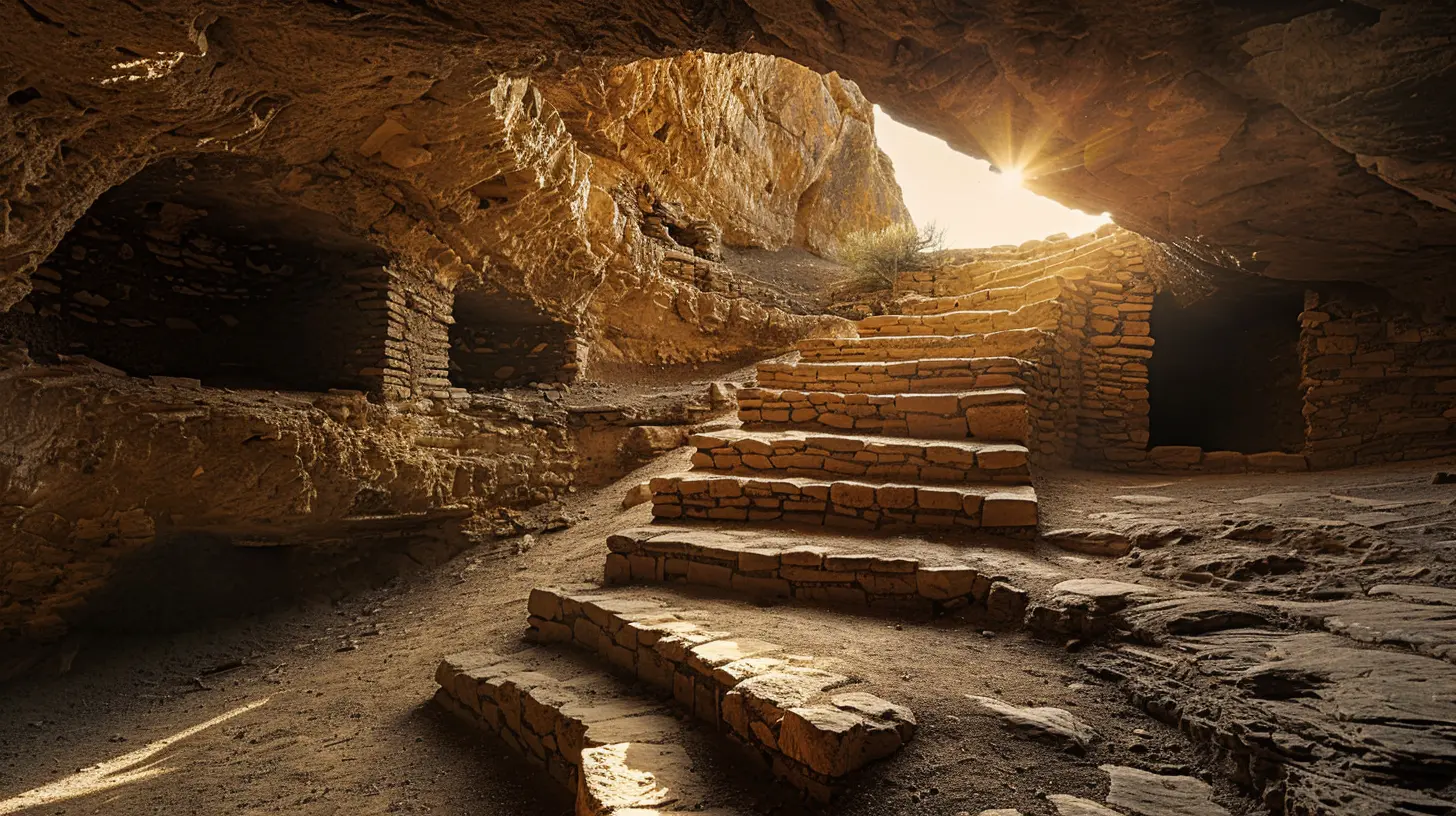
🏛️ The Cliff Dwellings – Homes in the Sky
The real showstoppers at Mesa Verde are the cliff dwellings. These weren’t just homes; they were entire communities built into natural alcoves in the cliffs. Can you imagine the craftsmanship it took to haul stones, timber, and mud high up into the rock faces... then turn them into multi-story apartment-like structures?🔹 Cliff Palace
Let’s talk about the Beyoncé of cliff dwellings — Cliff Palace. It's the largest and most iconic site in the park. With around 150 rooms and more than 20 kivas (that’s what they called their ceremonial rooms), it’s like the Ancestral Puebloan version of a skyscraper combined with a church, town hall, and community center all in one.When you stand there and look at it, you can’t help but wonder — how did they do this without modern tools? It’s like ancient architecture meets magic.
🔹 Balcony House
If you're up for a bit of adventure, Balcony House is a must. But fair warning — it’s not for the faint of heart. You’ll climb ladders, crawl through narrow passageways, and squeeze around cliff edges. But once you’re inside, it’s like stepping straight into the past. And the views? Breathtaking doesn’t even begin to cover it.🔹 Spruce Tree House
This one is a bit more accessible (and great for families). Nestled in a shady alcove, Spruce Tree House gives you a close-up look at how daily life might have looked centuries ago. You can peek into rooms and even look down into a reconstructed kiva.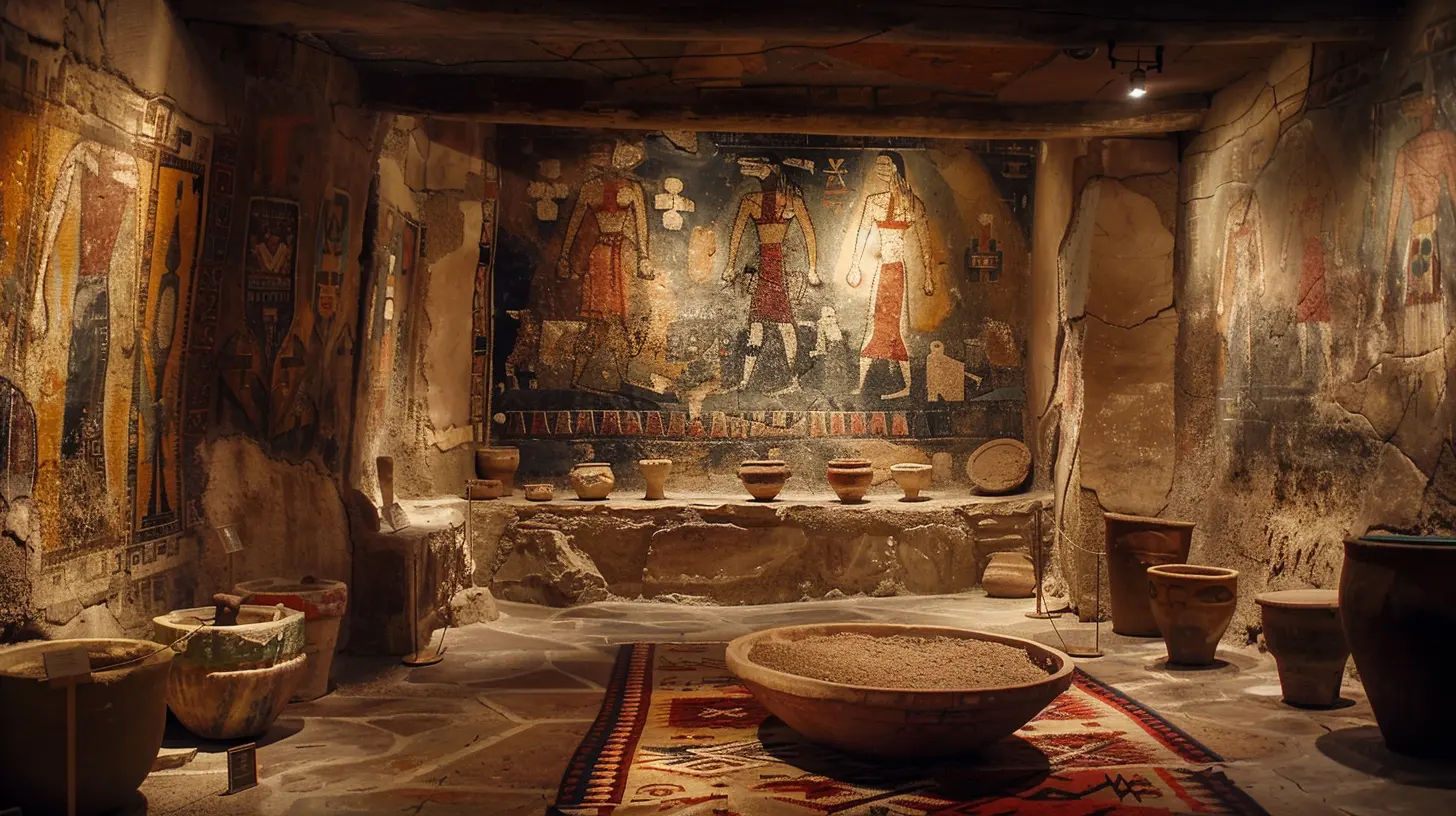
🧭 Hike, Drive, and Discover
Mesa Verde is not all about ruins. It’s also an outdoor lover’s playground. The park covers over 52,000 acres of mesas, canyons, and woodlands. So throw on your hiking boots and grab a water bottle — adventure is calling!🚶 Best Hikes in Mesa Verde
- Petroglyph Point Trail – If you’re into ancient rock art (and who isn’t?), this trail is a gem. You’ll see legit petroglyphs carved into the canyon walls.- Prater Ridge Trail – For some stunning panoramic views and a peaceful stroll with wildflowers galore.
- Knife Edge Trail – Best for sunset lovers. The name’s intimidating, but the hike is pretty chill and the payoff? Pure golden-hour magic.
🚗 Scenic Drive: Mesa Top Loop
Not a hiker? No worries! The Mesa Top Loop Road is a 6-mile drive with overlooks, pithouse ruins, and viewpoints. It’s like a greatest hits album of the Ancestral Puebloan world. Roll down the windows, feel the breeze, and let history unfold before your eyes.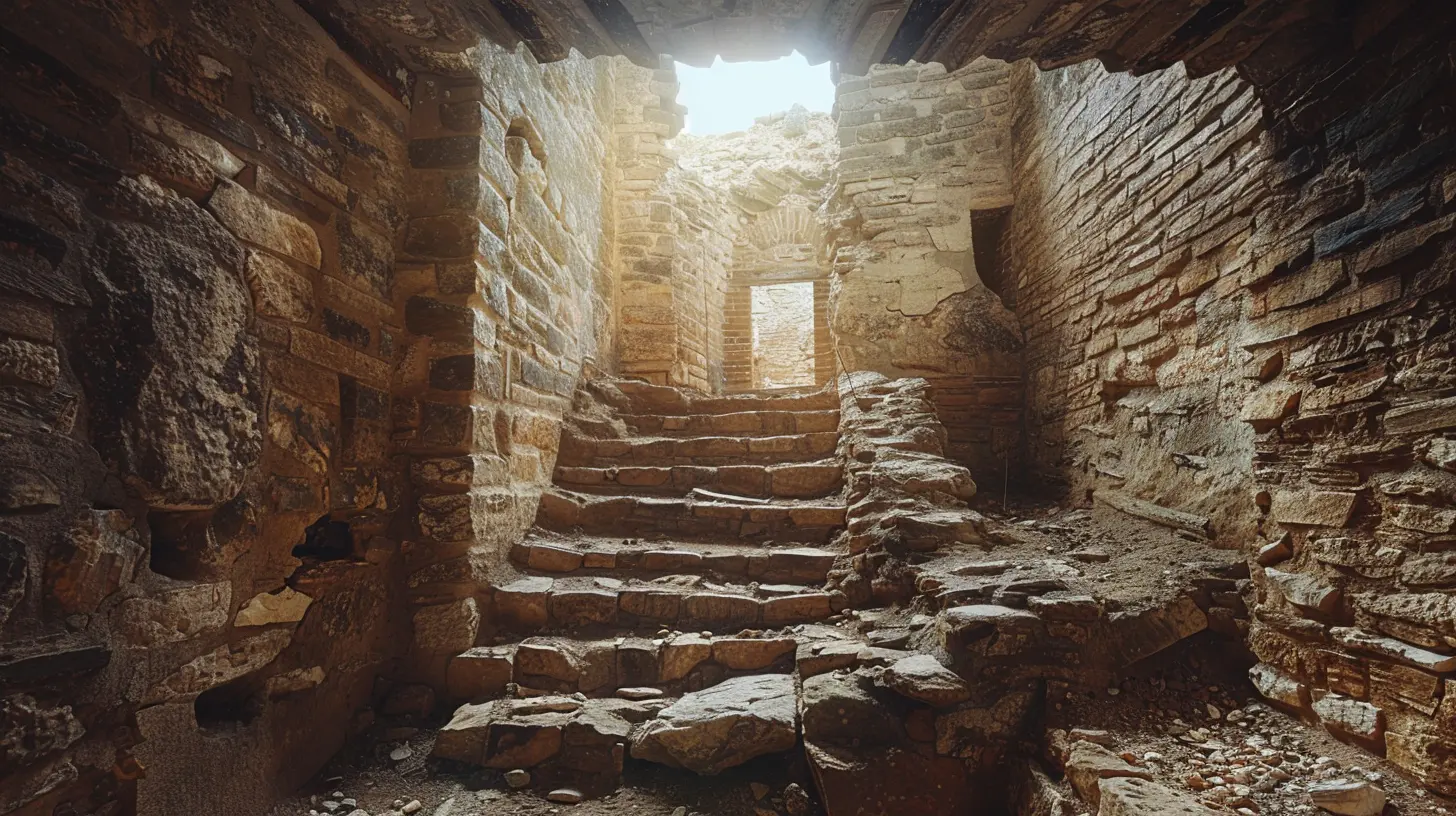
🌽 Daily Life of the Anasazi – Not Just Farmers
You might be thinking, “Okay, they built cool houses, but what else did they do?” Oh, friend, they were way more than cliff architects.The Ancestral Puebloans were farmers — they grew corn, beans, and squash in what seems like an unforgiving landscape. But they were also skilled potters, weavers, traders, and even engineers. Their irrigation systems? Genius. Their roads? Straight and well-planned. Their society? Organized and rich in culture.
They observed the stars, held ceremonies in kivas, and passed down stories through generations — all without a written language. Imagine how much they must have relied on community and memory.
🕵️ The Big Mystery – Why Did They Leave?
Here’s where it gets really intriguing. Around the late 1200s, the cliff dwellings were suddenly abandoned. Gone. Poof. Like a real-life mystery novel that ends on a cliffhanger (pun very much intended).Historians and archaeologists suggest several reasons — drought, crop failure, resource depletion, social unrest. Maybe even spiritual reasons. But here’s the kicker: no one really knows for sure.
And that mystery? It adds a layer of magic to every trail, every ruin, every carved stone at Mesa Verde.
🏞️ Best Time to Visit Mesa Verde
Let’s talk practical stuff for a sec. When should you go?- Spring (April to June) – Wildflowers, fewer crowds, and perfect temps. A+ choice.
- Summer (July – August) – Peak season. It’s hotter, but everything’s open. Just bring sunscreen — the sun doesn’t mess around here.
- Fall (September – October) – Gorgeous foliage, crisp air, and still plenty to do.
- Winter (November – March) – Not ideal for first-timers since many areas are closed, but peace and solitude? 100%.
🛌 Where to Stay Near Mesa Verde
While you can’t stay inside the cliff dwellings (obviously), you’ve got options!🏕️ Camping at Morefield Campground
If you love waking up to birdsong and campfire coffee, this one’s for you. It’s right inside the park and super close to trailheads.🏨 Lodging Nearby
- Far View Lodge – Inside the park, rustic vibes, killer views.- Cortez or Mancos – Cute towns nearby with hotels, motels, and cozy cabins.
🍔 Tasty Bites - Where to Eat
Okay, history and hikes build up some serious hunger. While you won’t find fast food chains in the park (blessing or curse?), there are some great local spots.- Far View Terrace Café – Decent eats inside the park.
- The Farm Bistro (Cortez) – Farm-to-table done right.
- Absolute Bakery & Café (Mancos) – Pastries so good, you might cry.
📸 Tips for First-Time Visitors
Here’s the scoop from someone who's been there, done that, and got the souvenir mug:- Bring water. Then bring more.
- Sign up for a ranger-led tour — you’ll get stories you won’t find on signs.
- Don’t touch the ruins — seriously, oils from your hands can damage centuries-old walls.
- Wear good shoes — those cliffside ladders aren’t flip-flop friendly.
- Keep an eye out for wildlife — deer, turkeys, even the occasional black bear.
🌟 Why Mesa Verde Should Top Your Travel Bucket List
Mesa Verde isn’t just about ruins — it’s about connections. To the earth. To people who came long before us. To the stories we still don’t fully understand. It’s like wandering through a dreamscape where time has paused, just long enough for you to peek inside.And the best part? It’s not overrun with tourists yet. You still get those quiet moments, those goosebump-inducing silences that make you stop in your tracks and whisper, “Wow.”
So, if you're craving a trip that blends nature, history, mystery, and soul — Mesa Verde is calling your name.
🧳 Start Your Adventure Today!
Don’t wait for someday. Pack your curiosity, your hiking boots, and maybe a notebook to jot down all your “holy cow” moments. The Anasazi may be gone, but their spirit lingers in every stone staircase and hidden corner of Mesa Verde. And trust me — once you’ve stood in those cliff dwellings, you’ll never look at history the same way again.all images in this post were generated using AI tools
Category:
Ancient RuinsAuthor:

Pierre McKinney
Discussion
rate this article
2 comments
Kendra Cummings
Mesa Verde is a must-visit destination for anyone fascinated by history. The stunning cliff dwellings of the Anasazi offer a unique glimpse into a remarkable culture that shaped the American Southwest.
March 3, 2026 at 3:53 PM
Pierre McKinney
Thank you! Mesa Verde truly provides an incredible opportunity to connect with the rich history and culture of the Anasazi.
Zedric Dodson
Beneath the shadows of ancient cliffs, the Anasazi left whispers of a forgotten world. Join us in unraveling the secrets of Mesa Verde, where time stands still and mysteries linger in the air.
February 6, 2026 at 3:46 AM
Pierre McKinney
Thank you! Mesa Verde truly is a captivating glimpse into the Anasazi's remarkable history. Let's explore these mysteries together!