Exploring the History of the Canadian Maritimes
2 April 2026
The Canadian Maritimes—comprising Nova Scotia, New Brunswick, and Prince Edward Island—have a rich history that spans centuries. From early Indigenous settlements to European colonization and maritime trade, this region has played a critical role in shaping Canada’s cultural and economic landscape.
But what makes the Maritimes so fascinating? Well, think of it as a history book that’s come to life, where every town, coastline, and lighthouse has a story to tell. So, grab a cup of coffee (or maybe a bowl of seafood chowder) and let’s dive into the captivating history of the Canadian Maritimes! 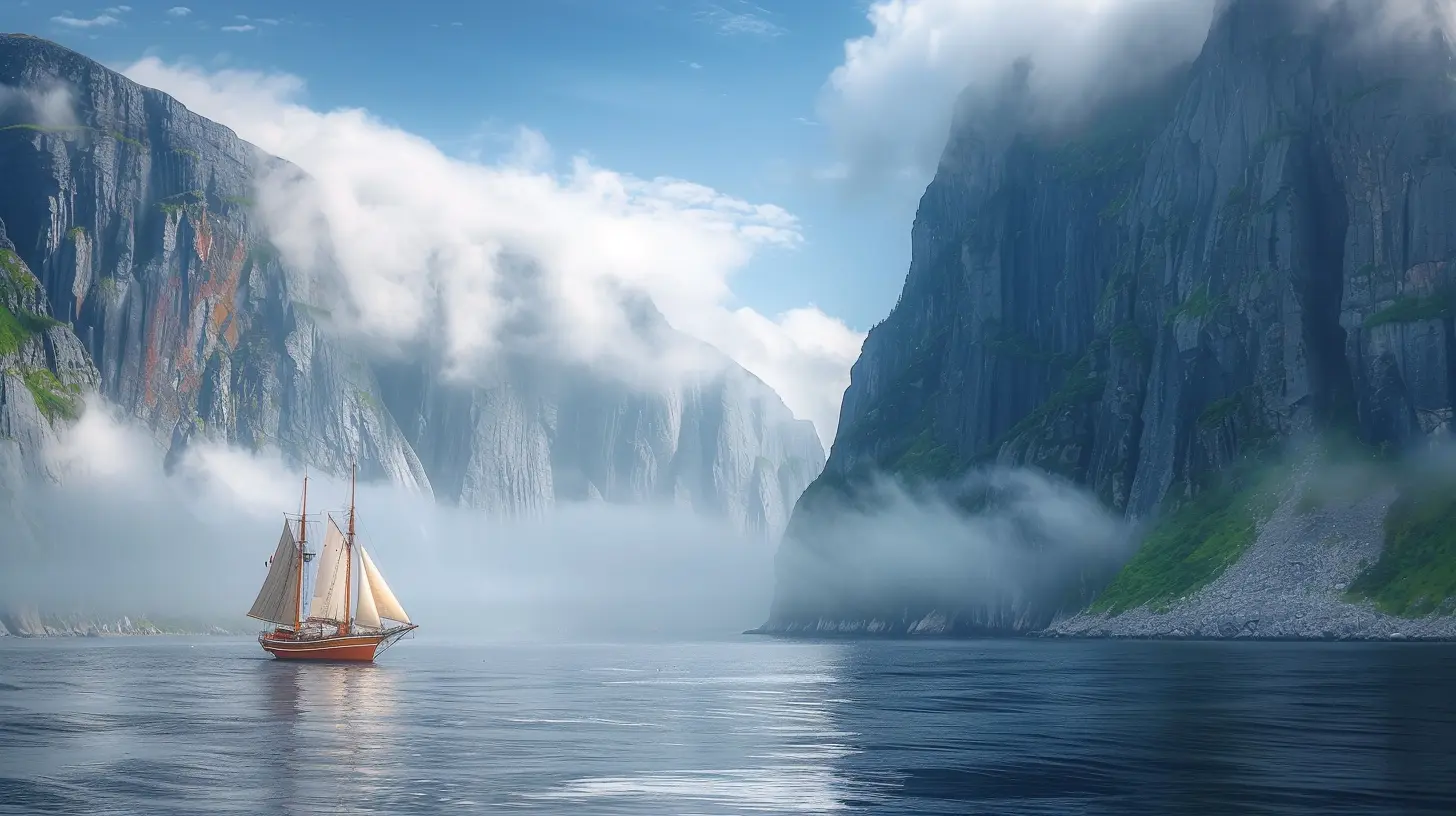
The Indigenous Roots of the Maritimes
Long before European explorers set foot on these eastern shores, the Maritimes were home to Indigenous peoples, particularly the Mi’kmaq, Maliseet, and Passamaquoddy. These communities thrived on the land and sea, relying on fishing, hunting, and trade.The Mi’kmaq and Their Connection to the Land
The Mi'kmaq people, one of the largest Indigenous groups in the region, were expert navigators who used birchbark canoes to travel along rivers and the Atlantic coast. They lived in harmony with nature, following seasonal migration patterns to hunt moose, fish for salmon, and gather berries.Their societal structure was deeply connected to storytelling, oral traditions, and communal living. The Grand Council, or Sante’ Mawiómi, played a central role in governance and decision-making.
Even today, Indigenous culture remains a vital part of the Maritimes. Many place names, such as Kejimkujik (a stunning national park in Nova Scotia), have Mi’kmaq origins, serving as a reminder of their deep-rooted history. 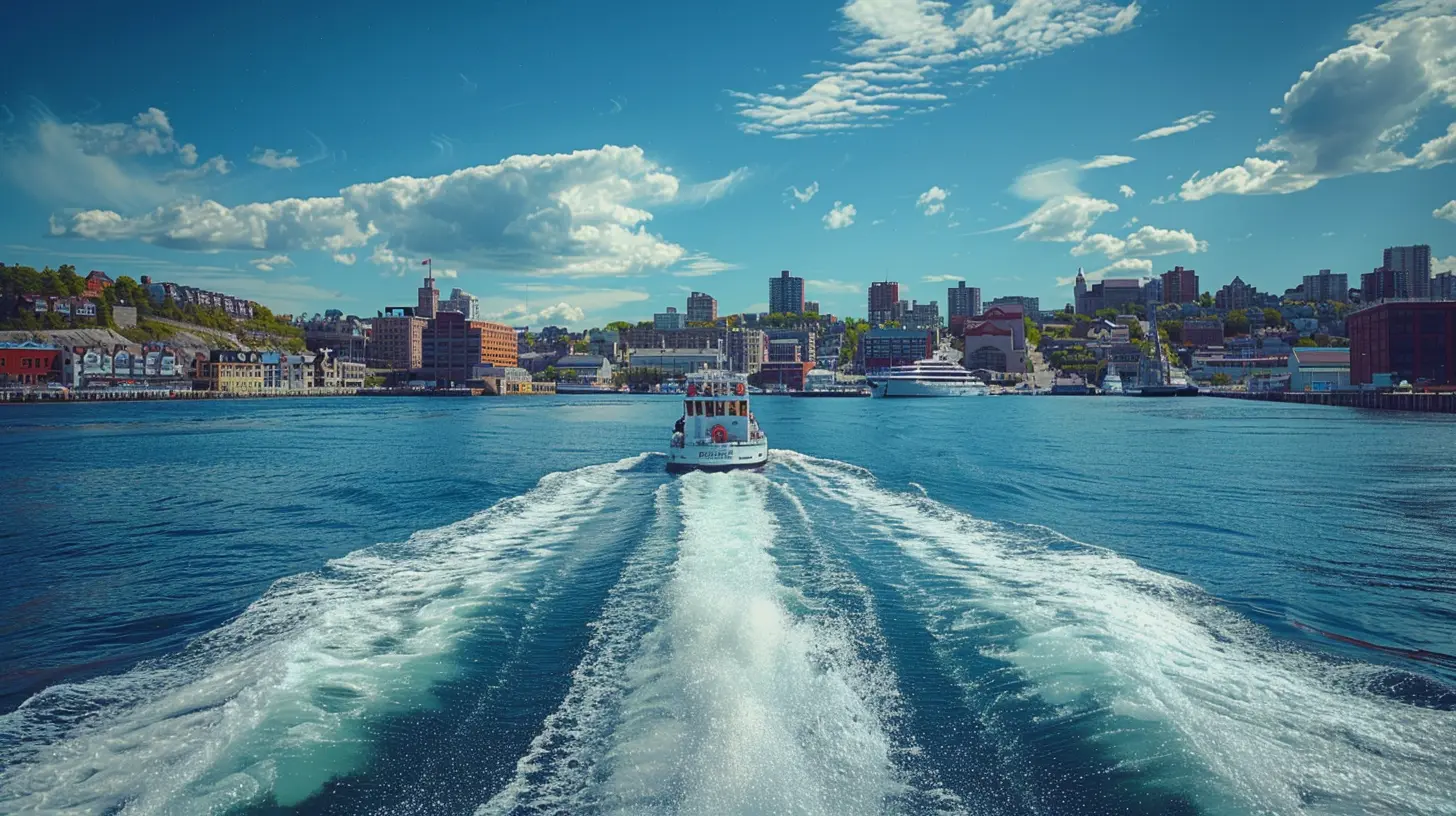
The Age of European Exploration
Fast forward to the late 15th and early 16th centuries, and the Maritimes became a hotspot for European explorers. These seafarers were eager to claim new territories, establish trade routes, and tap into the region’s abundant natural resources.John Cabot and the Search for New Lands
In 1497, Italian explorer John Cabot, under the commission of England, set sail westward and reached the shores of what is believed to be Newfoundland. While he didn’t settle here, his discovery opened the door for future European voyages.The French Settlement of Acadia
The French were among the first to establish permanent settlements in the Maritimes. In 1604, Samuel de Champlain and Pierre Dugua, Sieur de Mons, set up a colony on Saint Croix Island (on the modern-day New Brunswick-Maine border). However, harsh winters forced them to relocate to Port Royal (now Annapolis Royal, Nova Scotia) in 1605.Acadia flourished, and the Acadians—descendants of these early French settlers—built a unique farming and fishing society. They developed an impressive dike system to reclaim marshland for agriculture, a technique still admired today. 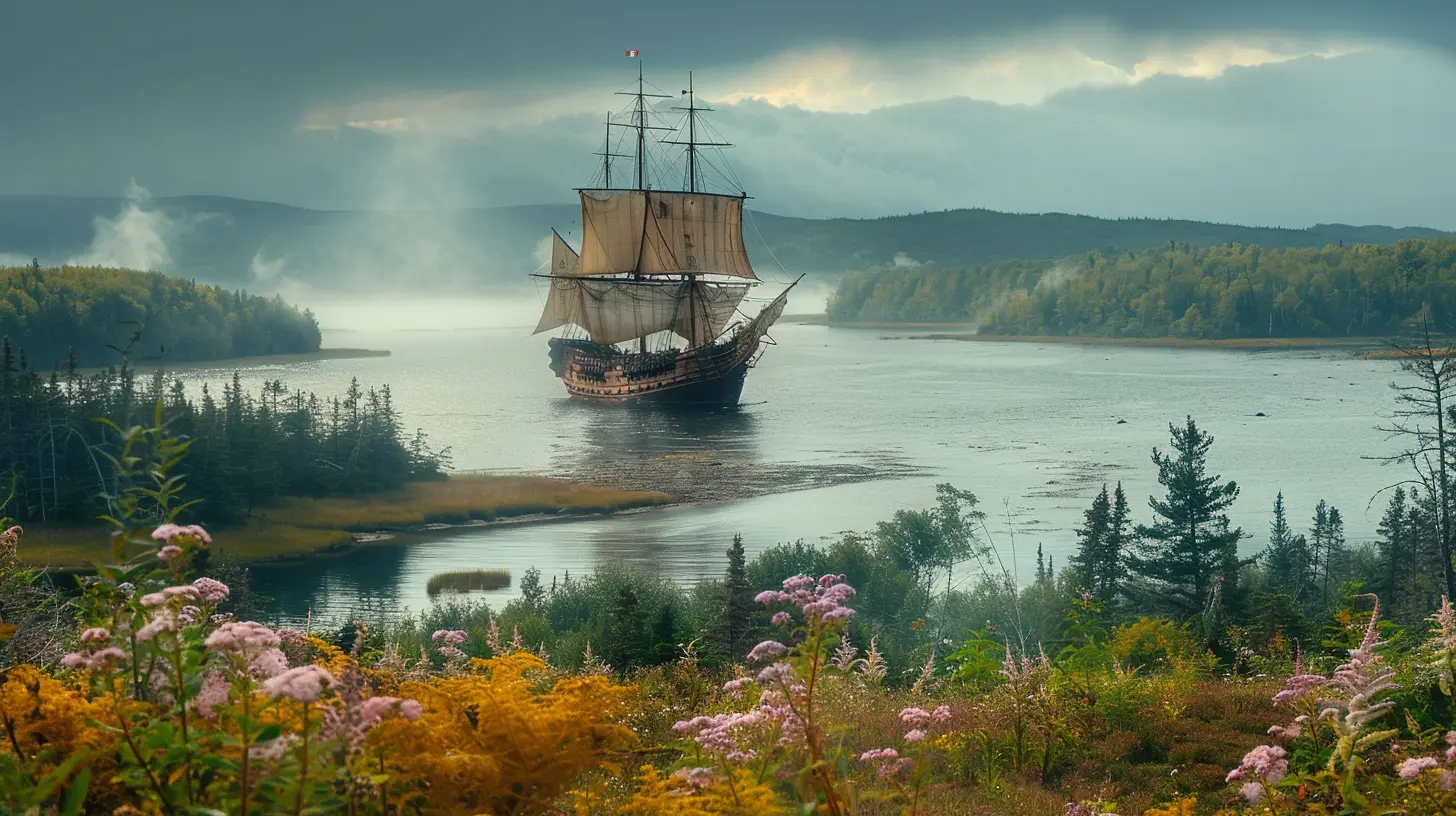
The British Takeover and the Expulsion of the Acadians
By the 18th century, tensions between the French and British escalated, leading to conflicts over control of the region. Eventually, the British seized Nova Scotia in 1713 under the Treaty of Utrecht.The Tragic Grand Dérangement (1755–1764)
One of the most heartbreaking chapters in Maritime history is the expulsion of the Acadians, also known as Le Grand Dérangement. Fearing that Acadians would side with the French in future conflicts, the British forcibly removed thousands from their homes, scattering them across North America.Entire families were separated, many perished at sea, and some found refuge in Louisiana, where their descendants became the Cajuns. Despite this tragic past, Acadian culture remains alive and well in the Maritimes, particularly in regions like New Brunswick’s Acadian Peninsula. 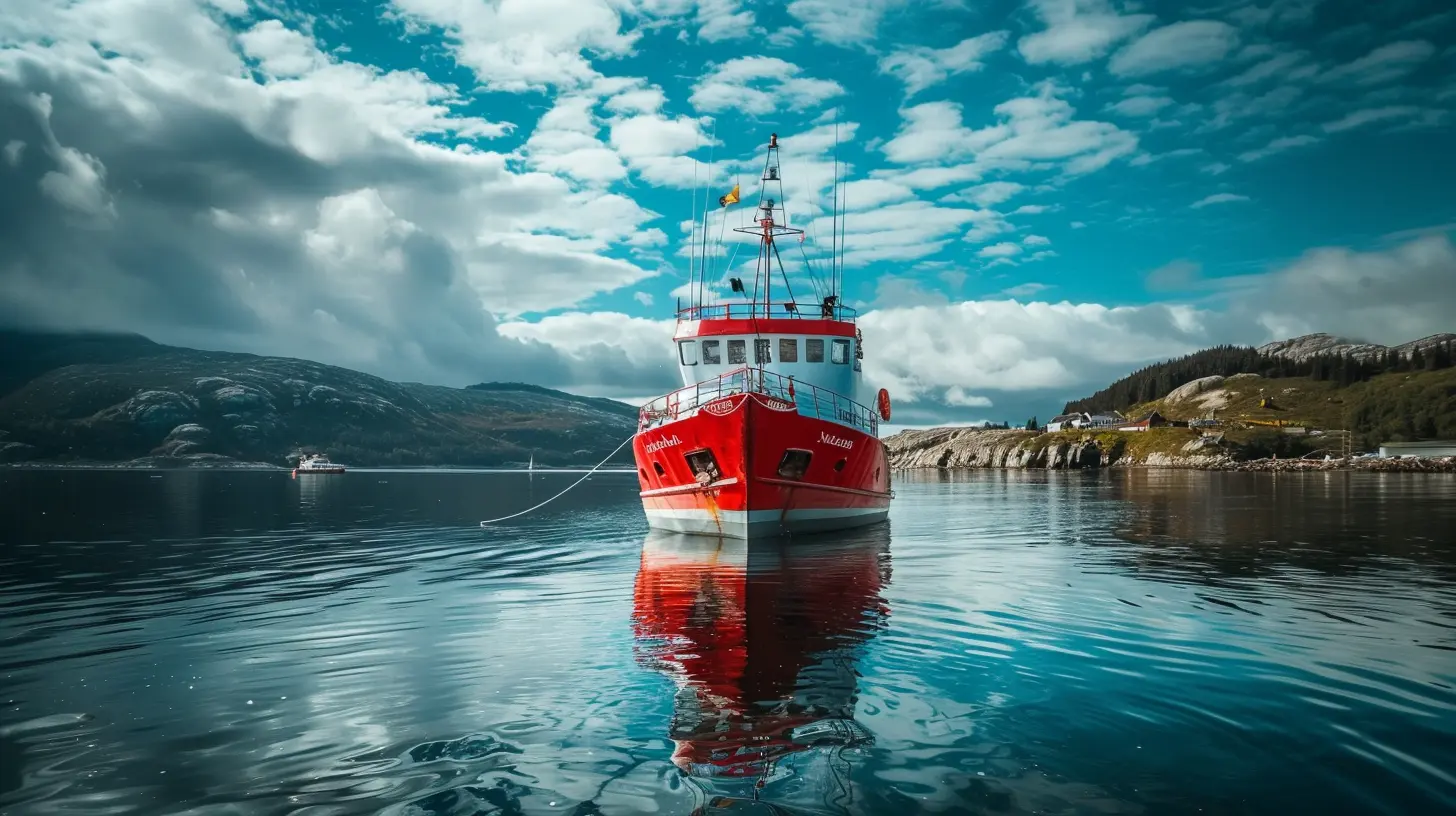
The Rise of Shipbuilding and Maritime Trade
The 19th century marked a golden age for the Maritimes, thanks to the booming shipbuilding industry. With an abundance of timber and skilled shipwrights, the region became a center for wooden ship production.The Age of Wooden Ships
If you’ve ever heard of the Marco Polo, you’re familiar with one of the fastest clipper ships ever built. Constructed in Saint John, New Brunswick, in 1851, this vessel helped cement the Maritimes’ reputation as a premier shipbuilding hub.Lunenburg, Nova Scotia, also became famous for its shipbuilding prowess. The iconic Bluenose, a racing schooner that graces the Canadian dime, was built here in 1921.
The Confederation Debate: Joining Canada
For a long time, the Maritime provinces operated independently, relying on trade and close ties with Britain. But by the mid-19th century, discussions about joining the newly forming country of Canada began.Charlottetown Conference (1864)
Ever wonder why Prince Edward Island is called the “Birthplace of Confederation”? Well, in 1864, leaders from the Maritimes, along with representatives from Upper and Lower Canada (now Ontario and Quebec), gathered in Charlottetown to discuss the idea of uniting.By 1867, New Brunswick and Nova Scotia joined Canada as two of the original provinces. However, PEI initially hesitated, only joining in 1873 after financial incentives and promises of a ferry service to the mainland.
The Maritimes in the World Wars
When World War I and World War II broke out, the Maritimes played a crucial role in Canada’s war efforts. Halifax, with its strategic Atlantic location, became a vital naval base.The Halifax Explosion (1917)
One of the darkest moments in Halifax’s history occurred in 1917, when two ships collided in the harbor, causing a massive explosion. This disaster, one of the largest non-nuclear explosions in history, devastated the city, killing nearly 2,000 people and injuring thousands more.Despite the tragedy, Haligonians (as residents of Halifax are called) rebuilt their city with resilience and determination.
The Maritime Provinces Today: A Living Legacy
Today, the Maritimes embrace their rich history while offering a vibrant cultural scene, stunning landscapes, and warm hospitality. Whether you're strolling through Old Town Lunenburg, exploring the Fortress of Louisbourg, or savoring fresh lobster in Shediac, history is woven into every experience.The stories of Indigenous peoples, Acadian perseverance, and seafaring adventurers are preserved through museums, festivals, and historic sites. The Maritimes aren’t just a place to visit—they’re a place to feel history come alive.
Final Thoughts
The Canadian Maritimes hold some of the most compelling historical narratives in North America. From the resilience of Indigenous communities to the struggles of the Acadians, the rise of shipbuilding, and the impact of global conflicts, this region has shaped and been shaped by history.So, if you ever find yourself wandering these coastal provinces, take a moment to soak in the stories. Because in the Maritimes, history isn’t just something you read about—it’s something you can see, touch, and experience firsthand.
all images in this post were generated using AI tools
Category:
North America TravelAuthor:

Pierre McKinney
Discussion
rate this article
2 comments
Maya Navarro
Great overview! Exploring the rich history of the Canadian Maritimes truly offers a unique glimpse into Canada’s diverse culture.
April 22, 2026 at 3:54 AM
Pierre McKinney
Thanks for your kind words! The Maritimes really are a fascinating part of Canada's heritage.
Heather Howard
Absolutely loved this post on the Canadian Maritimes! The blend of rich history and stunning landscapes makes it a must-visit. I can almost hear the waves and taste the fresh seafood! Can't wait to explore lighthouses and quaint fishing villages. Thanks for sharing these beautiful insights!
April 2, 2026 at 2:18 PM
Pierre McKinney
Thank you so much for your kind words! I'm glad you enjoyed the post and the beauty of the Maritimes. Happy exploring!