Exploring the Legendary Silk Road in 2026: A Journey Through Time
17 April 2026
Let’s be honest, most of us have a bucket list that looks like a Pinterest board gone rogue. “Learn French,” right next to “Skydive,” and just below “Bake sourdough that doesn’t double as a doorstop.” But nestled in there, perhaps written in slightly fancier script, is an entry that feels different: “Travel the Silk Road.” It sounds less like a holiday and more like a calling, doesn’t it? It’s the granddaddy of all road trips, a sprawling, ancient network of pathways where history wasn’t just made—it was bartered, bundled in camel hair, and carried across continents.
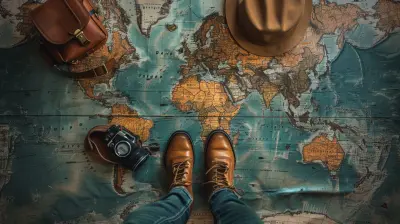
So, why 2026? Well, why not? It’s far enough to plan, yet close enough to taste the dust of the Taklamakan Desert on your lips. This isn’t about following a dotted line on a map; it’s about time travel. Imagine swapping your smartphone’ GPS for a star chart, your car for a caravan, and your daily grind for the gritty, glorious reality of stepping where merchants, monks, and monarchs once trod. Buckle up (or should I say, tie up your sandals), we’re going on a journey.
Unraveling the Spool of History: What Was the Silk Road?
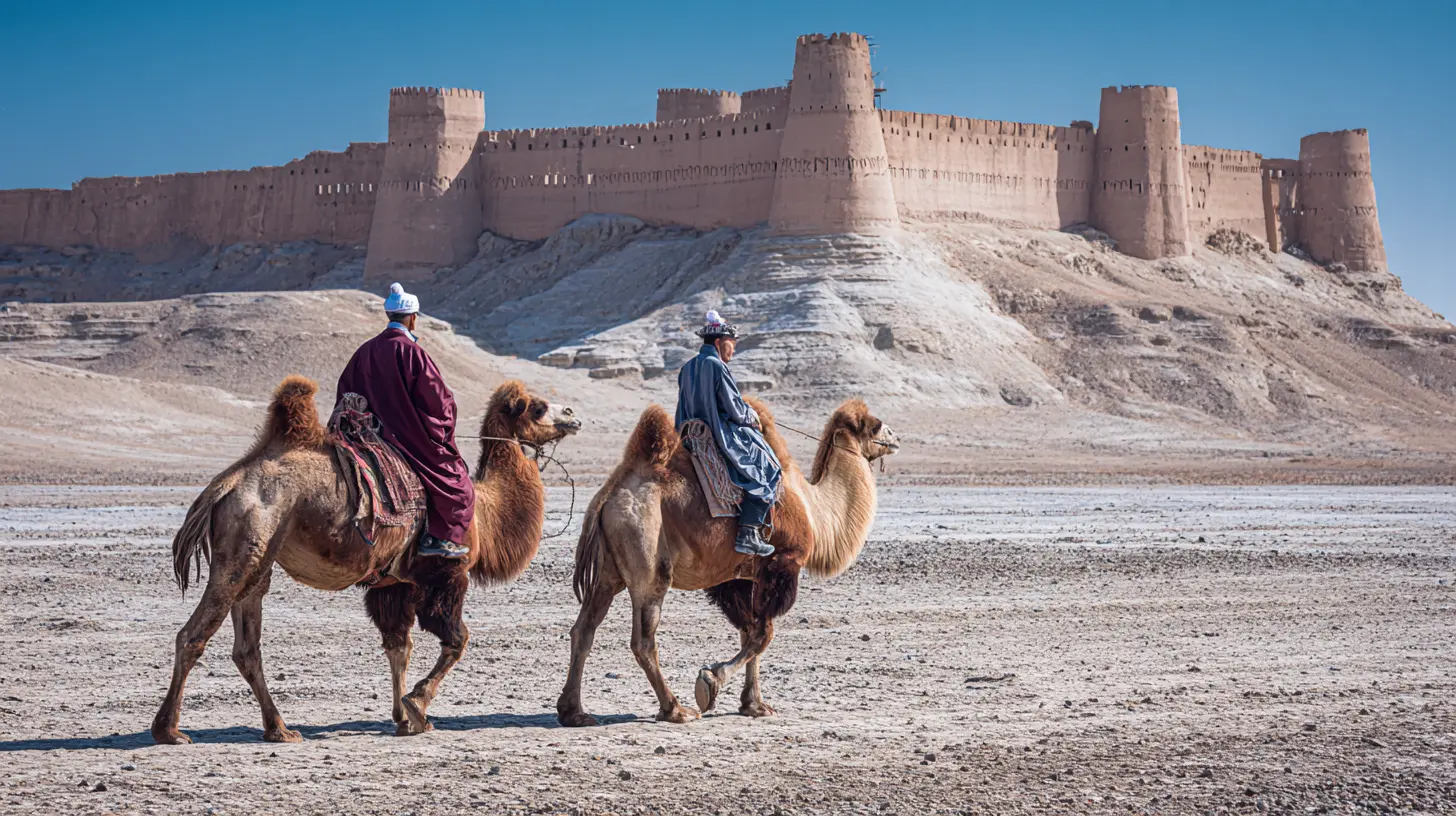
First things first, let’s pop a common bubble. The Silk Road wasn’t a single, neatly paved highway with handy rest stops. Think of it more as the world’s first and most chaotic internet network—a sprawling web of overland and maritime routes connecting the East and West. Data packets? Those were bolts of silk, sacks of spices, jars of ideas, and even strains of the plague (every network has its bugs, unfortunately).It was less of a “road” and more of a “corridor of chaos and connection,” active roughly from the 2nd century BCE to the 14th century CE. Its name, coined by a 19th-century German geographer, is a bit of a misnomer, focusing on the most glamorous commodity. But silk was just the headline act. The real show was in the supporting cast: turquoise from Persia, jade from Khotan, Buddhism from India, Islam from Arabia, and noodles—blessedly—making their way from China to Italy. The Silk Road was the ultimate cultural crossfader, mixing philosophies, religions, technologies, and recipes with reckless, world-changing abandon.
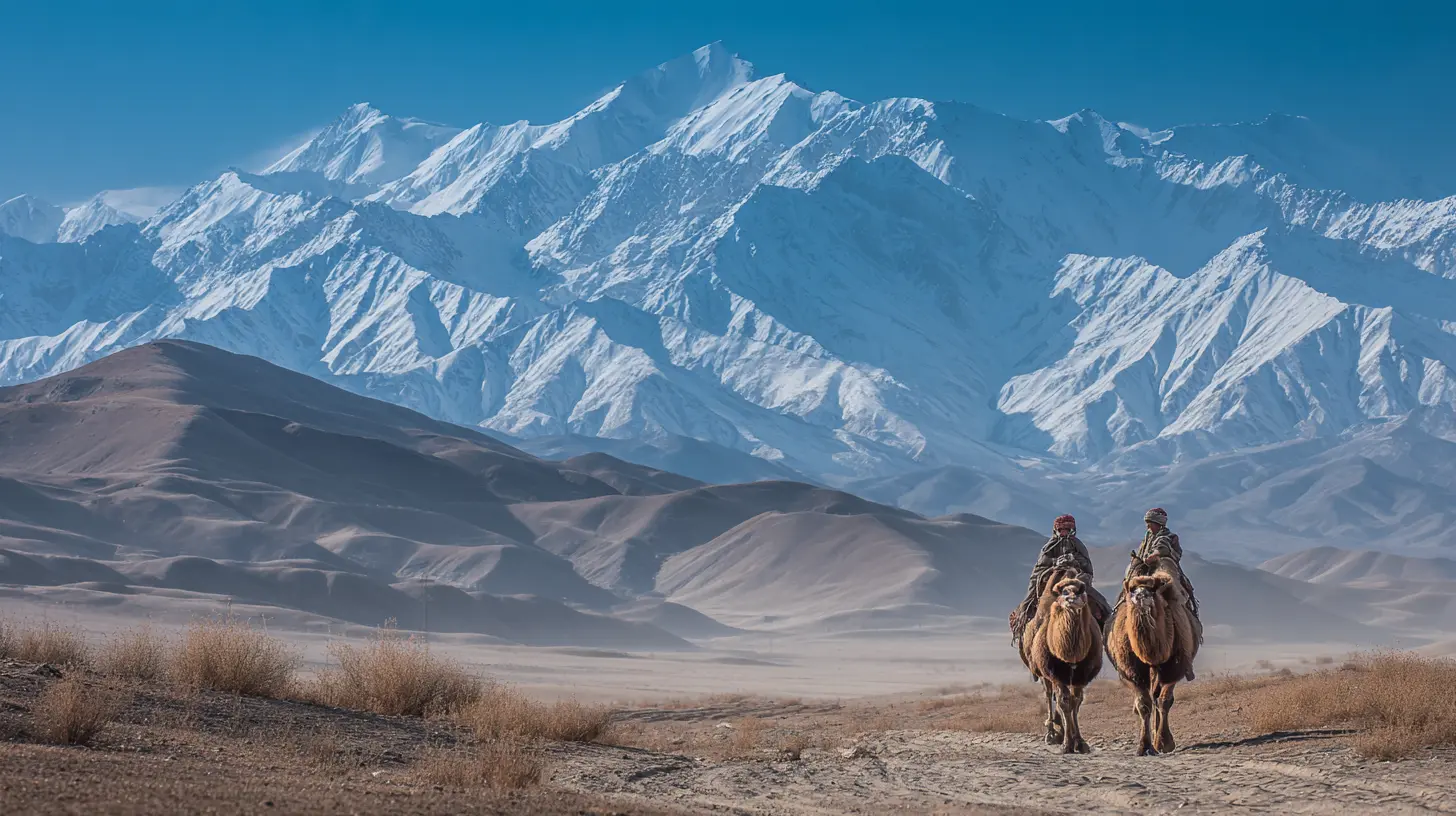
The 2026 Itinerary: Not Your Average Package Tour
Planning a Silk Road adventure in 2026 is an exercise in delicious chaos. You’re not picking a resort; you’re curating an experience across multiple modern nations, each holding a piece of the historical puzzle. Here’s a taste of what your temporal trek could involve.China: Where the Silk Began Its Whisper
Your journey might logically start in Xi’an, China. Forget the Terracotta Army for a second (okay, don’t really forget them, they’re incredible). Instead, stand at the foot of the Great Wild Goose Pagoda. This is where the Buddhist monk Xuanzang returned after his 17-year, Silk Road-powered pilgrimage to India, lugging back hundreds of sacred texts. The city’s Muslim Quarter, with its labyrinthine streets smoky with the scent of cumin and roasting meat, is a living testament to the communities that settled here from the west.Next, you’ll want to dive into the deep end: Xinjiang Province. This is where the road gets real. In Kashgar, Sunday isn’t for brunch; it’s for the animal market, a riot of sound, smell, and movement that feels utterly medieval. Men on donkeys, sheep in trucks, and bargaining that involves intricate handshakes—it’s a spectacle that hasn’t so much changed as it has stubbornly refused to change. And then, there’s the Taklamakan Desert. Its name famously means “You go in, you don’t come out.” Charming, right? Traversing its edges, you’ll see the crumbling Jiaohe Ruins, a city of clay built on a plateau, abandoned to the wind. It’s a stark, beautiful reminder of the fragility of these ancient outposts.
The -Stans: The Heartbeat of the Caravan
As you move west, you hit the glorious, rugged “-stans,” the continental crossroads.Kyrgyzstan is like the Silk Road’s alpine retreat. Picture yurts dotting emerald pastures like giant marshmallows, horses that look like they’ve galloped out of a myth, and the sublime Lake Issyk-Kul, a mountain lake so vast the ancient travelers thought it was an ocean. It’s a place to breathe the crisp, clean air and imagine caravans resting their weary bones.
Then, there’s Uzbekistan, the absolute show-off of Silk Road architecture. Samarkand isn’t just a city; it’s a symphony in turquoise tile. The Registan Square, with its three madrasahs, is so overwhelmingly ornate that you’ll spend the first ten minutes just picking your jaw up off the ground. It’s the Instagram of the 15th century, built by Timur (Tamerlane) to proclaim, “Look what I conquered!” Bukhara, meanwhile, is all about atmosphere. Its historic center is a UNESCO-listed maze where you can sip green tea in a chaikhana (tea house) under the dappled shade of a mulberry tree, beside a pond that’s reflected scholars and scoundrels for a millennium.
Persia & Beyond: Where Legends Settled into Stone
Pushing further, you enter Iran (Persia), the sophisticated middleman of the ancient world. Isfahan is the jewel. “Isfahan is half the world,” the old saying goes, and standing in Naqsh-e Jahan Square, you’ll believe it. The shimmering mosaics of the Shah Mosque, the elegant Ali Qapu Palace, and the bustling Qeysarie Bazaar are a masterclass in Persian art and commerce. This is where silk was admired, poetry was recited, and deals that shaped empires were struck over cups of rosewater-scented tea.The routes then splinter like fraying thread—south to the ports of the Arabian Peninsula, where dhows carried goods to Africa, or west towards the Levant and Turkey. In Istanbul, you can stand in the Grand Bazaar, a chaotic, covered city of shops, and hear the echoes of a thousand languages, a modern-day cacophony that perfectly mirrors its Silk Road past.
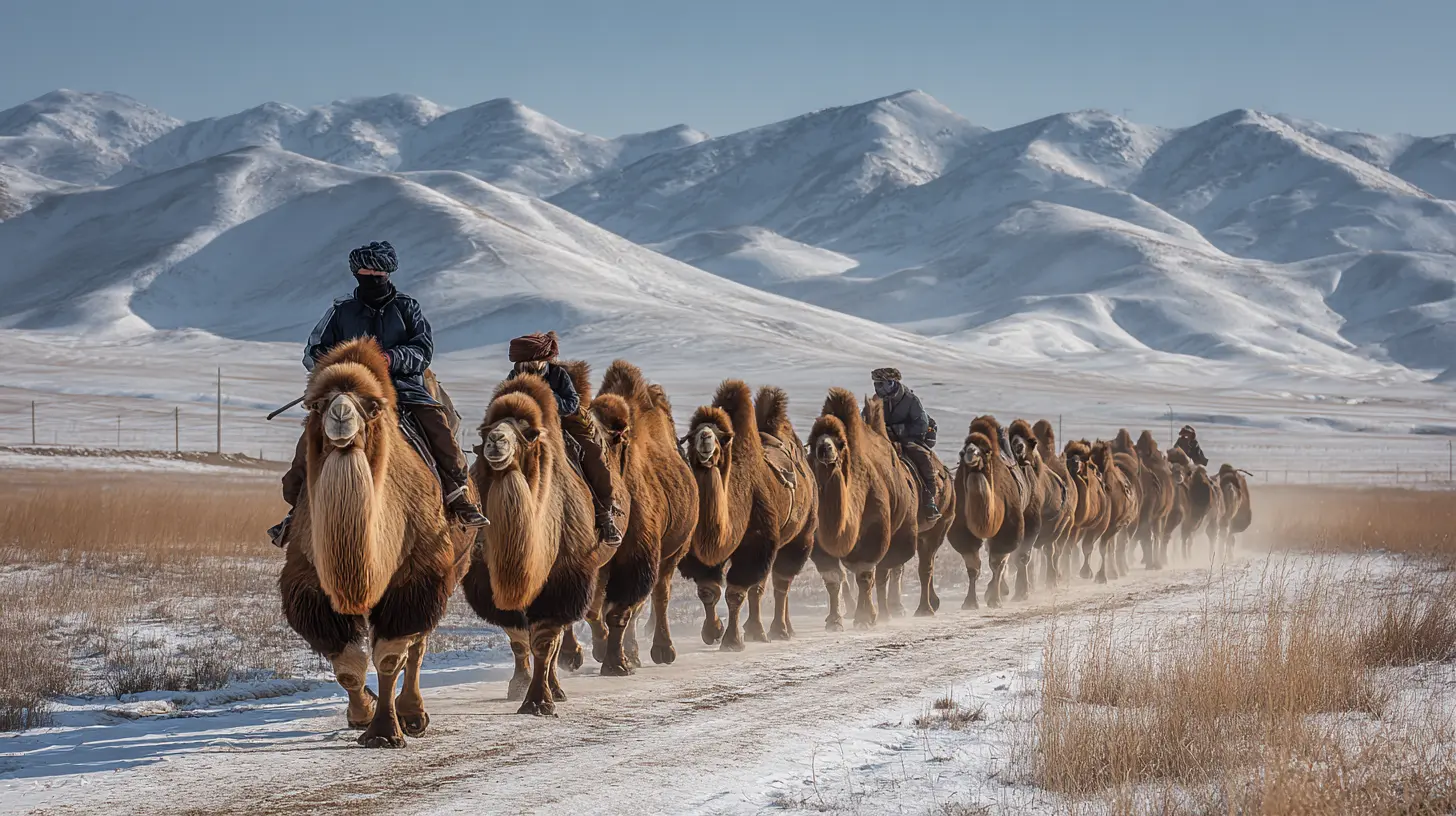
The Time-Traveler’s Toolkit: How to Walk in Ancient Footsteps in 2026
This isn’t a museum-hopping tour of Europe. A 2026 Silk Road journey requires a specific mindset and a bit of prep.* Embrace the Slow Journey: The point is the path, not just the pin on the map. Take a train through the Kazakh steppe. It’s hours of hypnotic, golden grassland. This is where you read, think, and watch the endless sky—the same sky the caravans navigated by.
* Talk to the “Living Artifacts”: History here isn’t locked in glass cases. It’s in the hands of a master paper maker in Samarkand, using techniques from the 8th century. It’s in the eyes of a Kyrgyz eagle hunter, a tradition spanning millennia. Your most vivid souvenirs will be these connections.
* Taste the Timeline: Your taste buds are a time machine. Sink your teeth into plov in Uzbekistan, a hearty rice dish cooked over an open fire. Try laghman (hand-pulled noodles) in Xinjiang. Each flavor is a direct descendant of the culinary exchange the Silk Road facilitated.
* Travel Light, But Travel Smart: Pack layers, sturdy shoes, and an open mind. More importantly, pack respect. You’re visiting regions with deep, conservative traditions. A headscarf in Iran, modest clothing in rural areas—these aren’t inconveniences; they’re your tickets to genuine connection and respect.
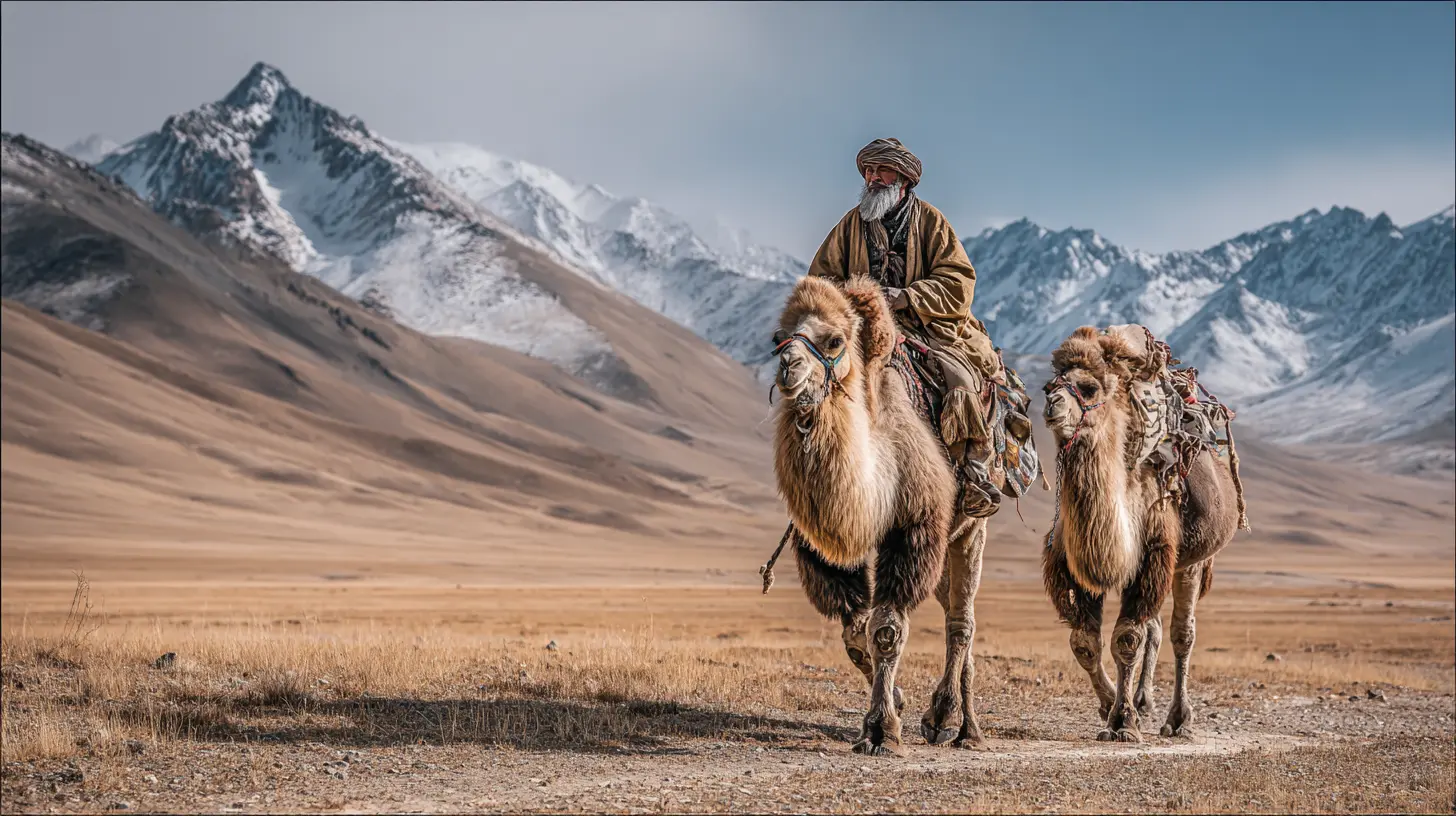
The Ghosts in the Bazaar: What You’re Really Carrying Home
You’ll come back with photos, sure. Maybe a carpet or a piece of pottery. But the real cargo you’ll bring back is more profound.You’ll understand that globalization isn’t a 21st-century invention; it’s an ancient rhythm. That the world has always been connected in messy, complicated, and beautiful ways. The Silk Road teaches resilience—the sheer will it took to cross those deserts and mountains. It teaches the value of the middleman, the translator, the guide—the connectors of the world.
Mostly, it shatters the idea of “the other.” When you see a Chinese design motif in a Persian mosque, or hear a story in Turkey that echoes a legend from Central Asia, you realize our stories, our art, and our appetites have always been intertwined. The borders on our maps are recent scribbles over a much older, more interconnected human story.
So, is 2026 the year? Will you trade your standard vacation for a voyage through time? The Silk Road isn’t waiting. It’s just… paused. Its caravanserais are in ruins, its camels are mostly in zoos, but its spirit—that relentless human urge to connect, trade, and discover—is etched into the very dust of the continents. All it needs is a modern traveler with a bit of wit, a sturdy pair of shoes, and the curiosity to listen to the whispers on the wind. Your journey through time awaits.
all images in this post were generated using AI tools
Category:
Iconic RoutesAuthor:

Pierre McKinney
Discussion
rate this article
2 comments
Nina McIntire
Lovely to see history alive today.
April 29, 2026 at 2:32 PM
Adrian McPhee
Embarking on the Silk Road is not just a journey through landscapes, but an enriching experience of history, culture, and connection!
April 18, 2026 at 3:02 PM