Exploring the Many Faces of African Cuisine
12 July 2026
Africa—just the name of this massive continent stirs up images of breathtaking landscapes, vibrant cultures, and deeply-rooted traditions. But one of Africa’s most underrated gems? Its cuisine.
You see, African food isn’t just food. It’s a story. A soulful melody of spices, textures, and traditions passed down through generations. It’s communal, it’s diverse, and above all—it's deliciously bold.
So, buckle up your tastebuds, because we’re about to take a flavorful journey across the many faces of African cuisine. Ready to get hungry?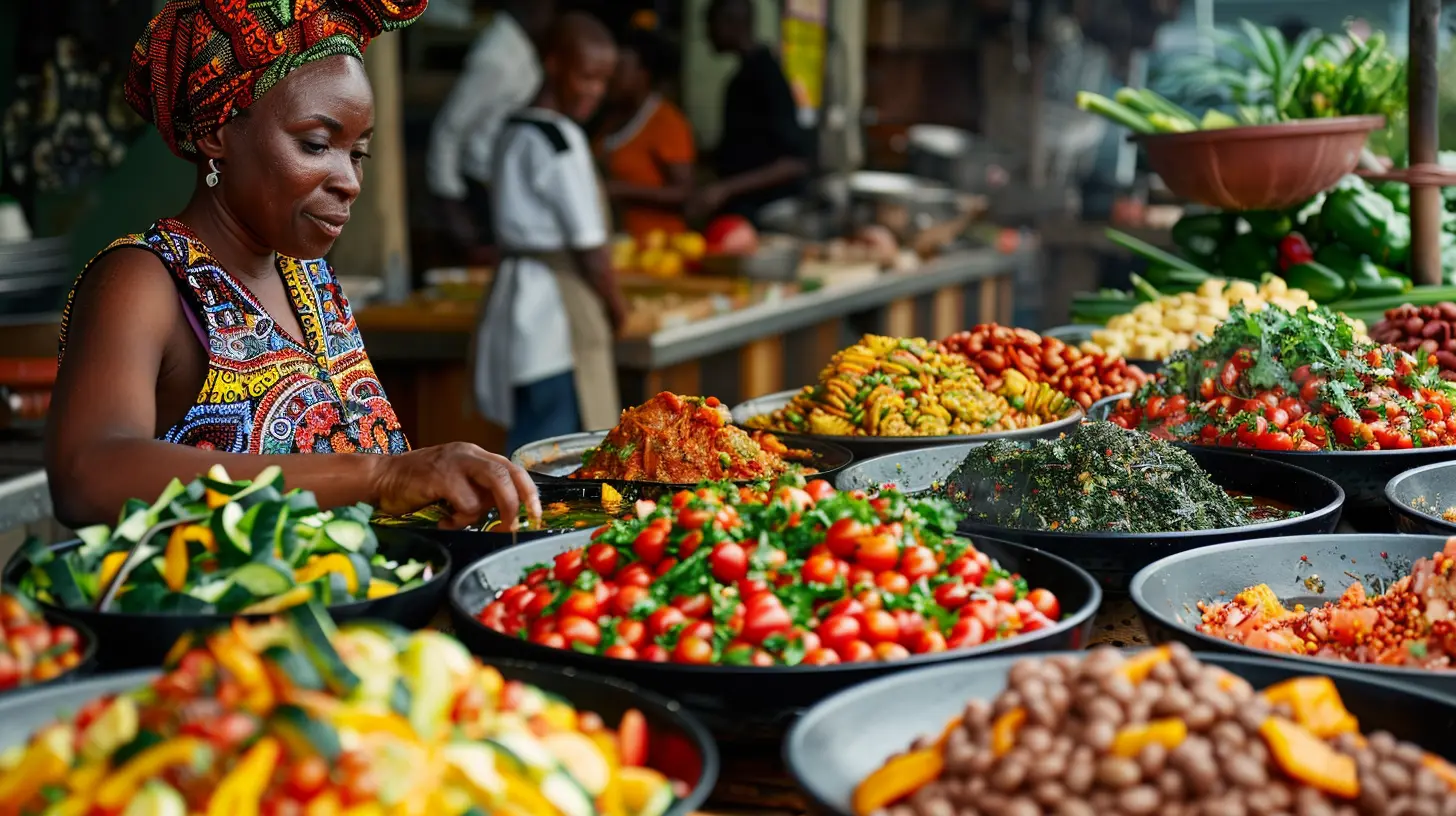
The Incredible Diversity of African Cuisine
Let’s kick things off with a reality check—Africa is massive. We’re talking over 1.4 billion people across 54 countries. It’s not one country, it’s a continent. So when someone says “African food,” it’s like saying “European food” or “Asian food.” It simply doesn’t do justice.Every region, country, and even individual tribe has its own unique food culture. We're talking thousands of dishes—with drastically different ingredients, cooking styles, and influences.
Why Is African Cuisine So Diverse?
Great question! A few reasons:- Geography: From lush forests to arid deserts, the land shapes the diet.
- Colonial History: European, Arab, and Indian influences have left culinary footprints.
- Trade & Migration: Over time, spices, recipes, and ingredients traveled and evolved.
So yeah, African cuisine is not monolithic—it’s a mosaic. Let’s break it down, region by region.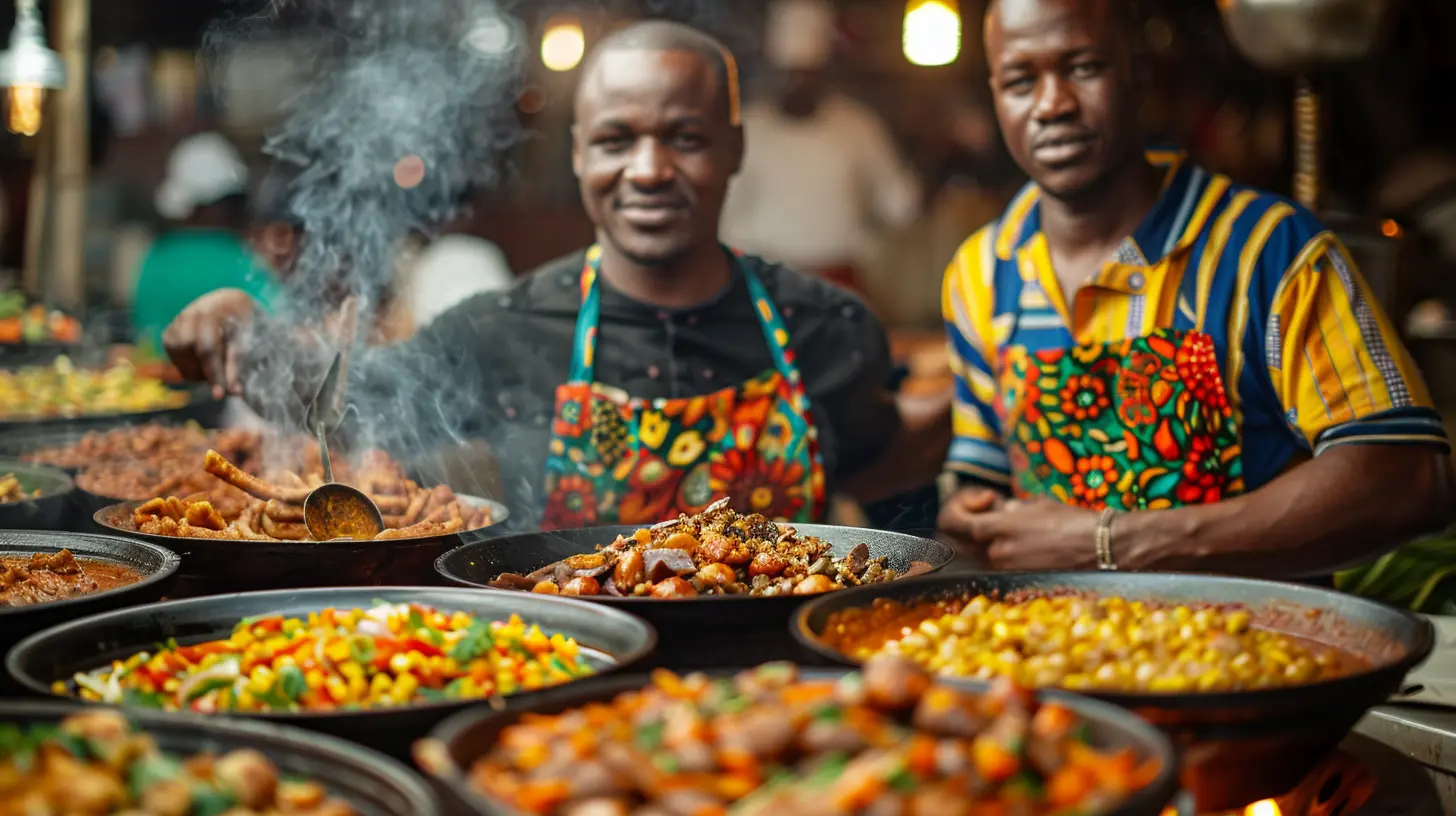
North African Cuisine: Where Spices Speak First
North Africa is your first stop. Countries like Morocco, Algeria, Egypt, Tunisia, and Libya share a culinary heritage that’s rich in flavor and color.Spices, Spices, And More Spices
The North African kitchen is like a perfume shop for your nose—fragrant and intoxicating. Think cumin, coriander, turmeric, cinnamon, saffron, and harissa paste. They don’t just season food; they elevate it.Must-Try Dishes from North Africa
- Couscous – Fluffy semolina grains topped with stewed meats and veggies. Kind of like the North African answer to pasta.- Tagine – A slow-cooked stew made in a conical clay pot. Chicken with preserved lemons and olives? Yes, please!
- Ful Medames – A hearty Egyptian dish of fava beans, olive oil, garlic, and lemon juice. Humble and just so good.
These dishes are a sensory overload—and in the best way possible.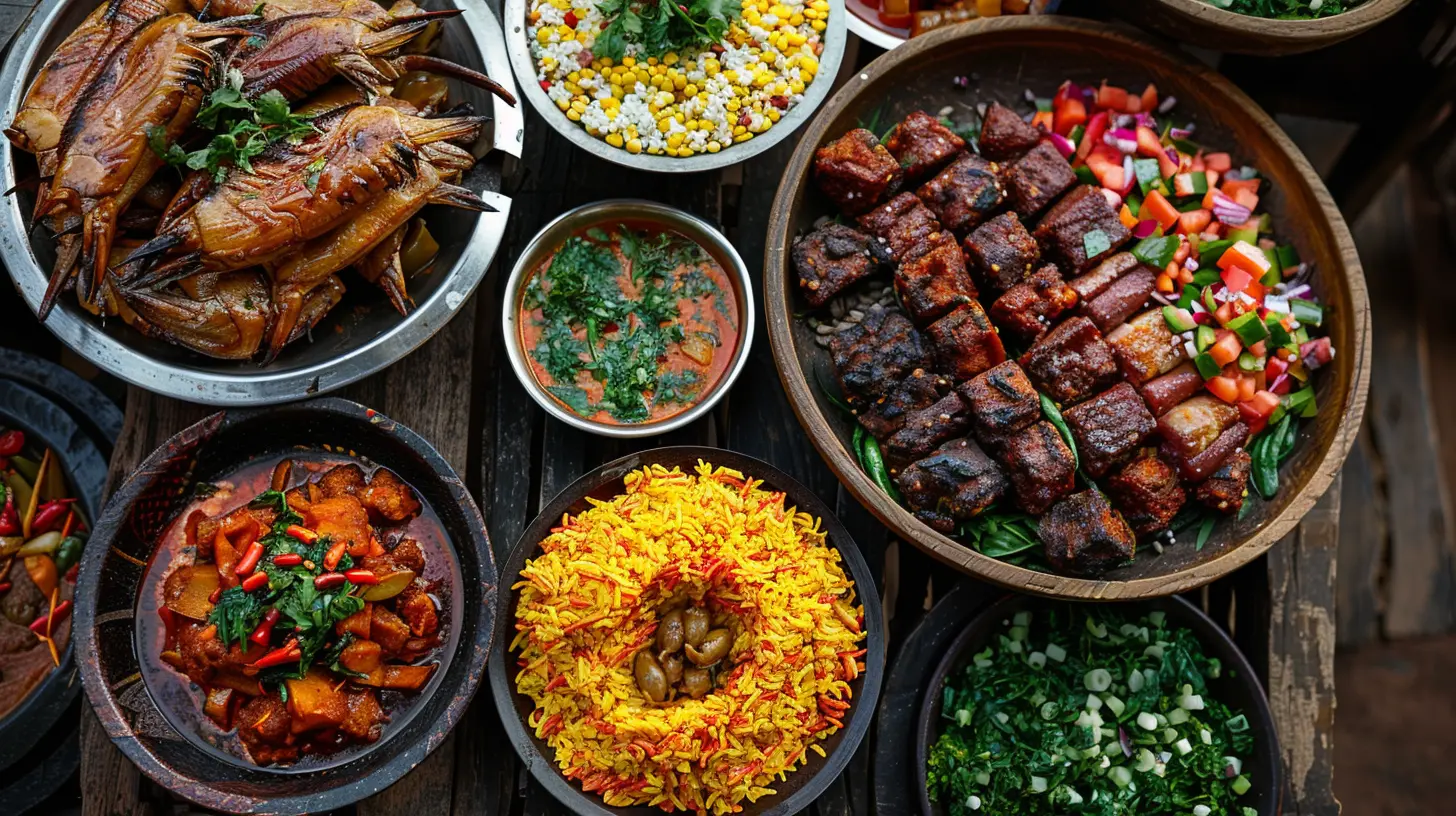
West African Cuisine: Bold Flavors and Big Personality
West Africa is like that friend who always brings energy to the party. Countries like Nigeria, Ghana, Senegal, and Ivory Coast bring heat, heart, and hustle to the table.Staples That Hold It All Together
West African food is grounded in a few core ingredients: yams, plantains, cassava, peanuts, and rice. And let’s not forget palm oil—it gives dishes that signature reddish hue and bold flavor.What’s Cooking in West Africa?
- Jollof Rice – The mother of all rice dishes. Every country claims to make the best version, and the rivalry is real. Smoky, spicy, and absolutely addictive.- Egusi Soup – Made with ground melon seeds, this thick and hearty soup is often paired with pounded yam. It’s texture heaven.
- Suya – Think of it as West Africa’s street food royalty. Grilled spicy meat skewers, often dusted with a peanut-spice blend.
Pro tip: Don’t be afraid of the spice. West Africans love their heat, and chili peppers are their ride-or-die.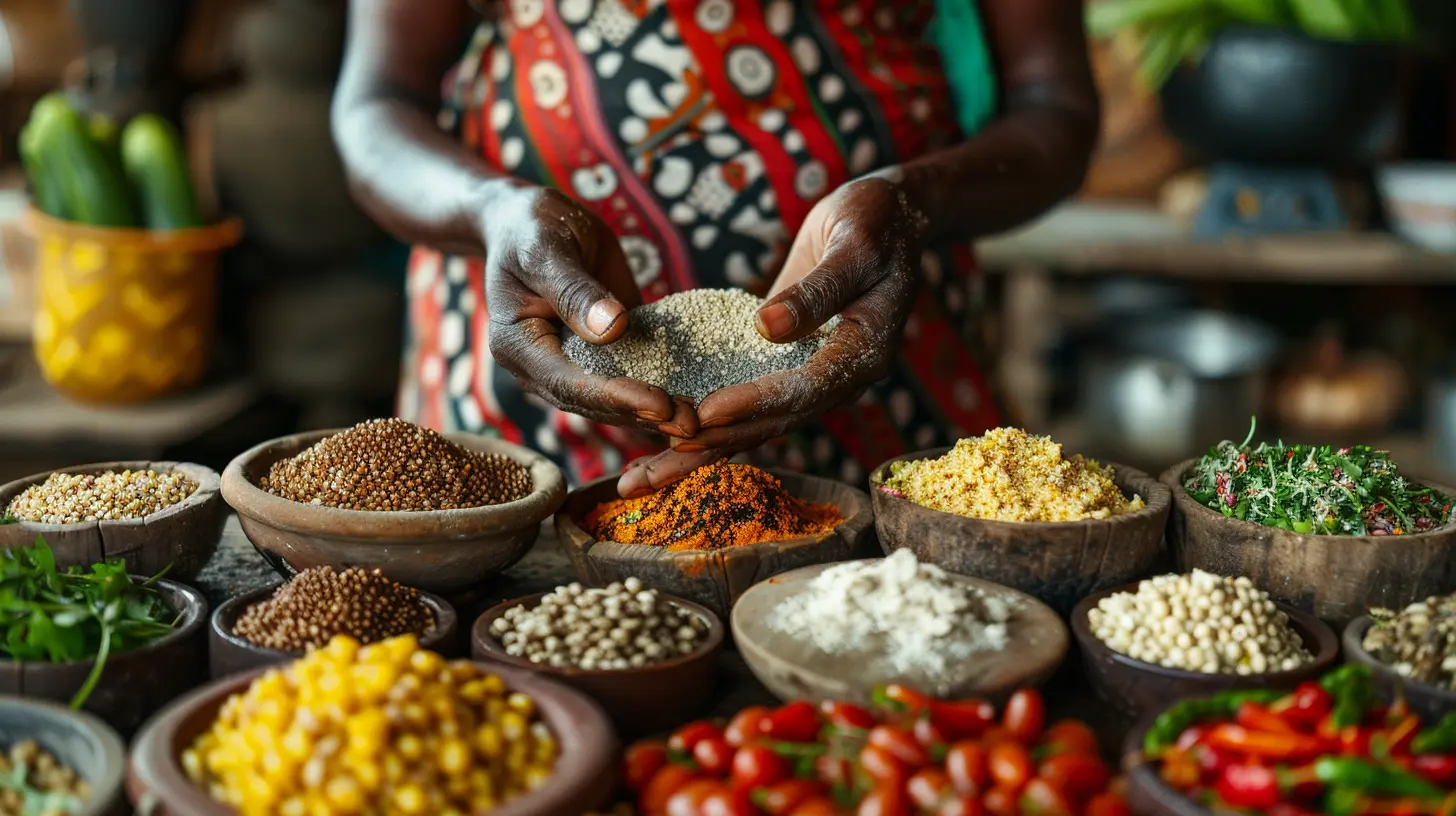
East African Cuisine: A Blend of Cultures on a Plate
Moving eastward, we’re talking about Ethiopia, Kenya, Tanzania, Uganda, and Somalia. East African cuisine is like the perfect playlist—diverse, surprising, and memorable.Ethiopian Eats: A League of Its Own
If you’ve never sat around a big communal platter of injera (a spongy sourdough flatbread) topped with piles of stewed dishes, well, you're missing out. Ethiopian food is shared, intimate, and loaded with flavor.- Injera and Wat – The national treasure. Wat (a slow-cooked spicy stew) meets injera in a glorious mess of taste and texture.
- Tibs – Sautéed chunks of meat with onions and spices. Think stir-fry, but with more attitude.
- Kitfo – Spiced raw or rare ground beef. Not for the faint of heart, but it’s a cultural experience.
Swahili Coast: Where Africa Meets the Ocean
The Swahili Coast, stretching along Kenya and Tanzania, offers a mix of African, Indian, and Arabic influences. Coconut milk, cloves, cardamom—oh my!- Pilau – Spiced rice that sings with flavor.
- Nyama Choma – Grilled meat, often goat, served with a side of fun and laughter.
East African cuisine is comfort food with character.
Central African Cuisine: The Underrated Gem
Often overlooked, Central Africa (think Cameroon, Gabon, Congo, and the Central African Republic) offers rustic, earthy dishes that are deeply authentic.What Makes Central African Food Unique?
It’s all about root vegetables, wild meats, and leafy greens. The dishes are simple but full of depth—kind of like your grandma’s cooking.- Ndolé – Cameroon’s national dish made with bitter leaves, nuts, beef, or shrimp.
- Fufu – A dough-like staple made from cassava or plantains. Used to scoop up soups and stews—no forks necessary.
- Moambe Chicken – Chicken simmered in a thick sauce made from palm butter. Rich doesn’t even cover it.
This is soul food. Period.
Southern African Cuisine: A Cultural Melting Pot
Southern Africa brings together indigenous, European, and Asian flavors in a way that feels both familiar and novel. South Africa, Zimbabwe, Namibia, and Mozambique lead the flavor parade here.A Symphony of Influences
Thanks to colonization and globalization, the food here is a hybrid of old and new. You’ll see Dutch pastries, Indian curries, and age-old African staples sharing the same plate.- Bobotie – A Cape Malay dish that’s basically a spiced meatloaf topped with an egg custard. Weird? Maybe. Delicious? Absolutely.
- Bunny Chow – A hollowed-out loaf of bread filled with spicy curry. Street food at its finest.
- Pap and Chakalaka – Maize porridge and spicy vegetable relish. The ultimate sidekick combo.
Southern African food is approachable, intriguing, and totally comforting.
Street Food Across Africa: Quick Bites with Big Flavor
Don’t underestimate African street food—it’s where the magic really happens. It’s affordable, authentic, and downright addictive.- Puff-Puffs (West Africa) – Deep-fried dough balls. Like donuts, but sassier.
- Zanzibar Pizza (East Africa) – A cross between a kebab and a calzone.
- Boerewors Rolls (South Africa) – Think hotdogs, but with juicy spiced sausage.
If you’re a foodie traveler, this is where you’ll find the heart of local culinary culture. Just follow the crowd—or the smell of sizzling oil.
Modern African Cuisine: Mixing Old with New
African chefs today are doing amazing things—fusing tradition with innovation to create modern, globally-inspired dishes that still honor their roots.Restaurants are popping up across Africa’s urban centers (and even worldwide!) that offer a fresh take on grandma’s recipes—with flair, finesse, and farm-to-table freshness.
So whether you’re chowing down at a street stall or enjoying a five-course meal at a fine dining restaurant, African cuisine is having a well-deserved moment in the culinary spotlight.
Why the World Needs to Pay Attention
Honestly, it’s about time African cuisine got the recognition it deserves. It’s flavorful, colorful, healthy, and rooted in sustainability and community. It brings people together in the best way possible—around food, stories, and laughter.So next time someone mentions African food, don’t think of it as one thing. Think of it as a thousand voices coming together to tell a flavorful story—each dish a chapter, each bite a memory.
Hungry yet?
Final Thoughts: Eat With Curiosity
Exploring the many faces of African cuisine isn’t just an adventure for your taste buds—it’s a journey through history, culture, and people’s lives. Whether you’re trying Ethiopian injera for the first time or revisiting your favorite Nigerian jollof rice, remember: food is identity, and Africa has a lot to say.I've shared just the tip of the culinary iceberg—so here’s my advice: eat with curiosity. Ask questions. Try new things. And hey, maybe even try your hand at cooking a dish or two!
Because when it comes to African cuisine, the more you taste, the more you realize just how vast and beautiful this continent really is.
all images in this post were generated using AI tools
Category:
Culinary AdventuresAuthor:

Pierre McKinney