Exploring the Salt Flats: Deserts Beyond Sand
29 January 2026
When you think of deserts, what pops into your mind? Probably endless dunes of golden sand, right? Maybe the sweltering sun beating down, a camel or two slowly trekking across the landscape. Classic desert vibes. But what if I told you there are deserts out there that look more like shimmering alien planets than sandy wastelands?
That's right—welcome to the world of salt flats. These surreal, mirror-like landscapes break every stereotype about what a desert “should” look like. Flat, white, and stretching farther than your eyes can see, salt flats are nature’s way of showing off. Let’s dive into these salty wonders and find out why they should be on your travel bucket list.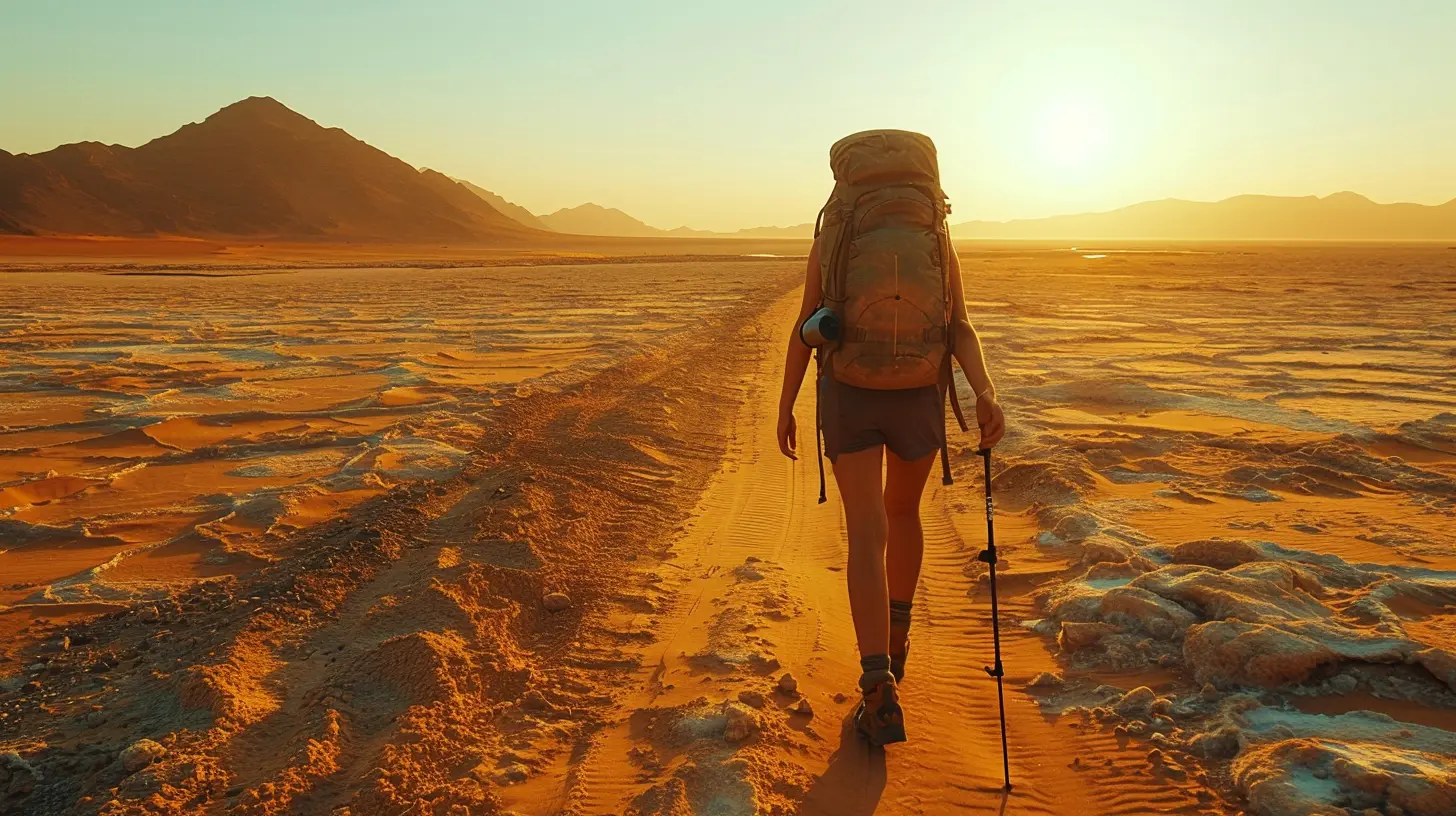
What Are Salt Flats, Really?
At their core, salt flats—or salt pans—are large, flat expanses covered in salt and other minerals. These form when water from a lake or sea evaporates in an arid region, leaving layers of salt behind. Over time, the salt hardens, forming a crusty, white surface that looks like snow but crunches like gravel.Unlike sand dunes that shift and reshape with the winds, salt flats are sturdy, unchanging, and eerily quiet. It’s like stepping into a frozen ocean, except you don’t need boots or a coat—you’ll need sunglasses though because that reflection off the salt is no joke.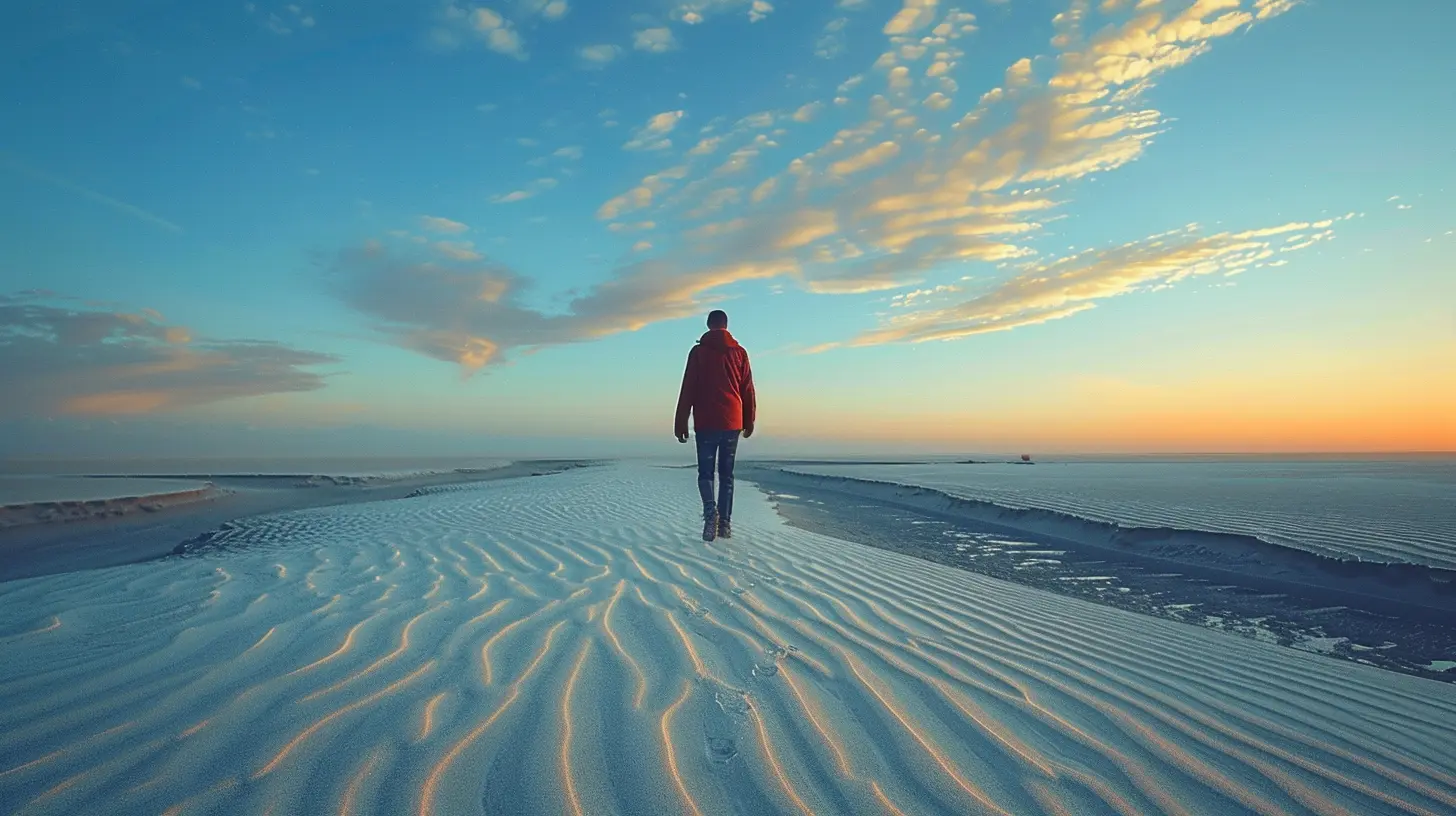
The Science Behind the Sparkle
Why do they shine so much? Great question. The bright white color comes from the high mineral content in the salt—mostly sodium chloride, but sometimes other bits like gypsum or borax sneak in. When the sun hits the flat surface, it reflects like a giant mirror. Sometimes, after a rare rainfall, you’ll get that iconic mirror effect—one that makes it look like the sky is walking on water.This phenomenon isn’t just Instagram gold—it’s a reminder of how nature creates beauty in the most unexpected ways. Deserts aren’t lifeless voids; they’re works of art sculpted over millennia.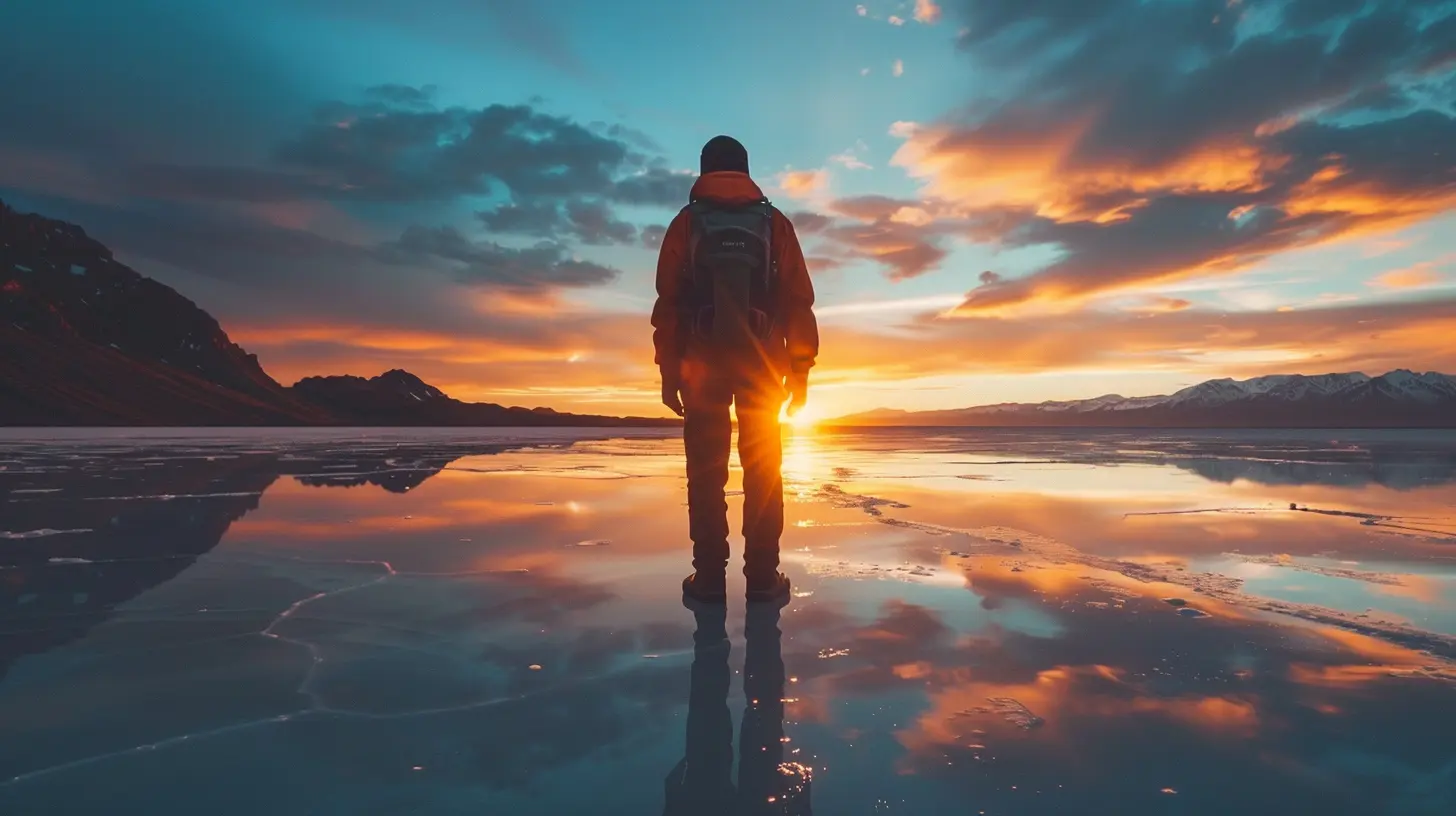
Where to Find These Glimmering Giants
Now let’s talk locations because if you're planning your next epic trip, these spots deserve a pin on your map. Salt flats can be found all over the world, and each has its own magic.1. Salar de Uyuni, Bolivia 🧂
Hands down, this is the Beyoncé of salt flats. Located high in the Andes, Salar de Uyuni is the world’s largest salt flat, spanning over 10,000 square kilometers (that’s bigger than some countries, by the way).During the rainy season (around January to March), a thin layer of water transforms the flats into the world’s biggest mirror. It’s so reflective that NASA even calibrates satellites using it. During the dry season, it's a blinding white expanse with geometric salt patterns that look like Mother Nature’s tile work. Either way, it's a surreal experience.
Bonus? There’s a hotel made entirely of salt here. Yes, even the furniture.
2. Bonneville Salt Flats, Utah, USA 🇺🇸
Closer to home (if you’re in North America), Bonneville is a mind-blowing place for other reasons: speed. This flat, solid terrain is perfect for racing, and every year, daredevils gather to set land speed records here.If you're a fan of motorsports or just want to witness the feeling of infinity, this is your go-to. The landscape stretches so far, it blurs the line between earth and sky.
3. Rann of Kutch, India 🇮🇳
Now, let’s talk drama. The Rann of Kutch isn’t just a salt flat—it's a seasonal salt marsh that comes to life in winter. The White Rann Festival held here is a cultural explosion of music, dance, camel rides, and food, all against the stark beauty of the salt desert.Imagine dancing under a full moon on a shimmering white landscape. Sounds unreal, right? It’s actually happening every year.
4. Etosha Pan, Namibia 🇳🇦
This is a salt flat with a side of safari. The Etosha Pan is a giant salt depression inside the Etosha National Park. During the dry season, it looks like a lunar surface—cracked, dry, and ghostly. But when the rains come, it turns into a temporary lake that attracts flamingos, pelicans, and other wildlife.It’s where wildlife photography meets post-apocalyptic movie set. And yes, it’s as wild as it sounds.
Salt Flats vs. Sand Dunes: A Tale of Two Deserts
Let’s pit these natural wonders against each other for fun.| Feature | Sand Dunes | Salt Flats |
|------------------------|-------------------------------|-----------------------------------|
| Texture | Fine, shifting sand | Hard, crunchy salt crust |
| Color | Golden, reddish, even black | Shiny white or light grey |
| Activities | Sandboarding, camel rides | Photography, speed racing |
| Vibe | Classic desert mystique | Otherworldly sci-fi landscape |
| Footprint | Leave a trail | Float like you’re on the Moon |
So, are salt flats the cooler cousin of sandy deserts? Maybe. At the very least, they’re completely different experiences you need to feel to fully grasp.
Tips Before You Visit a Salt Flat
Alright, adventurer-to-be, before you pack your bags, let’s get real. Visiting salt flats isn’t like hitting up a beach or hiking trail. You’re heading into one of the most extreme environments on Earth. Here’s how to prep:1. Bring Sunglasses (Seriously)
The glare from the salt can be intense. And I mean, squint-your-eyes-shut intense. Polarized sunglasses are your best friend out there.2. Hydration is Key
You may not feel hot thanks to the breeze over the flat surface, but dehydration kicks in fast. Always carry more water than you think you’ll need.3. Layer Up
Deserts (yes, even salty ones) are tricky. It might be scorching during the day but freezing at night. Dress smart—layers are the way to go.4. Respect the Environment
Salt flats are fragile ecosystems. Stick to marked paths, don't drive on areas you're not supposed to, and be mindful about leaving no trace. Let's keep these marvels pristine.5. Get Creative With Photos
Ever seen photos of people holding up toy dinosaurs or squishing their friends between their fingers on a salt flat? That’s the magic of no horizon lines! Play around with perspective photography—you’ll thank us later.Why Salt Flats Feel So... Otherworldly
Okay, let's get a bit dreamy. Standing in a salt flat feels like floating in space. The silence is deep—so much so that you start hearing your own heartbeat. There’s a bizarre calmness, like the world pressed pause.The lack of visual cues (no trees, no buildings, no hills) makes it easy to lose your sense of scale. One step feels like a mile, and a distant figure could be 10 feet away or 100. It's disorienting, fascinating, and unlike any experience you'll get from your typical tourist spot.
Hidden Salt Flat Gems You Probably Haven’t Heard Of
Sure, the big names get all the glory, but there are lesser-known salt flats begging for some attention too.- Salinas Grandes, Argentina: A stunning, lesser-touristed stretch in northern Argentina. Fewer crowds, equally stunning.
- Chott el Jerid, Tunisia: Sci-fi fans, this one's for you. Scenes from Star Wars (like Luke Skywalker’s home planet, Tatooine) were filmed here.
- Makgadikgadi Pans, Botswana: One of the largest salt flats in the world, it becomes a temporary wetland that draws flamingos and zebras.
These spots offer the same magic, minus the tourist crowds. Plus, there’s something special about discovering an off-the-beaten-path gem, right?
Salt Flats and Culture: Not Just Pretty Photos
For many indigenous cultures, salt flats are sacred. In Bolivia, the Aymara and Quechua communities have deep spiritual ties to Salar de Uyuni. In India, the people of Gujarat celebrate the Rann of Kutch during full moons with music and rituals that date back centuries.Salt has always been a symbol of purity, trade, and value. It's more than just seasoning for your fries—it's part of human history. Visiting these flats isn't just a photo op; it's a way to respect and connect with that ancient past.
Final Thoughts: A Desert That Defies Expectations
Exploring the salt flats is like ditching the rulebook on what we think deserts are supposed to be. These aren’t just barren white wastelands—they’re living, breathing, sparkling canvases. Some are wild raceways, some are sacred grounds, and some are peaceful places where the sky kisses the Earth.So next time your wanderlust kicks in, think beyond the beach or forest trail. Think salt. Think vast. Think adventure.
Salt flats may be deserts, but they’re anything but dry when it comes to experience.
all images in this post were generated using AI tools
Category:
Desert AdventuresAuthor:

Pierre McKinney
Discussion
rate this article
2 comments
Nathaniel Alexander
The Salt Flats offer a mesmerizing landscape unlike any other. Their unique beauty and vastness invite adventure, making them a must-visit destination for desert lovers.
March 2, 2026 at 5:58 PM
Pierre McKinney
I couldn't agree more. The Salt Flats truly create a one-of-a-kind experience that draws you in and inspires exploration.
Sasha Holland
Discover the stunning beauty and unique landscapes of salt flats beyond traditional deserts.
January 29, 2026 at 3:19 AM
Pierre McKinney
Thank you! Salt flats offer a captivating contrast to typical deserts, showcasing their own breathtaking beauty and unique ecosystems.