Getting Close to Nature: Travel Photography in National Parks
12 December 2025
Have you ever stood in front of a jaw-dropping mountain view and thought, “Wow, I wish I could capture this”? If so, you're not alone. Travel photography in national parks is one of the most fulfilling—and let’s be honest, Instagrammable—ways to connect with nature. From golden-hued sunsets over the Grand Canyon to misty mornings in the Great Smoky Mountains, these parks offer more than hiking trails and wildlife. They’re basically nature’s art galleries just waiting for your camera to show up.
In this guide, we’re going headfirst into the world of national park photography. Whether you're toting a DSLR, mirrorless beast, or just your trusty smartphone, this article's packed with tips, tricks, and ideas to help you return home with more than just memories.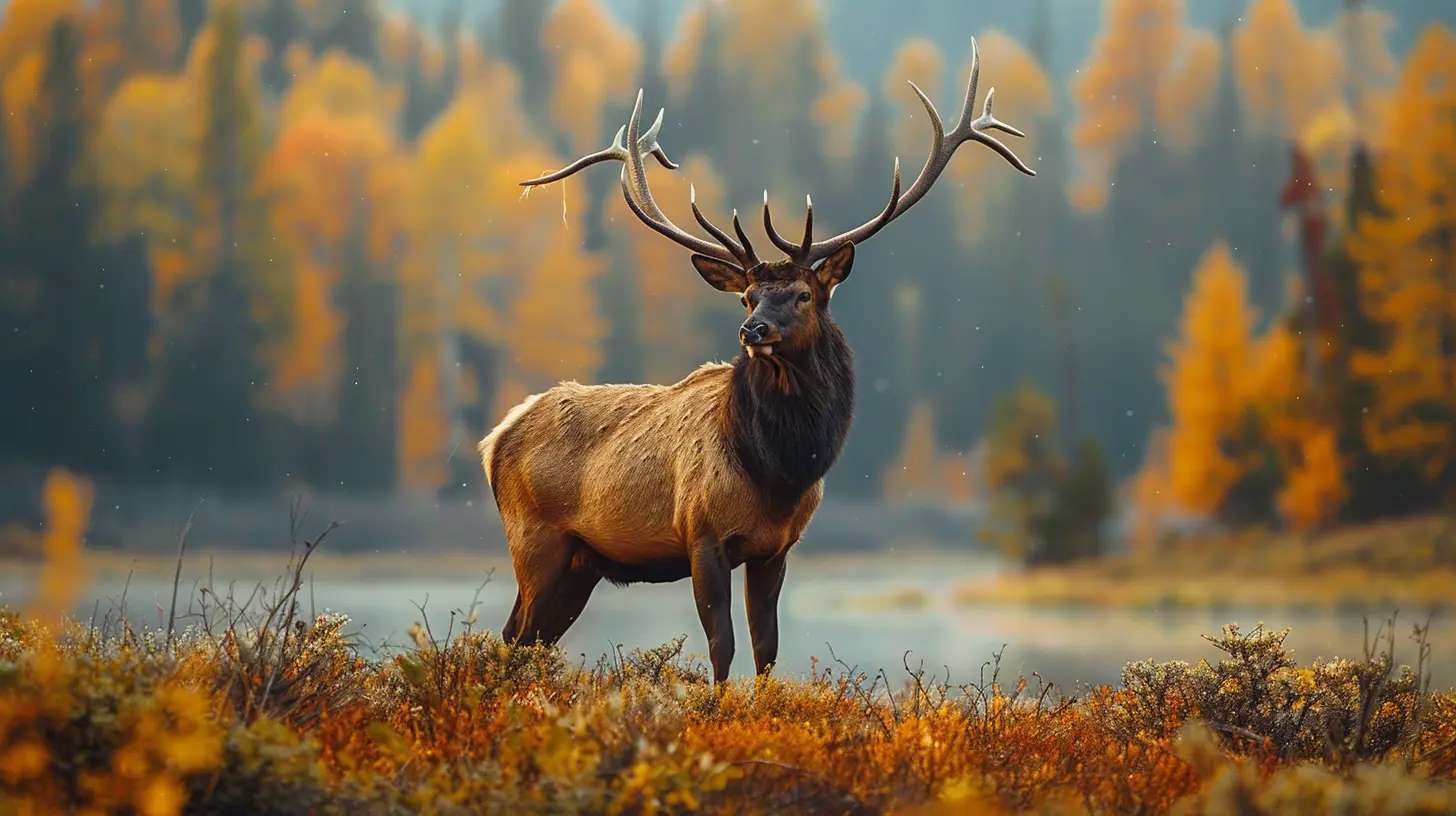
Why National Parks are a Photographer’s Playground
Let’s face it—national parks are the supermodels of the natural world. They don’t have a bad angle. The light is often dreamy, the landscapes are epic, and the wildlife? Let’s just say they don’t need a second take.America alone boasts over 60 national parks, and each has its own personality. Take Yosemite with its towering granite cliffs, or Yellowstone with geysers that look like special effects from a sci-fi movie. The variety is endless. Want desert vibes? Head to Arches or Joshua Tree. Prefer lush greenery? Olympic or Shenandoah has you covered. It’s like nature’s version of a photographer’s buffet.
Essential Gear for National Park Travel Photography
Let’s talk gear. I get it—lugging around a ton of camera equipment while hiking doesn’t exactly scream “vacation.” But the right setup can make all the difference between “meh” and “wow” shots.Here’s a simple checklist:
🏞️ Camera
- DSLR or Mirrorless: If you’re serious about quality, a full-frame camera gives you those crisp, rich-toned images.- Smartphones: These days, phones like the iPhone 14 Pro or Galaxy S series can deliver shockingly good results.
🎯 Lenses
- Wide-Angle Lens (16-35mm): Perfect for sweeping landscapes and dramatic skies.- Telephoto Lens (70-200mm): Ideal for wildlife or when you can’t get close to your subject.
- Prime Lens (50mm): Great for portraits and when you want that buttery depth of field.
📦 Other Essentials
- Tripod (for those killer sunrise/sunset or astrophotography shots)- Polarizing Filter (helps cut glare and boost sky contrast)
- Extra batteries and memory cards
- Lens cloths (dust and mist are part of the game in the wild)
Timing is Everything: The Golden Hours
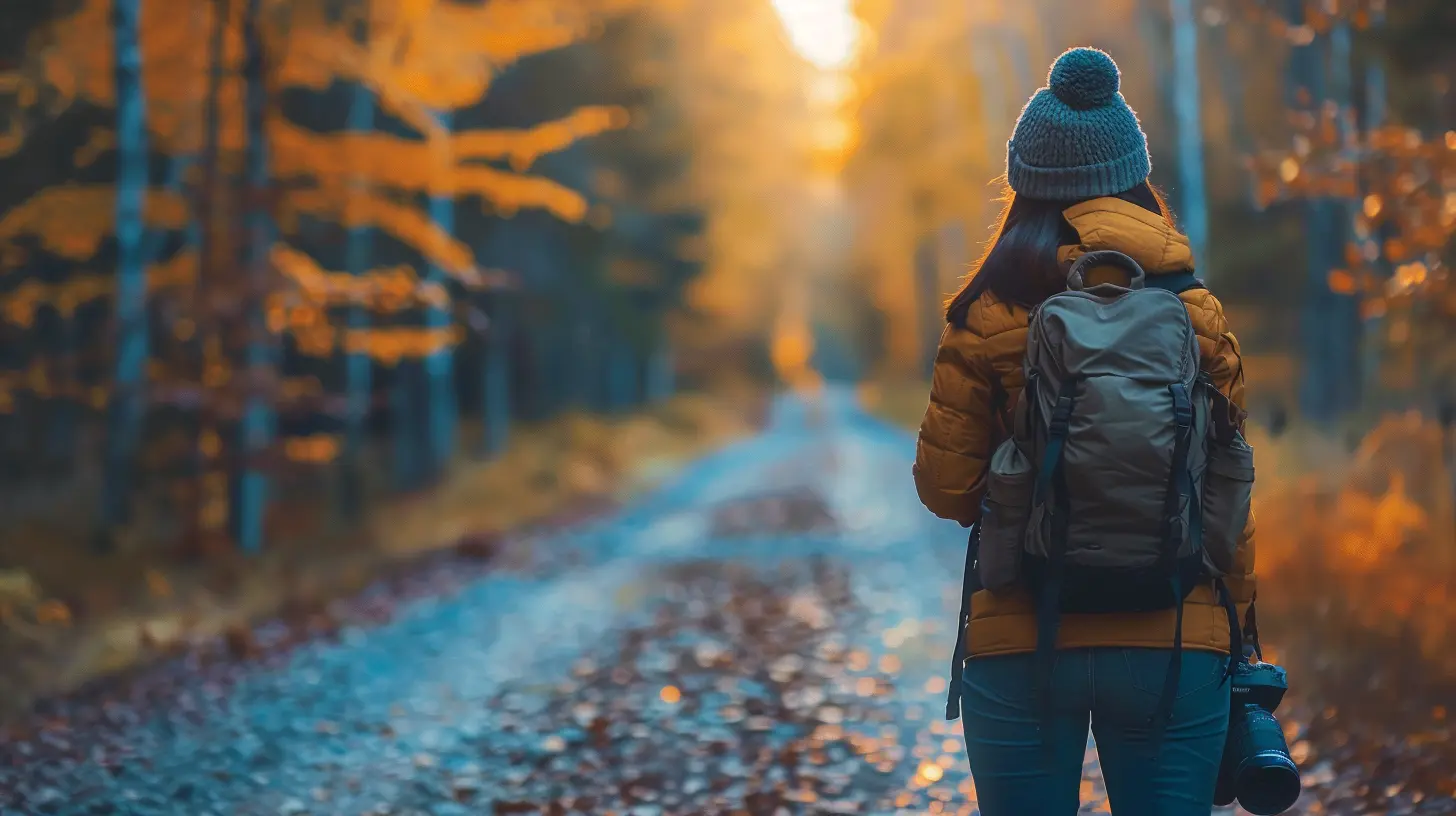
You’ve probably heard of the “golden hour.” It’s that magical time right after sunrise or just before sunset when everything seems to glow. Harsh midday light? Not your friend. Think of it like trying to photograph someone with a flashlight pointed right at them—no thanks.So, when should you shoot?
- Morning: Best for catching misty valleys, wildlife at play, and fewer crowds.
- Evening: Rich hues, dramatic skies, and that tranquil post-hike vibe.
Pro tip: Always check the sunrise and sunset times. Apps like PhotoPills or Golden Hour One are your BFFs here.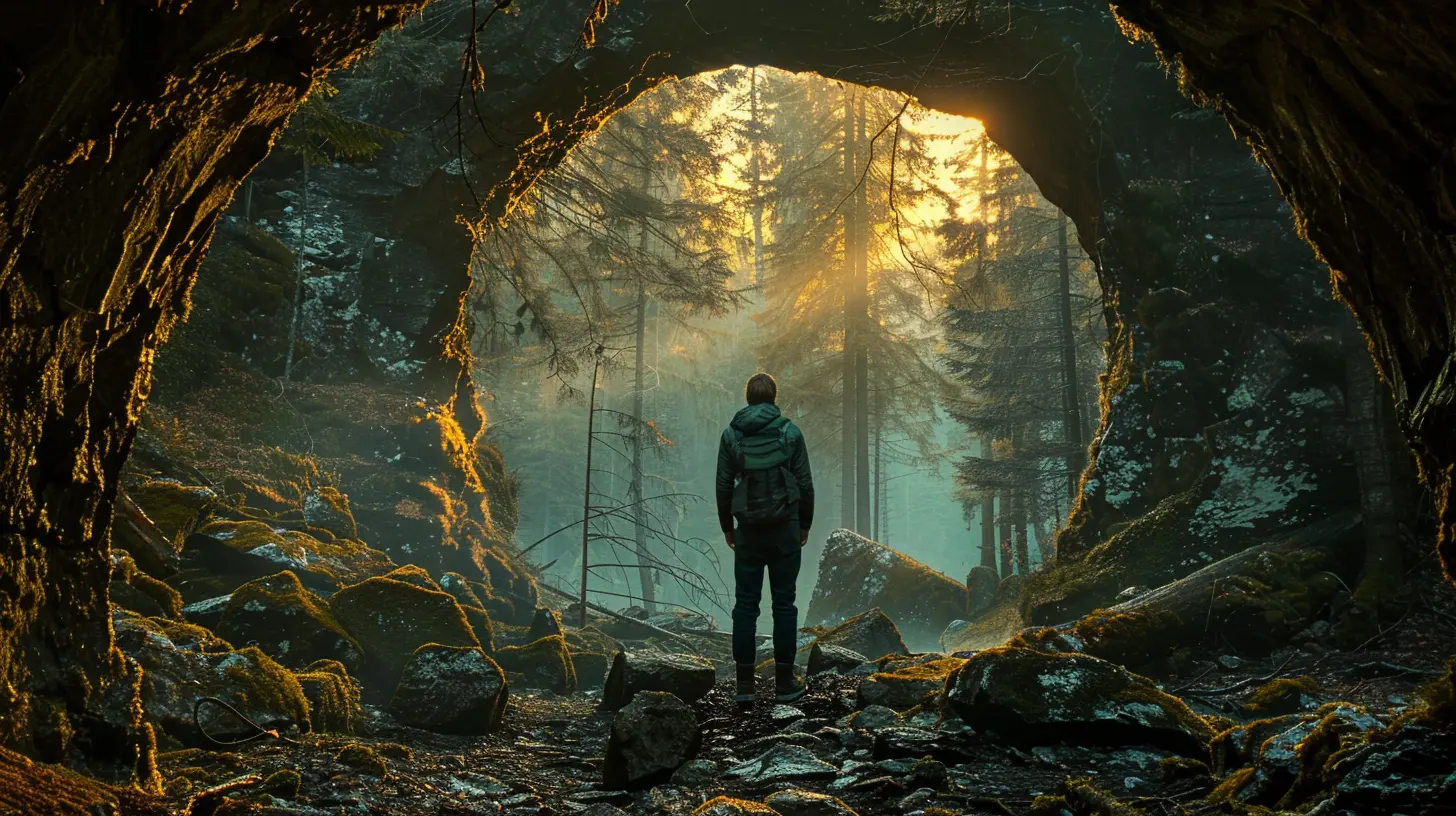
Composition Tricks to Level Up Your Shots
Even if your camera costs more than your car, poor composition can wreck your shot. Luckily, a few simple tricks can work wonders.🌀 Rule of Thirds
Imagine your frame split into a 3x3 grid. Placing key elements (like a mountain peak or a moose) along these lines or intersections can add balance and visual interest.🧭 Leading Lines
Use natural lines like rivers, trails, or tree lines to draw the viewer’s eye into the photo. It's like rolling out a red carpet for the viewer’s attention.🖼️ Framing
Use natural elements—think arching branches or rock formations—to frame your subject. It adds depth and context, like telling a story rather than showing a snapshot.Capturing Wildlife Without Being “That Tourist”
We’ve all seen it—people getting way too close to a bear or elk just for a photo. Don’t be that person. First, it’s dangerous. Second, it’s disrespectful. And third, trust me: long lenses were invented for a reason.✔️ Wildlife Photography Tips
- Stay quiet and still—like, ninja-level still.- Use a telephoto lens to keep a safe, respectful distance.
- Focus on the eyes. That’s where emotion lives.
- Watch the background. A bald eagle against a couple of porta-potties? Not ideal.
Bonus tip: Be patient. Wildlife photography is 90% waiting and 10% clicking. Bring snacks.
National Parks That Excel in Photography Opportunities
You can’t go fully wrong with any national park, but some are just next-level photogenic. Here are a few to add to your bucket list:🌄 Yosemite National Park, California
- What to shoot: El Capitan, Half Dome, Yosemite Falls- Best time: Spring for waterfalls, Fall for golden hues
🎇 Arches National Park, Utah
- What to shoot: Delicate Arch at sunset, stars through the arches- Best time: Early spring or fall
🦌 Yellowstone National Park, Wyoming/Montana/Idaho
- What to shoot: Geysers, Bison, Grand Prismatic Spring- Best time: Early summer or autumn
🌲 Olympic National Park, Washington
- What to shoot: Rainforests, alpine peaks, coastal cliffs- Best time: Late spring through early fall
🌌 Grand Canyon National Park, Arizona
- What to shoot: Sunrise from the South Rim, night sky photography- Best time: Spring and fall for manageable temperatures
Telling a Visual Story
Snapping random shots is fine, but what really makes a photo series stand out is when it tells a story. Think of each image as a chapter.Start with a wide establishing shot—something that screams, “this is where we are!” Then zoom into the details: a pinecone on a trail, the texture of tree bark, or a ranger’s hat hanging on a hook. Add in some human elements—your muddy boots, a marshmallow roasting over the fire, or a candid moment of exhaustion after a hike.
It’s not just about documenting where you went, but how it felt to be there.
Editing Without Overdoing It
We’re all guilty of cranking up the saturation once in a while. But the goal is to enhance, not alter, reality.Use apps like Lightroom or Snapseed for basic edits:
- Adjust exposure and contrast for clarity
- Boost vibrancy slightly, but avoid “nuclear skies”
- Sharpen and crop to focus attention
- Use preset filters sparingly—they're like hot sauce, not the main dish
The idea is to keep the soul of the photo intact, not turn it into a cartoon.
Respecting Nature While Getting the Shot
Look, your IG feed is important. We get it. But not at nature’s expense. Always follow Leave No Trace principles. A few ground rules:- Stay on the trail. Always.
- Don’t rearrange nature for a better photo.
- Drones might be banned—check park rules!
- Avoid flash with wildlife.
Remember: it's not just about taking a picture—it’s about preserving the moment for others too.
Useful Apps & Resources for Travel Photographers
Here's a quick-fire list of handy tools:- AllTrails – Find the best photo-worthy hikes
- PhotoPills – Plan your golden hour & moon phases
- PeakFinder – Identify mountain ranges in your shot
- Gaia GPS – Navigate offline and mark photo spots
- Instagram/Social Media – For inspo, but also for geotagging responsibly (hint: don’t always tag exact locations to protect fragile environments)
Final Thoughts: It's Not Just About the Photos
Here’s the truth: not every photo will be perfect. Heck, half of mine are blurry captures of a bird that flew away too fast or a sunset that fizzled out. But the magic? That’s in the moment.Travel photography in national parks isn’t just about nailing the shot. It’s about slowing down, tuning in, and feeling small in the best way possible. Your camera becomes your companion, your excuse to wander slower, look closer, and stay longer.
So pack that camera, load up your backpack, and hit the trail. Nature is out there, ready to strike a pose.
all images in this post were generated using AI tools
Category:
Travel PhotographyAuthor:
Pierre McKinney
Discussion
rate this article
2 comments
Cara Bennett
Amidst the towering trees and whispering winds, nature holds secrets waiting to be unveiled. Each snapshot captures not just beauty, but the essence of wilderness—a fleeting glance into the soul of the earth. What stories lie hidden in the shadows of these majestic parks?
January 18, 2026 at 5:37 PM
Pierre McKinney
Absolutely! Nature is a storyteller, and each photograph invites us to explore its untold tales. Let's uncover those hidden narratives together through the lens of our journeys.
Samira Black
Absolutely love this! Capturing the beauty of nature in national parks is magical. Every click tells a story—can’t wait to explore and photograph more! 🌿📷
December 26, 2025 at 4:42 AM
Pierre McKinney
Thank you! I'm glad you resonate with the magic of nature photography—each moment truly is a story waiting to be told! Happy exploring! 🌍📸