Historical Landmarks that Changed the Course of History
6 March 2026
The world is full of fascinating places—but some hold a far greater weight than others. Historical landmarks aren't just pretty photos for postcards; they’re time machines. They’ve witnessed revolutions, borne witness to great thinkers and dangerous tyrants, and even marked the very ground where humanity changed paths.
So, let’s dive deep into some of these monumental places—where past and present collide—and find out exactly how they've shaped our world.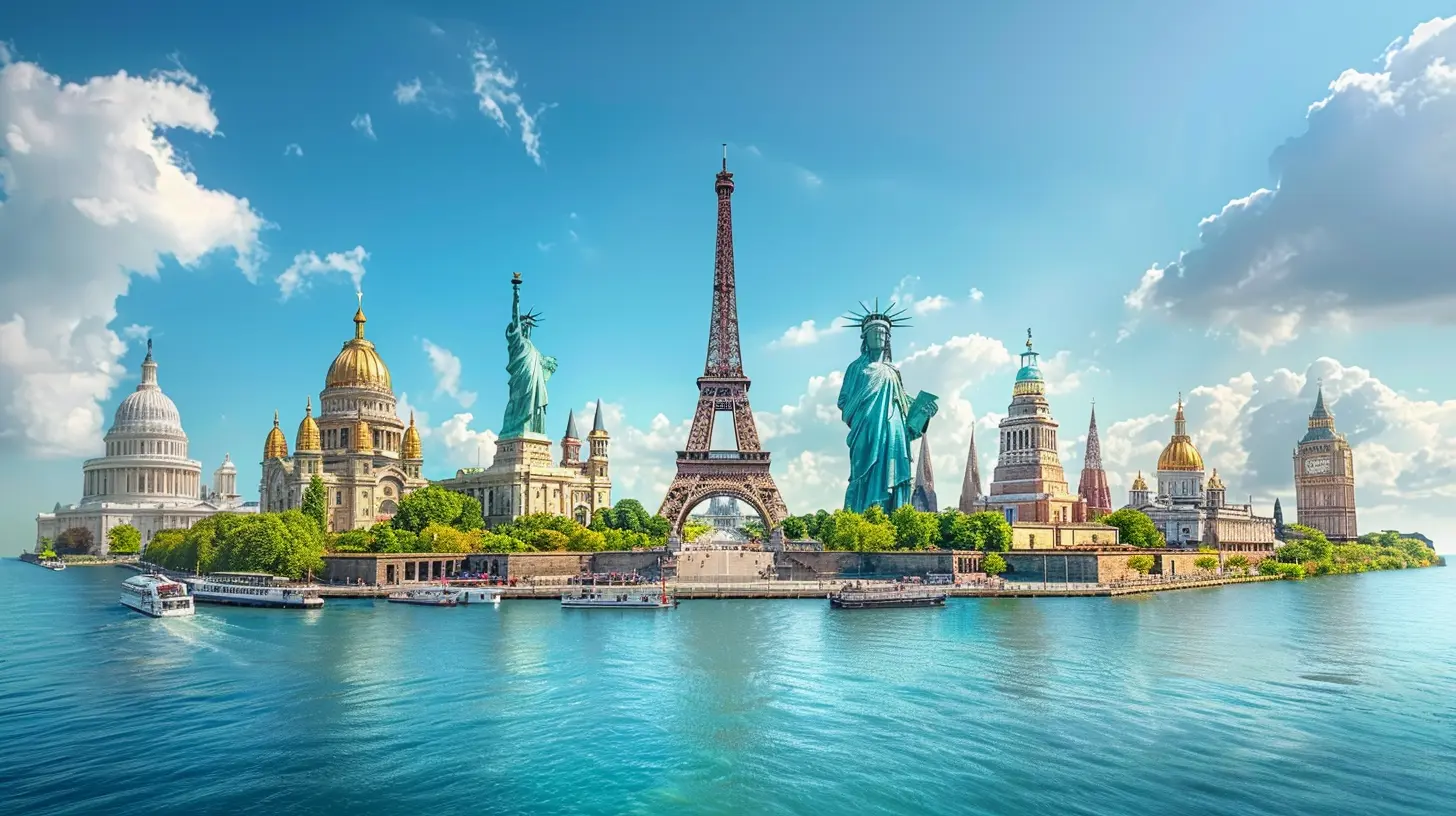
1. The Colosseum – Rome, Italy 🇮🇹
Let’s kick things off in the heart of Italy. The Colosseum isn’t just a tourist stop—it’s where entertainment, politics, and power merged back in ancient Rome. Built in 80 AD, this amphitheater could seat over 50,000 spectators. And trust me, the Romans knew how to put on a show.But here’s the thing: it wasn’t just about gladiator battles. The Colosseum symbolized Rome’s might, its commitment to controlling the masses through spectacle, and most importantly, it showed how architecture could influence culture. You could say it was the stadium that changed crowd control... forever.
Why It Mattered
- Showed how rulers used entertainment as political tools- A masterpiece of Roman engineering
- Influenced modern stadium architecture worldwide
2. The Great Wall of China – China 🇨🇳
Spanning more than 13,000 miles, the Great Wall wasn’t built overnight—or even in one century! From as early as the 7th century BC, Chinese dynasties poured labor into constructing it to keep invaders at bay.We often forget the human cost behind these stone walls. Millions of workers toiled under brutal conditions, many losing their lives in the process. Yet, this wall became a defining symbol of Chinese identity and resilience.
Why It Mattered
- Unified China's northern defense system- Became a powerful symbol of Chinese endurance
- Stood as a physical and ideological divide for centuries
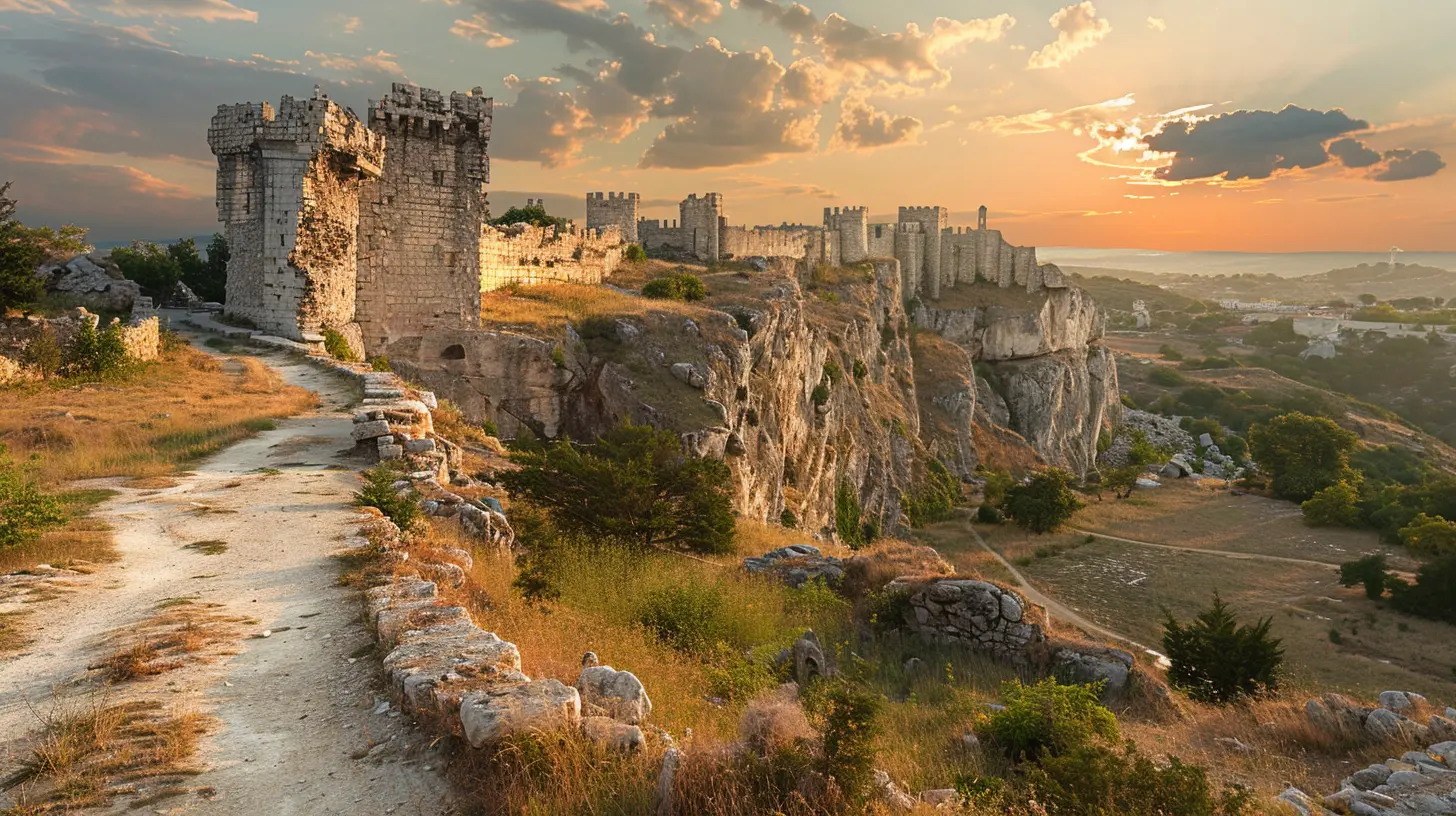
3. The Berlin Wall – Berlin, Germany 🇩🇪
Not all walls are built to keep people out—some are built to keep them in. The Berlin Wall, erected in 1961, split a city—and a world—in two. West was liberal, capitalist; East was under communist Soviet control.It wasn’t just concrete and barbed wire—it was the front line of the Cold War, a grim symbol of division. Its fall in 1989 didn’t just reunite a city—it symbolized the crumbling of the Iron Curtain all across Europe.
Why It Mattered
- Represented a literal and ideological divide during the Cold War- Its fall marked the end of Soviet influence in Eastern Europe
- Signified a move toward global unity and democracy
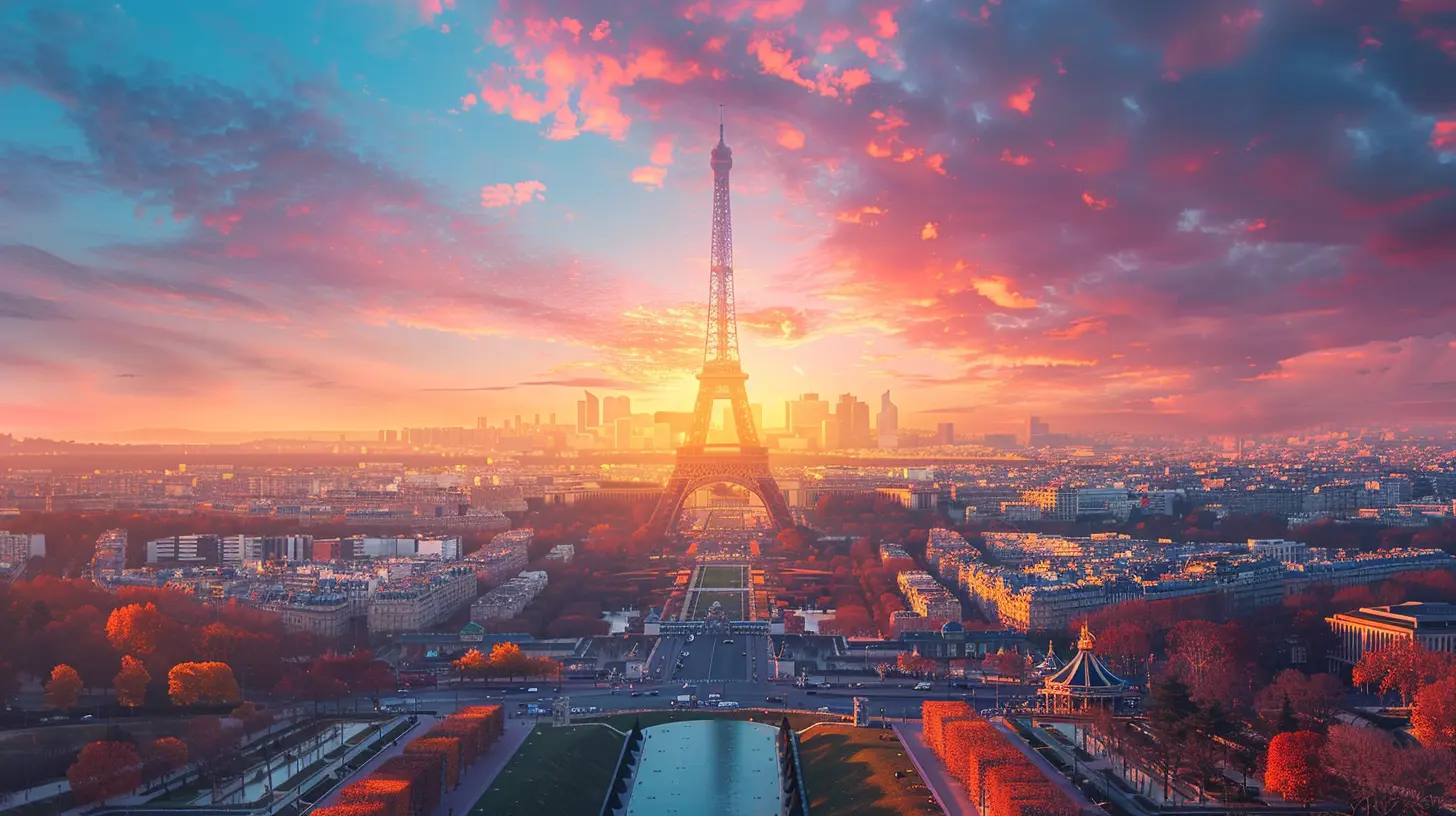
4. The Pyramids of Giza – Egypt 🇪🇬
These iconic structures have been around for more than 4,500 years. Mind-blowing, right? The pyramids—especially the Great Pyramid—weren’t just pharaohs showing off their wealth. They were spiritual launchpads, built with precise engineering that still baffles experts today.You’ve gotta admire a society that could organize massive labor forces to build something that still stands thousands of years later... without a single forklift.
Why It Mattered
- Demonstrated ancient Egypt’s engineering genius- Represented religion and afterlife beliefs
- Inspired generations of architects and historians
5. The Hiroshima Peace Memorial – Hiroshima, Japan 🇯🇵
This one hits hard. On August 6, 1945, the first atomic bomb used in warfare was dropped on Hiroshima. The Prefectural Industrial Promotion Hall was one of the few buildings left standing near ground zero and is now part of the Peace Memorial Park.Standing in front of this haunting shell of a building forces you to reflect. It’s not just about what happened then—it’s a sobering reminder of what could happen again.
Why It Mattered
- Marks the beginning of the nuclear age- A global symbol for peace and nuclear disarmament
- Keeps alive the memory of the devastating effects of war
6. Independence Hall – Philadelphia, USA 🇺🇸
Okay, let’s swing over to the U.S. This red-brick building might look humble, but don’t let it fool you. Independence Hall is where the Declaration of Independence and the U.S. Constitution were both debated and adopted. That’s big.This site set the stage for revolutions across the globe. Liberty isn’t limited to one nation—and this building helped shout that message loud and clear.
Why It Mattered
- Birthplace of American democracy- Inspired freedom movements worldwide
- Set a framework for modern constitutional governments
7. Stonehenge – Wiltshire, England 🏛
Stonehenge is straight-up mysterious. Built over 4,000 years ago, no one really knows why. Was it an astronomical calendar? A religious site? A place of healing? We’re still guessing.But here's the kicker: it’s so old and yet so perfectly aligned with solar patterns that it makes you think—who really were the people that built it? It challenges our assumptions about prehistoric life, intelligence, and spirituality.
Why It Mattered
- Sparks debates about ancient civilizations’ capabilities- Serves as a key archaeological learning site
- Continues to connect us to the mysteries of our past
8. The Acropolis of Athens – Athens, Greece 🇬🇷
Perched high above the city, the Acropolis is literally the high city—home to the Parthenon and other monumental structures that defined classic Greek architecture. It’s not just about pretty pillars though.This hill tells the story of democracy’s very roots. Here, thinkers like Socrates and Plato sparked ideas that still govern modern society.
Why It Mattered
- Birthplace of Western philosophy and democracy- Influenced political thought for millennia
- Showcases the height of Greek architectural achievement
9. The Taj Mahal – Agra, India 🇮🇳
The Taj Mahal isn’t just a symbol of love—it’s a representation of Mughal power and cultural fusion. Built in the 17th century by Emperor Shah Jahan for his beloved wife Mumtaz Mahal, this marble masterpiece combines Persian, Islamic, and Indian styles.Beyond its breathtaking beauty, it tells a deeper story—about empire, religion, loss, and legacy.
Why It Mattered
- Showcases Mughal architectural mastery- Represents cultural unity through design
- Stands as a global symbol of eternal love
10. Auschwitz-Birkenau – Poland 🇵🇱
A place like Auschwitz doesn’t conjure up thoughts of beauty or grandeur—but it’s absolutely essential. The former Nazi concentration and extermination camp stands as a chilling reminder of the Holocaust. It forces us to confront humanity’s darkest capabilities.Walking its grounds is a soul-stirring experience. And that’s the point. Remembering is part of preventing.
Why It Mattered
- Educates future generations about genocide and hatred- Preserves the memory of millions of Holocaust victims
- Calls for global responsibility in human rights
11. Machu Picchu – Peru 🇵🇪
Hidden in the Andes and often wrapped in mist, Machu Picchu was once a secret city of the Inca Empire. Discovered only in 1911, its pristine condition makes it feel like time stood still.But Machu Picchu isn’t just a backpacker’s dream. It’s a window into pre-Colombian civilization, showing us that advanced astronomy, agriculture, and architecture flourished long before European colonization.
Why It Mattered
- Highlights Incan sophistication and ingenuity- Helped redefine how we view indigenous civilizations
- Remains a symbol of cultural pride for Peru
Landmarks as Living Lessons
So, what’s the big takeaway here?These landmarks aren’t just piles of stones or spots on a map. They are living, breathing lessons. They carry the weight of decisions made, battles fought, lives lost, and revolutions born.
Visiting them? It’s like flipping through the ultimate history book—except way cooler. You’re standing where it happened, feeling the echoes of voices and footsteps that changed everything.
And hey, next time you’re planning a trip, maybe aim for one of these historical heavyweights. Not only will you get some killer selfies—you’ll walk away changed.
all images in this post were generated using AI tools
Category:
Historical SitesAuthor:

Pierre McKinney
Discussion
rate this article
2 comments
Anika Snyder
What a fascinating exploration of historical landmarks! Each site not only tells a story of its time but also influences our present and future. I’d love to hear about any personal experiences readers have had at these transformative places!
April 8, 2026 at 1:54 AM
Pierre McKinney
Thank you! I’d love to hear your experiences as well—how have any specific landmarks impacted you personally?
Cynthia McGeehan
Exploring historical landmarks is like stepping into the footprints of those who shaped our world! Each stone and structure tells a story of resilience and transformation. Let these sites inspire your journey, reminding us that every visit can ignite curiosity and a sense of purpose in our own lives!
March 8, 2026 at 4:47 PM