How to Keep Your Devices Charged While Traveling
21 June 2026
Let’s be honest—no one wants to be that traveler with a dead phone in the middle of nowhere. Whether you're navigating through new cities, snapping Instagram-worthy shots, or just trying to find your hotel on Google Maps, keeping your gear powered up is pretty much a non-negotiable. In our tech-filled travel world, your phone, camera, tablet, or even your smartwatch are your best travel buddies. And nothing ruins the vibe like seeing that dreaded red battery icon.
In this guide, we'll break down everything you need to know about how to keep your devices charged while traveling. From the best gear to smart habits, we’ve got you covered—so your devices (and your peace of mind) never run out of juice again.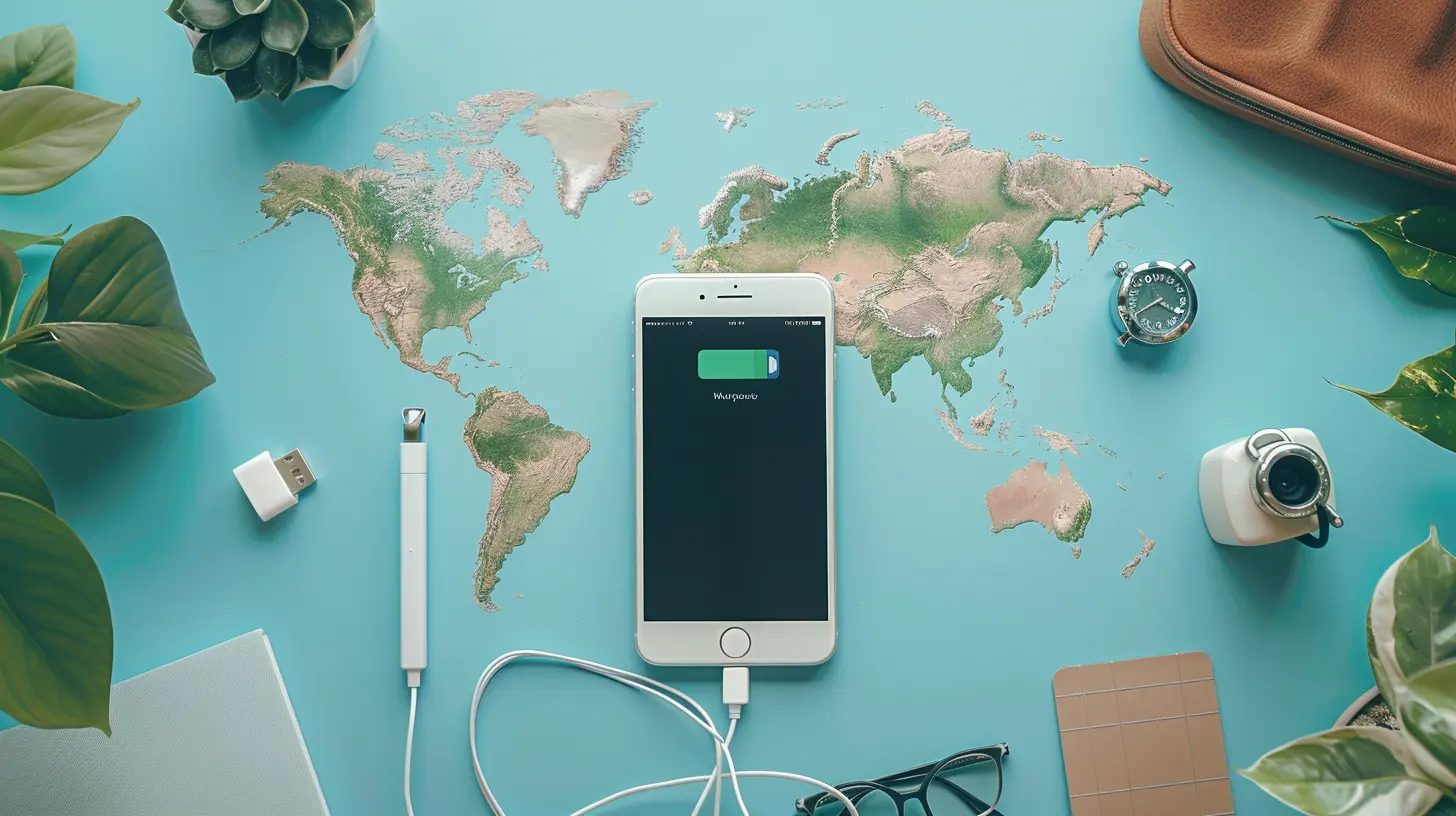
Why It’s Crucial to Stay Charged on the Road
Let’s paint a picture. You’re on a dream trip through Europe. You’re out of your hotel, exploring all day, snapping pictures of castles and cathedrals, using maps, translating menus, checking train schedules—and boom. Your phone’s dead. No charger. No power bank. Just you, lost in a foreign country, wishing you had planned better.See where we're going with this?
Staying connected isn’t just a “nice to have” anymore. It’s essential. Charging your devices while traveling is about more than posting selfies. It's about staying safe, knowing where to go, communicating with others, and making your trip smoother and more enjoyable.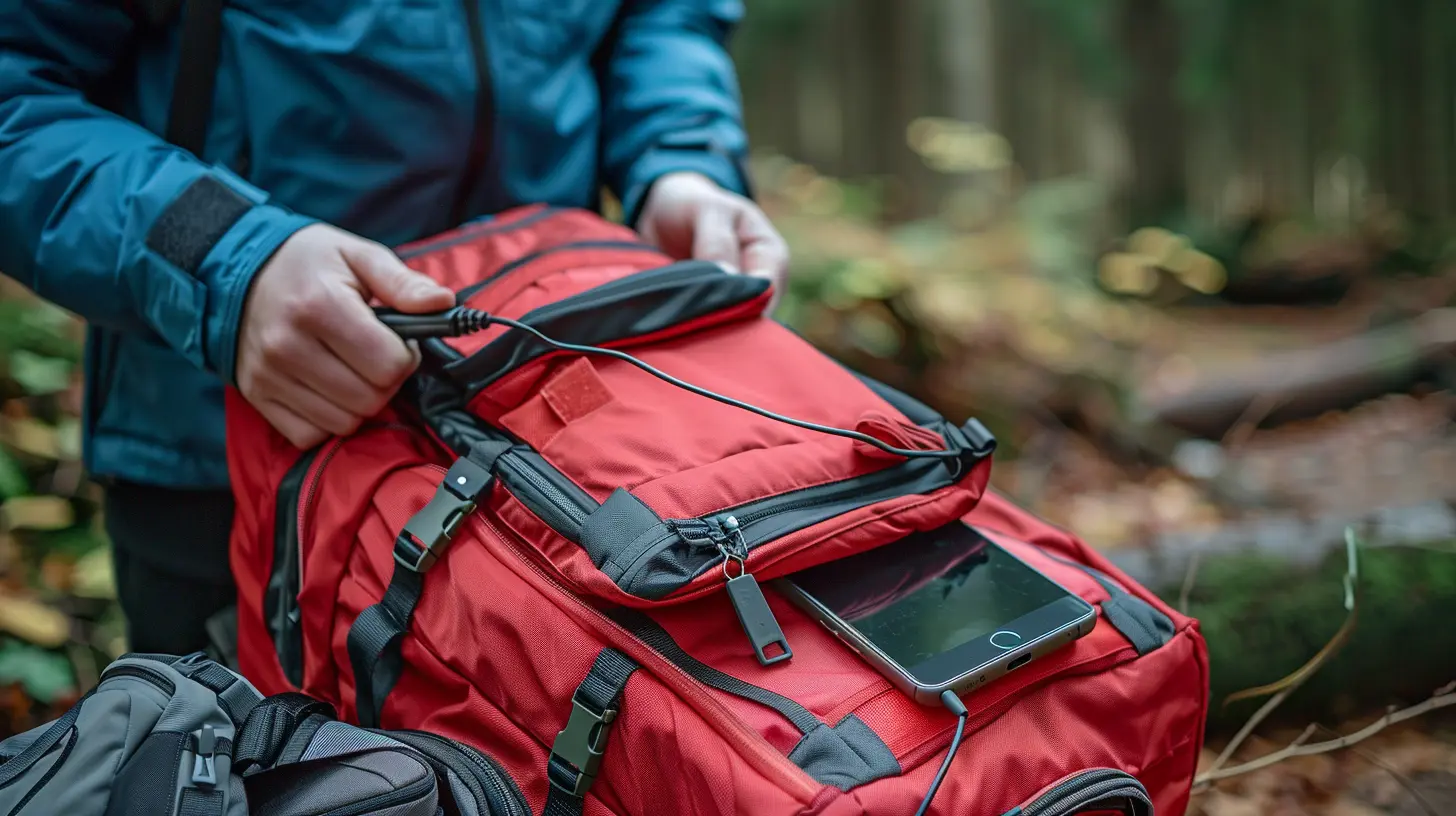
Start With the Basics: Know What You Need to Charge
Before you even start packing your bags, take inventory of what you'll need to charge.- Smartphone (obviously)
- Tablet or laptop
- Camera gear
- Smartwatch or fitness tracker
- Wireless earbuds or headphones
- Portable Wi-Fi device or hotspot (if you’re using one)
Each of these comes with its own charger, voltage needs, and charging time. Sounds like a lot? Don’t worry—we’re going to make it easy.
Master the Art of Packing Smart Charging Gear
1. Bring a Universal Travel Adapter
Different countries = different plugs. The power outlet in Paris isn’t going to match the one in New York—or Tokyo, or Cape Town. That’s where a universal travel adapter saves the day.Look for one that:
- Covers multiple plug types (Type A, B, C, G, I, etc.)
- Includes USB-A and USB-C ports
- Has built-in surge protection
Pro Tip: Don’t confuse an adapter with a converter. Adapters change the shape of the plug. Converters change the voltage. Some modern devices don’t need converters anymore, but more on that in a second.
2. Understand Voltage and Don’t Fry Your Devices
Most smartphones, laptops, and tablets are dual-voltage (100-240V). That means they’ll work in just about any country without a voltage converter. But always double-check the small print on the charger just to be sure.On the other hand, some older gadgets (hairdryers, electric razors, etc.) aren't so forgiving. Plug those into the wrong voltage and—boom—you're buying a new one.
When in doubt? Leave it out or buy a small travel-friendly version designed for global use.
3. Invest in a Good Power Bank
If your phone dies while you’re waiting in line for a train or hiking through the Alps, you're going to wish you had a portable power bank.Look for:
- At least 10,000 mAh capacity (enough to charge your phone 2–3 times)
- Quick charge capability
- Lightweight and airline-friendly (under 27,000 mAh for carry-on)
Bonus: Some power banks come with built-in cables. No more digging through your bag for cords.
4. Opt for a Multi-Port Charging Hub
Hotels often have a grand total of...one outlet. Maybe two if you're lucky. And you’ve got a tablet, phone, and camera all dying at the same time. So what do you do?Answer: Use a multi-port USB charger. These handy hubs let you charge several devices at once and only take up one plug. Efficient and essential.
Extra Tips for Keeping Your Devices Powered on the Go
Watch Your Daily Charging Habits
Charging doesn’t need to be a mad scramble every night. Create a habit:- Plug in as soon as you return to your room.
- Top off your phone during meals or downtimes.
- Put your devices in airplane mode or low-power mode when not in use.
Small habits = big energy savings.
Use Battery-Saving Settings
Most modern devices come with built-in battery-saving options. Use them!- Lower your screen brightness
- Turn off background app refresh
- Limit GPS and Bluetooth usage
It’s like putting your phone on a diet—it’ll last longer throughout the day.
Carry Extra Charging Cables
Cables break. They get left behind in hotel rooms. They hide in the black hole that is your backpack. Always bring at least one extra cord for each device.Also, go for braided or reinforced cables. They last longer and don’t fray as easily as those flimsy ones.
Public Charging? Proceed With Caution
Airport and café charging stations can be handy in a pinch but beware of “juice jacking.” That’s a cyberattack where hackers access your data through public USB ports.Avoid the risk by:
- Using your own wall block and cable
- Carrying a USB data-blocker adapter
- Charging through a power bank
Safe charging = safe data.
Use Solar Chargers for Off-the-Grid Adventures
Heading into nature or going off-grid? A solar charger can be your best friend. They're not lightning-fast, but they’re a lifesaver when you’re camping or trekking where outlets don’t exist.Choose one with:
- At least 10W solar panel
- Built-in battery storage
- Weather-proof design
Just don’t expect them to save you in the middle of a cloudy rainforest.
Best Charging Setups for Specific Travel Scenarios
For City Explorers
You're in a big city, hopping from museum to coffee shop to nightlife. Your phone’s your lifeline.Your ideal setup:
- Portable power bank (lightweight)
- Multi-port USB wall charger
- Charging cable in your daypack
Stay stylish and stay charged.
For Remote Travelers
If you’re off the beaten path—think Mongolia, Patagonia, remote islands—you need to prepare for the worst-case scenario.Your ideal setup:
- High-capacity power bank (20,000 mAh+)
- Solar charger
- Universal adapter with surge protection
Think of this like your digital first-aid kit.
For Business Travelers
Always on the go, doing Zoom calls from hotel lobbies and catching flights every other day?Your ideal setup:
- Sleek multi-device charger (with fast-charging)
- Travel adapter with USB-C
- Compact power bank with pass-through charging
Look professional, but always have backup.
For Digital Nomads
Working remotely while globetrotting? Charging gear is your bread and butter.Your ideal setup:
- Multi-port charger with laptop compatibility
- Power bank that also charges laptops (USB-C PD)
- Extra long cables (because outlets are never where you need them)
Because the café you work from isn’t always equipped for a full workstation.
Stay Organized: Charging Tech Storage Tips
- Use a tech pouch or cable organizer to keep cables, adapters, and chargers neat.- Label cables with tags or color-coded bands to make sorting easier.
- Pack your charging gear in your carry-on. Checked bags get lost—it happens.
Nothing ruins a first day abroad faster than realizing your only charger is somewhere over the Atlantic.
Quick Summary Checklist: Don’t Leave Home Without…
✅ Universal adapter✅ Power bank (10,000 mAh or more)
✅ Multi-port wall charger
✅ Extra charging cables
✅ Surge protection (especially for laptops)
✅ Charging pouch or cable organizer
✅ Solar charger (for off-grid trips)
✅ USB data blocker (for public charging)
Final Thoughts
In today’s digital world, your devices are your passport to travel freedom. They help you capture moments, find your way, and stay in touch with the people who matter most. The good news? Keeping them charged isn’t rocket science—it’s just smart planning.So next time you're jetting off on an adventure, remember: charging your gear isn’t just about convenience. It’s peace of mind in your pocket.
Go on, pack smart, stay powered, and never miss a moment again.
all images in this post were generated using AI tools
Category:
Travel EssentialsAuthor:

Pierre McKinney