How to Photograph Festivals and Events During Your Travels
12 January 2026
Festivals are a riot of colors, culture, and human emotions painted on the grand canvas of life. Whether it’s a lantern-lit sky in Thailand, the vibrant hues of Holi in India, or Oktoberfest’s jubilant beer clinks in Germany, festivals offer some of the most magical photo opportunities for travelers.
Capturing these moments is about more than just clicking a button on your camera—it’s about telling a story, preserving emotions, and diving deep into the soul of the celebration. But how do you make your festival photos stand out in an ocean of snapshots?
Let’s unravel the secrets of photographing festivals and events in a way that brings them to life, one frame at a time. 
1. Understand the Festival Before You Shoot
Before you even pack your camera, take the time to understand the festival. What’s the history behind it? What are the key moments you shouldn’t miss? Are there any cultural or religious sensitivities you should be aware of?Doing your research will help you anticipate the magic before it happens. Imagine standing clueless amidst the chaos of Spain’s La Tomatina, covered in tomatoes, realizing you had no idea what was about to unfold!
Pro tip: If the festival involves traditional dress, rituals, or sacred moments, respect them. The best shots come from photographers who blend in, not those who disrupt the moment. 
2. Gear Up Right – Pack Light but Smart
You don't need a bag bursting with gear to capture stunning festival shots. In fact, too much equipment can slow you down. The key is to find the perfect balance between being prepared and staying mobile.Essential Camera Gear for Festival Photography:
- A DSLR or Mirrorless Camera – A camera with manual settings gives you more creative freedom.- A Fast Lens (50mm or 24-70mm f/2.8) – Low-light events demand a lens that thrives in dim settings.
- A Wide-Angle Lens – To capture sweeping festival scenes and dramatic landscapes.
- Extra Batteries & Memory Cards – Festivals can be long, and you don’t want to run out of storage.
- A Lightweight Tripod or Monopod – If you plan on shooting at night or capturing time-lapse shots.
For those who prefer traveling light, a smartphone with a solid camera and manual mode can work wonders. Just remember to carry a power bank—festivals can drain your battery faster than you expect! 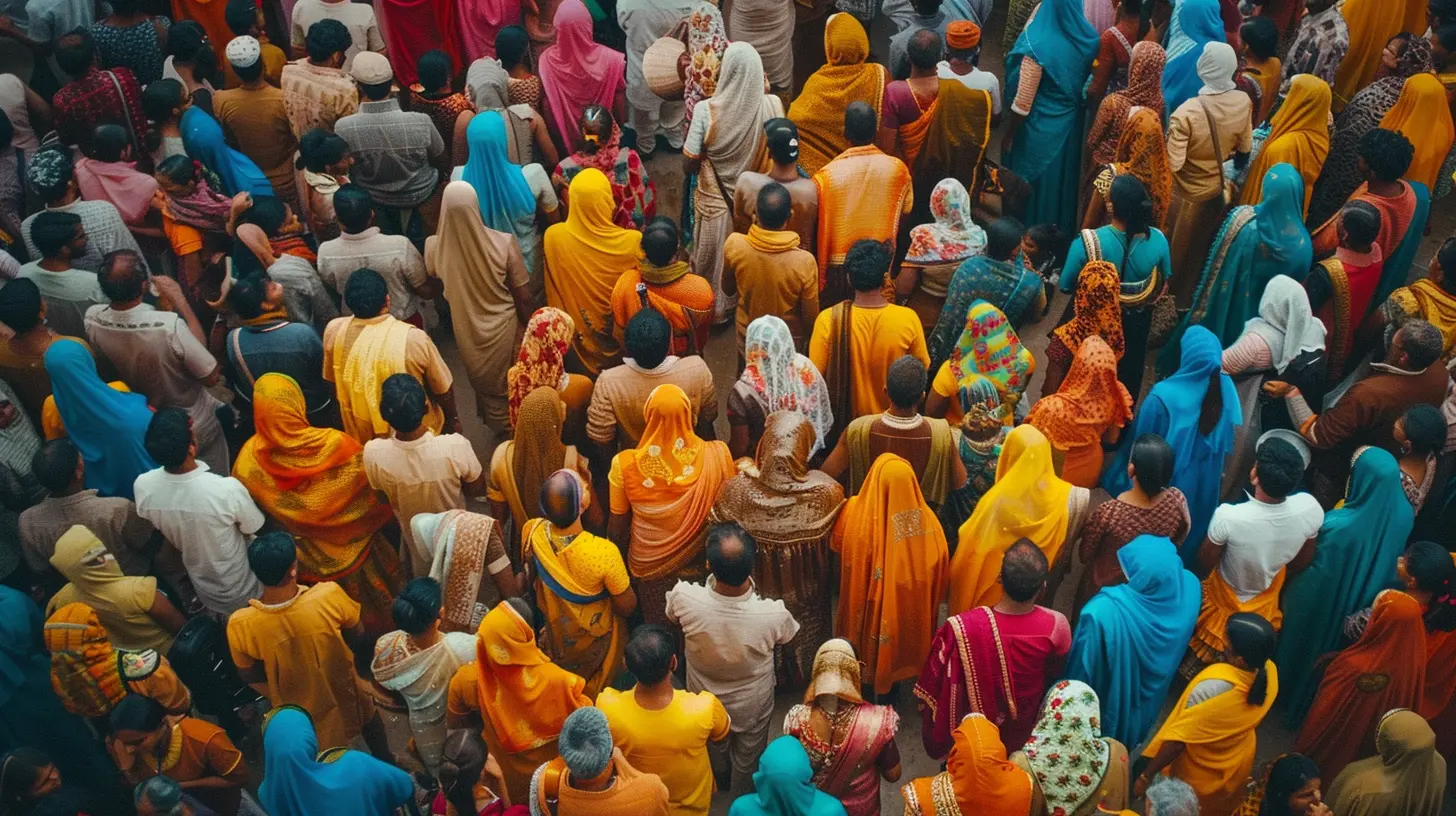
3. Master the Art of Timing and Composition
Festivals aren't just about snapping random pictures; they’re about capturing moments that tell a story.Golden Rules of Festival Photography:
- Shoot Early & Late – Mornings and evenings offer the best natural light, avoiding harsh midday sun.- Anticipate Key Moments – Pay attention to the flow of events; the best shots come when you're ready.
- Follow the Light – Backlit subjects during sunrise or sunset can create breathtaking silhouettes.
- Use Leading Lines & Framing – Capture depth by framing your shots through crowds, archways, or decorations.
Want a game-changer? Look for candid moments—genuine smiles, fleeting emotions, hands tossing powdered colors into the air. Those unposed moments make a festival photo truly sing. 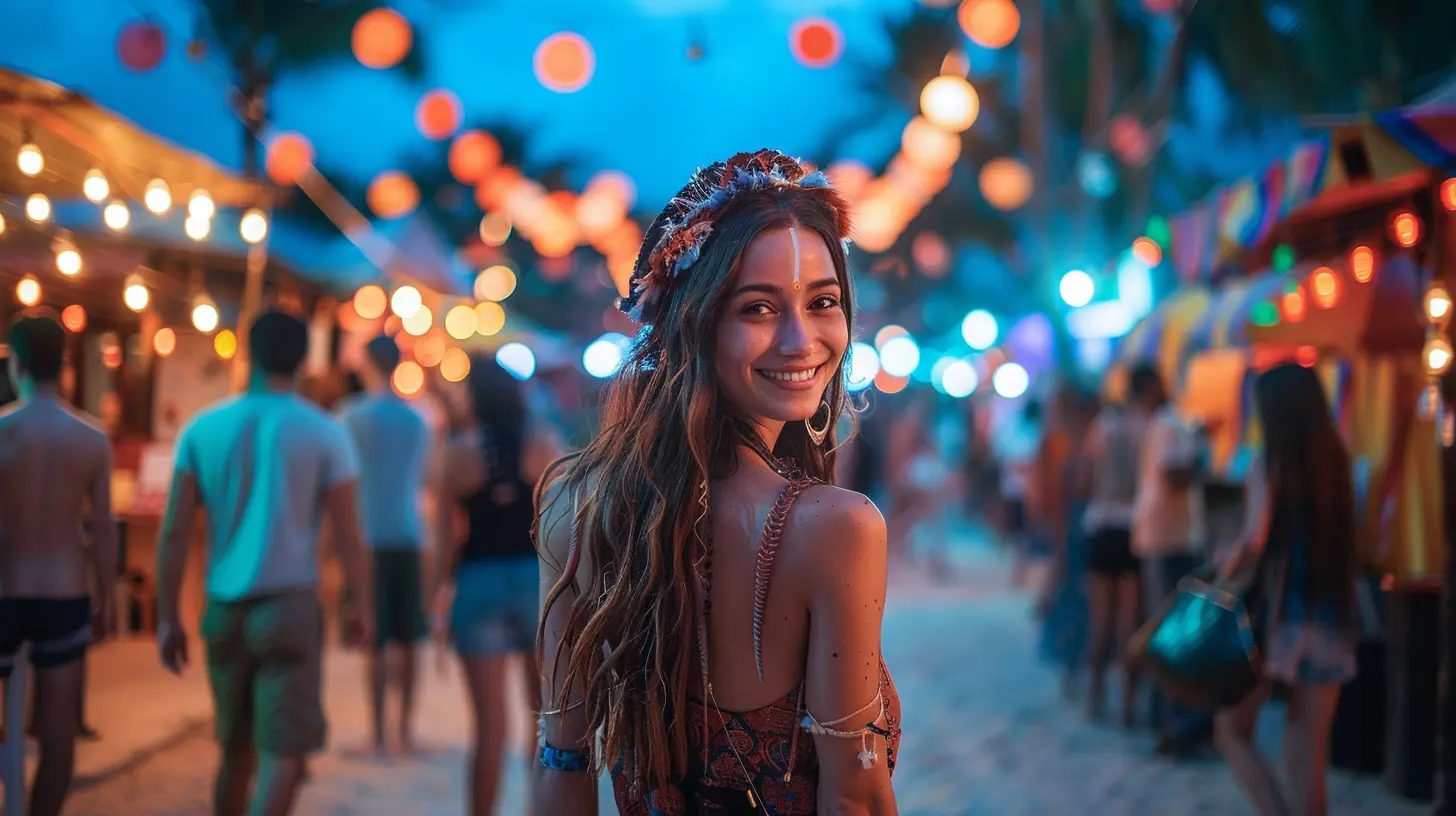
4. Blend In – Be a Storyteller, Not Just a Photographer
Imagine you’re at Rio’s Carnival, a sea of dancers swirling in dazzling costumes. Now, do you want to be a spectator or be part of the dance?Photographers who immerse themselves in the crowd capture authenticity that passive observers miss. Talk to people, smile, and embrace the festival spirit. If you’re photographing street performances or rituals, engage with locals—it can open doors to unique photo opportunities.
Pro Tip:
When photographing individuals, a simple nod or smile can serve as permission. In more intimate settings, asking politely will often result in better, more natural shots.5. Embrace Motion and Chaos
Festivals are filled with energy, movement, and chaos. Instead of trying to freeze everything perfectly, embrace the motion!How to Capture Dynamic Action Shots:
- Use a Slower Shutter Speed – Blur movement to create an artistic effect, like swirling dancers or fireworks.- Panning Technique – Follow a moving subject with your camera while using a slower shutter speed (around 1/30s to 1/60s).
- Burst Mode – Shoot multiple frames per second to capture peak action moments.
Sometimes, the beauty of a festival is in its madness—let your photos reflect that electric energy!
6. Get Creative with Perspectives and Angles
Think beyond the usual snapshots and experiment with different perspectives.- Go Low – Capture towering floats or dancers from a ground-level angle for dramatic effect.
- Go High – If possible, find a rooftop or balcony to get an aerial view of a crowded festival street.
- Shoot Through Objects – Use decorations, fabrics, or even people's shoulders to create natural frames.
The best festival photos often come from unexpected angles—so don’t be afraid to kneel, climb, or twist yourself into awkward positions if it means getting the shot!
7. Night Festivals? Conquer Low-Light Photography
Not all festivals take place in broad daylight. Some, like lantern festivals or New Year's Eve fireworks, thrive under the night sky.Pro Tips for Shooting in Low Light:
- Use a fast lens (f/1.8 or f/2.8) to let in more light.- Boost the ISO, but avoid making it too high (stay below 3200 to reduce noise).
- Stabilize your camera or use a tripod for long exposures.
- Look for natural light sources like street lamps, fireworks, or illuminated decorations.
Low-light festival shots can be pure magic, but they require patience and steady hands. Take your time—you won’t regret it!
8. Editing – Bring Your Festival Shots to Life
Good editing doesn’t mean over-processing. It means enhancing what’s already there.Basic Festival Photo Editing Tips:
- Adjust contrast and vibrancy to make colors pop.- Fix exposure to brighten under-lit shots.
- Sharpen details, but avoid over-sharpening.
- Crop wisely to improve composition.
Apps like Adobe Lightroom Mobile, Snapseed, or VSCO can work wonders even if you're editing on your phone. The goal? Make your photos feel as alive as they were in the moment.
9. Respect the Culture and Event Etiquette
This one’s big. Every festival has its own customs and taboos, and the last thing you want is to offend locals just to get a shot.Basic Festival Photography Etiquette:
- Avoid intrusive flash during sacred ceremonies.- Ask permission before taking close-ups of people.
- Stay out of the way—don’t block important rituals for a perfect Instagram shot.
- Support local communities by sharing your photos with them if they’re open to it.
Being a respectful photographer makes the experience more authentic and rewarding for both you and the people you're photographing.
Final Thoughts – Capture the Spirit, Not Just the Scene
The best festival photos aren’t just about colors and chaos—they’re about the emotions, the stories, and the raw energy of the celebration.So the next time you find yourself in the midst of a festival, don’t just look through your lens—feel the moment, embrace the culture, and let your photos sing the song of the festivity.
Because in the end, it’s not just about capturing images. It’s about capturing the soul of the celebration.
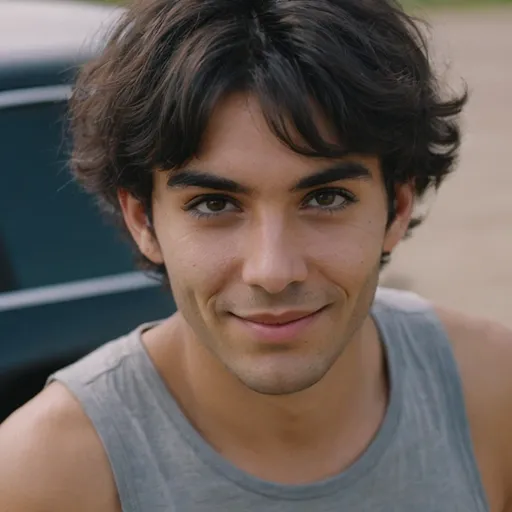
all images in this post were generated using AI tools
Category:
Travel PhotographyAuthor:
Pierre McKinney
Discussion
rate this article
2 comments
Daniel Dorsey
Capture joy and memories—your lens tells stories!
February 13, 2026 at 6:00 AM
Pierre McKinney
Thank you! Capturing joy and memories truly transforms moments into lasting stories.
Daisy Wilkins
Great tips! Capturing memorable moments at festivals truly enhances the travel experience. Thanks!
January 13, 2026 at 5:22 AM
Pierre McKinney
Thank you! I'm glad you found the tips helpful for capturing those special moments!