How to Stay Safe and Hydrated During Your Desert Trek
28 February 2026
Trekking through the desert is an incredible adventure—one that promises breathtaking landscapes, surreal silence, and a true connection with nature. But let's be honest: deserts are harsh, unforgiving environments. The scorching sun, extreme temperatures, and lack of water sources can turn an awe-inspiring journey into a dangerous ordeal if you're not prepared.
So, how do you keep yourself safe and hydrated while trekking through the desert? Whether you're planning a day hike or a multi-day adventure, this guide will help you tackle the challenges of the arid wilderness with confidence. 
1. Understanding the Dangers of Dehydration
We often underestimate how quickly dehydration can sneak up on us. In the desert, where the air is dry and the sun is relentless, your body loses moisture at an alarming rate—even if you don’t feel sweat dripping down your skin.Signs of Dehydration
Ignoring dehydration can be risky. Here are some warning signs to watch out for:- Early Signs: Dry mouth, thirst, headache, and dizziness
- Moderate Dehydration: Dark yellow urine, weakness, confusion, and rapid heartbeat
- Severe Dehydration: Extreme fatigue, heat exhaustion, nausea, and fainting
Once your body has lost too much fluid, things can go downhill rapidly. That’s why staying ahead of dehydration is crucial. 
2. Bring More Water Than You Think You'll Need
The golden rule? Always carry more water than you think you’ll need. A common recommendation is at least one gallon (3.7 liters) per person per day, but if you’re hiking in extreme heat, you might need even more.How to Carry Water Efficiently
- Hydration Packs – A CamelBak or similar hydration system allows for hands-free drinking and encourages frequent sips.- Insulated Water Bottles – These help keep your water cooler for longer, which is a game-changer in scorching conditions.
- Collapsible Water Containers – Ideal for multi-day treks to store extra water.
If you’re trekking for multiple days, research water sources along your route. Some deserts have natural springs or water caches, but don’t rely on them unless you're 100% sure they exist and are safe to drink from. 
3. Drink Smart: Hydration Strategies That Work
Sip, Don’t Guzzle
Drinking large amounts of water at once won’t keep you hydrated for long. Instead, sip small amounts consistently throughout your trek. Your body needs time to absorb and distribute fluids efficiently.Electrolytes Are Your Best Friend
Water alone isn’t enough. When you sweat, you lose essential salts and minerals. Adding electrolyte tablets or powder to your water can help maintain the right balance. You can also snack on salty foods like nuts and energy bars to replenish lost sodium.Avoid Alcohol and Caffeine
Both alcohol and excess caffeine can dehydrate you, so save that celebratory drink for after your trek. Stick with water and electrolyte drinks while you're out in the heat.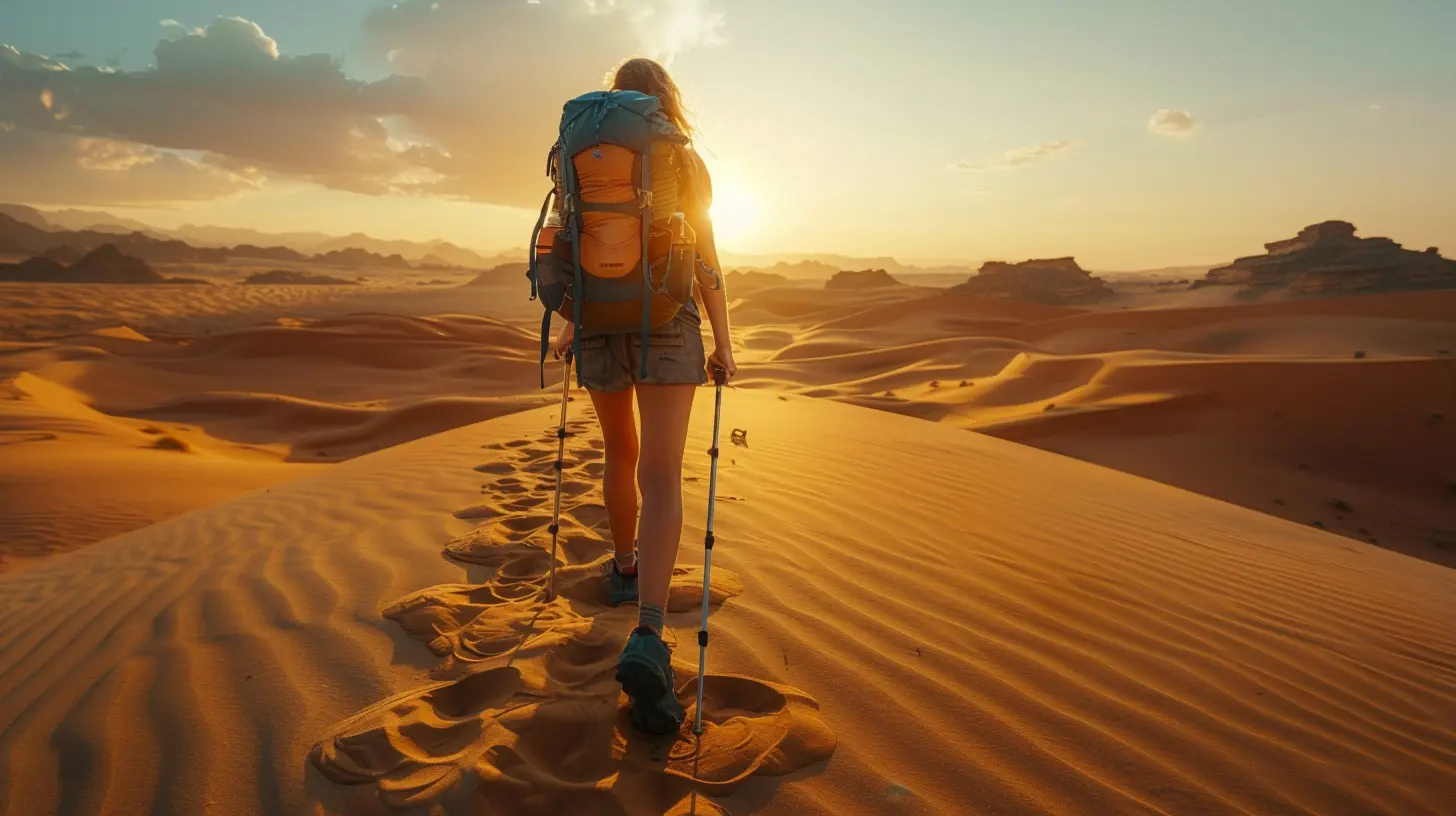
4. Timing Your Trek to Beat the Heat
The desert sun is at its most brutal between 10 AM and 4 PM. During these hours, the heat can be unbearable—sometimes even lethal.Best Times to Hike
- Early Morning (Pre-Sunrise to 10 AM) – The best time to cover long distances while it's still cool.- Late Afternoon (After 4 PM to Sunset) – Temperatures begin to drop, making hiking more comfortable.
- Night Hiking – If your route allows it, trekking under the moonlight can be an enchanting (and significantly cooler) experience.
If you must hike during peak heat, take frequent breaks in the shade and slow your pace. Heat exhaustion can set in quickly if you overexert yourself.
5. Dress for the Desert: What to Wear
Clothing That Keeps You Cool and Protected
Your instinct might be to wear as little clothing as possible, but in the desert, covering up is actually the smarter choice.- Light-colored, loose-fitting clothing – Reflects sunlight while allowing air to circulate.
- Long-sleeved shirts and long pants – Protect your skin from direct sunlight, reducing dehydration.
- Wide-brimmed hat – Shields your face and neck from the sun.
- UV-protection sunglasses – Prevents eye damage from the intense glare.
Footwear Matters
Choose breathable, lightweight hiking boots or trail shoes. Avoid anything too tight or heavy, as your feet will swell in the heat, making blisters more likely.6. Sun Protection: Shielding Yourself from the Burning Rays
The desert sun is brutal—a few hours without protection can leave you with painful sunburn or worse, heatstroke.Ways to Protect Your Skin
- Sunscreen (SPF 50+) – Apply it generously, and don’t forget often-missed spots like your ears and the back of your neck.- Reapply Every Two Hours – Sweating will wear sunscreen off, so keep it handy.
- Seek Shade When Possible – Rest in the shadow of a rock or use a lightweight sun umbrella.
7. Know Your Limits and Listen to Your Body
Even the fittest hikers can struggle in extreme heat. The key is knowing when to slow down, rest, and hydrate.When to Take a Break
- Feeling lightheaded or dizzy? Stop immediately and drink water.- Experiencing muscle cramps? This could be an early sign of heat exhaustion—rest in the shade and eat something salty.
- Fatigue setting in? Don’t push through it. Overexertion can lead to heat stroke, which is life-threatening.
Remember, the desert isn’t a place for ego. If conditions become too intense, turn back or change your route. Safety should always come first.
8. Emergency Preparedness: What to Do If Something Goes Wrong
No matter how well you plan, emergencies can happen. Here’s how to handle unexpected situations in the desert:Bring Essential Gear
- GPS and Compass – Cell service is unreliable in many desert areas.- First-Aid Kit – Includes bandages, antiseptic, blister treatment, and pain relievers.
- Emergency Shelter (Space Blanket or Tarp) – Provides shade if you're stranded.
- Whistle and Signal Mirror – Helps rescuers locate you.
If You Get Lost
1. Stay Calm – Panicking will only make things worse.2. Stay Put if Possible – Moving aimlessly can lead to exhaustion and make it harder for rescuers to find you.
3. Signal for Help – Use a whistle, mirror, or even lay out bright clothing to attract attention.
Final Thoughts
A desert trek is one of the most rewarding experiences for adventure lovers, but it’s also one that requires careful preparation. Hydration, proper gear, and smart timing are your best bets for staying safe in the heat.The key takeaway? Respect the desert. It’s a stunning yet unforgiving environment, and your survival depends on how well you prepare. With the right approach, you can enjoy every step of your desert adventure while staying safe and hydrated.
So, ready to take on the dunes and canyons? Just remember—water is your best friend in the desert!
all images in this post were generated using AI tools
Category:
Desert AdventuresAuthor:

Pierre McKinney
Discussion
rate this article
2 comments
Reina Kirkland
Oh sure, because nothing screams "vacation" like sweating buckets while dodging cacti and trying to remember if you packed enough water. Just think of it as an extreme hydration challenge! Who needs a hotel pool when you can bask in the sun and sip your life’s essence straight from a backpack? Enjoy!
April 8, 2026 at 1:54 AM
Lexi Carr
Great tips! Staying safe and hydrated in the desert is key to an amazing adventure. Remember, water is your best friend, and a little preparation goes a long way. Happy trekking!
February 28, 2026 at 4:31 AM