Middle Eastern Marvels: A Journey Through Mezze and More
9 August 2026
Imagine sitting at a sun-drenched table in a bustling open-air market somewhere in Beirut or Istanbul. The scent of sizzling spices wafts through the air, laughter echoes from nearby tables, and before you lies a colorful spread of small dishes—each one more inviting than the last. You grab a warm piece of pita bread, scoop up some creamy hummus, and dip into a tangy tabbouleh. You’ve just begun your journey through the Middle East, one mezze at a time.
So, What Is Mezze Really?
Let’s start with the basics. Mezze isn’t just food—it’s a vibe, a tradition, and honestly, a celebration of life. Think of it as the Middle Eastern version of tapas, but with a twist. It's not just about grabbing a snack; it's about sharing, engaging, and enjoying a slow, savory experience with friends and family.Mezze includes a wide variety of cold and hot dishes, served in small portions and meant to be shared. It’s the preamble to bigger delights or sometimes the main event itself. You won’t find a traditional gathering in the Middle East without some form of mezze on the table.
Now, let’s dig into the heart (and belly) of the Middle East’s culinary marvels.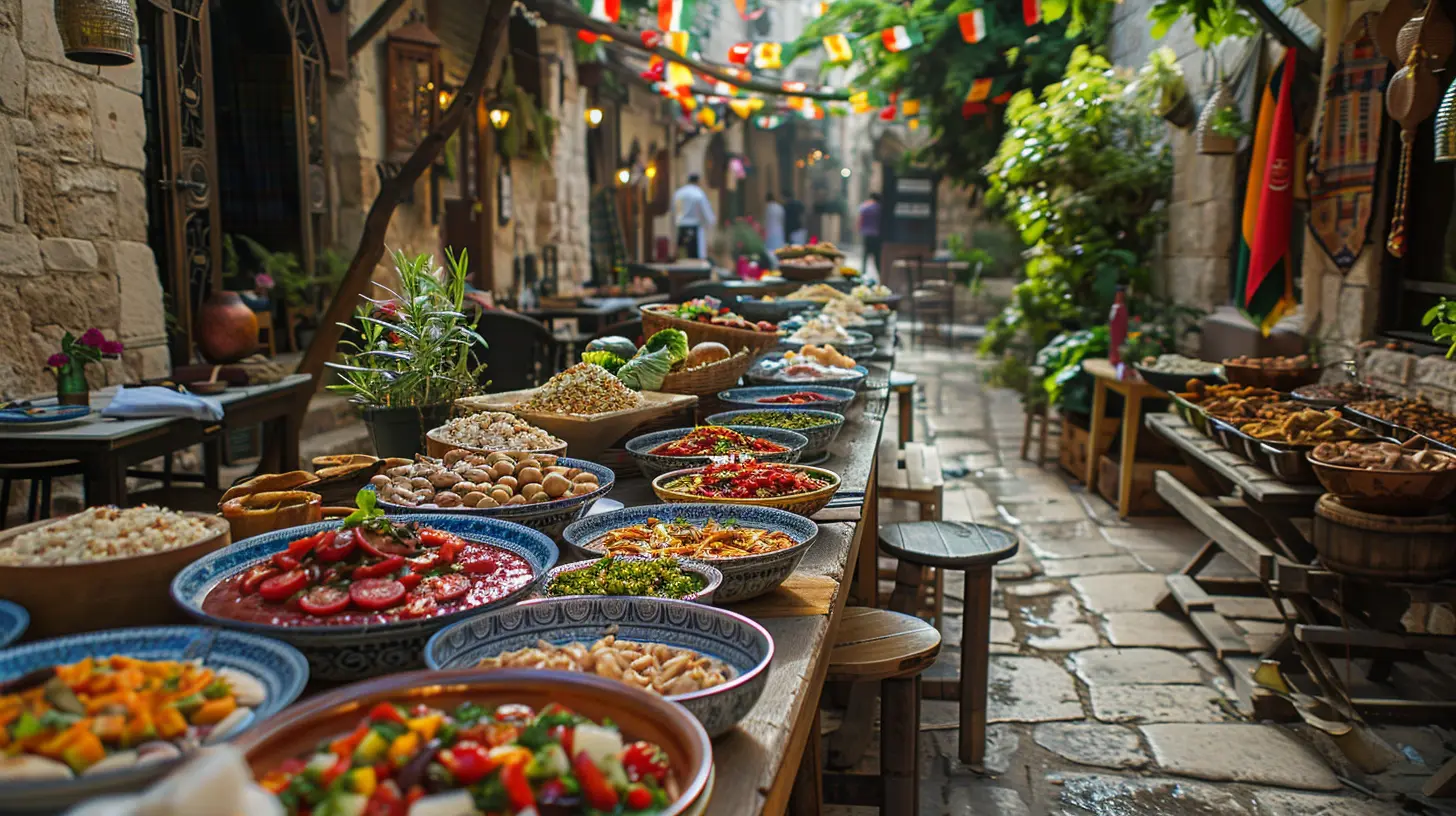
The Cultural Significance of Mezze
A Symbol of Hospitality
In much of the Middle East, food is an extension of love. When you’re welcomed into someone’s home, you're not just a guest—you’re treated like family. Mezze embodies that warmth. Every dish laid out is a gesture of affection, an offering of tradition, and a slice of heritage.Hospitality in Middle Eastern culture is sacred. From Lebanon to Palestine, Syria to Jordan, hosts go above and beyond to ensure guests are well-fed and content. Mezze, with its variety and richness, makes that possible.
A Social Ritual
It’s not just about eating—it’s about talking, laughing, maybe even debating a little. Mezze meals stretch on for hours. You dip, you sip, you chat. It’s communal, interactive, and deeply personal. It turns meals into memories.
The Mezze Table: A Universe of Flavors
So what exactly can you expect on a mezze table? Everything—literally. It’s a colorful mosaic of tastes and textures. Here are some iconic staples you’ll likely encounter.1. Hummus: The Creamy King
Let’s be real—who doesn’t love hummus? This creamy blend of chickpeas, tahini, lemon juice, and garlic is a global superstar now, but its roots run deep in Middle Eastern soil. Served with a drizzle of olive oil and maybe a sprinkle of paprika or pine nuts, hummus is the comfort food that hugs your taste buds.2. Baba Ghanoush: Smoky and Soulful
This smoky eggplant dip is hummus’ introverted cousin—but oh, so deep. Grilled eggplants are mashed with tahini, lemon juice, and garlic to create a dish that’s as complex as it is delicious. It’s perfect with warm bread or as a side to grilled meats.3. Tabbouleh: A Fresh Perspective
Tabbouleh is like a cool breeze on a hot day. It’s a salad made from finely chopped parsley, tomatoes, onions, bulgur wheat, and dressed in lemon juice and olive oil. Light, refreshing, and nutritious, it offers a counterbalance to the denser dips.4. Falafel: Crunch Meets Comfort
Golden-brown on the outside and tender on the inside, these deep-fried chickpea or fava bean balls are bursting with flavor. Falafel might be street food in some places, but on a mezze table, it's an essential bite-sized favorite.5. Dolma: A Stuffed Surprise
Stuffed grape leaves—aka dolmas—are little culinary gifts. Filled with rice, herbs, and sometimes meat, they’re rolled into finger-sized treats that explode with flavor. The mix of tangy grape leaves and spiced fillings creates a nifty little flavor bomb.6. Labneh: Creamy Dreamy Goodness
Labneh is thick, tangy strained yogurt that’s perfect for spreading or dipping. It’s often slathered with olive oil and dusted with za’atar—a herby spice blend that might just become your new addiction.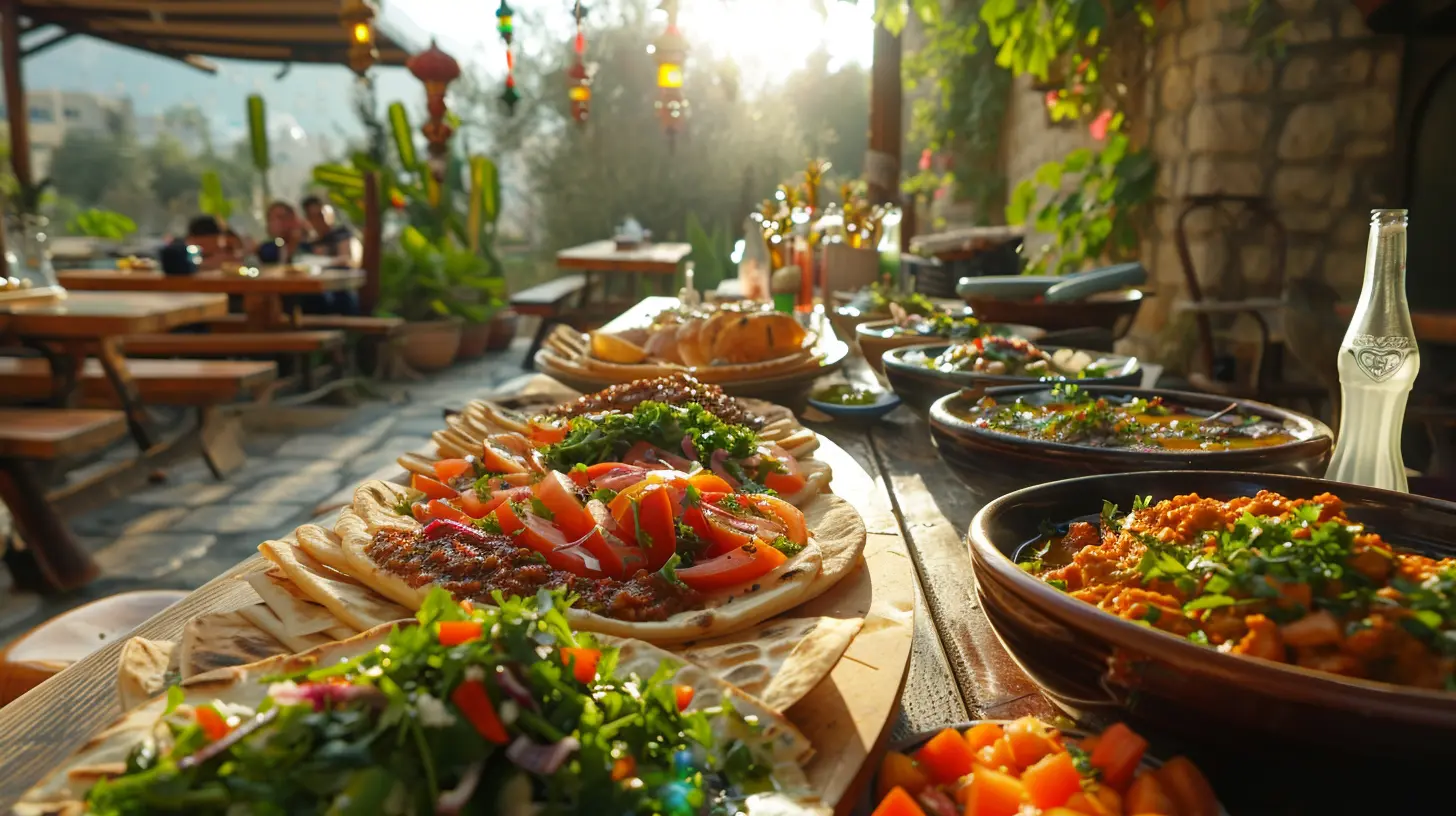
Beyond Mezze: Main Courses Worth Falling For
Okay, we could munch on mezze forever. But Middle Eastern cuisine doesn’t stop there. After warming up with a few plates, it’s time to dive into the mains.Mansaf: Jordan’s Crown Jewel
Mansaf is a national pride in Jordan. It’s a lavish dish made of lamb cooked in a fermented yogurt sauce, served over rice and topped with almonds and pine nuts. This is not your everyday dinner. It’s traditionally served on big platters during celebrations and communal feasts.Kabsa: Saudi Arabia’s Fragrant Feast
Kabsa is like a love letter written in rice. It’s made with spiced rice, meat (chicken, lamb, or camel), and a medley of dried fruits and nuts. The spices—everything from cinnamon to cloves—take your taste buds on a magic carpet ride.Kofta and Kebab: Grilled to Perfection
Whether it’s skewered kebabs sizzling over hot coals or kofta patties seared to smoky perfection, grilled meats are a staple in Middle Eastern meals. Combined with dips, fresh salads, and fluffy flatbreads—you’re in flavor heaven.
Sweets and Treats: Ending on a Sugary High
Middle Eastern desserts hit differently. They’re not just about sugar—they’re about texture, spice, and surprise.Baklava: Layers of Love
Sticky, nutty, and oh-so-sweet, baklava is built layer by flaky layer with love. Phyllo dough, chopped nuts, syrup or honey... what more could you want?Kunafa: Gooey Goodness
Kunafa is a cheese pastry soaked in sweet syrup and topped with crunchy semolina or shredded phyllo. Warm, stretchy, crispy—it’s like dessert theater on a plate.Ma’amoul: Bite-Sized Tradition
These delicate date-filled cookies are often made during religious festivals. Each bite is filled with nostalgia and tradition, like a warm hug from grandma.The Drinks That Complete the Picture
You didn’t think we’d leave you thirsty, did you?Mint Tea: The Eternal Classic
Whether it’s steeped in Moroccan tradition or served Lebanese-style, mint tea is refreshing, calming, and perfect for sipping alongside your mezze.Turkish Coffee: Small but Mighty
Served in tiny cups but brewed with big personality, Turkish coffee is intense, strong, and an experience unto itself. You don’t just drink it—you feel it.Arak: The Fiery Finish
Arak is a potent anise-flavored spirit, usually sipped slowly with water and ice. It’s a traditional digestive and widely used during big meals to celebrate life and loosen conversation.Why Food Is the Best Way to Taste the Middle East
Sure, you could hit the museums, tour ancient ruins, or shop in souks—but if you ask me? The heart of the Middle East is in its kitchens and at its tables.Every bite tells a story. Every dish is a passport stamp of cultural exchange. Lebanese, Syrian, Turkish, Palestinian, Egyptian—each region has its own twist, its secret ingredients, its cherished family recipes.
Want to understand the Middle East? Share a meal. Eat the bread. Dip with your hands. Smell the spices. That’s where the real magic happens.
Where to Find the Best Mezze Experiences
You don’t always need a plane ticket—though eating mezze in its home territory is a dream come true. But cities around the world are peppered with restaurants offering authentic experiences.If you're traveling the Middle East, make sure you hit cities like:
- Beirut, Lebanon – The unofficial food capital of the region.
- Amman, Jordan – Home of the traditional mansaf and mega mezze spreads.
- Istanbul, Turkey – Where East meets West in every bite.
- Jerusalem, Israel/Palestine – Rich in history, flavors, and food stories.
- Cairo, Egypt – Unique takes on common dishes and incredible street food.
Pro Tips for Embracing a Mezze Meal
- Come hungry – Mezze looks small, but it adds up fast!- Pace yourself – It’s a marathon, not a sprint.
- Use your hands – Bread is your best utensil here.
- Say yes – Try everything at least once. You might fall in love with muhammara or stuffed kibbeh!
- Ask locals – They always know where the best bites are hiding.
Final Thoughts
Middle Eastern food doesn’t just fill your stomach—it fills your soul. Mezze is more than just a dining style; it’s a beautiful reflection of hospitality, culture, and community. It invites you in, lets you linger, and leaves you glowing with satisfaction.The next time you see a mezze platter, don’t just see it as food—see it as a gateway to a rich world of flavor, story, and connection.
After all, isn’t that what travel’s really about?
all images in this post were generated using AI tools
Category:
Culinary AdventuresAuthor:

Pierre McKinney