Monasteries and Abbeys: Tranquility Steeped in History
28 March 2026
Monasteries and abbeys have long been sanctuaries of peace and reflection. Nestled in picturesque landscapes, these sacred sites offer a break from the modern world's chaos. But beyond their tranquility, they carry centuries of history, often tied to powerful empires, religious orders, and even legendary figures.
So, why do these places continue to captivate visitors? Let's take a journey into the heart of monasteries and abbeys, unearthing their mysteries, significance, and undeniable charm. 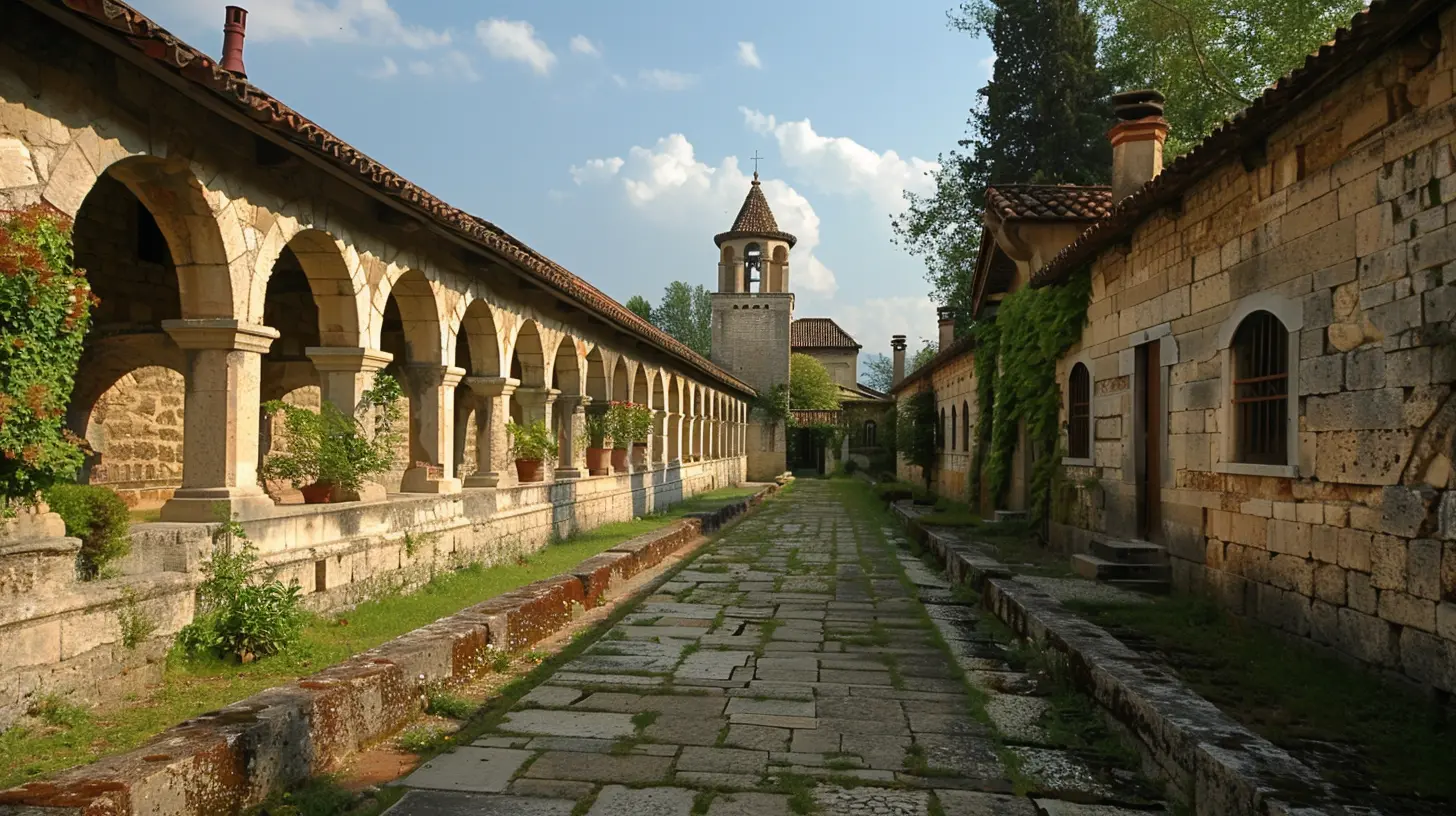
The Timeless Appeal of Monasteries and Abbeys
Stepping into a monastery or an abbey is like walking through history. The walls whisper tales of devotion, art, and scholarship. Whether perched on a rugged mountaintop or hidden in a lush valley, these sacred spaces invite reflection and curiosity.But what is it that makes them so special? A blend of stunning architecture, serene surroundings, and rich traditions keeps travelers coming back for more. 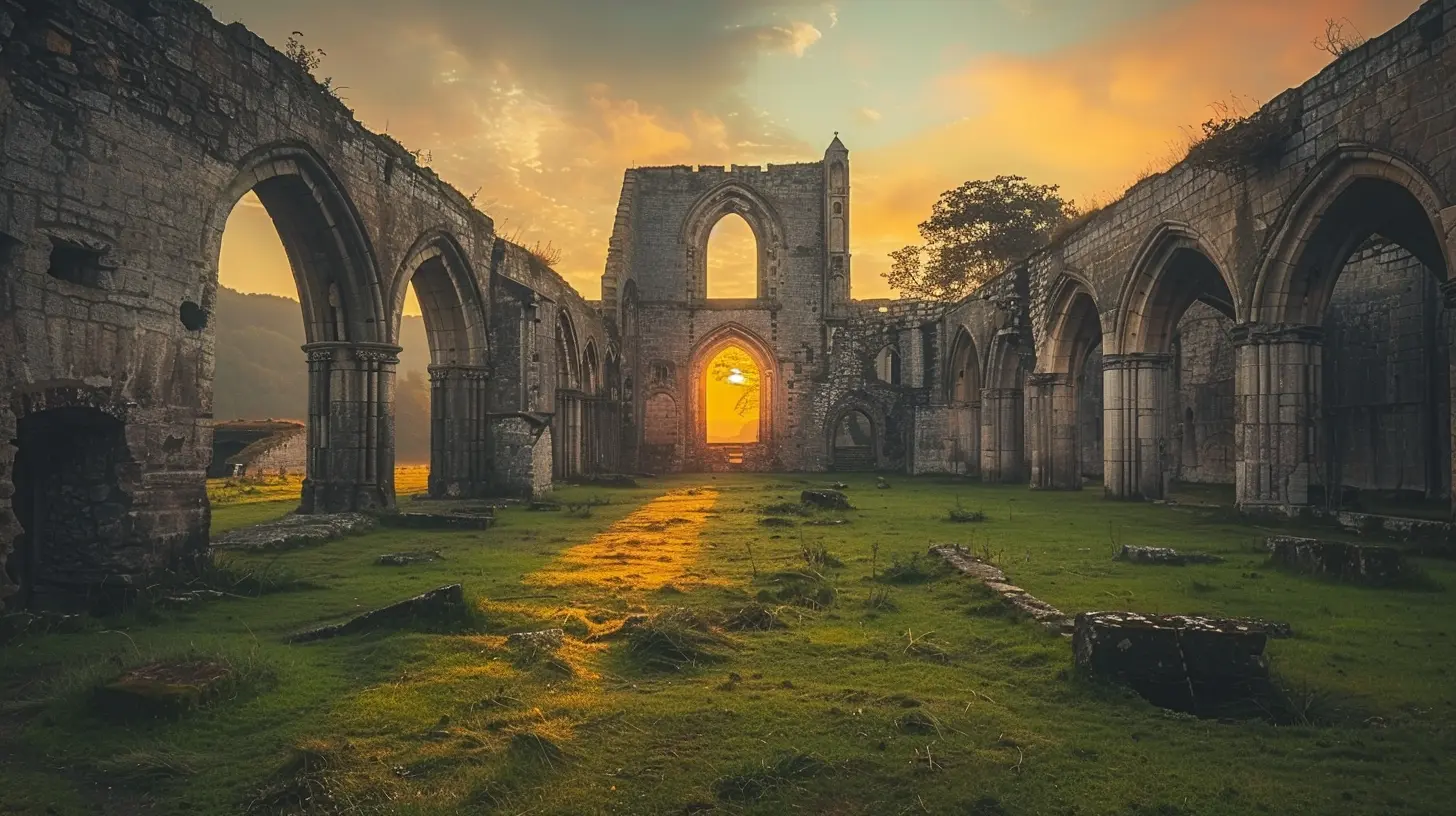
A Brief History of Monasteries and Abbeys
Monastic life dates back over a thousand years, with roots in different parts of the world. Christianity, Buddhism, and other religions have fostered monastic traditions, each with unique customs and purposes.Origins in the East and West
While monasteries existed in Eastern religions for centuries, Western monasticism gained prominence with figures like St. Benedict of Nursia (480–547 AD). His "Rule of St. Benedict" became the foundation for many European monastic orders, emphasizing prayer, labor, and community living.On the other hand, Buddhist monasteries flourished across Asia, particularly in India, Nepal, Tibet, and China. These centers not only nurtured religious teachings but also became hubs for education, medicine, and philosophy.
The Role of Abbeys in Medieval Europe
Abbeys, often linked to monastic communities, were self-sufficient centers of worship and learning in medieval Europe. Some of the most famous include:- Mont Saint-Michel, France – A marvel of medieval architecture, rising majestically from the sea.
- Westminster Abbey, England – The coronation site of British monarchs, steeped in history and royal tradition.
- Melk Abbey, Austria – A stunning Baroque masterpiece overlooking the Danube River.
These institutions played a profound role in preserving knowledge. Monks meticulously transcribed ancient texts, ensuring that literature, medicine, and philosophy survived through turbulent times. 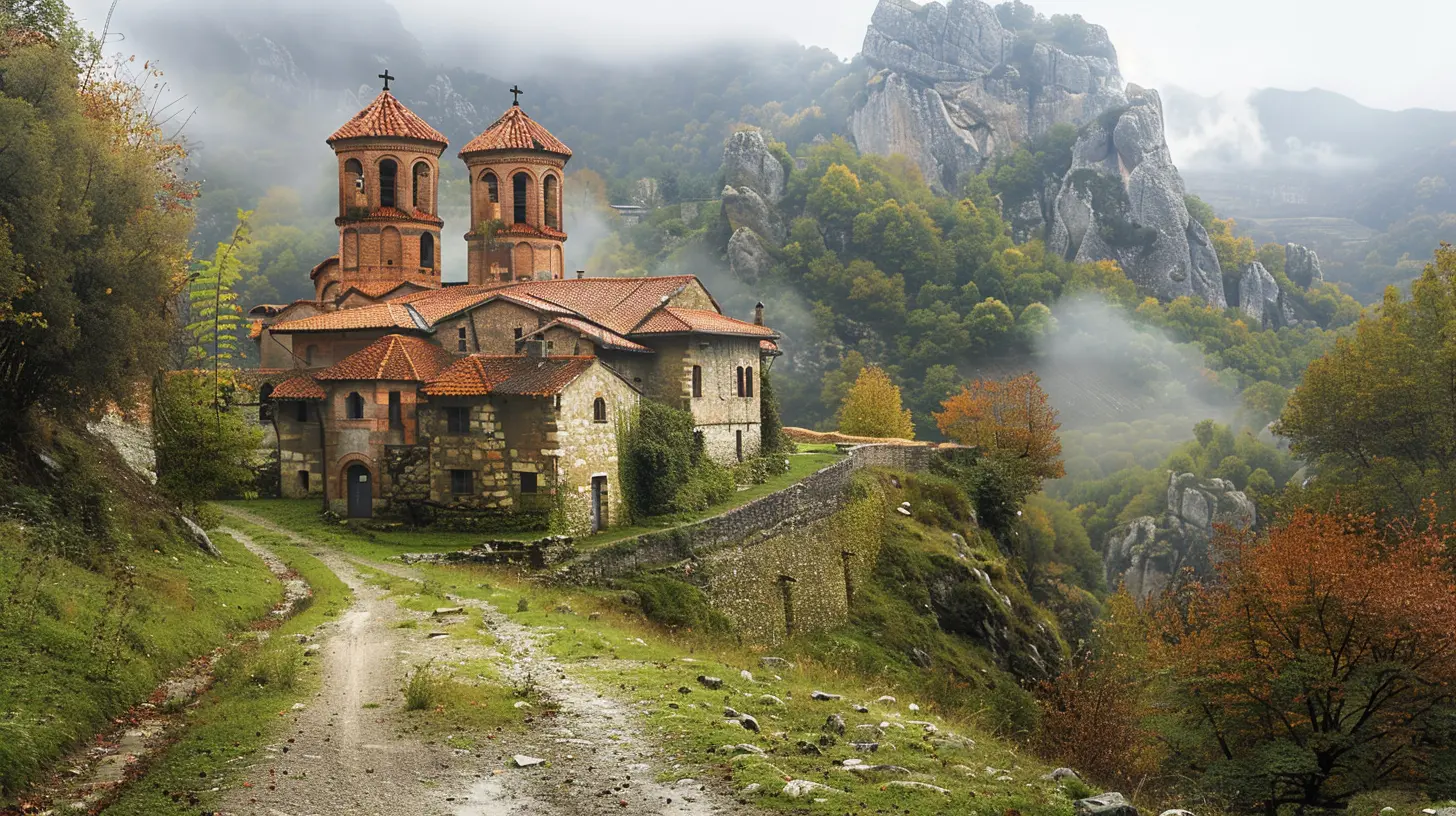
The Architecture of Serenity
If you've ever visited an ancient monastery or abbey, you’ve likely been struck by its breathtaking architecture. Each feature was designed with purpose—from towering spires to echoing cloisters.Common Elements of Monastic Architecture
1. Cloisters – These covered walkways often surround peaceful courtyards, offering an ideal space for contemplation.2. Chapter Houses – Where monks or nuns gathered to discuss important matters.
3. Refectory – A large dining hall where communities shared simple, nourishing meals.
4. Scriptorium – The room where monks meticulously copied manuscripts in candlelight.
5. Abbey Churches – Often adorned with intricate stained glass and towering altars, these places of worship showcased a mix of Romanesque, Gothic, and Baroque styles.
Each monastery or abbey tells a story through its stone walls, archways, and hidden chambers. 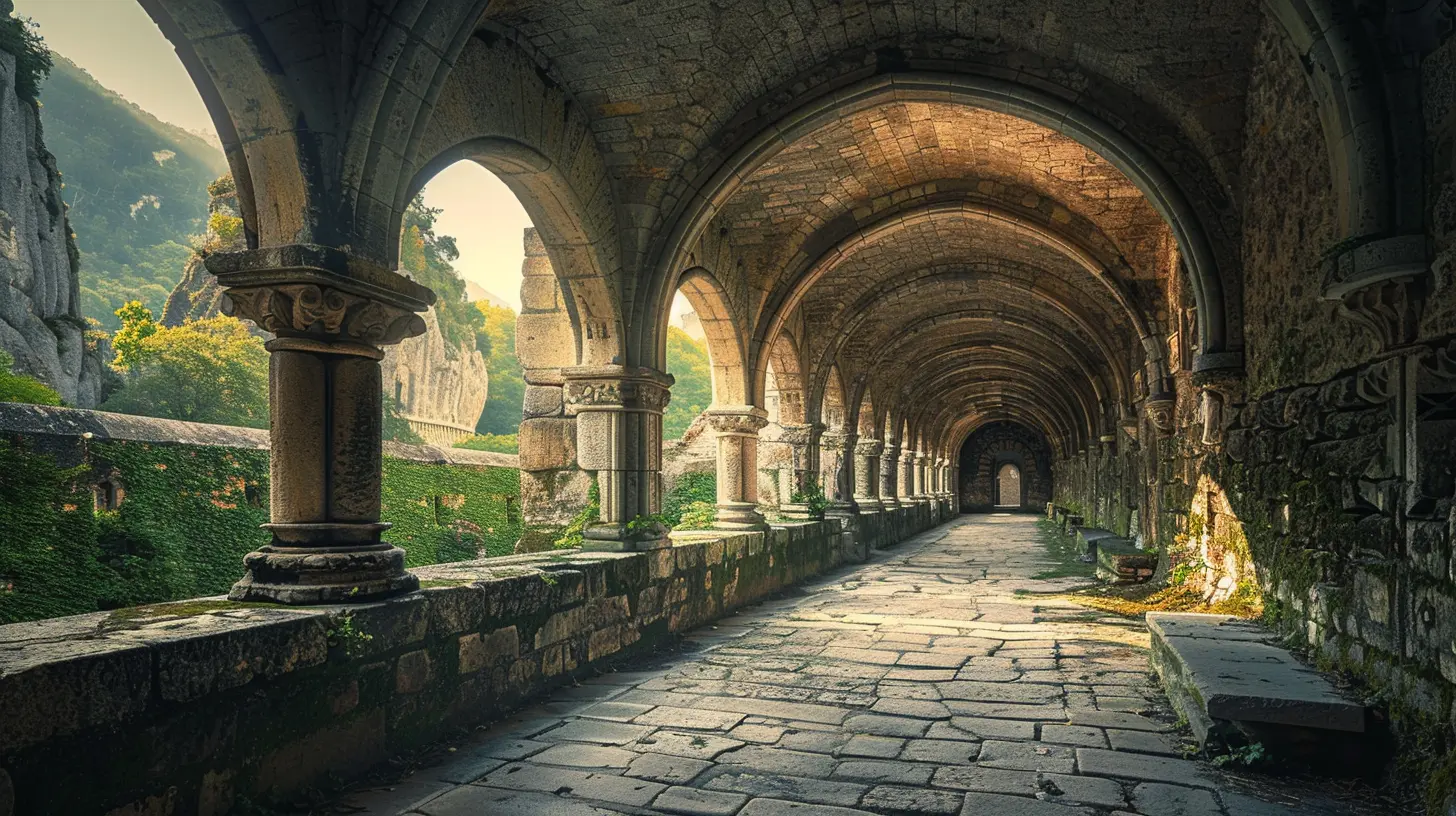
Tranquility and Spiritual Reflection
One of the most compelling reasons to visit a monastery or abbey is the peace they offer. In our fast-paced world, these places become havens of silence and self-reflection.Many still welcome visitors for retreats, allowing guests to step away from digital distractions and immerse themselves in simplicity. Whether it's meditative walks through a monastery garden or silent prayer in a candle-lit chapel, the experience is profoundly grounding.
Even if you're not religious, the ambiance alone is enough to inspire awe. Who wouldn’t want a moment of quiet reflection in a place where time seems to stand still?
Monasteries as Centers of Knowledge
Beyond their religious function, monasteries and abbeys have long been intellectual powerhouses. During the Middle Ages, they were the primary centers for education and manuscript preservation.The Role of Monks as Scholars
Long before universities existed, monks painstakingly copied ancient texts by hand. Thanks to their efforts, many classical works from Greece and Rome survived the Dark Ages. Libraries in monasteries held invaluable texts on various subjects, including:- Theology
- Medicine
- Astronomy
- History
It’s astonishing to think that without these scholarly efforts, much of our ancient knowledge might have been lost forever.
Stunning Monasteries and Abbeys Worth Visiting
Ready to experience the magic firsthand? Here are some of the world’s most breathtaking monasteries and abbeys:1. Mont Saint-Michel (France)
A medieval architectural wonder perched on an island, Mont Saint-Michel looks like something out of a fairy tale. The tides surrounding it create an almost mystical aura.2. Meteora Monasteries (Greece)
Perched atop towering rock pillars, the Meteora monasteries seem to defy gravity. Dating back to the 14th century, these monasteries were built to escape invading forces.3. Taktsang Monastery (Bhutan)
Also known as the Tiger’s Nest, this monastery clings to a cliffside in Bhutan’s Himalayan mountains. It’s a pilgrimage site with breathtaking views that make the arduous trek worthwhile.4. Montserrat Abbey (Spain)
Nestled in the stunning Catalonian mountains, this abbey is home to the famous Black Madonna statue. Many visitors embark on a pilgrimage to witness its beauty.5. St. Catherine’s Monastery (Egypt)
One of the oldest Christian monasteries still in use, St. Catherine’s sits at the foot of Mount Sinai. It houses an impressive collection of ancient manuscripts and religious artifacts.Each of these locations carries a unique charm, blending history, culture, and spirituality.
Monasteries Today: Modern Relevance
While many monasteries and abbeys serve as historical landmarks, others remain active, offering spiritual retreats, organic farming, and even artisanal brewing! Yes, some famous abbeys produce legendary beverages, like the Trappist beers of Belgium.Additionally, some monasteries have adapted to modern times, running educational programs or providing spaces for mindfulness and meditation retreats. Their age-old wisdom continues to find relevance in today's world.
Why You Should Visit a Monastery or Abbey
Still wondering if a monastery trip is worth it? Here are a few reasons to add one to your travel list:✅ Escape the Noise – Few places offer the same level of peace and solitude.
✅ Step Back in Time – You'll literally walk through centuries of history.
✅ Architectural Marvels – From Gothic masterpieces to cliff-side monasteries, they are a photographer’s dream.
✅ Cultural and Spiritual Insights – Whether religious or not, these places provide deep insights into human devotion and resilience.
✅ Nature and Scenery – Many monasteries sit in breathtaking landscapes, providing the perfect backdrop for reflection.
Final Thoughts
Monasteries and abbeys are far more than just historical buildings. They are living testaments to faith, knowledge, and the human desire for peace. Whether you're planning a spiritual retreat or simply seeking a breathtaking destination, these timeless sanctuaries promise an experience like no other.So, the next time you feel overwhelmed, consider stepping into one of these sacred spaces. Who knows? You might just find the tranquility you've been searching for.
all images in this post were generated using AI tools
Category:
Historical SitesAuthor:

Pierre McKinney
Discussion
rate this article
2 comments
Zorion McLean
Discovering the serene beauty of monasteries and abbeys invites us to pause, reflect, and reconnect with our inner selves. Each stone tells a story, reminding us that tranquility and history are waiting to inspire our journey. Embrace the adventure!
April 22, 2026 at 3:54 AM
Valen McAdoo
Timeless serenity awaits here.
April 3, 2026 at 4:36 AM
Pierre McKinney
Absolutely! These places have a unique calm that brings peace to the soul.