Mysteries of the Nabateans: Discovering Hegra’s Ancient Tombs
30 July 2026
Carved into the golden embrace of the Arabian sands, where time whispers secrets into the wind, lies Hegra—an echo of an ancient empire lost in the folds of history.*
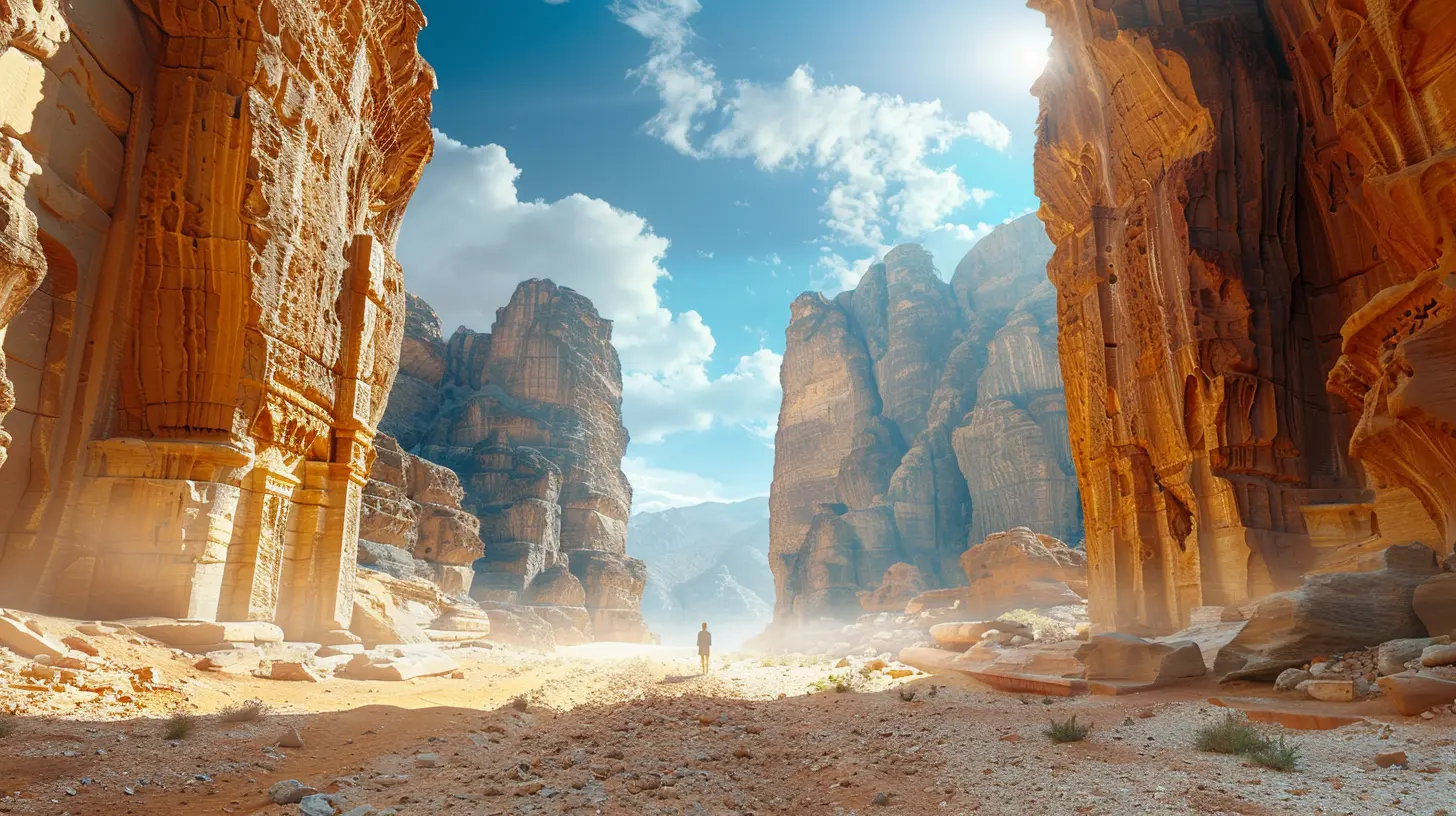
A Lost City Frozen in Time
Hidden within the vast desert of Saudi Arabia, Hegra, also known as Al-Hijr or Mada'in Saleh, stands as a silent testament to the once-great Nabatean civilization. A sister to the more famous Petra, this forgotten necropolis is a breathtaking marvel of human ingenuity—where ornate tombs, sculpted from sandstone cliffs, serve as the final resting place of a mysterious people whose secrets still linger in the air.But who were the Nabateans? Why did they carve these grand monuments into the earth, only to vanish into obscurity? Let’s journey through the labyrinth of history, where echoes of a lost civilization whisper tales of wealth, power, and an enigma that still captivates us today.
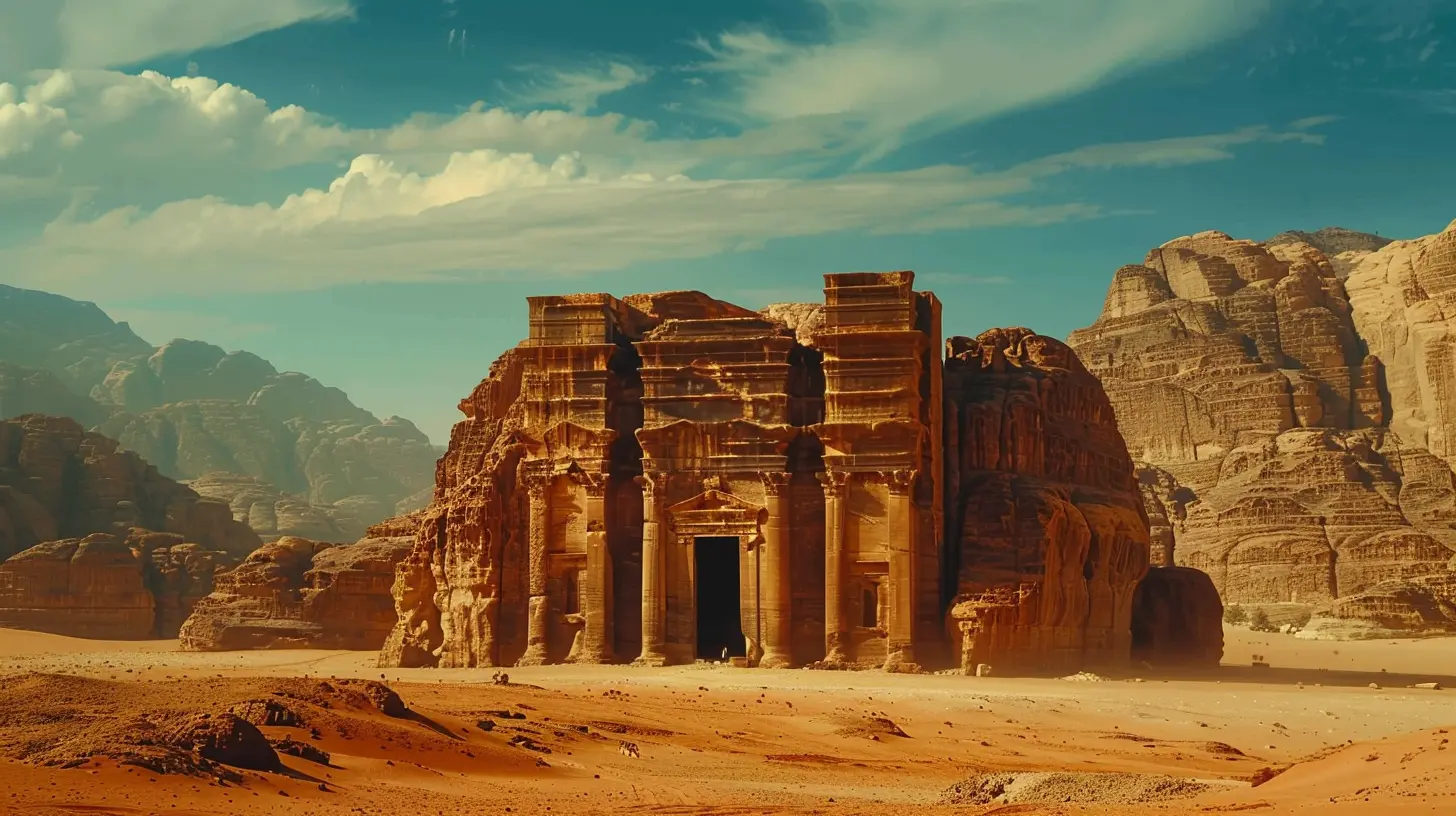
The Nabateans – Masters of Desert Trade
Picture this: a thriving kingdom, flourishing in the unforgiving deserts of Arabia, controlling the lifeblood of the ancient world—trade. The Nabateans were master merchants, their wealth flowing like a desert river, fueled by the lucratively traded spices, incense, and silk that passed through their hands.These enigmatic people knew the land better than anyone. They tamed the wilderness, carving hidden routes through treacherous dunes and rocky terrains, connecting lands from the Mediterranean to the Indian Ocean. But despite their commercial prowess, they left little written history behind—only their grand architectural marvels stand to tell their tale.
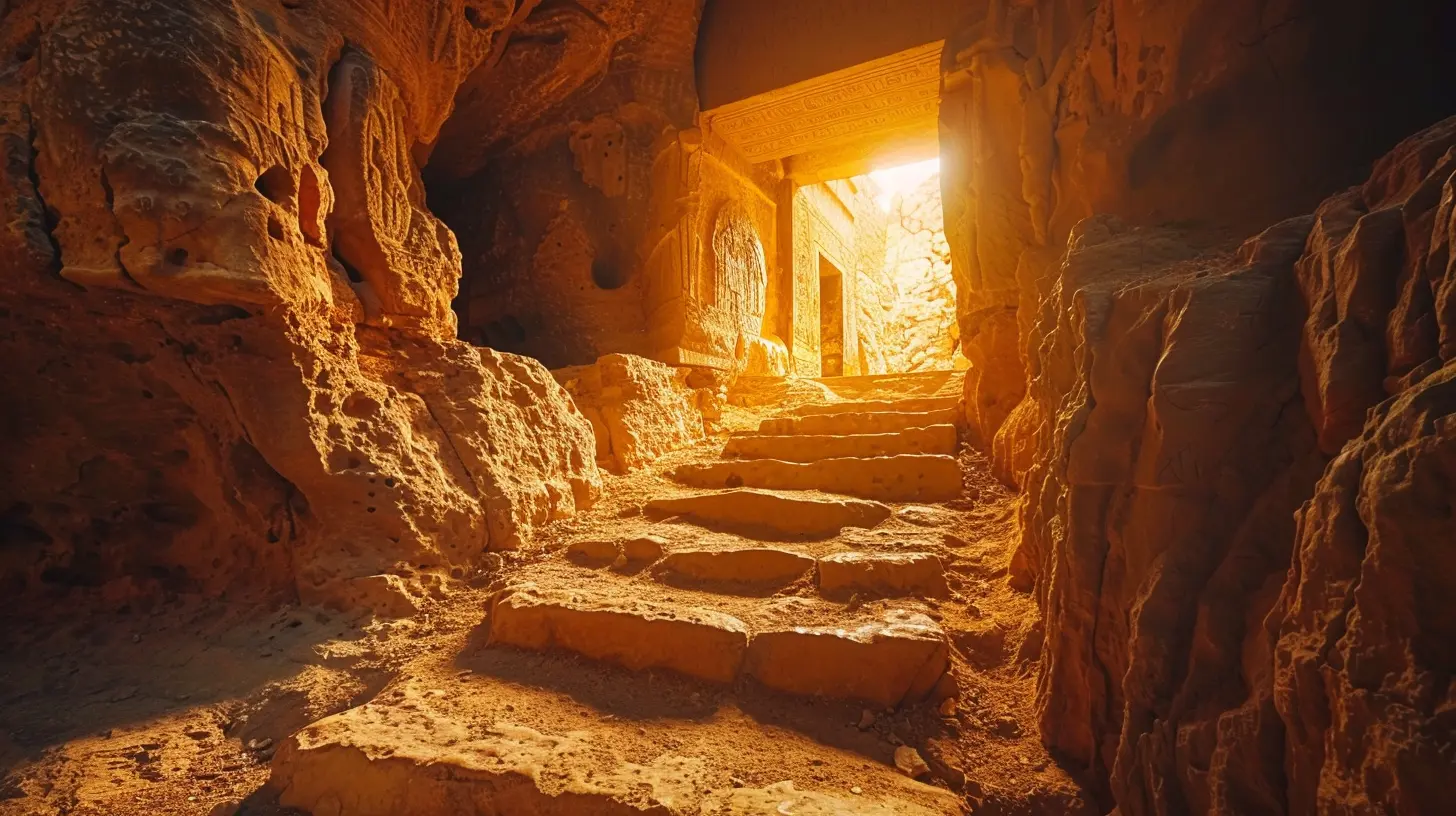
Hegra: A Forgotten Necropolis
Unlike Petra, which remains a bustling tourist hub, Hegra has long remained a silent guardian of time. Its tombs, over a hundred in number, are scattered across the arid landscape, each an exquisite masterpiece chiseled into the soft sandstone cliffs.The largest and most iconic, Qasr al-Farid—the “Lone Castle”—stands defiantly against the elements, its facade weathered yet majestic. Though unfinished, its raw beauty speaks volumes of the Nabateans’ architectural genius.
As you walk among these colossal graves, a strange feeling creeps in. It’s as if the desert itself holds its breath, guarding the untold stories of those who once ruled this land. Who were these people buried here? Were they kings, merchants, or warriors? Mystery lingers in the air like an ancient curse.
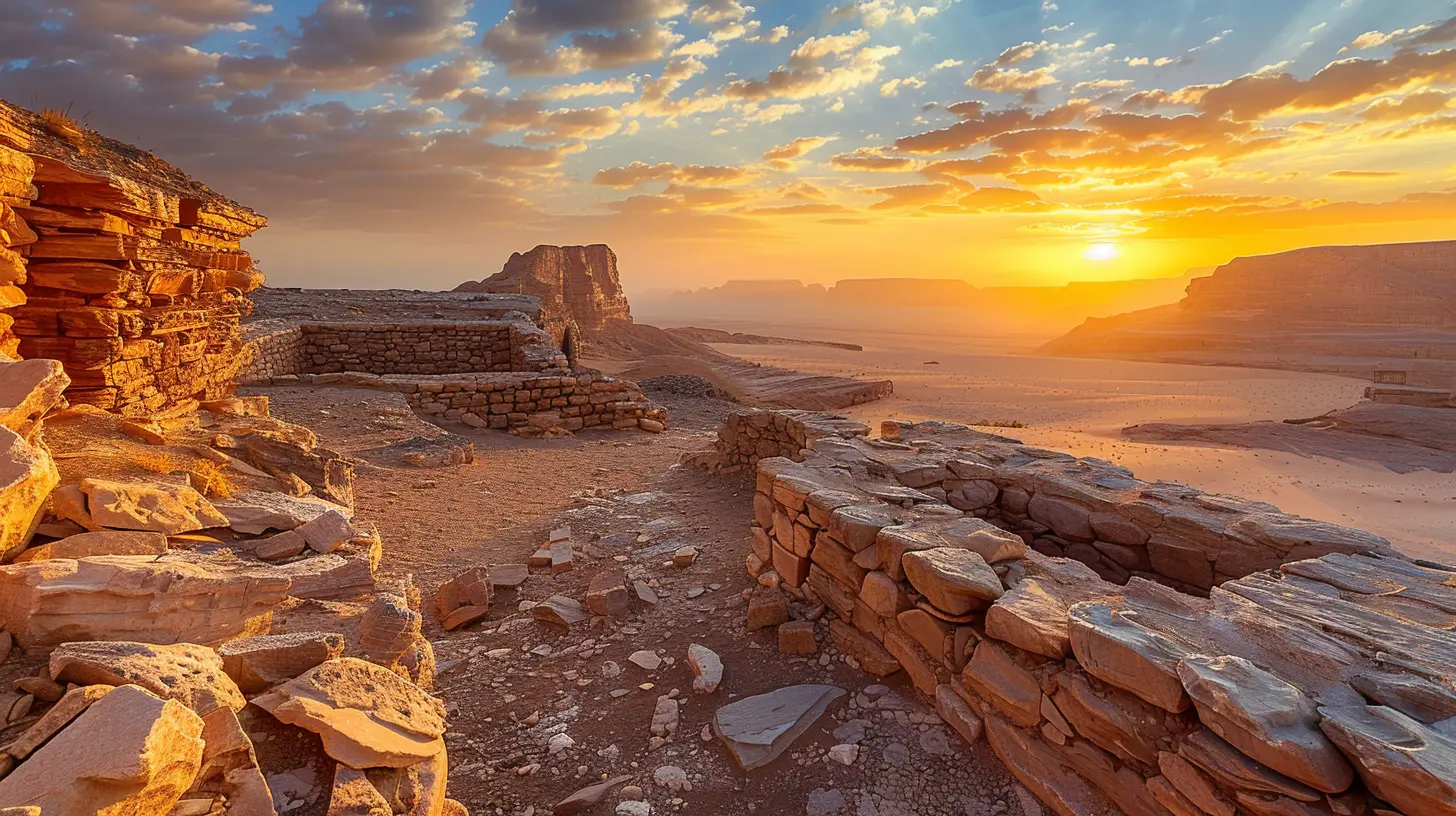
The Enigma of Their Vanishing
For all their wealth and grandeur, the Nabateans disappeared as mysteriously as they emerged. What happened to them? Why did this once-thriving civilization crumble and fade into the sands of time?Some historians believe they were assimilated into the Roman Empire, losing their identity over generations. Others suggest natural disasters or economic decline played a role. Yet, no clear answer exists—only theories, each wrapped in the same enigmatic aura as the tombs they left behind.
The Symbols and Inscriptions – Cryptic Messages from the Past
Scattered throughout Hegra are inscriptions, written in the ancient Nabatean script—an early predecessor of Arabic. Some of these carvings warn against disturbing the tombs, invoking curses upon intruders. Were they merely protective superstitions, or did the Nabateans truly believe in the wrath of the afterlife?One can’t help but wonder—were these inscriptions meant to guard the dead or leave behind a message for future generations? Perhaps, hidden within these cryptic symbols lies the key to unraveling the greatest Nabatean mystery of all.
Is Hegra the Next Petra?
For centuries, Hegra remained untouched, lost in the shifting sands of time. But today, Saudi Arabia is opening its doors to the world, inviting travelers to witness the splendor of this ancient wonder. With UNESCO recognition and ongoing excavations, Hegra is stepping out of Petra’s shadow, reclaiming its place in history.But unlike Petra, which teems with tourists, Hegra still carries an untouched, almost sacred aura. Walking through its silent tombs feels like stepping into a time capsule—an intimate conversation with the past, uninterrupted by the chatter of modern crowds.
A Journey into the Unknown
Hegra isn’t just a destination; it’s a riddle waiting to be solved. A place where history, mystery, and nature converge in a breathtaking dance of the past and present. Whether you’re an adventurer seeking lost civilizations or a dreamer longing for the secrets of ancient times, Hegra calls to you like a whispered tale in the desert wind.And who knows? Perhaps, buried beneath its golden dunes, lies an untold story that only time will reveal.
all images in this post were generated using AI tools
Category:
Ancient RuinsAuthor:

Pierre McKinney