Packing Tips for Hiking and Adventure Travel
12 March 2026
Heading out on an adventure? Whether you're tackling rugged mountain trails or venturing into the wilderness for an extended trip, packing wisely can make or break your journey. Overpacking can weigh you down, while underpacking could leave you unprepared for unexpected challenges.
So, how do you strike the right balance? In this guide, we'll cover crucial packing tips for hiking and adventure travel to help you stay lightweight, efficient, and ready for anything.
1. Choose the Right Backpack
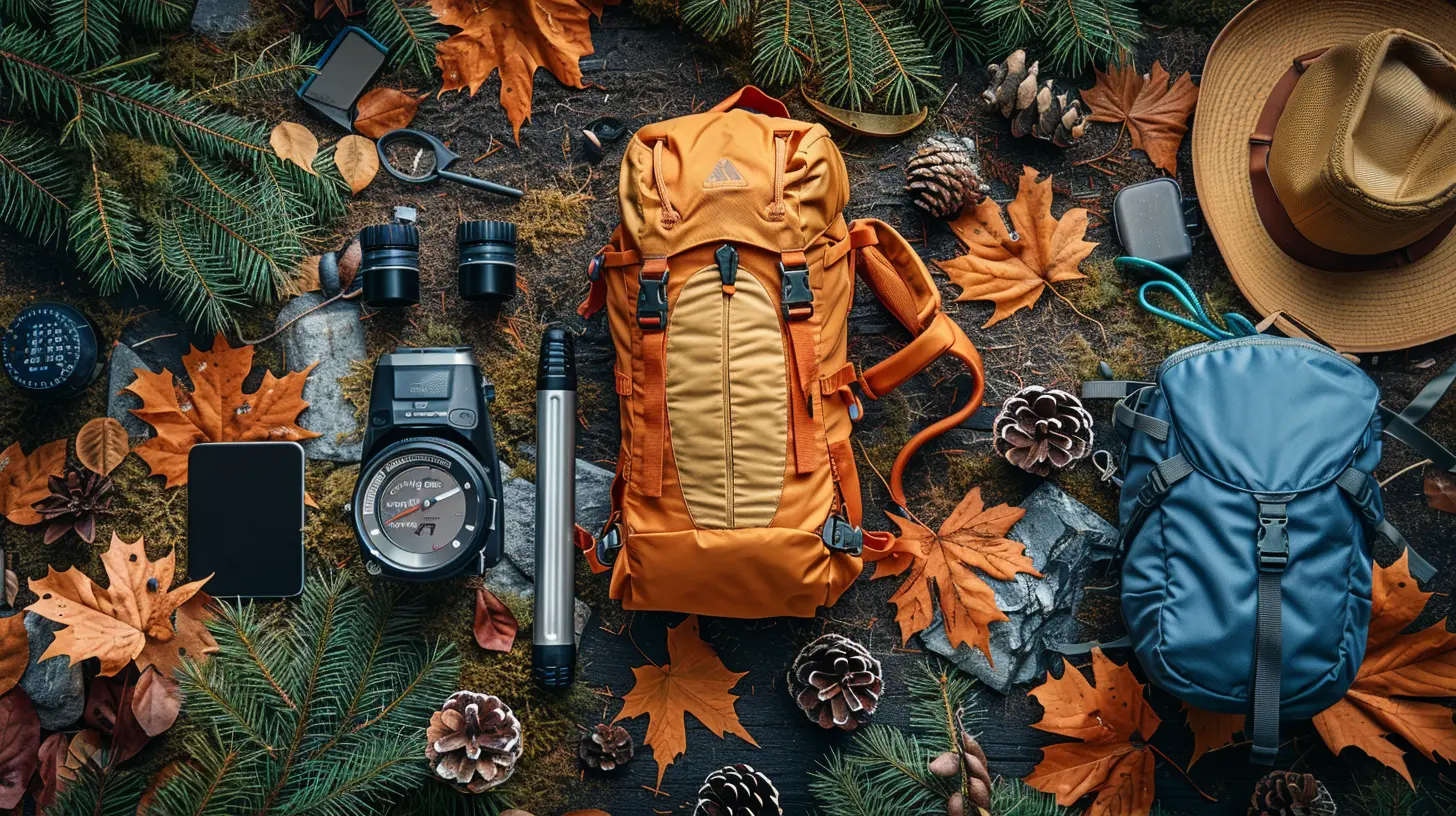
Your backpack is your lifeline in the wild. Pick one that fits comfortably and suits your trip length.Key Things to Consider:
- Size Matters: For day hikes, a 20–30L pack works. Multi-day trips often require 50L or more.- Weight Distribution: A pack with padded shoulder straps and a waist belt evenly distributes weight.
- Weather Protection: A rain cover or waterproof backpack will keep your essentials dry.
2. Prioritize Lightweight and Multi-Purpose Gear
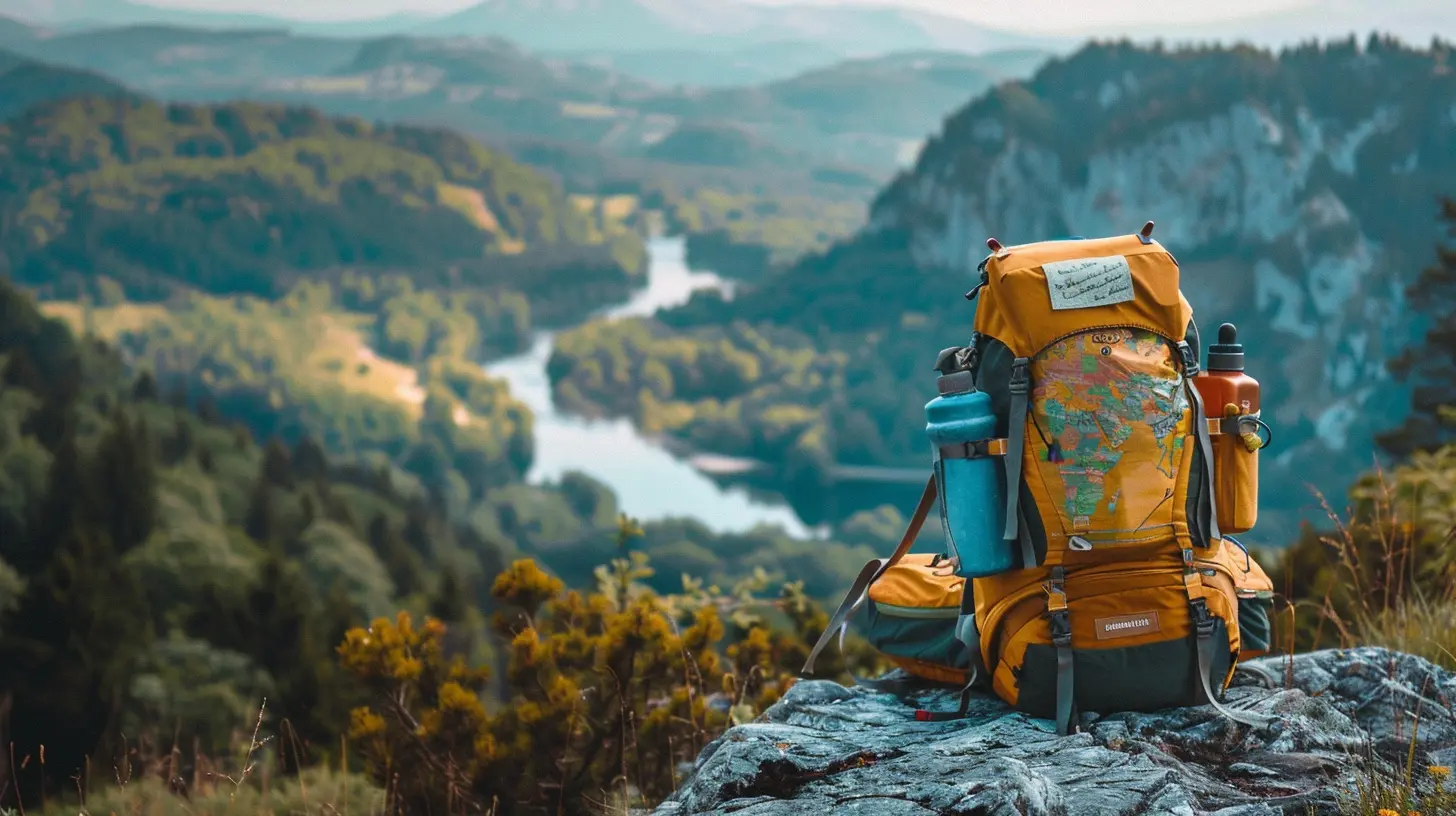
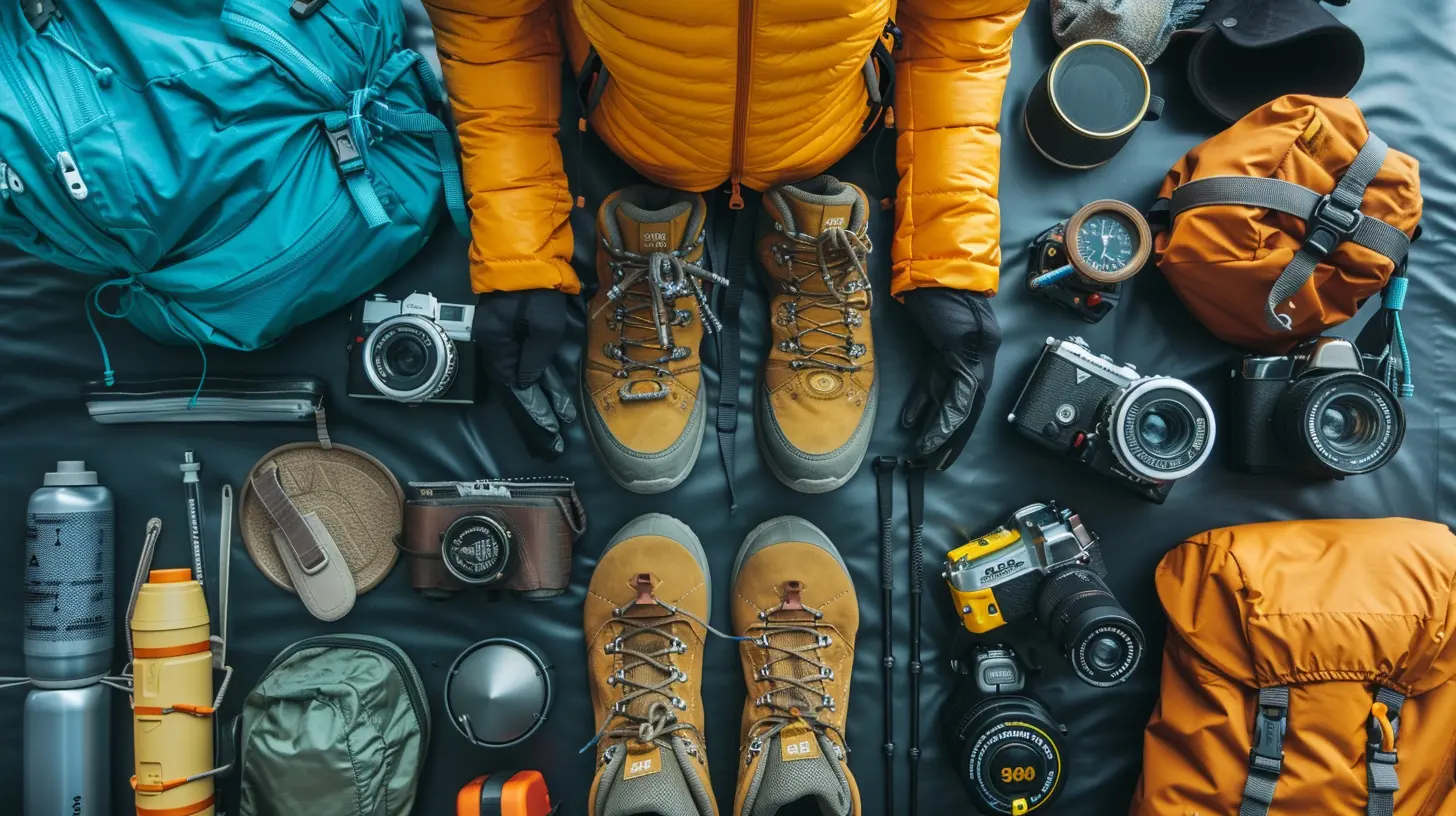
Every ounce counts when you're carrying a load for miles. Aim for ultra-light gear without compromising on function.Smart Packing Choices:
- Multi-purpose items: A buff can be a scarf, sweatband, or face mask.- Collapsible gear: A lightweight, foldable cup or bowl saves space.
- Down jacket: Warms you up but compresses well when packed.
3. Dress in Layers
Mother Nature can be unpredictable. Dressing in layers lets you adjust to temperature changes on the go.Layering Basics:
1. Base Layer: Moisture-wicking fabric (avoid cotton; it traps moisture).2. Mid Layer: Insulation (fleece or down works great).
3. Outer Layer: Windproof and waterproof jacket.
💡 Tip: Pack an extra pair of socks. Dry feet prevent blisters and make a world of difference!
4. Pack Essential Navigation Tools
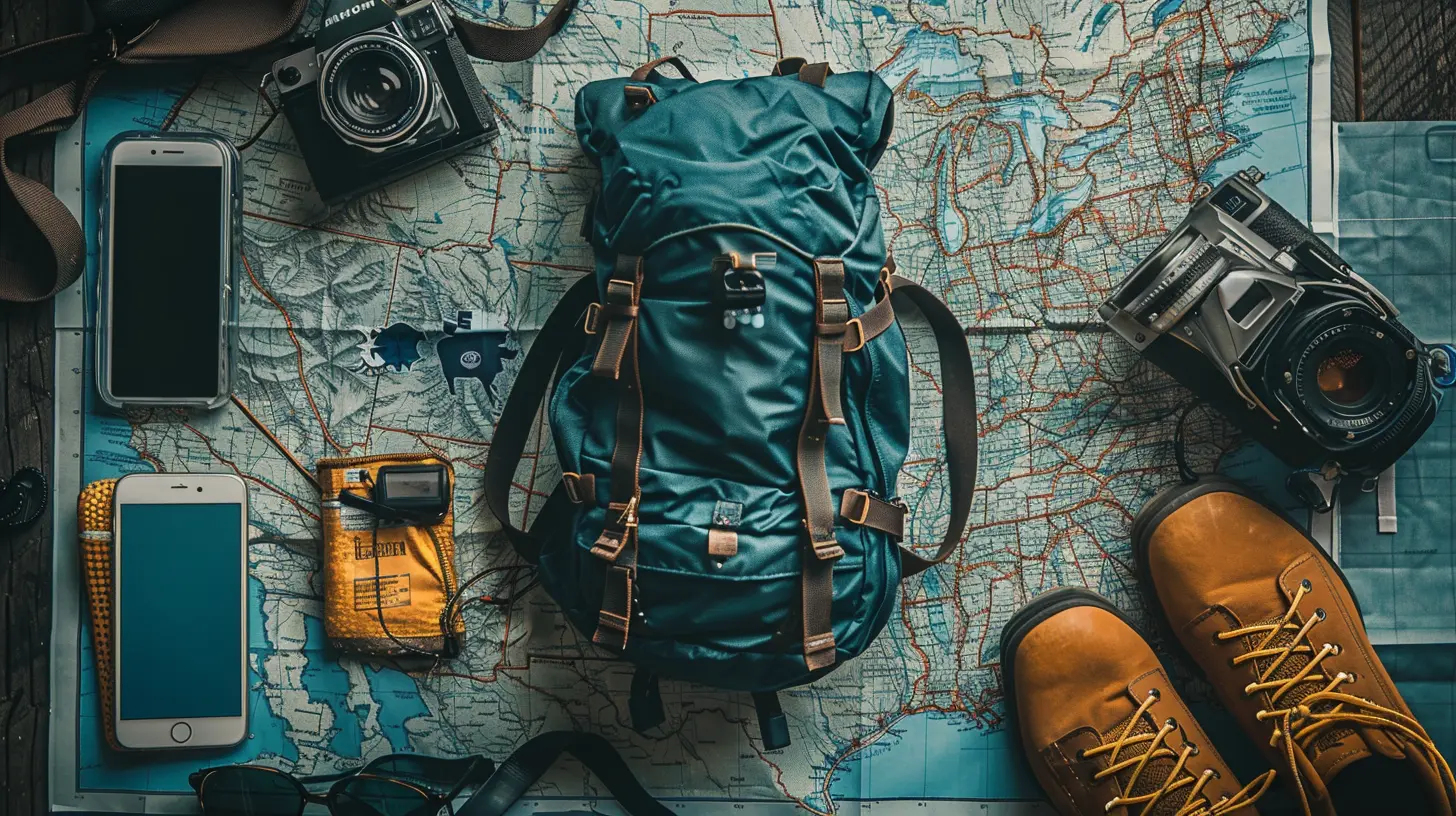
Even if you rely on your phone, always have a backup navigation plan.Navigation Must-Haves:
- Map & Compass: A must for backcountry hikes.- GPS Device or Smartphone with Offline Maps: Technology can fail; always have a physical map.
- Headlamp & Extra Batteries: Essential for night hikes or unexpected delays.
5. Bring a First-Aid Kit
Accidents happen. A well-stocked first-aid kit is a lifesaver.Must-Have Items:
- Bandages and blister pads- Antiseptic wipes
- Pain relievers
- Tweezers (for splinters or ticks)
- Allergy meds (if you need them)
- Emergency whistle and space blanket
6. Pack the Right Food & Water
Keeping your energy up is crucial. Pack calorie-dense, non-perishable food and ensure you have access to clean drinking water.Smart Food Choices:
- Trail mix and energy bars- Dehydrated meals (lightweight and easy to prepare)
- Instant coffee or tea for a morale boost
Water Tips:
- Carry a hydration bladder or water bottle.- Pack a water filter or purification tablets for refilling from streams and lakes.
7. Don’t Forget Trekking Poles
Are they necessary? If you’re hiking steep terrain, absolutely! Trekking poles reduce strain on your knees and improve stability. Plus, they help with river crossings and uneven trails.
8. Keep Your Sleeping Gear Lightweight
For overnight adventures, your sleep system is crucial.Smart Choices:
- Sleeping bag: Choose one rated for the coldest temp you expect.- Sleeping pad: Provides insulation and comfort.
- Lightweight tent or hammock: Depending on your terrain and weather.
9. Pack Proper Sun Protection
Even on cold hikes, sun exposure can be intense.Must-Haves:
- Sunglasses with UV protection- Hat or cap
- Sunscreen (SPF 30+ with sweat resistance)
- Lip balm with SPF
10. Emergency and Survival Gear
Be prepared for the unexpected.Survival Essentials:
- Emergency bivvy or space blanket- Multi-tool or knife
- Fire starter (waterproof matches or lighter)
- Duct tape (fix gear, blisters, or even a broken pole!)
11. Keep Electronics to a Minimum
You’re hitting the trails to reconnect with nature, right? But keeping essential electronics charged is still important.Must-Carry Gadgets:
- Power bank (for phone/GPS)- Solar charger (if on a multi-day trip)
- Lightweight camera (if you want quality photos without bulk)
12. Pack a Trash Bag – Leave No Trace
Adventure travel should be responsible travel. Bring a trash bag and carry out all waste. Leave the trail as beautiful as you found it.13. Pack Smart – Use Packing Cubes and Compression Bags
For longer trips, organization is key. Packing cubes help keep clothes neat, while compression bags save space.
14. Do a Trial Run Before Your Trip
Pack everything in your bag and go for a short hike before your actual trip. This helps you:- Adjust straps for comfort
- Identify unnecessary items
- Ensure everything fits well
Final Thoughts
Packing for hiking and adventure travel doesn’t have to be daunting. Stick to the essentials, keep it lightweight, and always pack smart. A well-prepared backpack means more time enjoying the journey and less time worrying about what you forgot.Now, go lace up those boots and hit the trail! Happy hiking!
all images in this post were generated using AI tools
Category:
Travel EssentialsAuthor:

Pierre McKinney
Discussion
rate this article
2 comments
Alisha Adams
Ready to conquer the great outdoors? Packing smart is the key to an unforgettable adventure! Embrace the thrill of exploration and let every step take you closer to nature’s wonders. Adventure awaits—make it extraordinary with thoughtful packing!
April 14, 2026 at 2:51 PM
Pierre McKinney
Absolutely! Smart packing enhances your adventure and ensures you’re prepared to fully enjoy the great outdoors. Let’s get into those essential tips!
Dusk Thompson
Essentials only: prioritize lightweight gear for maximum adventure comfort!
March 20, 2026 at 3:50 PM
Pierre McKinney
Absolutely! Lightweight gear maximizes comfort and mobility, allowing you to fully enjoy your adventure. Happy hiking!