Sacred Peaks: Exploring Mountains with Spiritual Significance
17 January 2026
Mountains have always held a special place in human history. Towering over landscapes, these natural giants have inspired awe, fear, and deep spiritual reverence. Across cultures and religions, certain peaks are believed to possess divine energy, drawing pilgrims and seekers from all over the world. But what makes a mountain sacred? Why do people embark on arduous journeys to connect with these towering summits?
In this guide, we'll take a journey through some of the world's most sacred mountains, their spiritual significance, and the traditions tied to them. 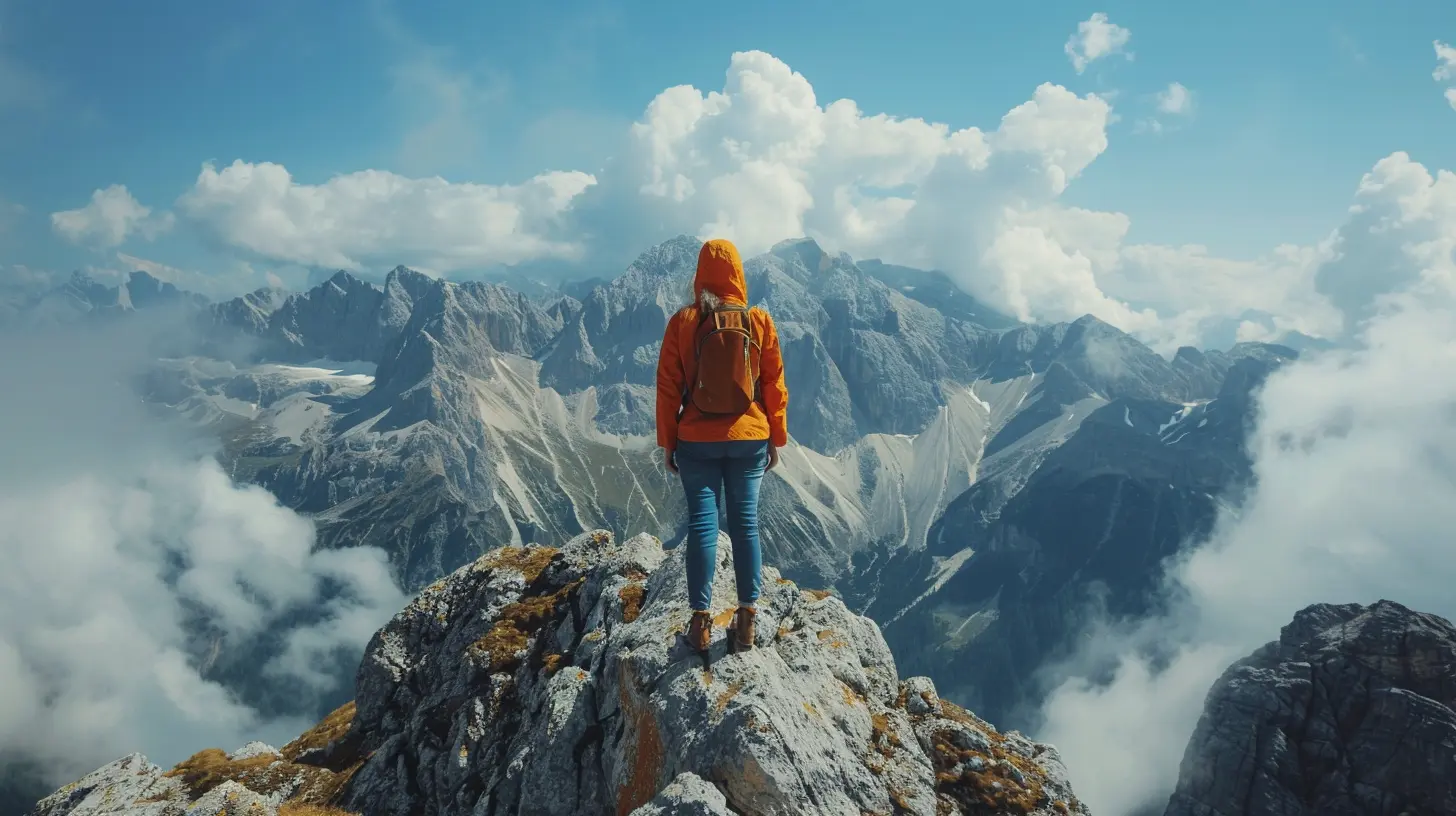
Why Are Some Mountains Considered Sacred?
Mountains have long been associated with the divine. In many cultures, they are seen as the dwelling places of gods, spirits, or enlightened beings. Their towering heights make them closer to the heavens, and their remote and difficult terrain often represents the path to enlightenment.Many sacred mountains also have legends and myths tied to them, further deepening their spiritual meaning. Pilgrims undertake great journeys to pray, meditate, and seek transcendence in these high-altitude sanctuaries.
Now, let’s take a look at some of the most revered mountains across the world. 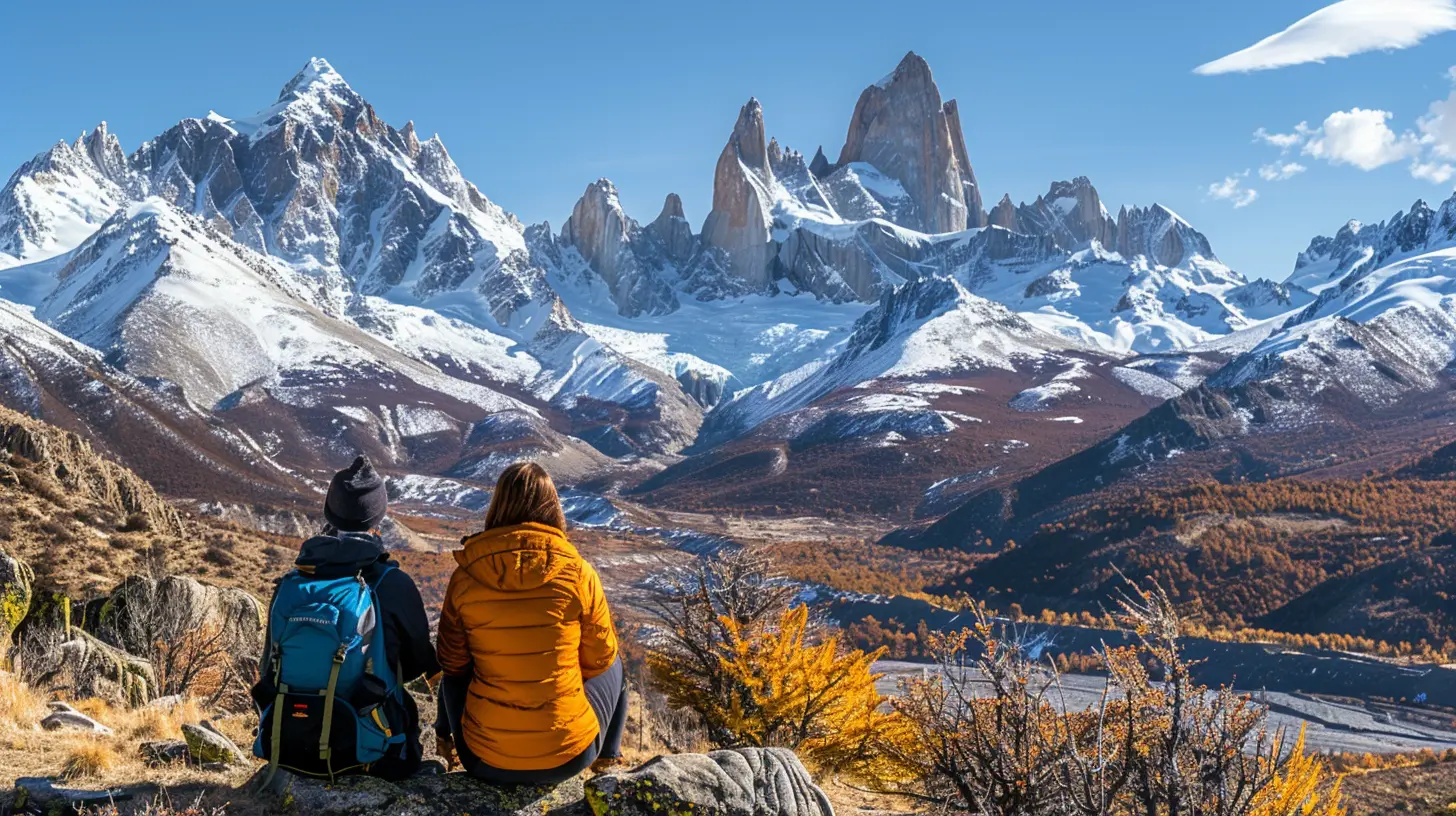
1. Mount Kailash (Tibet) – The Abode of the Gods
Mount Kailash is perhaps the most sacred mountain in the world. Located in the remote western part of Tibet, this peak is revered by four major religions: Hinduism, Buddhism, Jainism, and Bon.Why Is Mount Kailash Sacred?
- In Hinduism, Mount Kailash is believed to be the abode of Lord Shiva, the powerful deity of destruction and transformation.- For Buddhists, it is considered the center of the universe and a representation of Mount Meru, a mythical cosmic mountain.
- Jains believe that their first Tirthankara, Rishabhadeva, attained liberation here.
- Followers of Bon, Tibet's indigenous religion, see it as the seat of their spiritual founder.
Pilgrims undertake the Kailash Kora, a 52-kilometer trek around the mountain, as an act of devotion. Completing this circuit is said to erase the sins of a lifetime. 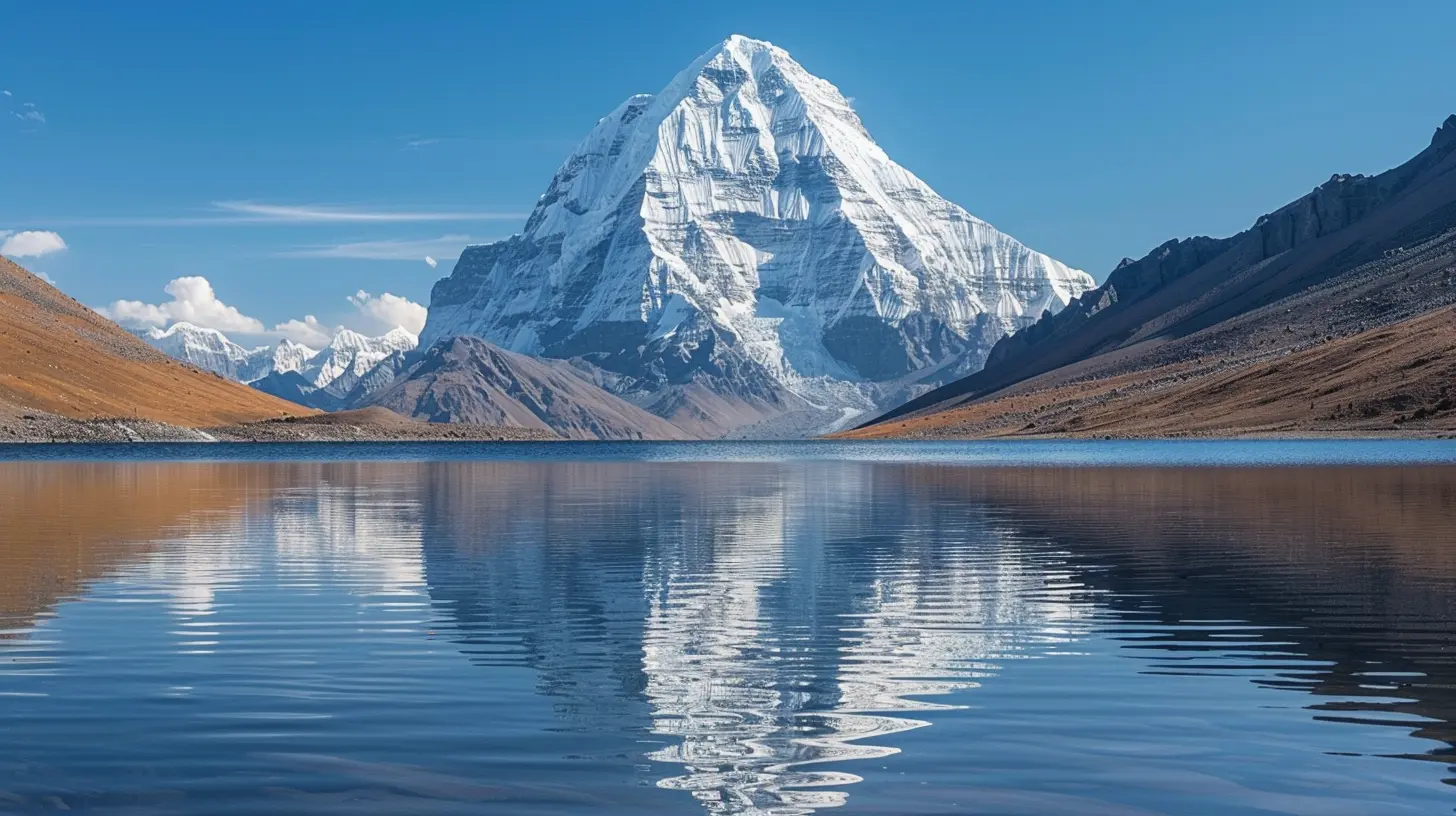
2. Mount Fuji (Japan) – A Symbol of Purity and Worship
Mount Fuji is more than just Japan’s highest peak—it’s a deeply spiritual place. This iconic volcano has been a site of pilgrimage for centuries, drawing both religious devotees and nature lovers.Why Is Mount Fuji Sacred?
- Shintoism considers Mount Fuji the home of the goddess Konohanasakuya-hime, the deity of volcanoes and blossoms.- Buddhist monks have long regarded the mountain as a gateway to enlightenment.
- Fuji-san has been a pilgrimage destination for yamabushi (mountain ascetics) seeking spiritual purification.
Even today, climbing Mount Fuji is considered a spiritual journey. Every year, thousands of pilgrims and hikers ascend to witness the breathtaking sunrise from the summit, a moment often referred to as "Goraikou" (arrival of divine light). 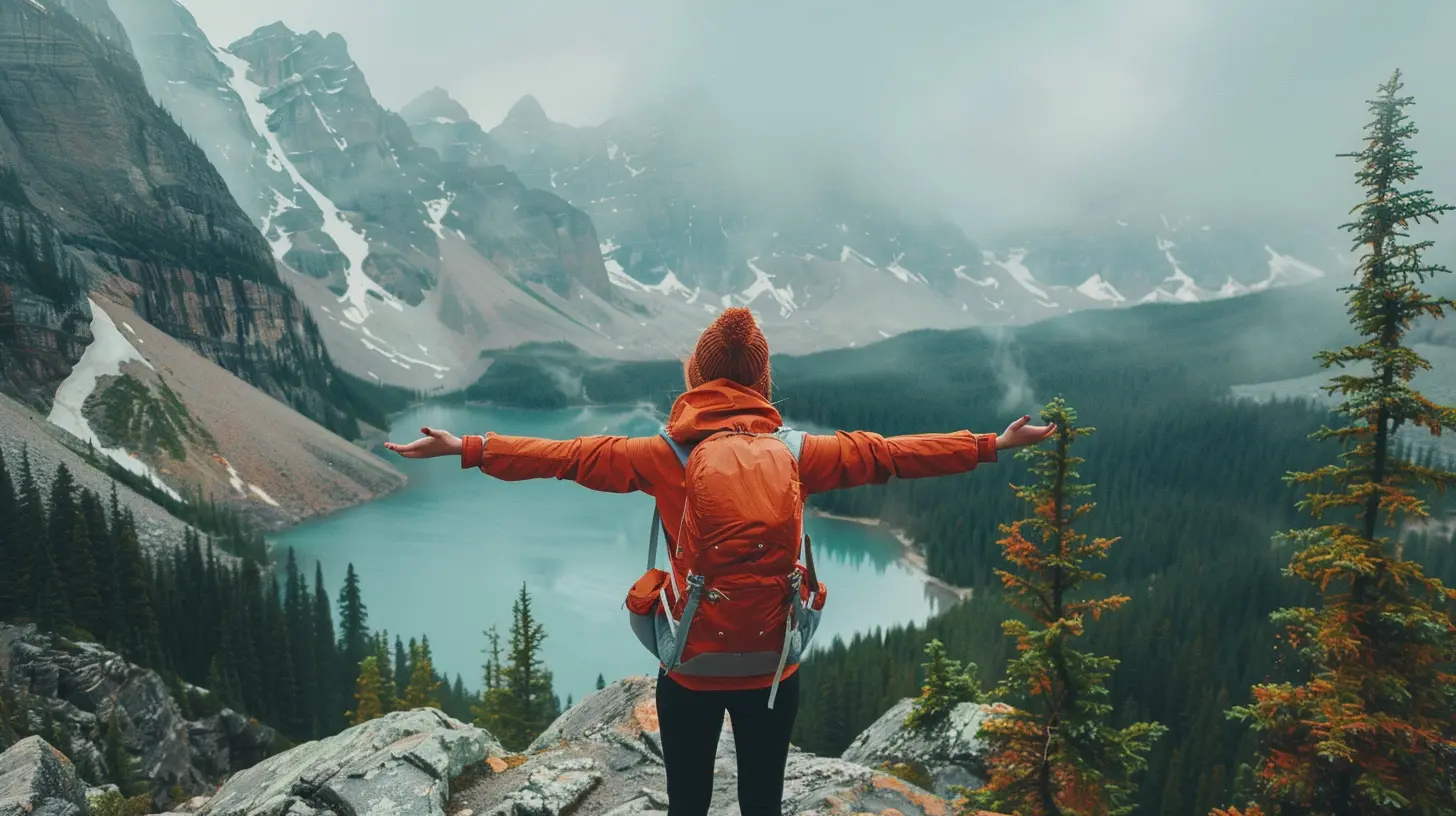
3. Mount Sinai (Egypt) – The Mountain of Divine Revelation
Biblical history is steeped in Mount Sinai's rugged slopes. According to Jewish, Christian, and Islamic traditions, this is where Moses received the Ten Commandments from God.Why Is Mount Sinai Sacred?
- In Judaism and Christianity, it is where God spoke to Moses and gave him the laws that form the basis of faith.- For Muslims, it is associated with the prophet Musa (Moses) and holds great religious significance.
Pilgrims climb Mount Sinai, often overnight, to reach the summit by sunrise, where they can experience a sense of peace and divine connection. At the foot of the mountain lies St. Catherine’s Monastery, one of the oldest Christian monasteries in the world.
4. Machu Picchu & Huayna Picchu (Peru) – The Spiritual Heart of the Incas
High in the Andes, the lost city of Machu Picchu stands as a testament to the Inca civilization. While many visitors come to see the city itself, the surrounding mountains, particularly Huayna Picchu, are considered highly sacred.Why Are These Mountains Sacred?
- The Incas believed that mountains, or "Apus," were spirits that protected their people.- Many temples and shrines in Machu Picchu align with the peaks, indicating their spiritual importance.
- Climbing Huayna Picchu is said to be a transformative experience, offering not just breathtaking views but a deep sense of connection to the past.
For those seeking a journey both physically and spiritually rewarding, hiking these sacred peaks offers an unforgettable experience.
5. Mount Athos (Greece) – The Holy Mountain
Mount Athos, often called the "Holy Mountain," is a spiritual sanctuary located in northern Greece. It is home to Orthodox Christian monasteries and has been a center of monasticism for over a thousand years.Why Is Mount Athos Sacred?
- According to legend, the Virgin Mary was shipwrecked near Mount Athos and blessed the land, making it a holy sanctuary.- Only male monks and visitors (men) are allowed here, as the entire peninsula is considered a monastic republic.
- The monasteries house ancient manuscripts, religious artifacts, and some of the most venerated icons in Christianity.
For devout pilgrims, visiting Mount Athos is a deeply spiritual retreat, filled with prayer, meditation, and contemplation.
6. Mount Olympus (Greece) – Home of the Gods
Few mountains have a mythical reputation as grand as Mount Olympus. In Greek mythology, this was the dwelling place of Zeus and the twelve Olympian gods. Towering above the clouds, Mount Olympus embodies power, divinity, and mystery.Why Is Mount Olympus Sacred?
- Ancient Greeks believed that the gods lived on its peak, overseeing human affairs.- Climbing it was considered a near-impossible feat in ancient times, adding to its mystical aura.
- Today, it remains a place of pilgrimage for lovers of mythology and spiritual seekers alike.
Hikers who reach the summit experience a sense of standing where the gods once reigned—a humbling and exhilarating feeling.
7. Mount Shasta (USA) – A Spiritual Powerhouse
In Northern California, Mount Shasta rises dramatically from the landscape, earning its reputation as a spiritual and mystical vortex. This volcanic peak is steeped in Native American traditions and New Age beliefs.Why Is Mount Shasta Sacred?
- Indigenous tribes, such as the Wintu, view the mountain as the home of powerful spirits.- Many believe the mountain radiates energy, making it a hotspot for meditation, healing, and paranormal experiences.
- Some spiritual seekers claim Shasta is connected to the lost civilization of Lemuria, adding to its mystique.
Many visitors travel to Mount Shasta not just for its stunning beauty but to experience its unique spiritual energy.
Final Thoughts – The Call of the Sacred Peaks
There’s something undeniably special about sacred mountains. They challenge us physically, yet reward us spiritually. Whether you're climbing for adventure, seeking inner peace, or simply wanting to witness these remarkable places, their energy is impossible to ignore.These peaks have been worshipped, revered, and respected for centuries. And if you ever find yourself standing atop one, with the world stretched out below, you may just feel a connection to something greater—something eternal.
So, which sacred peak is calling to you?
all images in this post were generated using AI tools
Category:
Mountain AdventuresAuthor:

Pierre McKinney
Discussion
rate this article
2 comments
Kaleb Rhodes
Thank you for sharing these inspiring insights; nature truly nourishes the soul and spirit.
February 22, 2026 at 4:14 AM
Pierre McKinney
Thank you for your kind words! I'm glad you found the insights inspiring. Nature indeed has a profound way of uplifting our spirit.
Solenne Vaughn
What a beautiful exploration of sacred mountains! Each peak holds a unique story, inviting us to connect with nature and our spirituality.
January 21, 2026 at 4:15 PM
Pierre McKinney
Thank you for your kind words! I'm glad you resonate with the themes of connection and spirituality in our exploration of sacred mountains.