Sacred Ruins: The Spiritual World of Angkor Wat
3 July 2026
Imagine stepping through a portal into another time. You're standing amidst towering, ancient ruins, shrouded in mist and mystery, as if they've been here forever, whispering stories you can't quite hear. Some call it a forgotten kingdom, others a masterpiece of sacred art. Welcome to the mesmerizing world of Angkor Wat, a place where spirituality, history, and architectural genius collide.
This stunning relic in Cambodia is more than just stones and carvings; it's a testament to an ancient civilization's devotion, an expression of humanity's attempt to connect with something greater than itself. But what makes Angkor Wat so unique? Why do millions of travelers flock here every year?
In this article, we'll explore the spiritual world of Angkor Wat, its history, symbolism, and the deep connection people feel when they step foot on its sacred grounds. Whether you're a traveler yourself, a history buff, or someone drawn to spiritual places, Angkor Wat has something magical to offer. Ready to dive in?
An Ancient Enigma
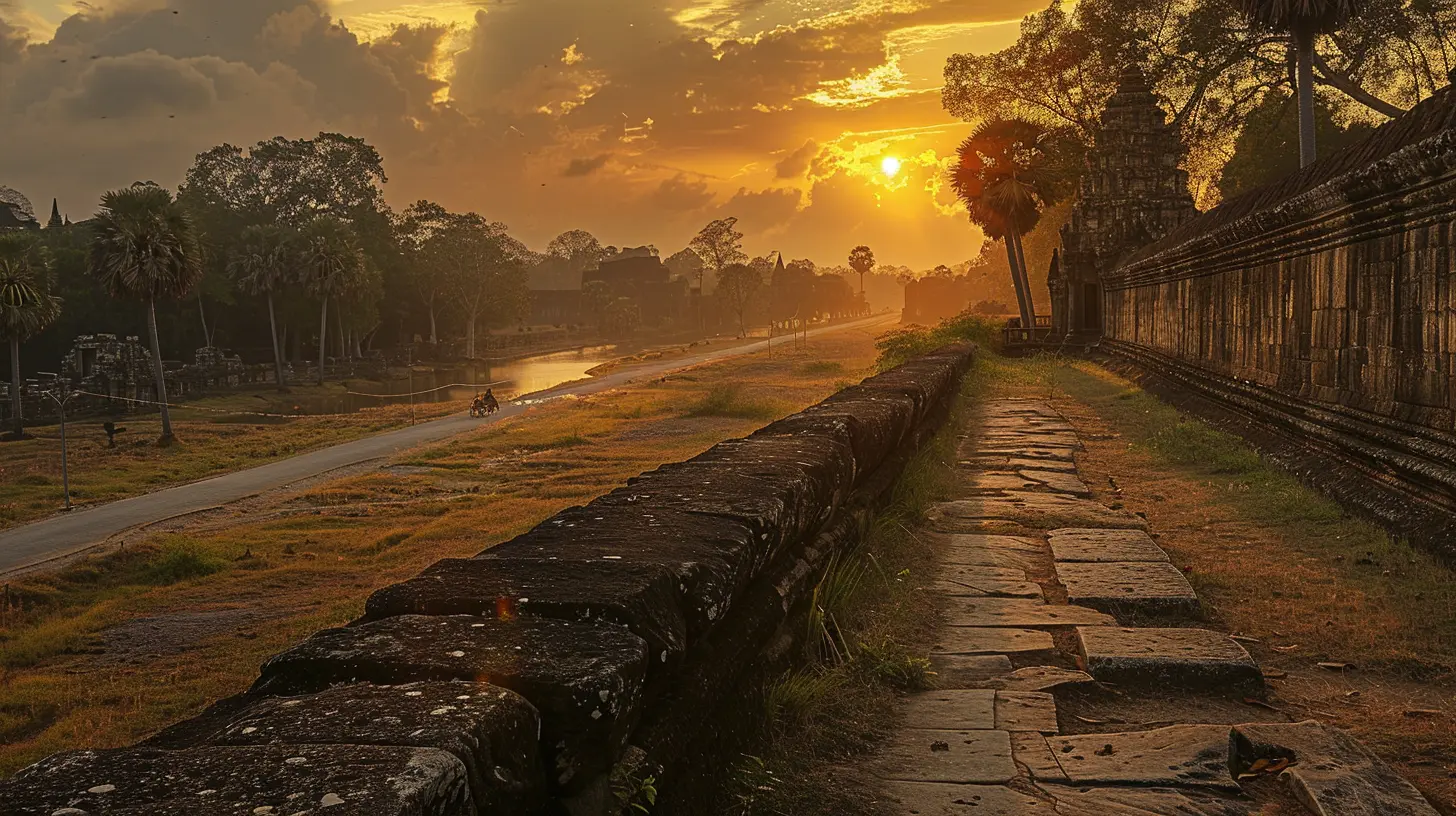
Before we get too far into the spiritual aspect of Angkor Wat, let’s take a moment to appreciate its history. Located in northern Cambodia, Angkor Wat was built in the early 12th century by King Suryavarman II. It originally served as a Hindu temple dedicated to the god Vishnu but later transformed into a Buddhist site.But here's the kicker: Angkor Wat is the largest religious monument in the world. Bigger than the Vatican. Bigger than Mecca. Bigger than anything you'd ever imagine. Spread over 162 hectares (about 400 acres), this temple complex is nothing short of colossal.
Though it's known today as a Buddhist site, its roots are steeped in the Hindu religion. Much of the temple's symbolism, layout, and design reflect Hindu cosmology. It's not just a building; it’s a spiritual map of the universe. How amazing is that?
The Spiritual Layout Of Angkor Wat
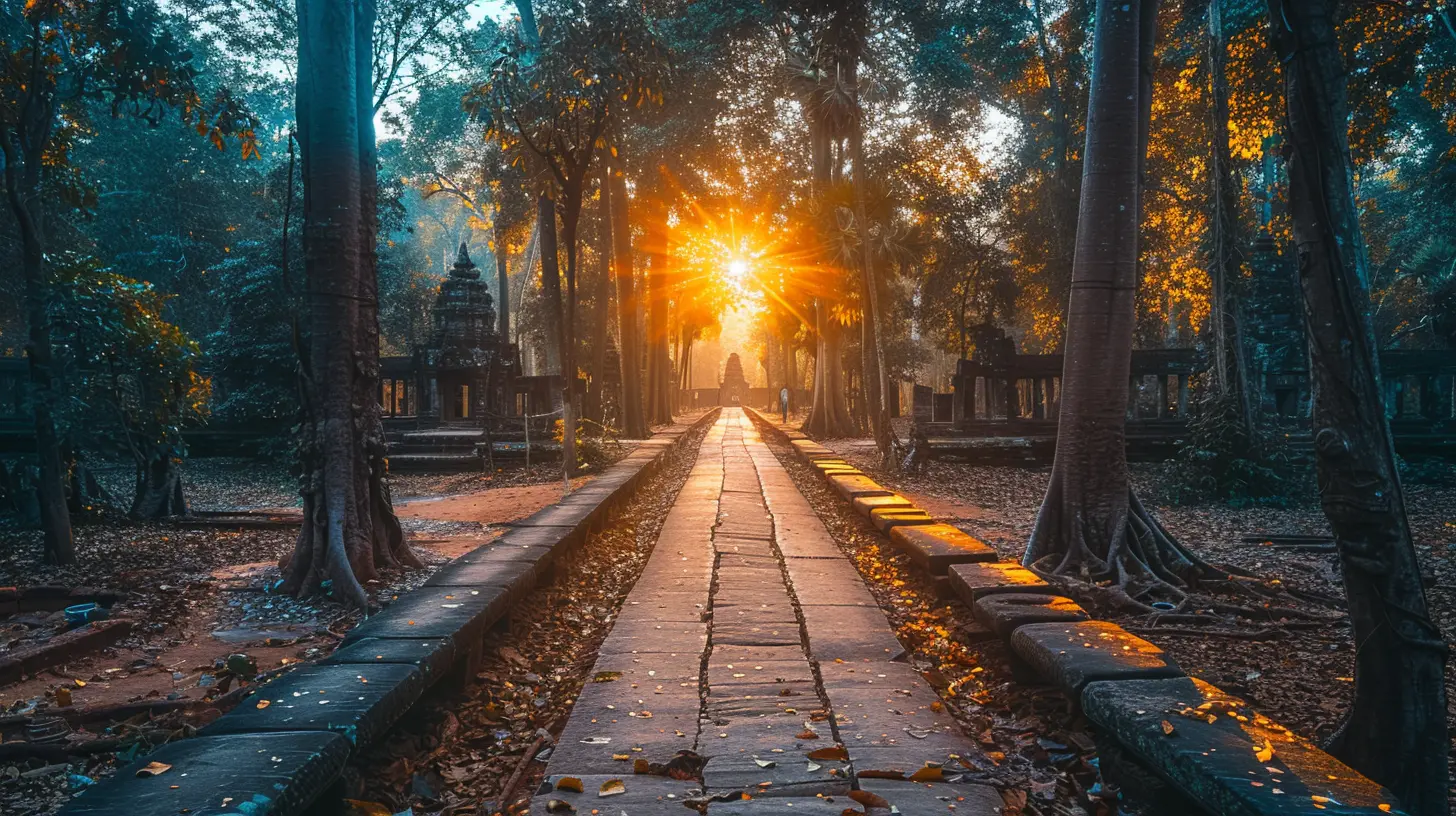
When you first set your eyes on Angkor Wat, you’ll notice something peculiar about its layout. It’s mind-bogglingly symmetrical. Everything from the walls to the corridors and the towers is laid out with precision, aligned to the four cardinal directions.But this isn’t just architectural OCD. It’s symbolic. The central tower of Angkor Wat is believed to represent Mount Meru, the home of the gods in Hindu mythology. The surrounding walls and moats? They're the mountain ranges and oceans that are believed to encircle the universe. So, in essence, you aren’t just wandering through old ruins. You’re walking through a microcosm of the cosmos.
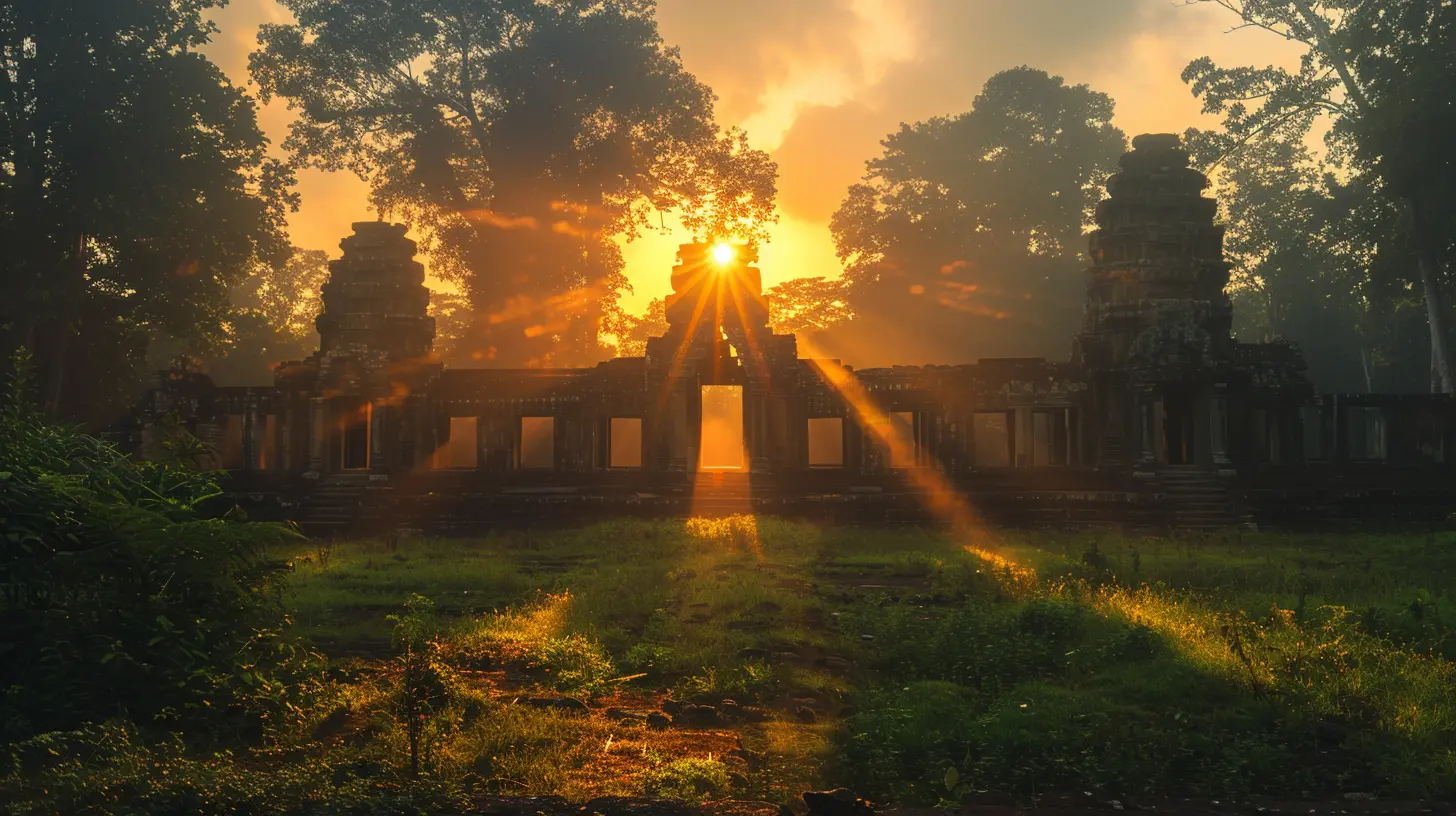
That alignment? It’s not random either. During the Spring Equinox, the sun rises directly above the central tower, bathing it in warm, golden light. It's a sight so profound that many visitors wake up at the crack of dawn just to catch this cosmic performance. Can you imagine how awe-inspiring that must be?
The Carvings: Stories Engraved in Stone
Strolling through the corridors of Angkor Wat, you'll feel like you're walking through the pages of an ancient epic. The walls are adorned with intricate bas-reliefs that tell stories from Hindu mythology, featuring gods, goddesses, and celestial beings locked in eternal battle.The most famous of these carvings is the "Churning of the Ocean of Milk," a massive mural that stretches over 160 feet. It depicts an epic tale from the Mahabharata, where gods and demons team up in a cosmic tug-of-war to churn the ocean and extract the nectar of immortality. Could there be a more epic story sculpted into stone?
Each carving is like a snapshot from another world—a world where men and gods collaborated to shape the destiny of the universe. You could spend days just examining these reliefs, finding new details every time. They're like ancient Instagram posts frozen in stone, only far more profound!
A Sacred Pilgrimage
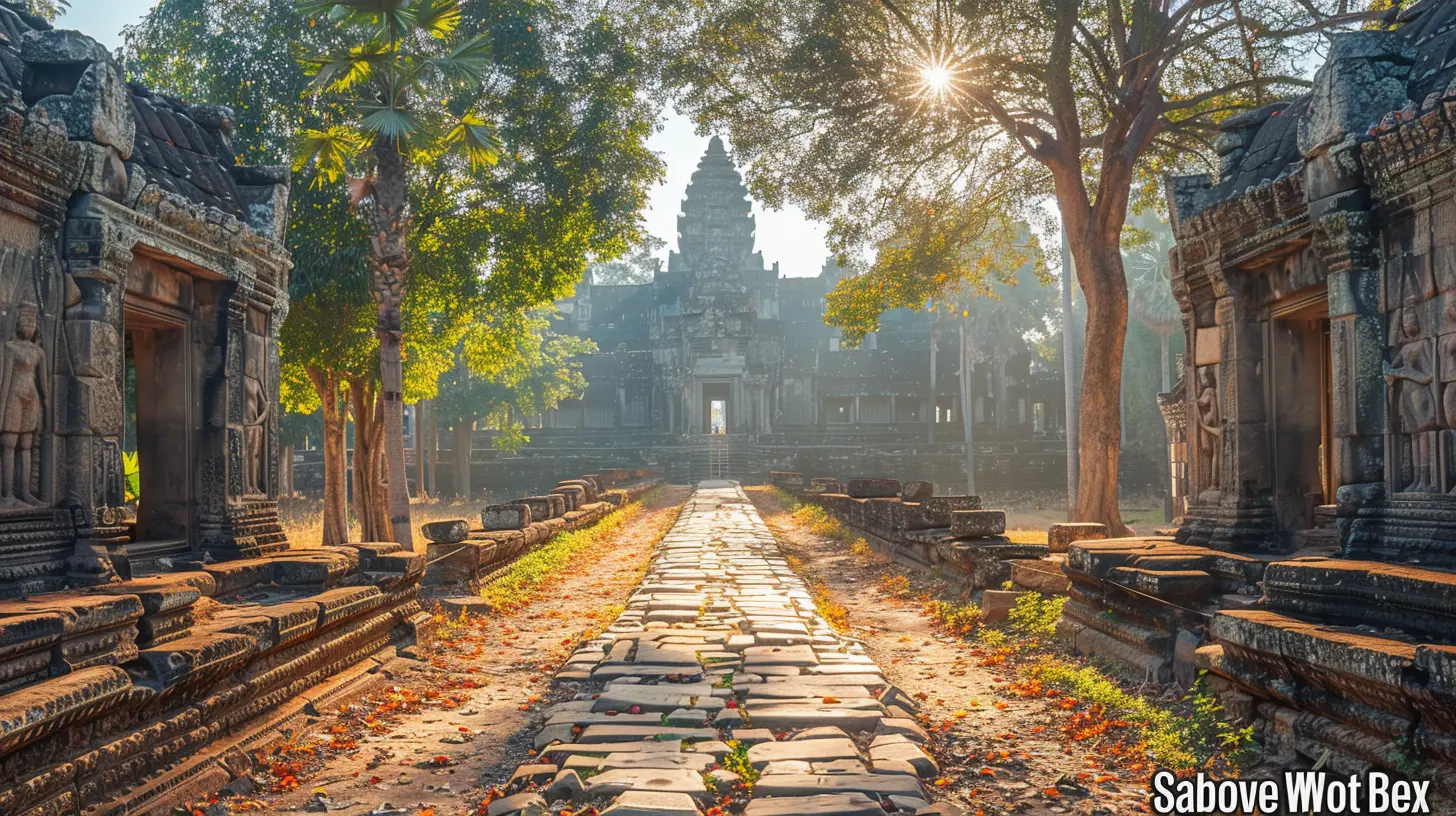
Despite its popularity with tourists today, Angkor Wat has always been a sacred pilgrimage site. Even before the onslaught of visitors clutching their iPhones and DSLRs, it was a place where people came to seek spiritual fulfillment. Angkor Wat isn’t just an ancient building to admire, like the Eiffel Tower or the Pyramids. It’s a place where people connect with something deeper—whether that’s a higher power, nature, or even themselves.For many Buddhists and Hindus, Angkor Wat is still considered a spiritual journey. Walking through its halls is a form of meditation, a moment to pause and reflect on life’s bigger questions. It's a place where the walls breathe spirituality, and every brick is infused with centuries of devotion.
And it’s not just the locals who feel this connection. Many travelers experience a profound sense of peace when they visit. Maybe it's the sheer size of the temple, or the way the sunlight filters through its towers, or the rich history that seems to seep from every corner. Whatever it is, Angkor Wat has a way of bringing out the spiritual seeker in everyone.
The Spirituality of Buddhist Angkor Wat
As we mentioned earlier, Angkor Wat began as a Hindu temple, but it transitioned into a Buddhist site in the 14th century—a change that can still be seen today. Statues of Buddha are now found throughout the complex, sharing space with carvings of Hindu deities.While Angkor Wat was originally dedicated to the god Vishnu, over the centuries, it has become a center for Buddhist worship. You’ll see orange-clad monks wandering through the ruins, meditating, or performing rituals. Sometimes, they’ll bless visitors, offering simple yet powerful prayers for peace, prosperity, and healing.
For Buddhists, Angkor Wat represents more than just a historical site; it’s a living, breathing spiritual entity. People come here to make offerings, praying for everything from health to happiness. It’s an incredible fusion of old and new, Hinduism and Buddhism, history and spirituality—all intertwined in one place.
Angkor Wat at Sunrise: A Spiritual Experience
If there’s one thing you absolutely must do during your visit to Angkor Wat, it's witnessing the sunrise. Imagine standing in the dark, the air heavy with anticipation. Slowly, the sky begins to change color, shifting from black to orange, pink, and purple.Then, just as you think you can’t handle the suspense any longer, the sun peeks above the horizon, casting rays over the temple's spires. The reflection in the temple’s moat turns the scene into something straight out of a dream.
It’s not just beautiful; it’s spiritual. There’s something about the break of dawn—it symbolizes new beginnings, the constant cycle of life. The ancient people of Angkor probably experienced similar feelings of awe when they woke up to the same sight centuries ago. This moment has a way of making you feel connected—not just to history, but to the very essence of existence itself.
Conservation Efforts: Protecting Sacred Ground
As awe-inspiring as Angkor Wat is, it hasn’t been immune to the effects of time. Decades of neglect, war, and nature’s own reclaiming attempts have left parts of the temple in disrepair. Fortunately, several organizations, including UNESCO, have poured time, money, and effort into conserving this wonder of the world.The restoration efforts aim to strike a delicate balance between protecting the historical integrity of Angkor Wat and making it accessible for future generations. Every step taken is with the understanding that while it’s crucial to preserve this site physically, its spiritual essence must also remain unbroken.
Angkor Wat’s Draw for Modern Tourists
Angkor Wat isn’t just for the spiritually inclined. Tourists from every corner of the earth, with all sorts of backgrounds, come to explore its grandeur. Whether you’re a photographer looking for the perfect shot, a history lover wanting to dive into the past, or simply someone looking for an adventure—Angkor Wat has something for everyone.Here's a tip: Consider getting a multi-day pass. One day just isn't enough to soak it all in. You need time to wander aimlessly, lose yourself in its corridors, and let yourself feel the ancient energy that still thrums beneath the surface.
Final Thoughts: A Journey Beyond Time
Angkor Wat isn’t just a tourist destination. It’s a time machine. It’s a spiritual refuge. It’s a cultural icon. It’s a place where history—and the search for meaning—come alive. There's something profoundly special about walking through these sacred ruins, feeling the weight of centuries underfoot.Maybe that’s why so many people leave with more than just photos on their memory cards; they leave with a sense of connection—to the past, to the universe, and most of all, to their own spiritual journey. The grandeur of Angkor Wat lies not just in its size, but in its ability to make you feel small and infinite all at the same time.
So, what are you waiting for? Isn’t it time to start planning your pilgrimage to the sacred ruins of Angkor Wat?
all images in this post were generated using AI tools
Category:
Ancient RuinsAuthor:

Pierre McKinney
Discussion
rate this article
1 comments
Easton Gates
Angkor Wat is a breathtaking blend of history and spirituality. Its intricate carvings and towering spires invite reflection and wonder. Visiting this sacred site offers a unique glimpse into the Khmer Empire's legacy and an opportunity for personal connection with ancient beliefs.
August 10, 2026 at 4:13 AM