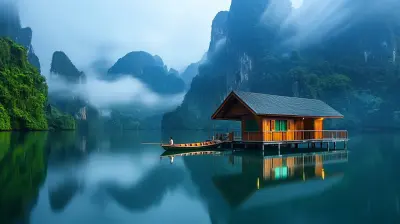
South Korea’s Jeju Island Route: Natural Wonders Await in 2026
18 May 2026
You know that feeling when you step off a plane and the air smells different? Not just cleaner, but somehow greener, saltier, and a little bit like volcanic rock that has been baking in the sun for a million years. That is Jeju Island. It is not just another stop on a South Korea itinerary. It is the place where the country goes to breathe. And in 2026, the island is ready to show off like never before.
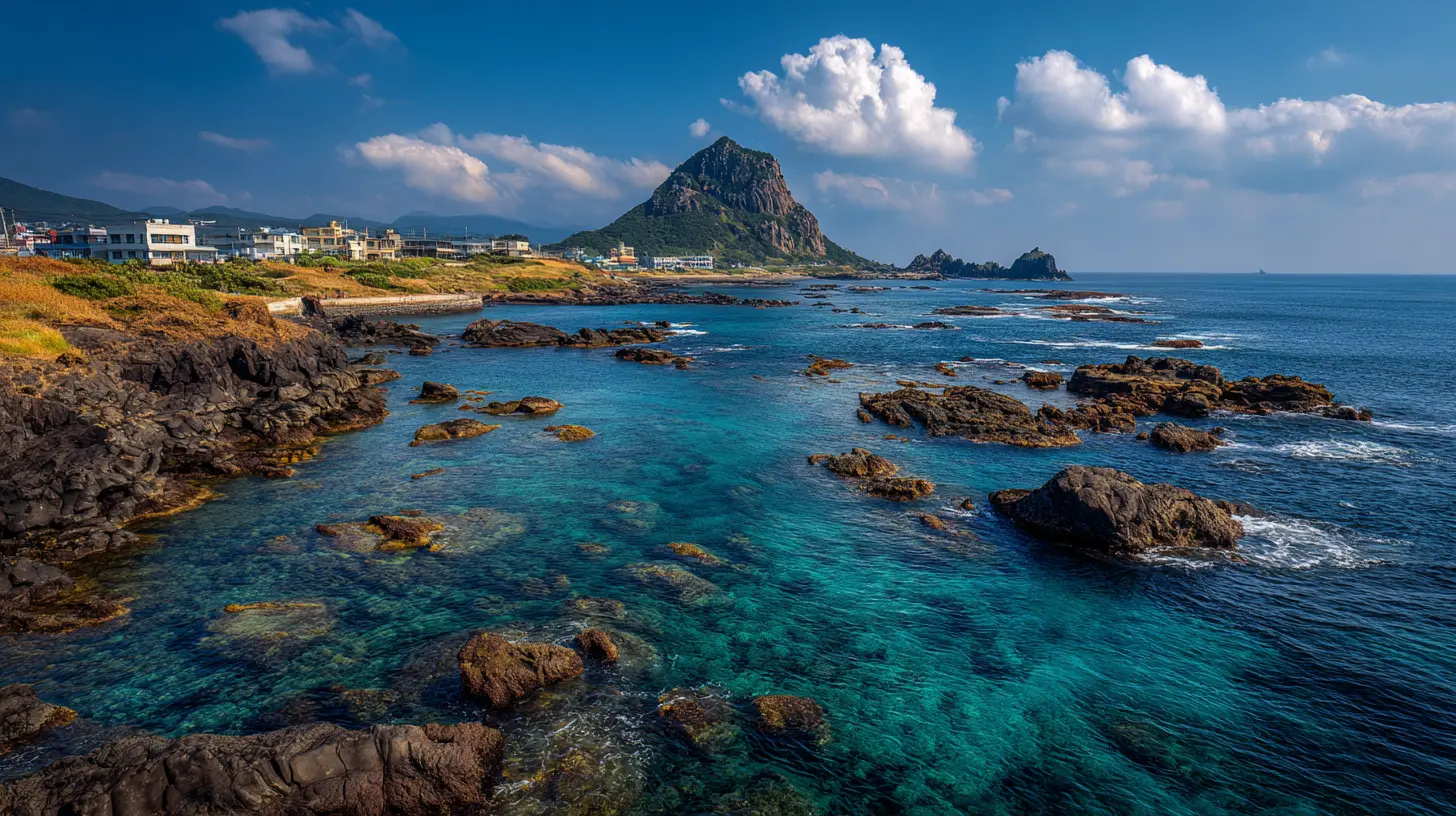
Let me paint you a picture. You are driving along a coastal road with the windows down. On your left, the deep blue of the Pacific stretches out until it melts into the sky. On your right, fields of bright yellow canola flowers sway in the wind, and in the distance, a massive volcanic crater-Hallasan-looms like a sleeping giant. This is not a dream. This is the Jeju Island route, and it is waiting for you.
But here is the thing. Jeju is not a place you can just "see" in a day. You have to feel it. You have to walk its Olle trails, eat its black pork, and stand at the edge of a lava tube that looks like something out of a fantasy novel. So, grab a notebook (or just bookmark this page), and let me walk you through the perfect route for 2026. I promise, by the end, you will be checking flight prices.
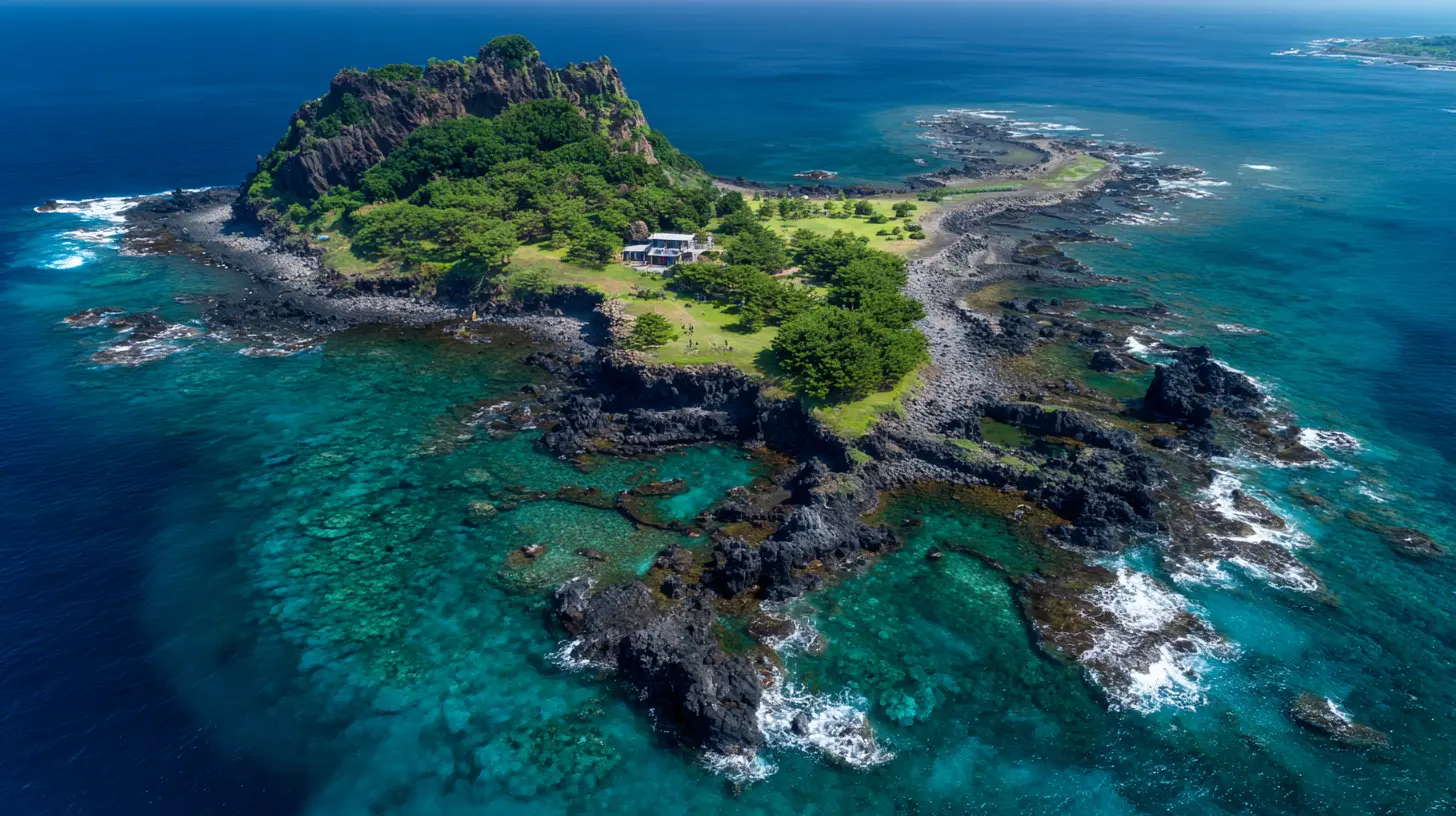
Why 2026 is the Year for Jeju
Look, Jeju has always been beautiful. But 2026 feels different. The island has been quietly upgrading its infrastructure, planting more walking paths, and opening up hidden spots that used to be locals-only secrets. Plus, the crowds from the post-pandemic travel boom have settled down. You will still see tourists, but you will also find pockets of pure silence.Think of it like this: Jeju in 2025 was the blockbuster movie everyone wanted to see. Jeju in 2026 is the director's cut-with extra scenes, better lighting, and fewer people talking in the theater.
The weather is also cooperating. Spring of 2026 is predicted to be mild, with cherry blossoms hanging around longer than usual. And the fall? Let me tell you, autumn in Jeju is like watching a painter go wild with orange and red. You do not want to miss it.
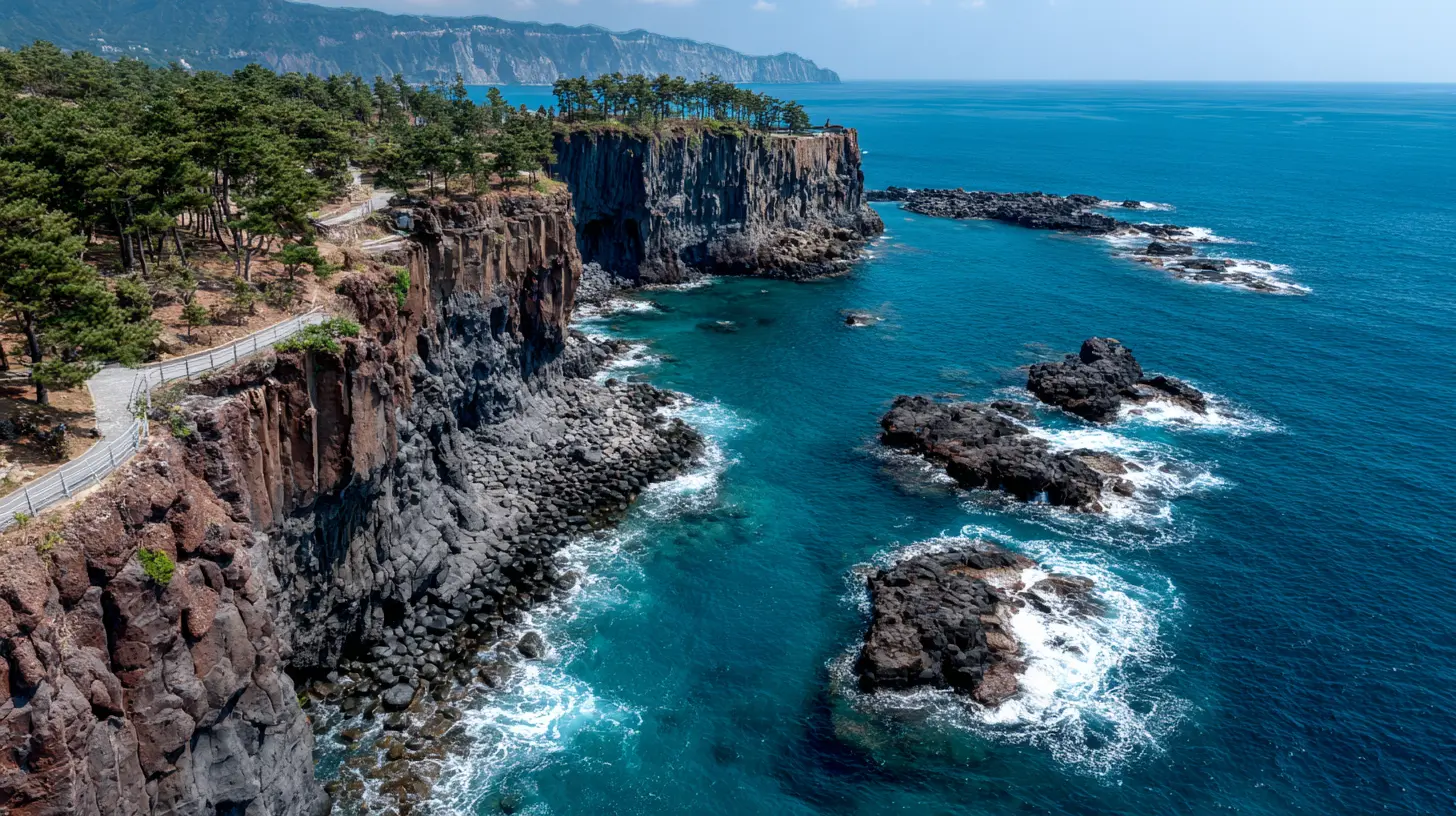
Day 1: Arrival and the Coastal Charm of Jeju City
You land at Jeju International Airport. Do not rush. The airport itself is small and easy to navigate, which is a blessing. Grab your rental car or call a taxi. (Pro tip: Rent a car. Public buses are fine, but nothing beats the freedom of stopping whenever you see a view that makes your jaw drop.)Start in Jeju City. It is the island's capital, but it feels more like a laid-back beach town than a bustling metropolis. Head straight to Yongduam Rock, also known as Dragon Head Rock. It is a volcanic rock formation that really does look like a dragon's head rising from the sea. The legend says a dragon stole the mountain and got struck by lightning. I do not know if that is true, but it makes for a good story while you snap photos.
For lunch, find a spot serving samgyeopsal-grilled pork belly. Jeju's black pork is famous for a reason. It is tender, juicy, and has a flavor that regular pork just cannot touch. Dip it in salt, wrap it in lettuce, and thank me later.
In the afternoon, walk along the Jeju Olle Trail Route 1. This is a coastal path that hugs the shoreline. You will see the sea on one side and stone walls on the other. The walls are made of volcanic basalt, stacked without mortar. They look like they have been there since the beginning of time. Because, well, they almost have.
End your day at the Jeju Folk Village Museum. It is not boring, I promise. It is like stepping into a time machine. You will see traditional thatched houses, stone grandfather statues (called dol hareubang), and learn how people lived here before electricity and Wi-Fi. It is grounding.
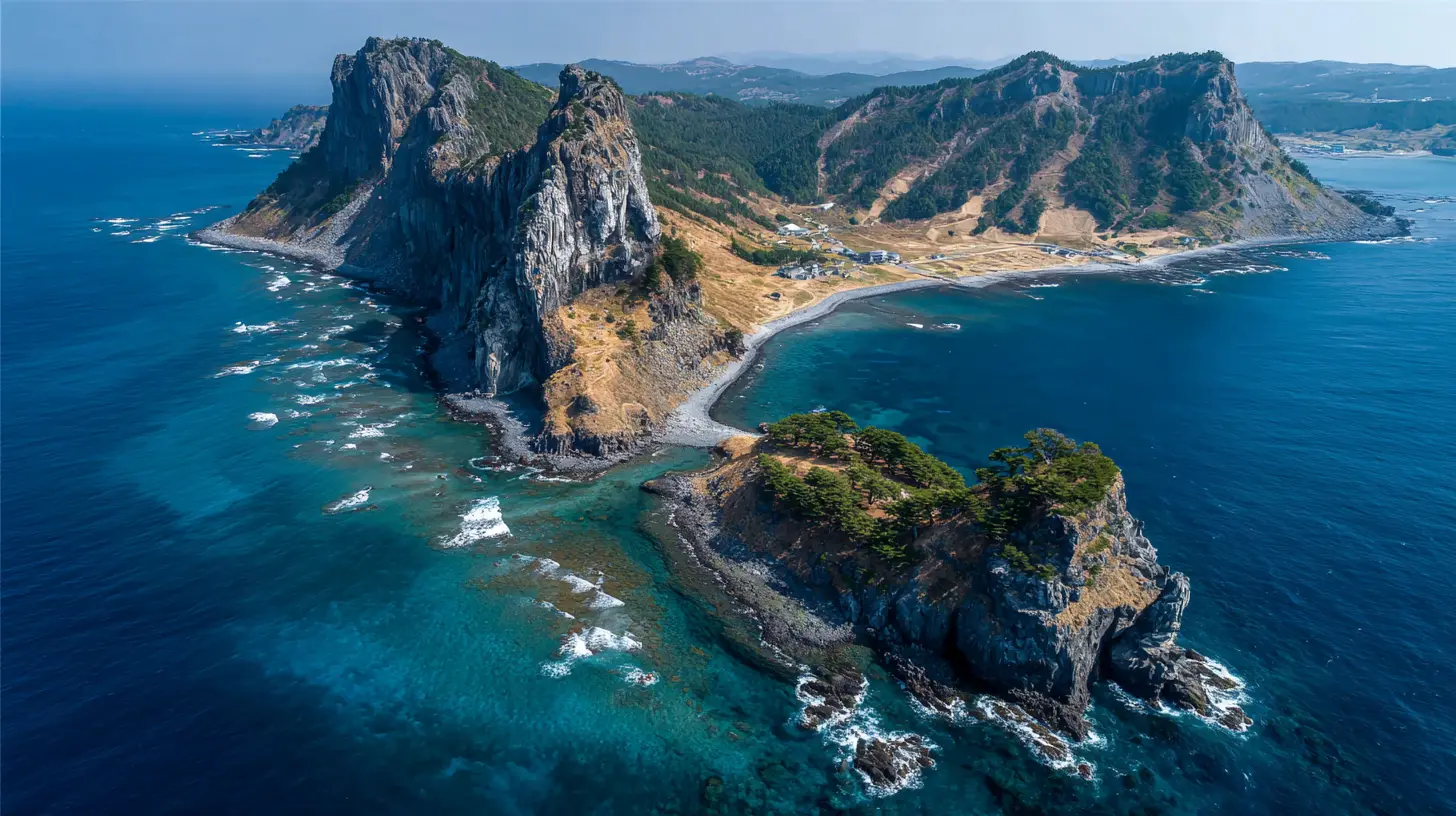
Day 2: Hallasan and the Heart of the Island
Wake up early. Like, before sunrise early. You are going to hike Hallasan, South Korea's highest mountain. Do not panic. You do not have to be an athlete to enjoy this. There are multiple trails. The Seongpanak Trail is the most popular and takes about 9 to 10 hours round trip. The Gwaneumsa Trail is shorter but steeper.I recommend the Seongpanak route. It is a gentle climb through dense forest, past volcanic craters, and eventually up to Baengnokdam, the crater lake at the top. The lake is often covered in mist, which makes it look like a secret world hidden from the gods.
Here is the honest truth: the hike is tough. Your legs will burn. You will question your life choices. But when you reach the top and see that crater lake, surrounded by clouds and silence, you will cry. Not from pain. From beauty.
Bring water, snacks, and a light jacket. The temperature drops fast at the summit, even in summer. And please, wear proper shoes. I saw a girl in sandals once. She did not make it.
After the hike, treat yourself to a bowl of samgyetang (ginseng chicken soup) in Seogwipo City, on the southern side of the island. You will need the energy. Trust me.
Day 3: The Underground World of Manjanggul and the Sunrise at Seongsan
Today is about two things: going deep and going high.Start with Manjanggul Lava Tube. This is one of the longest lava tubes in the world. You walk down into the earth, and the temperature drops instantly. The walls are rough and sharp, formed by molten lava that cooled thousands of years ago. There are lava stalactites hanging from the ceiling, and at one point, you see a massive lava column that looks like a frozen waterfall.
It is dark. It is quiet. It feels ancient. You will understand why Jeju is a UNESCO World Heritage site. This is not just a tourist attraction. It is a window into the planet's fiery past.
After the cave, drive to Seongsan Ilchulbong, also known as Sunrise Peak. It is a volcanic tuff cone that rises out of the sea like a giant crown. The hike to the top takes about 30 minutes. It is steep, but the view is worth every step. From the top, you can see the entire coastline, the emerald green ocean, and the small fishing boats bobbing in the harbor.
If you time it right-sunrise-you will see the sky turn pink and gold. It is the kind of view that makes you forget your phone exists. You just stand there, breathing.
Down at the base, you can try the local specialty: haemul pajeon (seafood pancake) and a glass of makgeolli (rice wine). It is the perfect end to a perfect day.
Day 4: The Waterfalls and the Tea Fields
Jeju is not just about volcanoes and caves. It is also about water. And tea.Start your morning at Cheonjiyeon Waterfall. The name means "sky connected with land." And when you see the water cascading down into a crystal-clear pool surrounded by lush greenery, you will get why. It is not the tallest waterfall you have ever seen, but it is one of the most peaceful.
Next, drive to Jeongbang Waterfall. This one is special because it falls directly into the ocean. Yes, you read that right. Freshwater meets saltwater in a dramatic drop. You can walk right up to it and feel the mist on your face. It is refreshing, almost like a natural spa treatment.
For lunch, head to the O'Sulloc Tea Museum. This is not a boring museum. It is a beautiful tea plantation with rolling green fields that look like they belong in a movie. You can walk through the tea bushes, smell the fresh leaves, and then sit down for a cup of green tea ice cream or a slice of green tea cake. It is the most Instagrammable spot on the island, but it is also genuinely relaxing.
Spend the afternoon just wandering the fields. There is a walking path that takes you through the plantation and up to a viewpoint. The air smells like grass and earth. It is simple. It is perfect.
Day 5: The Southern Coast and the Loveland (Yes, Really)
The southern coast of Jeju is quieter than the north. It is where the locals go to escape the tourists.Drive along the coastal road to the town of Jungmun. Here, you will find the Jungmun Saekdal Beach. The sand is dark from volcanic minerals, and the waves are strong. It is a great place to sit and watch the surfers.
Nearby is the Yeomiji Botanical Garden. This is not your average garden. It has indoor glasshouses with tropical plants, cactus gardens, and a path that takes you through a tunnel of trees. It feels like walking through a dream.
Now, let me address the elephant in the room. Or rather, the giant phallus statues. Yes, Jeju has a Love Land. It is a sculpture park dedicated to... well, love. It is cheeky, fun, and surprisingly artistic. Do not skip it just because it feels awkward. It is a part of Jeju's culture. Plus, the gardens are beautiful.
For dinner, find a restaurant serving gogi-guksu (pork noodle soup). It is comfort food at its finest. The broth is rich, the noodles are chewy, and the pork melts in your mouth.
Day 6: The Eastern Coast and the Haenyeo Divers
You cannot leave Jeju without meeting the haenyeo. These are the female divers who harvest seafood from the ocean without any breathing equipment. They are in their 60s, 70s, and even 80s. They hold their breath for minutes at a time, diving deep into the cold water to collect abalone, sea urchins, and octopus.Visit the Haenyeo Museum in Hado-ri. It tells their story. It is a story of strength, resilience, and a deep connection to the sea. If you are lucky, you might see them diving in the morning near Udo Island.
Take a ferry to Udo Island. It is a small island off the eastern coast of Jeju. Rent a bicycle or an electric scooter and ride around the entire island. It takes about two hours. You will see white sand beaches, black volcanic cliffs, and fields of peanuts. Yes, peanuts. They grow them here, and they make peanut ice cream that is out of this world.
Spend the night on Udo if you can. The stars are incredible. No light pollution. Just you, the ocean, and the Milky Way.
Day 7: Last Day and the Farewell
On your last day, keep it simple. Go back to a spot you loved. Maybe the tea fields. Maybe the coastal trail. Maybe just sit on a bench and watch the waves.Buy some souvenirs. Jeju tangerines are famous. They are sweet and tiny. Also pick up some dol hareubang figurines. They are the stone grandfather statues that guard the island.
Before you leave, have one last meal of black pork. It is a must.
The Route Summary (If You Are Planning)
- Day 1: Jeju City, Yongduam Rock, Olle Trail, Folk Village- Day 2: Hallasan hike, Seogwipo City
- Day 3: Manjanggul Cave, Seongsan Ilchulbong
- Day 4: Cheonjiyeon Waterfall, Jeongbang Waterfall, O'Sulloc Tea Museum
- Day 5: Jungmun, Yeomiji Garden, Love Land
- Day 6: Haenyeo Museum, Udo Island
- Day 7: Relax and repeat
A Final Thought
Jeju Island is not a place you visit. It is a place you absorb. It gets into your bones. The volcanic rocks, the endless blue, the smell of tangerines in the air-it all stays with you long after you leave.In 2026, the island is waiting. It is quieter, greener, and more open than ever. So book that flight. Rent that car. And drive.
Because the route is not just a path. It is a story. And it is yours to write.
all images in this post were generated using AI tools
Category:
Iconic RoutesAuthor:

Pierre McKinney
Discussion
rate this article
1 comments
Carly Webster
Jeju Island in 2026? Count me in! This paradise has it all-stunning landscapes, breathtaking beaches, and unique experiences. If you're not planning a trip, you're seriously missing out on nature's best-kept secret. Pack your bags now!
June 10, 2026 at 3:42 PM
Pierre McKinney
Absolutely! Jeju Island is a must-see. Can't wait for everyone to experience its beauty in 2026! Pack those bags!