Stargazing in the Desert: The Ultimate Dark Sky Experience
18 January 2026
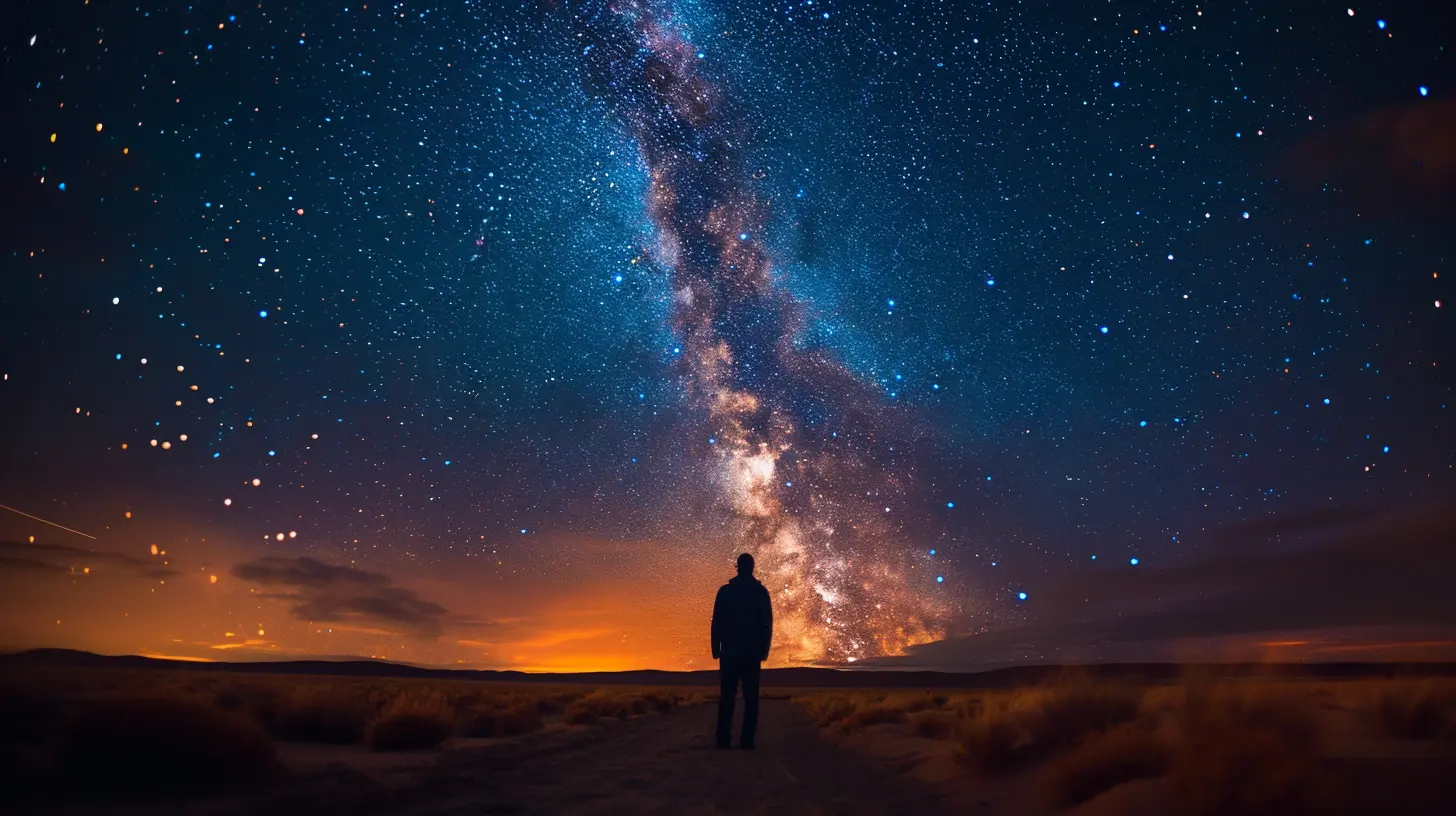
Have you ever gazed up at the night sky and felt completely in awe? Well, imagine that, but without city lights dulling the stars. Stargazing in the desert offers an unparalleled celestial experience—one where the Milky Way shines brightly, shooting stars race across the heavens, and the silence of the desert makes it all feel like a dream.
If you've never experienced a true dark sky, you're in for a treat. Let's dive into why deserts are the perfect spots for stargazing and where you can find the best locations to watch the universe put on its nightly show.
Why Deserts Are Perfect for Stargazing
1. Minimal Light Pollution
Cities are notorious for their bright lights, which drown out the stars. Deserts, on the other hand, are remote and untouched by urban glow, making them some of the best places in the world for a crystal-clear view of the cosmos.2. High Elevation & Dry Air
Ever wondered why observatories are built on mountaintops? Higher elevation means less atmosphere to blur the stars. Deserts, often at higher altitudes, have dry air with little moisture—so no annoying clouds blocking your view.3. Expansive, Open Horizons
Unlike forests or cities, where buildings and trees obstruct the view, deserts offer vast, open landscapes. This means you can see the sky in all its glory from horizon to horizon, perfect for spotting constellations and planetary alignments.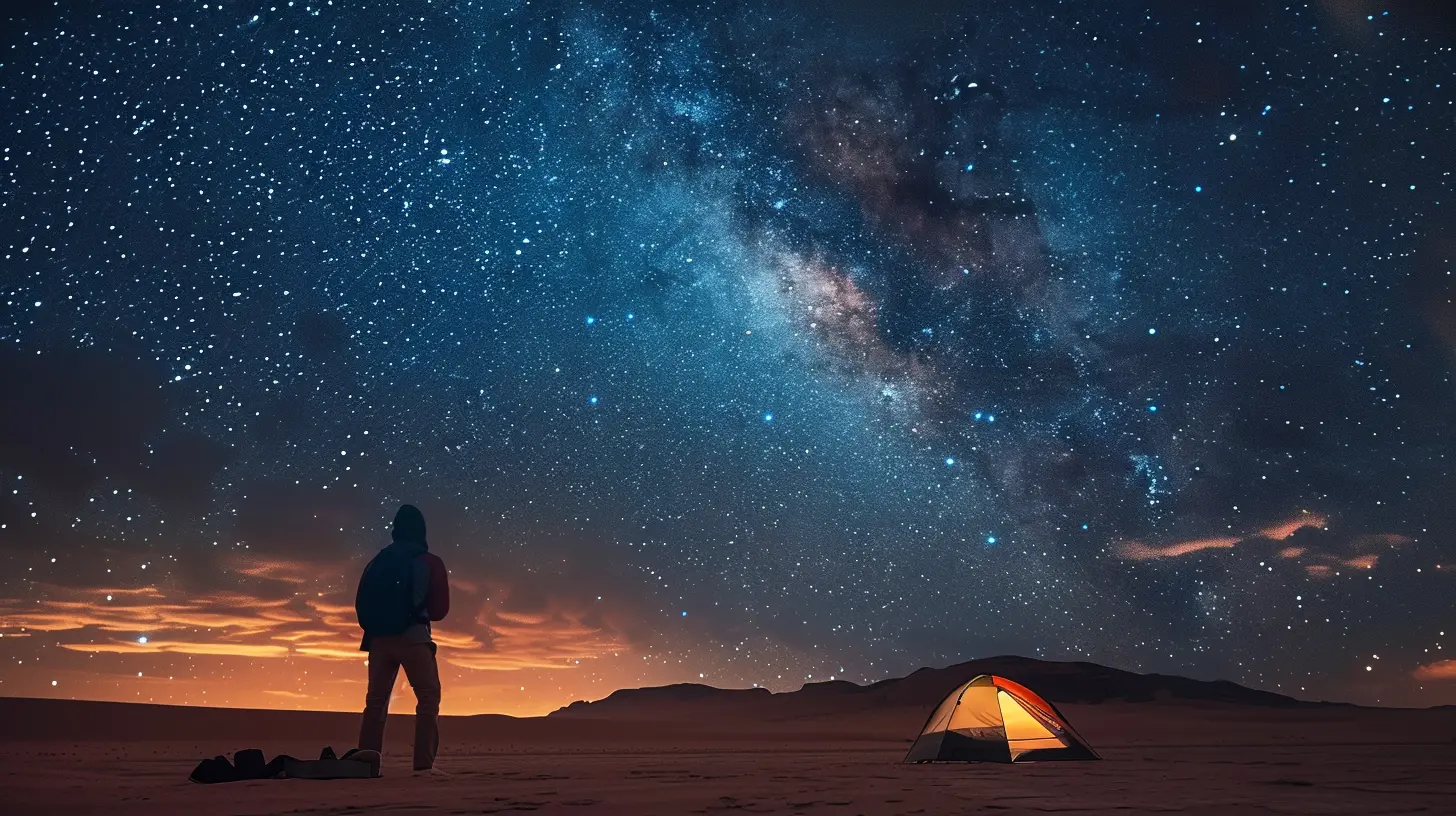
Best Deserts for Stargazing
Not all deserts are created equal when it comes to stargazing. Some are officially recognized as Dark Sky Parks or Reserves, making them ideal for a star-filled adventure.1. Atacama Desert, Chile
If Mars had a twin on Earth, it would be the Atacama Desert. This place is one of the driest regions on the planet, meaning almost zero cloud cover year-round. It's home to some of the world’s most powerful telescopes, including the ALMA Observatory.Best Time to Visit: March to December for ideal weather and minimal tourists.
2. Joshua Tree National Park, USA
A designated International Dark Sky Park, Joshua Tree offers breathtaking views of the Milky Way. The park’s unique rock formations make for an otherworldly backdrop under the stars.Best Time to Visit: Fall through spring to avoid the extreme summer heat.
3. The Sahara Desert, Africa
Vast, remote, and almost entirely free of artificial light, the Sahara is a stargazer's paradise. Plus, the warm desert nights make lying under the stars an unforgettable experience.Best Time to Visit: October to April for cooler nights and clear skies.
4. Wadi Rum, Jordan
Nicknamed the "Valley of the Moon," Wadi Rum’s dramatic sandstone cliffs and its official Dark Sky designation make it a top destination for astronomical tourism.Best Time to Visit: Spring and autumn when temperatures are comfortable.
5. Namib Desert, Namibia
With some of the darkest skies in the world, Namibia’s Namib Desert is a bucket-list destination for stargazers. The NamibRand Nature Reserve is an official Dark Sky Reserve, meaning strict measures are in place to keep night pollution at an absolute minimum.Best Time to Visit: May to September for dry conditions and stunning night skies. 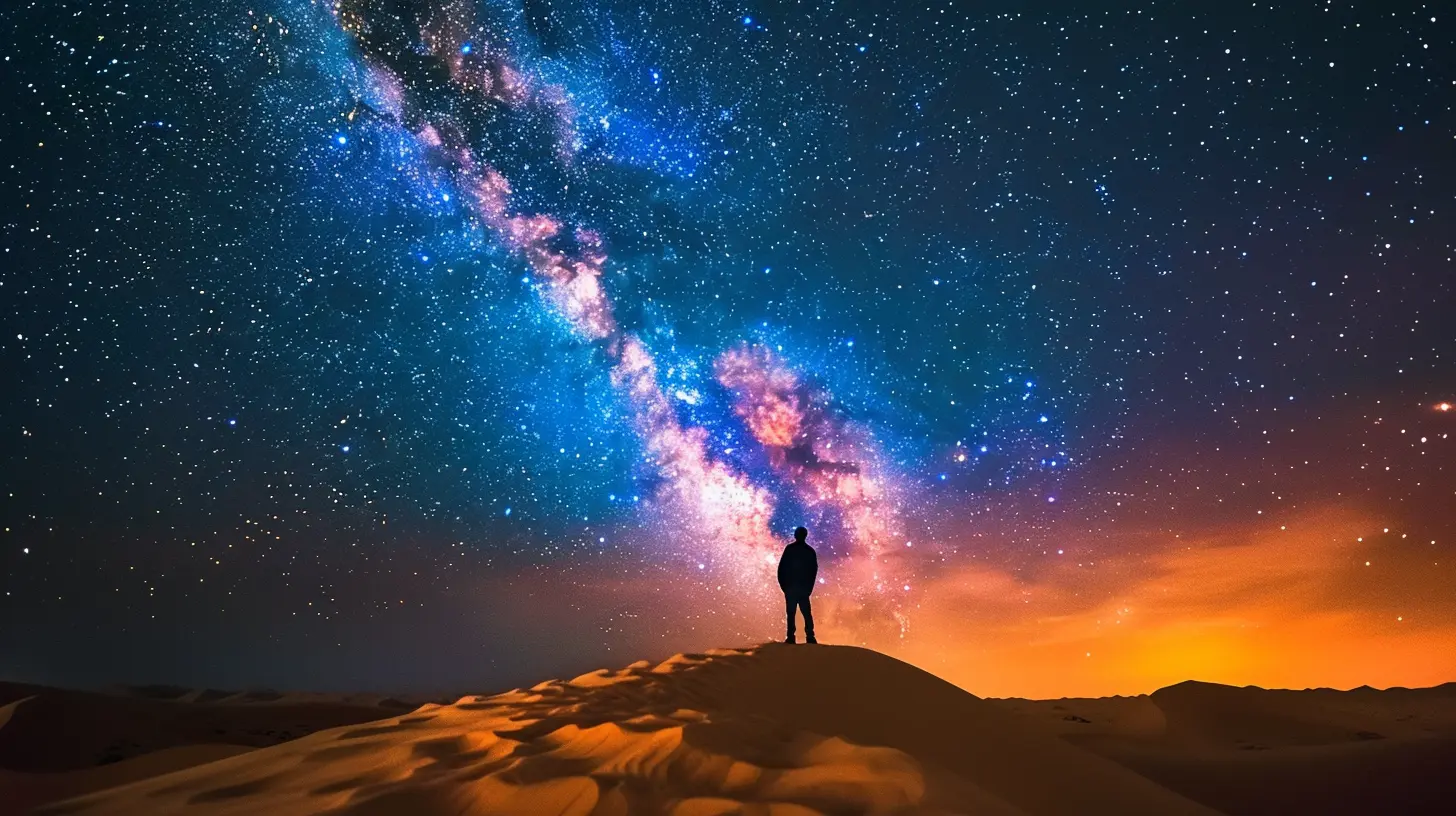
What You Need for the Ultimate Stargazing Experience
You don’t need fancy equipment to enjoy a perfect night under the stars, but a few essentials can enhance the experience.1. A Star Map or Astronomy App
Unless you're an expert in constellations, a digital app or a printed star map will help you identify major stars, planets, and celestial events like meteor showers.2. Binoculars or a Telescope
Naked-eye stargazing is incredible in a dark sky, but binoculars can enhance your view of clusters and nebulae. If you're serious, investing in a telescope can reveal Saturn’s rings or Jupiter’s moons.3. Comfortable Seating & Blankets
Desert nights can get surprisingly chilly. A reclining chair, sleeping bag, and warm clothing will keep you cozy while you soak in the magic above.4. Red Flashlight
Your eyes take about 20 minutes to adjust to darkness. A red flashlight helps you see without messing up your night vision.5. Snacks & Hot Beverages
What’s a magical night under the stars without some hot cocoa or a thermos of coffee? Pack some snacks and make it a full experience.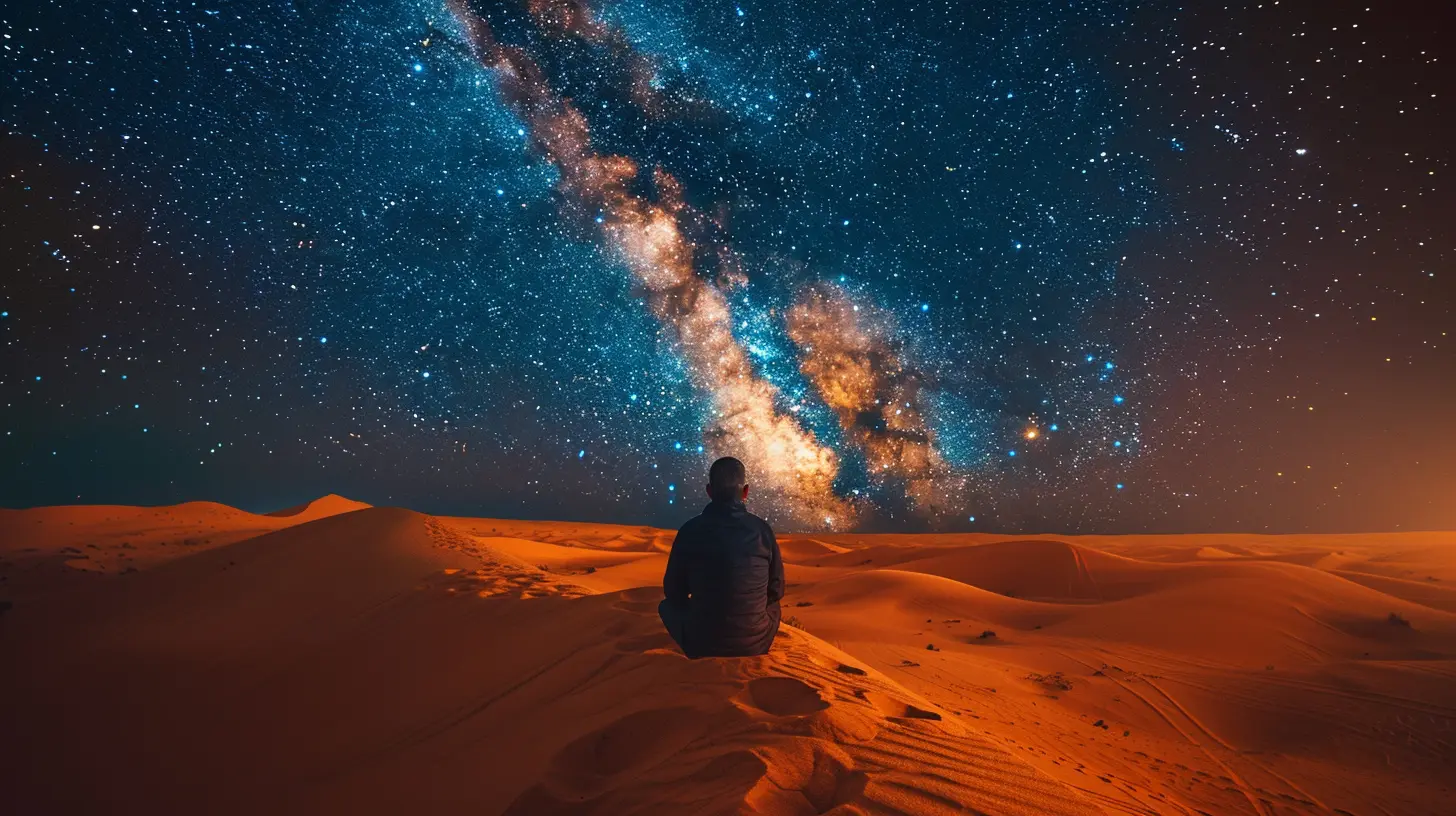
Stargazing Events You Shouldn’t Miss
Some nights are more special than others in the astronomical world. Mark your calendar for these spectacular cosmic events!Meteor Showers
- Perseids (August) – One of the brightest meteor showers, with up to 100 meteors per hour.- Geminids (December) – Produces multicolored meteors and is one of the most reliable annual showers.
Planetary Alignments
Sometimes planets like Mars, Jupiter, and Saturn line up, making for a striking sight. Check an astronomy calendar for upcoming events.Lunar Eclipses
A blood moon over a dark desert landscape? Now that’s something truly unforgettable.Comet Sightings
While rare, comets like NEOWISE in 2020 can be seen with the naked eye. The desert is the perfect place to catch one streaking across the sky.Tips for Capturing the Best Stargazing Photos
Want to take breathtaking photos of the stars? Here’s how to get those Instagram-worthy shots.1. Use a DSLR or Mirrorless Camera
Smartphone cameras can capture some stars, but for a truly stunning shot, a camera with manual settings is your best bet.2. Adjust Your Settings
Start with:- ISO: 1600-3200
- Shutter Speed: 10-30 seconds
- Aperture: f/2.8 or lower (to let in more light)
3. Use a Tripod
A long exposure shot without a tripod? Say hello to blurry stars. Keep your camera steady for crisp, clear images.4. Find Foreground Interest
A silhouette of a Joshua tree, a sand dune, or rock formations can add depth and perspective to your starry photo.The Unforgettable Feeling of Stargazing in the Desert
There’s something humbling about looking up at the stars in a dark, quiet desert. It makes you feel small—in the best way possible. Out there, under that vast expanse of twinkling lights, it's just you and the universe.The worries of daily life fade away. The silence is profound, the air is crisp, and the sky is alive. Whether you're chasing a meteor shower, watching a lunar eclipse, or just lying back and losing yourself in the infinity above, stargazing in the desert is an experience you’ll never forget.
So grab your gear, find a remote desert spot, and prepare to be mesmerized. After all, the night sky has been telling stories for billions of years—are you ready to listen?
all images in this post were generated using AI tools
Category:
Desert AdventuresAuthor:

Pierre McKinney
Discussion
rate this article
2 comments
Diana McGonagle
What a beautiful reminder of nature's wonders! Stargazing in the desert offers a unique chance to connect with the universe and find peace. Thank you for sharing this enchanting experience!
February 18, 2026 at 5:11 AM
Pierre McKinney
Thank you for your kind words! I'm glad you resonate with the beauty and tranquility of desert stargazing. It truly is a magical experience!
Rivera Sawyer
Stargazing in the desert is a transcendental experience, where the vastness of the cosmos meets the serene silence of the dunes. Embrace this tranquil escape, and let the stars illuminate your wanderlust.
January 20, 2026 at 4:43 AM
Pierre McKinney
Thank you! I'm glad you resonate with the magic of desert stargazing. It truly is a transformative experience!