Staying Connected While Abroad: Wi-Fi, SIM Cards, and More
23 May 2026
Traveling to a new country is exciting—new adventures, breathtaking sights, and unforgettable experiences. But let’s be honest, staying connected while abroad is just as important as packing your passport. Whether you're checking maps, staying in touch with loved ones, or posting envy-inducing travel photos, having reliable internet access is a must.
So, how do you ensure you remain connected without breaking the bank? Let’s dive into the best ways to stay online while traveling! 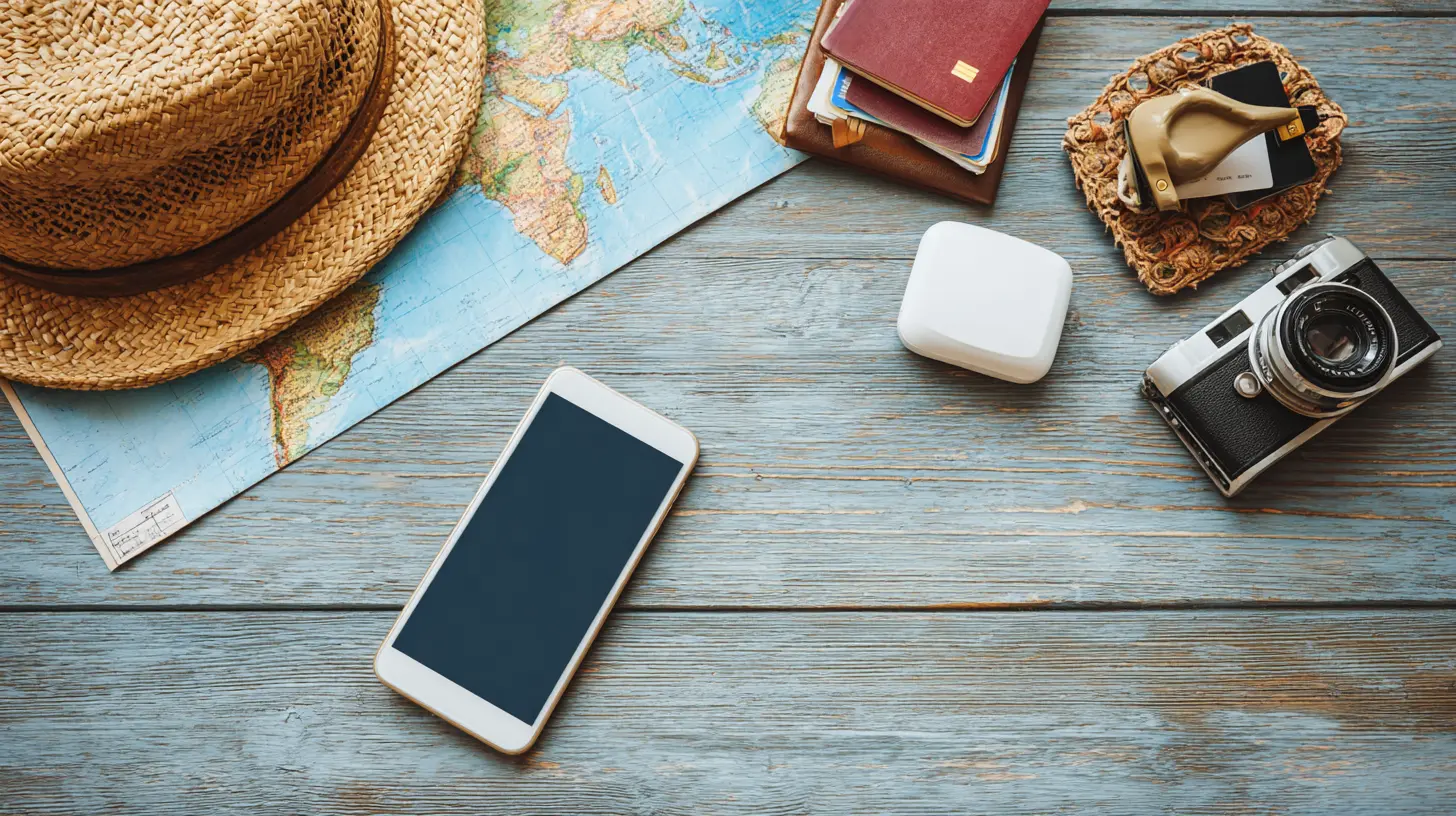
Why Staying Connected Matters
Imagine landing in a foreign country, excited to explore, but suddenly realizing you can’t access Google Maps. Or worse, you need to book a last-minute hotel and your phone refuses to load. Nightmare, right?Staying connected isn’t just about convenience—it’s about safety, communication, and making your trip smoother. No one wants to wander aimlessly in a strange city or struggle to contact a taxi at midnight. 
Wi-Fi: The Free and Convenient Option
Public Wi-Fi – A Traveler’s Lifeline
Free Wi-Fi is everywhere these days—airports, hotels, cafés, and even public transport. But while it’s a lifesaver, relying solely on it has its downsides.Pros of Public Wi-Fi:
- It’s free! Who doesn’t love free internet?- Available in most tourist hotspots.
- No need to swap SIM cards or pay for extra data.
Cons of Public Wi-Fi:
- It’s not always reliable. Slow and spotty connections can be frustrating.- Security risks. Public networks can be vulnerable to hackers.
- May require logins, time limits, or even purchases.
? Pro Tip: Always use a VPN when connecting to public Wi-Fi to protect your personal data. 
Local SIM Cards: Affordable and Reliable
For travelers staying in one country for a while, getting a local SIM card is one of the best ways to stay connected. It’s cheap, reliable, and offers fast internet without the hassle of Wi-Fi hunting.How to Get a Local SIM Card
1. Buy at the Airport – Most international airports have kiosks selling SIM cards.2. Local Stores or Supermarkets – Often cheaper than airport vendors.
3. Mobile Network Shops – Best for getting assistance with activation.
Pros of Local SIM Cards:
- Affordable local rates for data and calls.- Faster and more stable than public Wi-Fi.
- No need to worry about roaming charges.
Cons of Local SIM Cards:
- Requires an unlocked phone.- SIM registration might require a passport.
- If traveling to multiple countries, switching SIMs can be a hassle.
? Pro Tip: Check online forums or ask locals for the best mobile provider to ensure you get the best coverage and data package. 
International Roaming: A Pricey but Effortless Option
Most mobile carriers offer international roaming, allowing you to use your existing number abroad. While it's effortless (just turn your phone on and go), it’s also the most expensive option in many cases.Pros of International Roaming:
- No SIM swapping or extra setup needed.- You keep your regular number for calls and texts.
- Works in multiple countries without hassle.
Cons of International Roaming:
- Often ridiculously expensive. A quick Google search or a video call can cost a fortune.- Limited data plans.
? Pro Tip: Check if your carrier offers travel-specific roaming packages. Some providers offer affordable day passes for international data use.
Pocket Wi-Fi: Portable Internet Anywhere
If you're traveling with friends or need a constant connection without changing SIM cards, pocket Wi-Fi is a fantastic solution. These small devices work as personal hotspots, providing internet access wherever you go.Pros of Pocket Wi-Fi:
- Connects multiple devices at once.- No need to change SIM cards.
- Reliable and fast internet in most locations.
Cons of Pocket Wi-Fi:
- You need to carry (and charge) an extra device.- Rental costs can add up over long trips.
- Possible deposit fees or damage charges.
? Pro Tip: Many companies allow pre-booking online for airport pickup, making the process smoother.
eSIMs: The Future of Travel Connectivity
If you hate swapping SIM cards but don’t want to pay outrageous roaming fees, eSIMs are the future. An eSIM is a digital SIM card built into your phone, allowing you to activate a mobile plan without physically inserting a SIM.How eSIMs Work
1. Buy an eSIM plan from a provider (like Airalo, Holafly, or your carrier).2. Scan the QR code to activate the plan.
3. Start using mobile data immediately!
Pros of eSIMs:
- No physical SIM card required.- Easy to switch between multiple eSIM plans.
- Works in multiple countries (depending on the provider).
Cons of eSIMs:
- Not all phones support eSIM.- Some carriers don’t offer eSIM plans yet.
- Can be pricey compared to local SIMs.
? Pro Tip: Check if your device supports eSIM before relying on it for travel.
Offline Alternatives: Preparing for No Wi-Fi Moments
Even with the best internet plans, there will be times when you can’t connect. Here’s how to prepare:Offline Survival Essentials
- Download offline maps (Google Maps allows you to save entire cities).- Save important documents (boarding passes, hotel details, contact numbers).
- Offline translation apps for language barriers.
- Music, movies, and books for entertainment during flights.
? Pro Tip: A little preparation goes a long way. Save key information beforehand and avoid the stress of no Wi-Fi moments.
Best Option Based on Your Travel Style
| Traveler Type | Best Connectivity Option ||----------------------|---------------------------|
| Short-term traveler (1-2 weeks) | Pocket Wi-Fi or international roaming plan |
| Backpacker hopping between countries | eSIM or travel SIM card |
| Long-term traveler in one country | Local SIM card |
| Business traveler with frequent trips | International roaming or eSIM |
Final Thoughts
Staying connected while traveling doesn’t have to be tricky. Whether you’re a budget traveler relying on free Wi-Fi or someone who needs 24/7 high-speed internet, there’s a solution that fits your travel style.The key is to plan ahead, choose the option that works best for you, and enjoy your trip without worrying about being offline. Because let’s face it—travel is about creating memories, and those are best shared in real-time!
all images in this post were generated using AI tools
Category:
Travel TipsAuthor:

Pierre McKinney
Discussion
rate this article
1 comments
Brandon Whitaker
Traveling can be an adventure, and staying connected makes it even better! Whether you choose a SIM card or seek out Wi-Fi, you'll have all the tools to share those amazing moments. Happy travels and enjoy every connection along the way!
June 14, 2026 at 3:03 AM