Stepping into the Past at Turkey’s Ancient City of Troy
11 December 2025
Ever dreamt of standing exactly where legends came to life? If ancient history fascinates you or you're simply a curious traveler with a soft spot for epic tales, then stepping into the past at Turkey’s ancient city of Troy should be on your bucket list. Yes, the same Troy from Homer’s Iliad — the one with the wooden horse, fierce warriors, and gods meddling in human affairs.
But Troy isn’t just a myth or a fleeting mention in dusty history books. It’s real, and it's waiting for you to wander its pathways and listen to the whispers of a civilization that once stood tall and proud.
In this blog, we'll dive into why a visit to Troy is more than just a historic detour — it's like walking onto the stage of one of humanity's greatest dramas.
Where is Troy, and Why Should You Care?
First things first. Troy is nestled in northwestern Turkey, near the coast of the Dardanelles Strait in the province of Çanakkale. It might not be the easiest place to pronounce, but it’s absolutely a must-visit.Why care about Troy? Because you're looking at a city that's over 4,000 years old. We're talking layers upon layers of different civilizations building over each other — nine layers to be exact! Troy wasn't just one city; it was a whole chain of cities, each rising from the ruins of the last.
Sounds dramatic, right? That’s because it is. Imagine every footstep you take there — it echoes through thousands of years.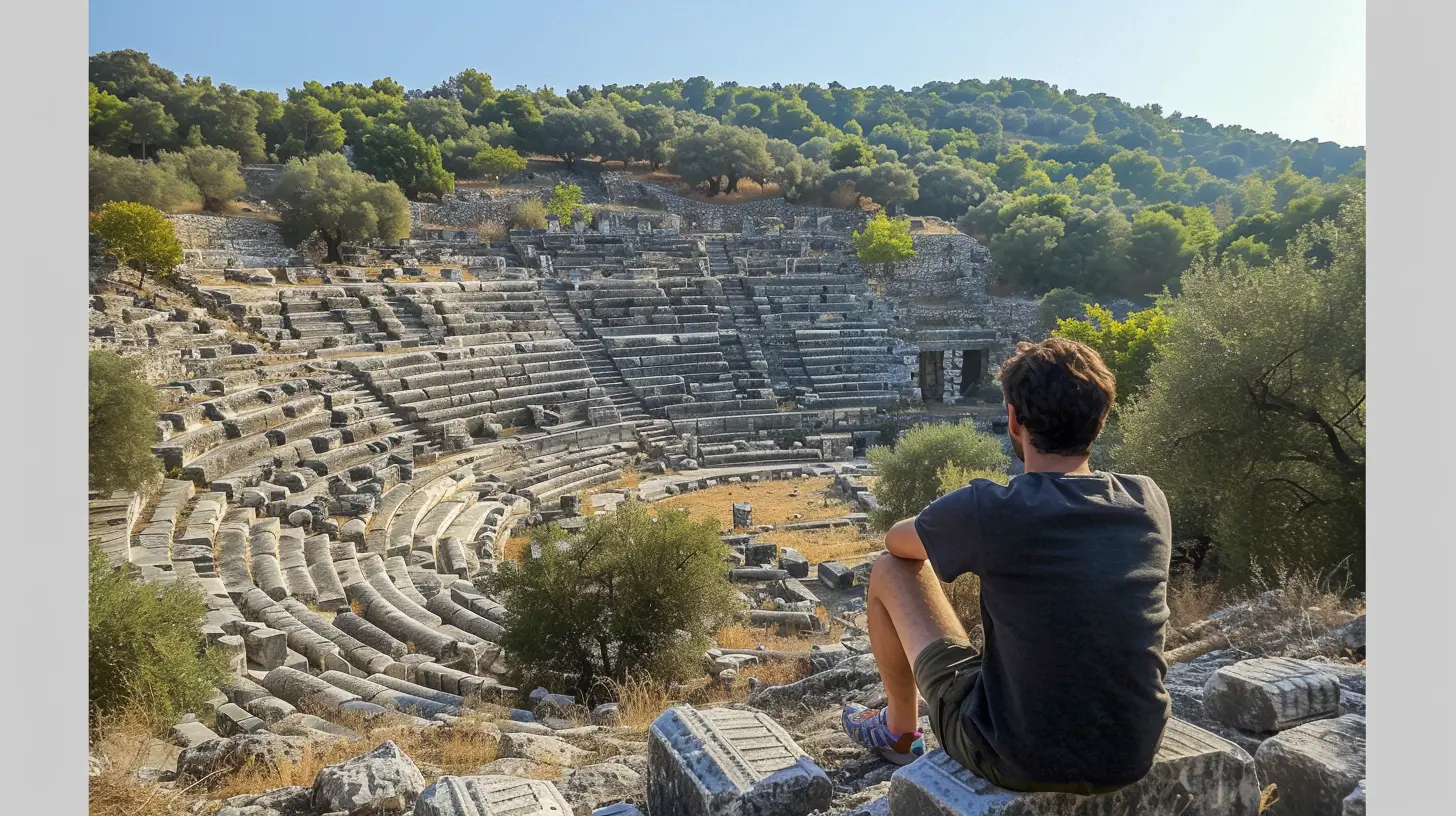
The Legend Behind the Walls
You can’t talk about Troy without bringing up the Iliad. Whether you read it in high school or caught the Brad Pitt version in the film Troy, you probably know the basics: Helen, Paris, Achilles, Priam, Hector, Agamemnon… plus that sneaky wooden horse.But here’s the kicker — for years, people thought the story of Troy was just a tall tale. Until a stubborn, treasure-hunting German named Heinrich Schliemann came along in the 1870s and went, "Hey, what if there's truth behind the myth?"
And boom. He started digging. And he found it.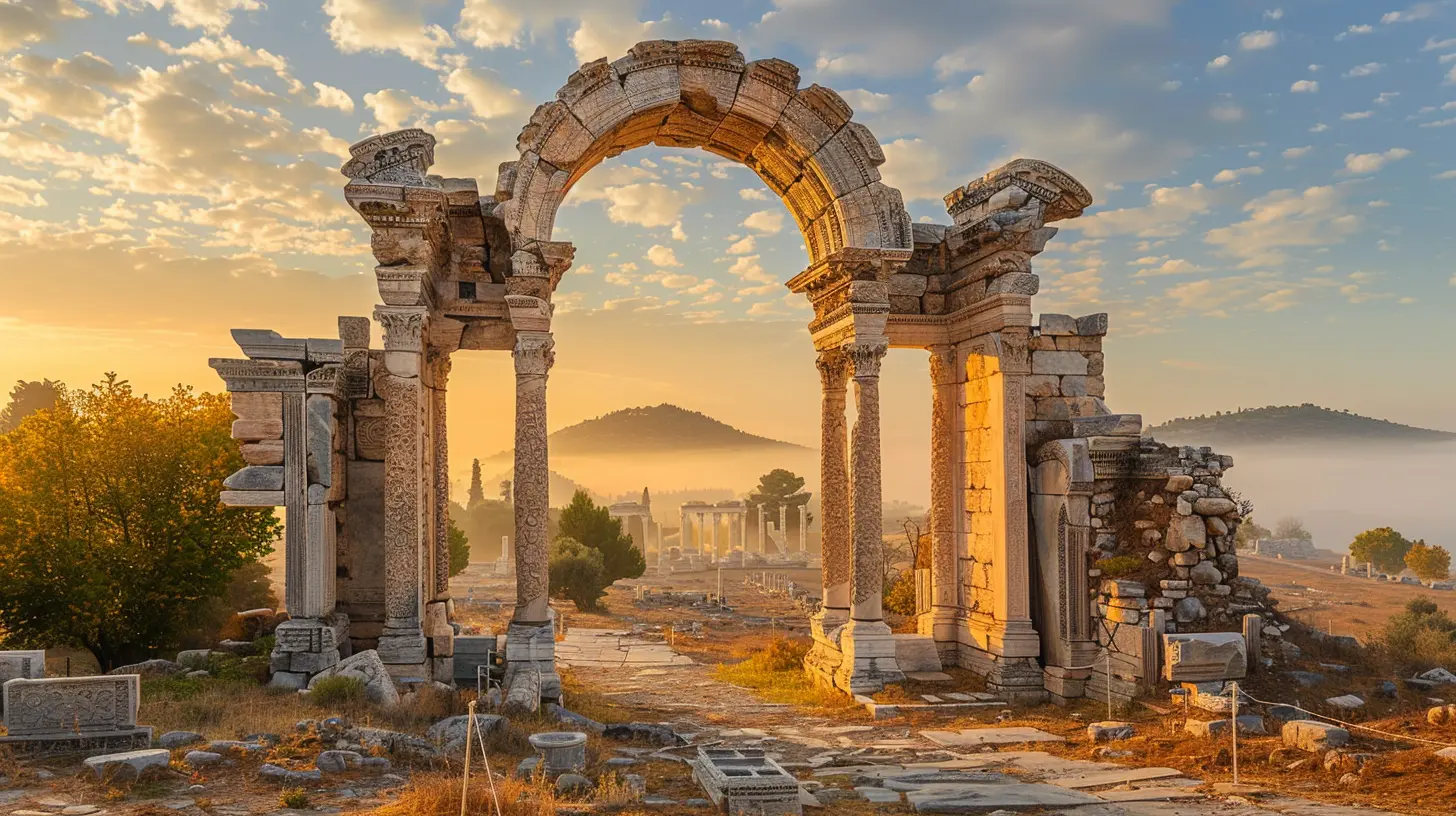
Archaeology Meets Mythology
Walking through the ruins today is like peeling back the pages of a history book with your own hands. You'll come across huge city walls, towers, gates, and stone foundations that once held up homes, palaces, and temples.These ruins tell their own story. They're not polished or perfectly preserved — but that’s exactly the charm. It’s raw, real, and untouched in all the right ways.
And then there are the layers. You’ll see Troy I through Troy IX — each layer representing a different time in history, from 3000 BCE all the way to the Roman era. Each time the city was destroyed, a new one rose from its ashes.
It’s like a historical lasagna — thick, rich, and packed with flavor.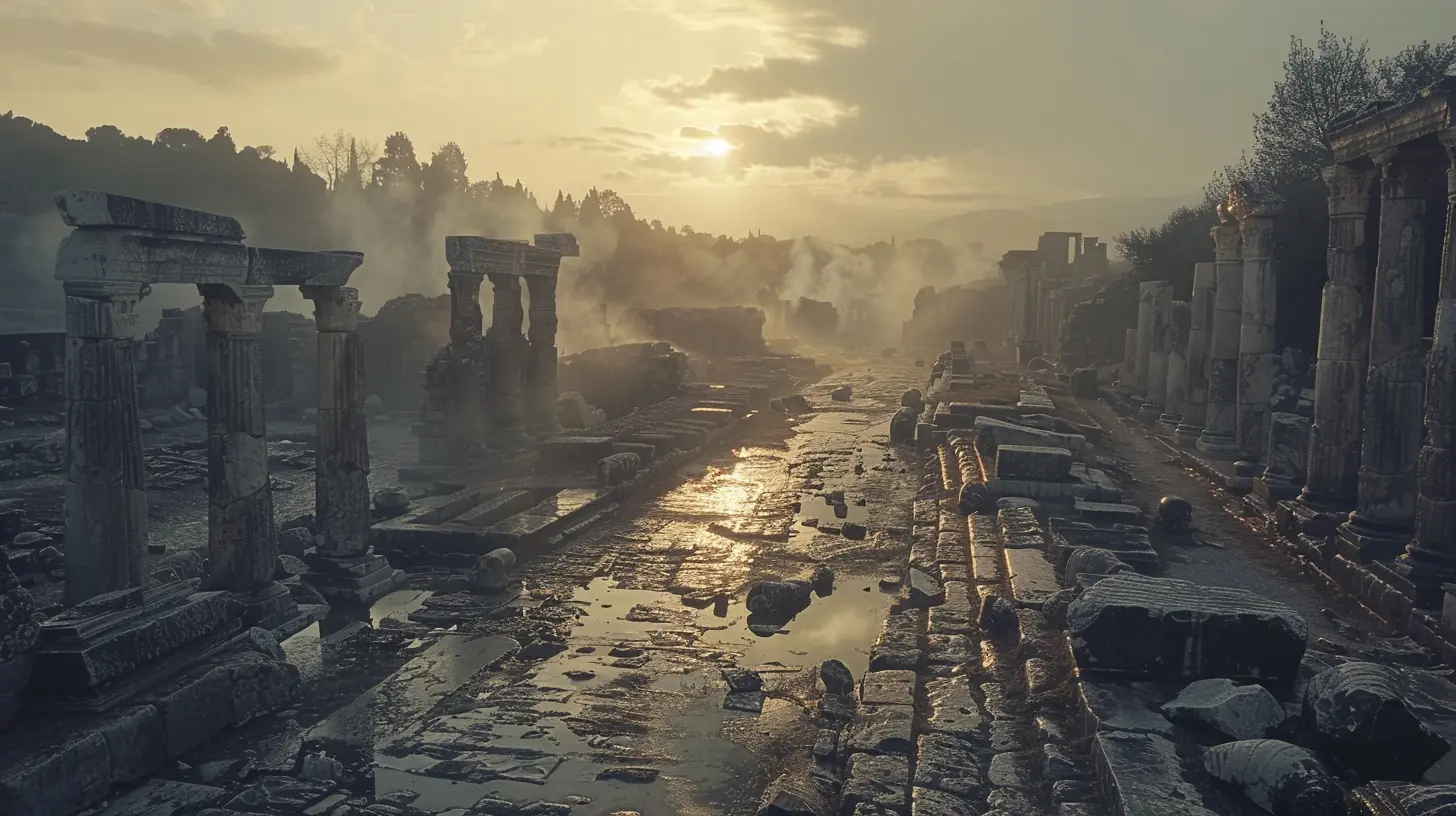
What to See at the Site (Here’s Your Must-See List)
If you’re planning to visit, let’s not waste time. Here’s what you absolutely can’t miss.1. The Legendary Walls of Troy
These aren’t your average stone walls. Standing three to five meters high, these walls were built to impress, intimidate, and protect. Walking alongside them is surreal — it's easy to picture warriors patrolling the perimeter or Achilles dragging Hector’s body near these very rocks.2. The Scaean Gate
According to myth, this was the main gate where many events in the Iliad took place. Scholars debate the exact location, but just being here feels magical. It’s an Insta-worthy spot that pulses with history. And hey, it’s not every day you stand at the gates of a legendary war.3. The Wooden Horse (Yes, There's One!)
Right outside the Troy Museum is a giant wooden horse replica that kids and adults will love. You can climb inside and pretend to be a Greek soldier sneaking into the city. Cheesy? Maybe. Fun? Definitely.4. The Megaron Houses
These were the homes of the elite, and while just the foundations remain, they give you a glimpse of ancient domestic life. Think of it like walking through an ancient version of a luxury condo — minus the jacuzzi.5. The South Gate and Defensive Tower
This section adds more flavor to the city’s military might. You can see the entrance’s elaborate design and imagine carts, animals, and warriors passing through every day.The New Troy Museum — Don’t Skip This!
Opened in 2018, the Troy Museum is a game-changer. It houses over 2,000 artifacts including weapons, pottery, sculptures, and even gold jewelry. Honestly, the museum is just as mind-blowing as the ruins. If you're the kind of traveler who likes to “get the full picture,” this is your jam.And it’s not just what’s inside — the architecture of the museum itself is a modern marvel that contrasts beautifully with the prehistoric vibes of the archaeological site.
Hot tip: Start your visit here, then head to the ruins. It gives you context and makes the whole experience WAY more meaningful.
Best Time to Visit Troy
Troy is open year-round, but timing is everything.- Spring (April to June): The weather is mild, wildflowers are in bloom, and the crowds are manageable.
- Fall (September to October): Similar perks as spring, but with a golden light that makes for gorgeous photos.
- Summer (July–August): It gets hot — like, "why did I wear jeans?" hot. Plus, it's peak season.
- Winter: Fewer tourists and a misty, brooding atmosphere. Sounds kind of poetic, right?
Getting There — It’s a Bit of a Journey, But Worth It
The nearest major city is Çanakkale. You can fly in from Istanbul or take a long (but scenic) bus ride. From Çanakkale, it’s about 30 kilometers to Troy.Options:
- Rent a car for freedom and flexibility.
- Join a guided tour — these often include transport, entrance fees, and a knowledgeable guide.
- Use the public minibus, or “dolmuş,” from Çanakkale to the village of Tevfikiye near Troy.
If you’re already in Istanbul, it's doable as a long day trip, but better as a one- or two-night getaway.
Local Tips for Making the Most Out of Your Visit
- Get a guide or an audio tour: Trust me, the ruins speak louder when someone’s translating the silence for you.- Wear comfy shoes: Uneven stone paths aren't flip-flop friendly.
- Bring water and sunscreen: There’s not much shade.
- Start early: Beat the heat and the crowds.
- Combine with other sites: Check out Assos, Pergamon, or the Gallipoli battlefields if you're already in the region.
So, Is Troy Really Worth It?
You might be wondering, “Is it worth the detour?” Listen, if you’re expecting towering temples and perfectly intact amphitheaters like Ephesus, you might feel underwhelmed at first.But Troy is different.
It’s not flashy. It doesn’t try to impress with gold and glitz. What it does offer is something far more powerful — a connection to the mythic roots of our civilization. It’s mysterious, layered, and a bit haunting. It invites you to imagine, to picture the people, the battles, the love stories that played out in this very spot.
That’s a rare thing. And it’s why Troy sticks with you long after you’ve left.
Final Thoughts: A Journey of Imagination and History
Stepping into the past at Turkey’s ancient city of Troy isn’t just about checking off a historic site. It’s about becoming part of a narrative that stretches back thousands of years. It’s feeling the weight of time in the stones, imagining the clang of swords, the hush of whispered promises, and the thunder of war horses.Whether you're a history buff, a mythology nerd, or just someone who loves a good story, Troy delivers. It’s quiet, it’s soul-stirring, and it’s waiting for you to walk its paths and write your own chapter in its never-ending tale.
So pack your curiosity (and maybe a copy of the Iliad) and take that step into the past. Who knows what you’ll uncover?
all images in this post were generated using AI tools
Category:
Ancient RuinsAuthor:

Pierre McKinney
Discussion
rate this article
2 comments
Raleigh Kirkland
Exploring Troy's rich history is a captivating journey—each step connects you to fascinating ancient stories!
January 20, 2026 at 4:18 PM
Pierre McKinney
Thank you! I'm glad you find Troy's history captivating—it's truly a remarkable journey through time!
Ainsley O'Neal
Exploring Troy is a captivating journey through history, rich in culture and legends.
December 12, 2025 at 3:58 AM
Pierre McKinney
Thank you! I'm glad you enjoyed the exploration of Troy's rich history and legends.