Taste the Tradition: Exploring Peru’s Culinary Roots
16 June 2026
Peru isn’t just a destination for Machu Picchu hikers and Amazon jungle explorers—it’s a full-blown culinary paradise. If your taste buds are itching for something beyond the same-old tacos or pizza, then buckle up. Because Peruvian cuisine? It’s like a flavor-packed rollercoaster through history, culture, and some of the freshest ingredients ever grown.
Let’s dive into Peru’s mouthwatering menu and taste the tradition that’s been cooking for centuries.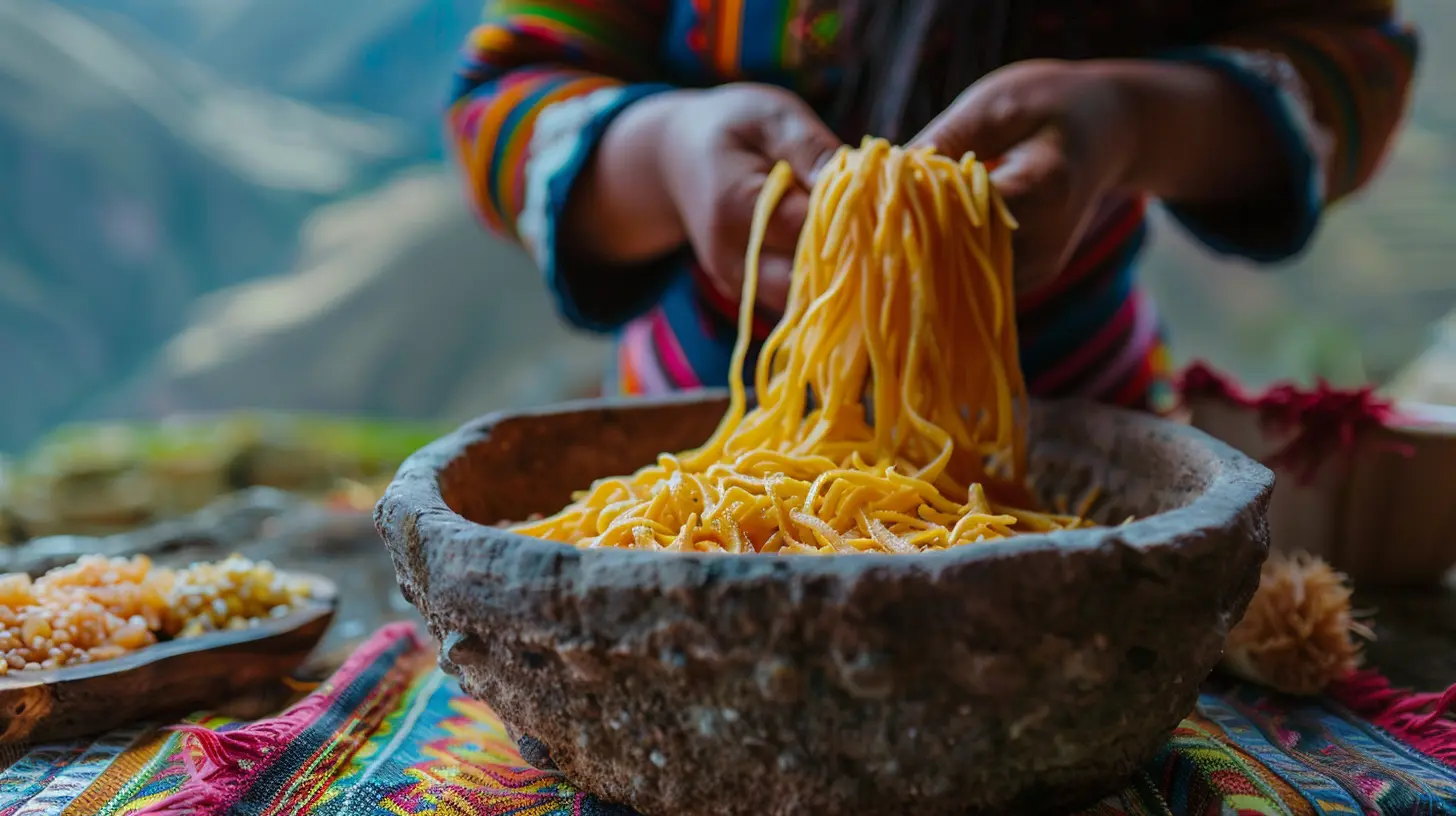
The Melting Pot of Peruvian Cuisine
What makes Peruvian food so special? It’s not one thing—it’s all the things. Think of Peru as the ultimate cultural stew. Over the centuries, Indigenous traditions collided with Spanish, African, Chinese, and Japanese influences. The result? Dishes that are comforting, bold, and sometimes straight-up unexpected.Ancient Foundations: Inca Ingredients Still on the Menu
Way before there were fusion restaurants or fancy food trucks, the ancient Incas were already serving up hearty, nutritious meals. They farmed a lot of stuff we now consider superfoods—quinoa, maize, potatoes (over 3,000 types!), and amaranth.Still today, you’ll find those ingredients in traditional dishes. Ever had cancha? It’s a snack made from toasted corn kernels that crunch like popcorn but taste way better. It's history in every bite.
Colonial Impact: Flavors from Spain
When the Spanish arrived in the 1500s, they brought new ingredients like citrus, wheat, onions, and rice. But they didn’t just stop there—they also introduced cooking techniques and dishes like stews and empanadas, which Peruvians tweaked and made their own.And Then Came the Rest...
Peru didn’t stop absorbing flavors. Immigrants from China and Japan brought soy sauce, ginger, and other Asian staples. That’s how Chifa and Nikkei cuisines were born—Peruvian-Chinese and Peruvian-Japanese blends that’ll blow your mind (and your taste buds).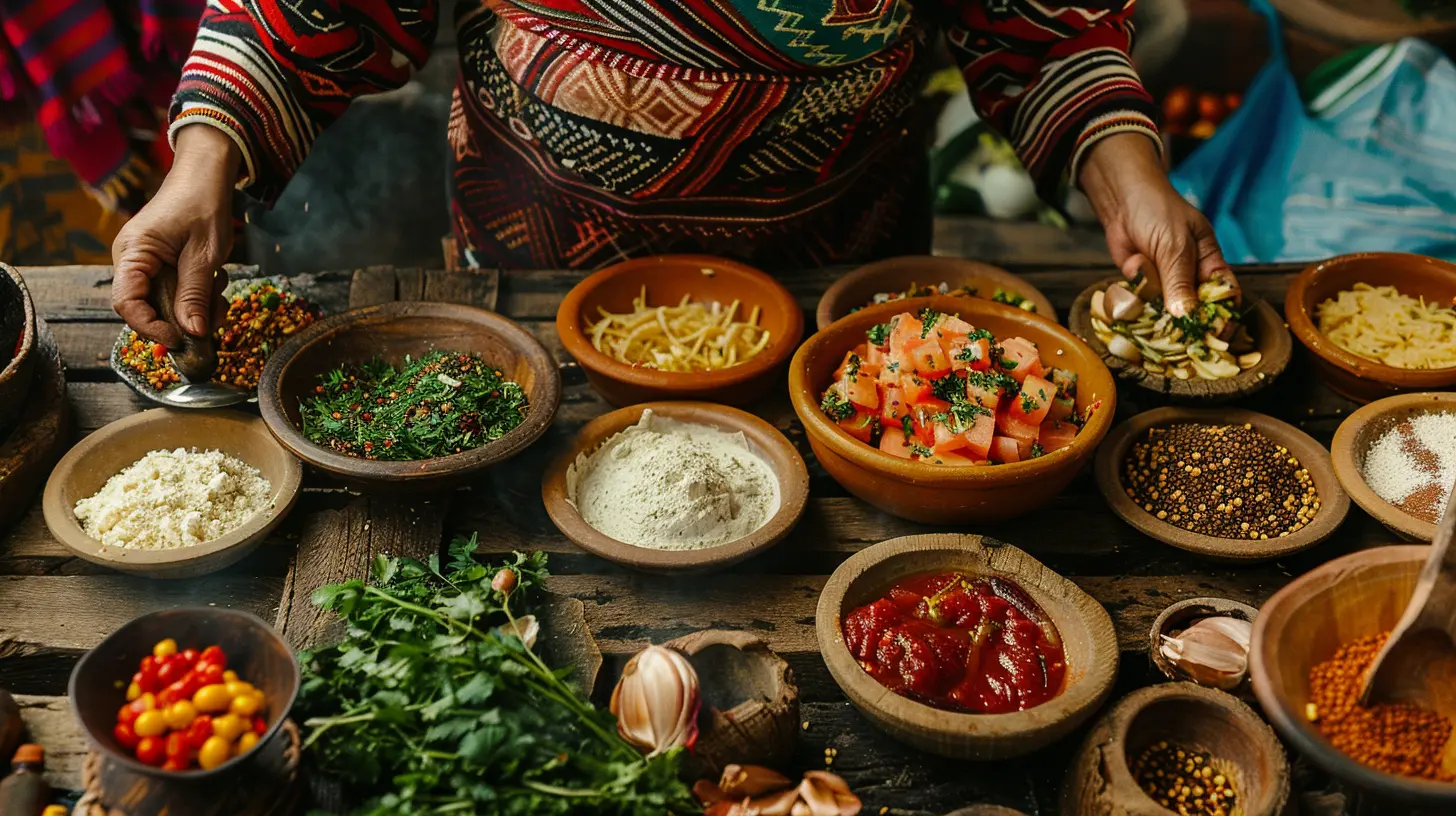
Top Traditional Peruvian Dishes You Must Try
Okay, we’ve hyped it up. Now, let’s sink our teeth into the good stuff. These are the dishes that define Peruvian cuisine—each with a story, a bite, and a whole lot of flavor.1. Ceviche: Peru’s National Pride
Let’s start with the king. Ceviche is Peru on a plate: fresh fish "cooked" in lime juice, spiced with chili peppers, and mixed with onions and cilantro. It’s zingy, fresh, and has a kick that’ll wake up even your sleepiest taste buds.Pro tip: always eat it fresh and earlier in the day. Peruvians say ceviche after lunch is just asking for trouble (and we’re not about that).
2. Lomo Saltado: East Meets West in a Wok
File this one under comfort food with a twist. Lomo saltado is a stir-fry of beef, tomatoes, onions, soy sauce, and spices, served with—you guessed it—fries and rice. It’s like if your favorite stir-fry married your beloved burger joint and had delicious little babies.The dish is a poster child for Chifa cuisine—Chinese techniques with Peruvian flavors.
3. Aji de Gallina: Creamy Chicken with a Kick
Think chicken stew, but make it fancy. Aji de gallina is shredded chicken bathed in a creamy, spicy sauce made from aji amarillo (a bright yellow chili pepper), milk, bread, and cheese. It’s usually served over rice with a boiled egg and olives. Sounds odd, tastes divine.4. Anticuchos: Street Food with a Soul
You’ll smell these before you see them. Anticuchos are skewers of marinated beef heart grilled over open flames. Before you wrinkle your nose—don’t knock it 'til you try it. They’re charred, juicy, and seriously addictive. Grab one from a street vendor and thank us later.5. Papa a la Huancaína: Potato Perfection
This dish is so simple, yet so good. It’s just boiled potatoes covered in a creamy-spicy cheese sauce made from aji amarillo, cheese, milk, and crackers. Served cold, it’s often a starter but could totally steal the show.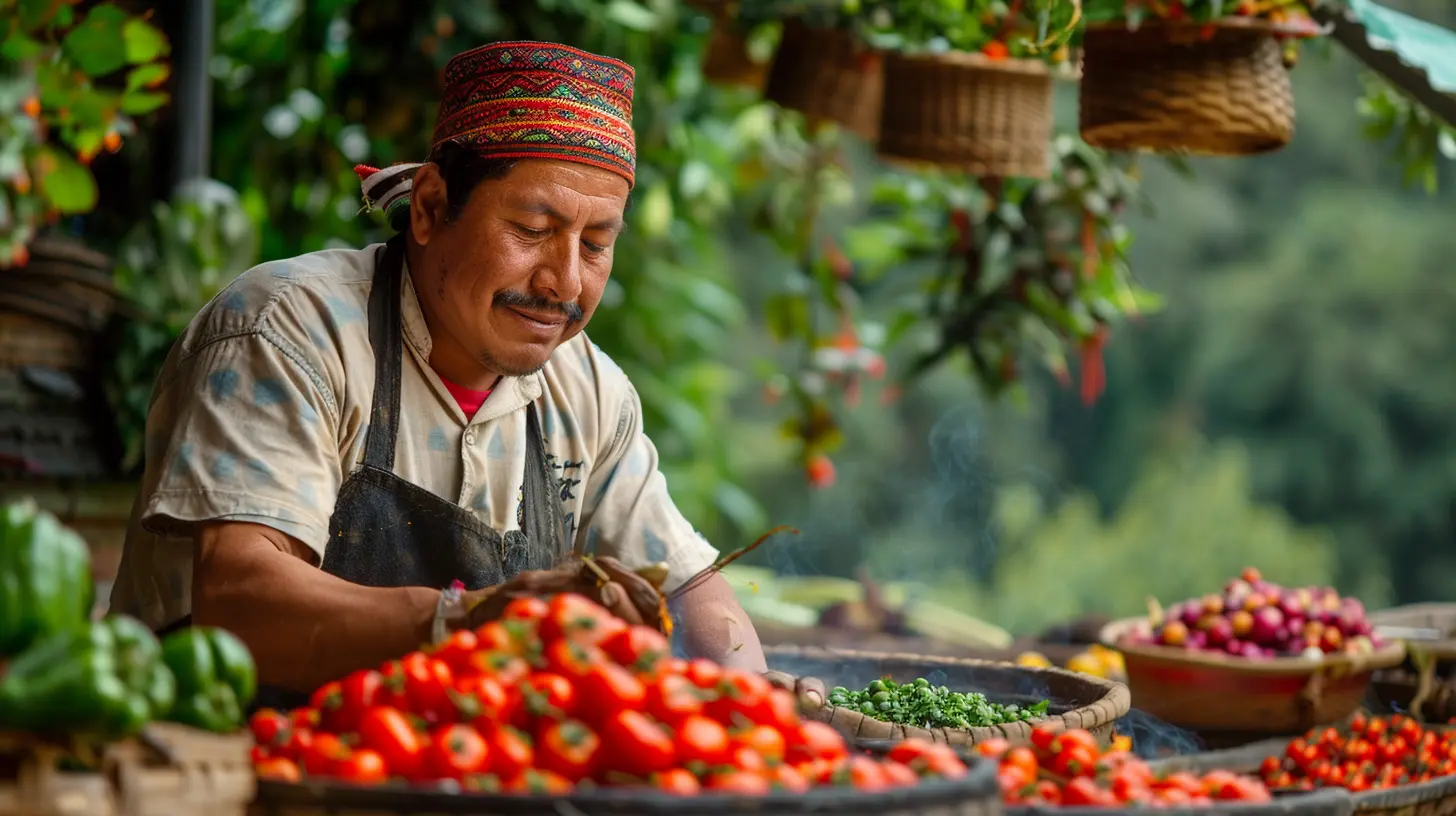
The Magic of Peruvian Ingredients
A country can’t cook like a boss without some killer ingredients. Peru’s geography gifts it a diverse pantry, from ocean shores to Andean peaks and Amazonian forests.The Potato Capital of the World
If you think potatoes are boring, Peru will prove you wrong in a heartbeat. With over 3,000 native varieties, you’ll find them purple, red, yellow, sweet, starchy, waxy—and each has its place in a different dish.Ever tried a purple mashed potato? It’s as Instagrammable as it is tasty.
Corn, but Make It Colorful
Peru’s corn isn’t your run-of-the-mill yellow stuff. Here you’ll find giant white kernels (used in ceviche), purple corn (used in drinks like chicha morada), and varieties you didn’t even know existed.Chiles that Don’t Burn…Too Much
Aji amarillo is the rockstar of Peruvian peppers. It’s fruity, a little spicy, and gives dishes that signature golden hue. There’s also rocoto, a fiery red pepper that’ll test your limits if you’re brave enough.Fresh-from-the-Ocean Seafood
Thanks to the Humboldt Current, Peru’s coastline is loaded with marine life. From scallops and shrimp to octopus and sea bass, the seafood here tastes like it was just caught—because it often was, like, literally that morning.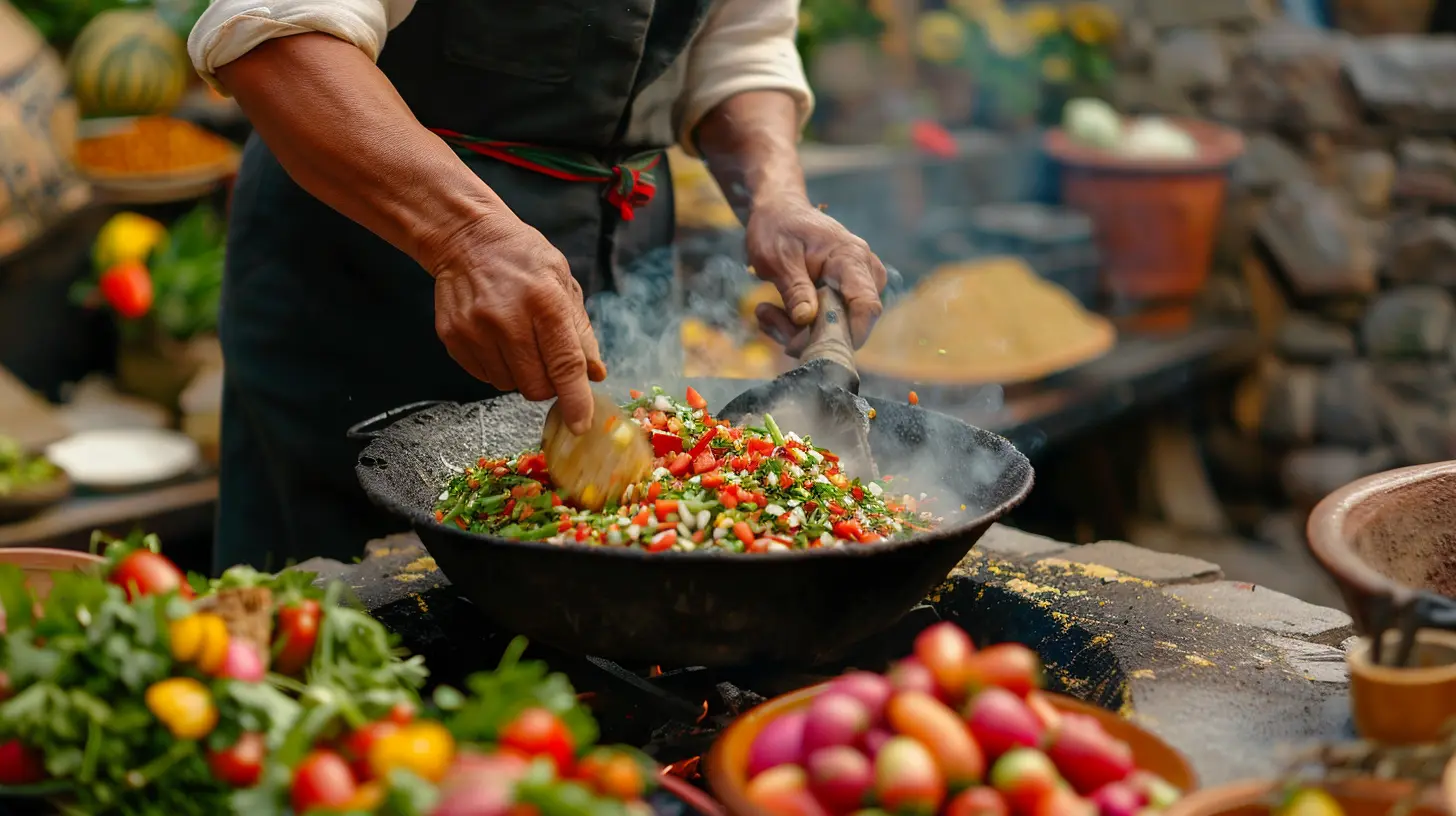
Drinks That Keep Up with the Food
You’ll need something to wash down all that deliciousness, and Peru’s got some serious contenders beyond plain old water.Pisco Sour: The National Cocktail
Pisco is a grape brandy—and when it’s mixed with lime juice, simple syrup, egg white, and a dash of bitters, it becomes the mighty Pisco Sour. It’s tangy, silky, and has enough kick to start a party.Chicha Morada: Purple Corn Magic
This non-alcoholic drink is made from purple corn, pineapple, cinnamon, and cloves. It’s sweet, slightly spiced, and oddly refreshing—even if the idea of purple corn juice might weird you out at first.Inca Kola: Love It or Hate It
This bubblegum-yellow soda tastes nothing like cola—it’s more like liquid bubblegum meets cream soda. Tourists are divided, but locals love it. Either way, you’ve gotta try it once.Where to Taste the Real Deal
Thinking about hopping on a plane yet? Good. But where should you eat when you land in Peru?Lima: The Foodie Capital of South America
Lima is where it’s at. It’s home to several of the world’s top restaurants (hello, Central and Maido) and an unmatched street food scene. From upscale Nikkei dishes to hole-in-the-wall cevicherias, Lima lets you sample every corner of Peru’s food map.Arequipa: The Home of Spicy Stews
This southern city is known for its bold, spicy dishes like rocoto relleno (stuffed spicy peppers) and adobo arequipeño (pork stew). The food here packs a punch—and a lot of soul.Cusco: High-Altitude Flavors
Sure, most people come here for Machu Picchu, but Cusco’s Andean dishes deserve their own spotlight. Try cuy (yes, guinea pig!), alpaca steak, and quinoa soup while sipping coca tea to fight the altitude.The Amazon: Fresh and Wild
In cities like Iquitos and Puerto Maldonado, you’ll taste jungle-inspired dishes made with ingredients you’ve probably never heard of—like camu camu, paiche (an Amazonian fish), and exotic fruits with names that sound like they’re from another planet.Cooking Peruvian at Home
Can’t jump on a flight just yet? No worries. Peruvian cooking is totally doable at home—with the right ingredients, of course.Start small. Make a batch of aji verde (a spicy green sauce you’ll want to put on everything), or try your hand at lomo saltado. Many ingredients can be found at Latin American grocery stores or online.
Cooking Peruvian dishes can open up a whole new way of experiencing the culture, one delicious spoonful at a time.
Final Thoughts: It’s More than Just Food
Peruvian cuisine isn’t just about delicious bites—it’s about connection. It links generations, communities, and cultures. It’s a way of telling stories, honoring traditions, and celebrating what makes Peru… well, Peru.So whether you’re eating anticuchos from a smoke-filled Lima street or sipping a pisco sour at a rooftop bar, you're not just having a meal—you’re tasting the tradition.
all images in this post were generated using AI tools
Category:
Culinary AdventuresAuthor:

Pierre McKinney