The Desert Metropolis: Exploring Modern Cities in Arid Regions
8 March 2026
When you think of the desert, what comes to mind? Endless dunes, scorching heat, and a landscape so barren it looks like something from another planet? Well, think again. Today, some of the world’s most modern and luxurious cities are thriving in arid regions where survival once seemed improbable. From glittering skyscrapers to tech-powered sustainability initiatives, these desert metropolises are reimagining what’s possible in extreme environments.
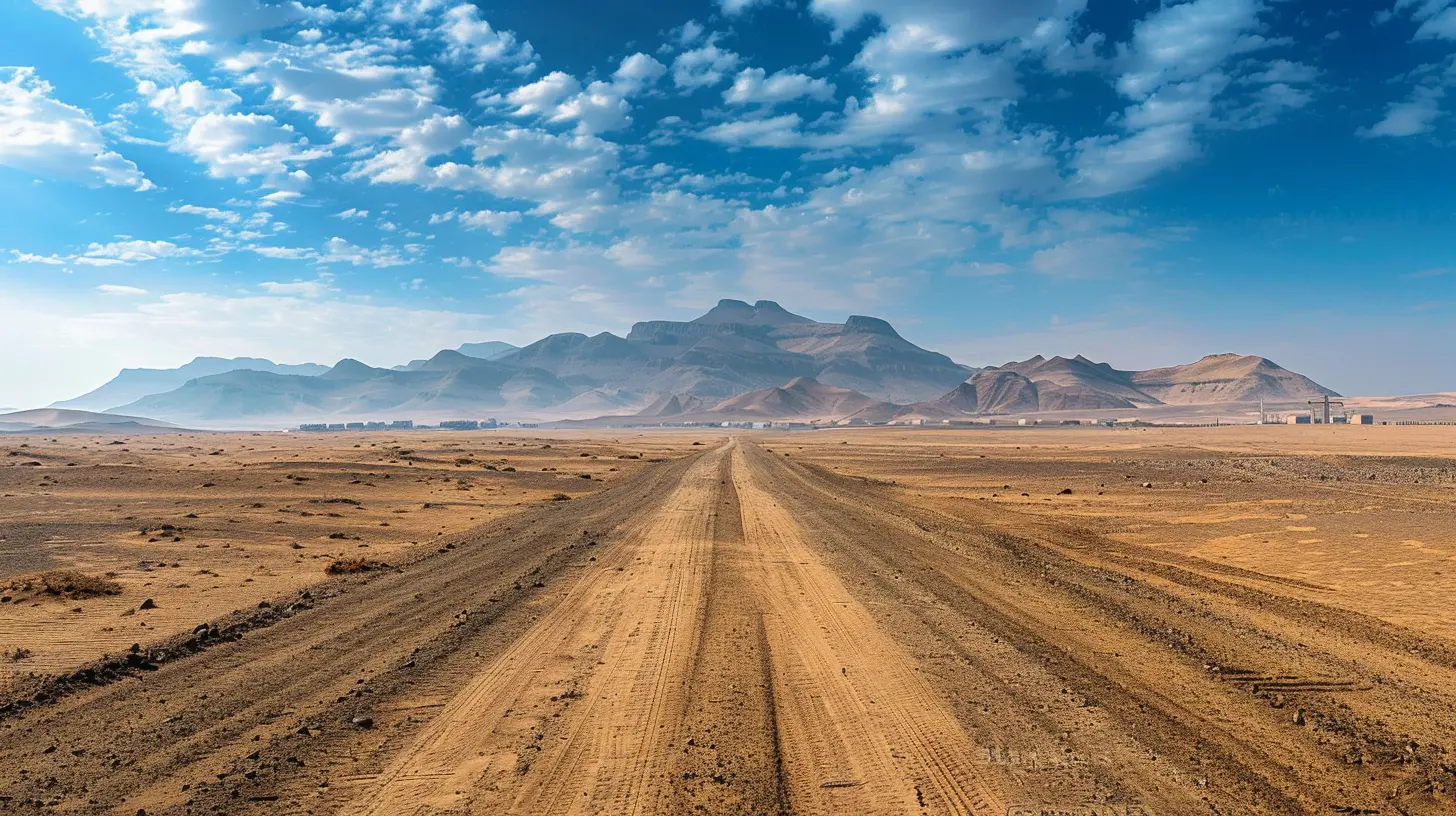
The Rise of Desert Cities
Deserts have long been considered inhospitable for large-scale human settlement. Limited water, extreme temperatures, and vast expanses of uninhabitable land—none of these factors scream "ideal place to build a city." Yet, against all odds, cities like Dubai, Las Vegas, and Riyadh have flourished, proving that with vision, innovation, and a bit of audacity, humans can conquer even the harshest landscapes.But what makes desert cities so fascinating? It’s not just their futuristic skyscrapers or luxury resorts. It’s how they’ve leveraged technology, sustainability, and sheer determination to create urban oases in the middle of nowhere.
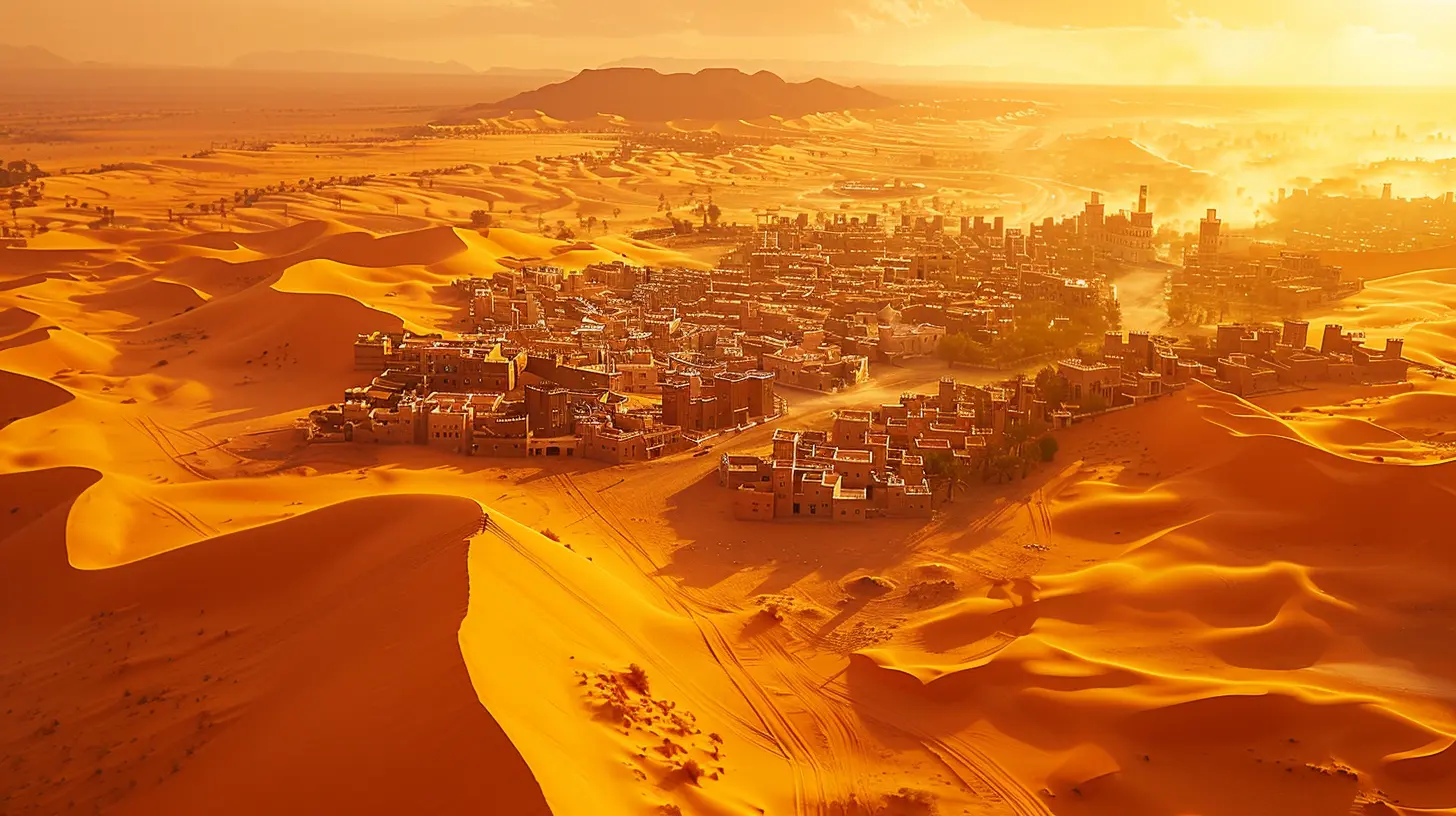
Pioneers of Desert Urbanization
Let’s take a deep dive into some of the world’s most successful desert cities and how they’ve managed to beat the odds.Dubai: The City of Superlatives
If there’s one place that epitomizes modern desert urbanization, it’s Dubai. A tiny fishing village just a few decades ago, Dubai is now a global metropolis with record-breaking skyscrapers, man-made islands, and an economy that rivals major world capitals.- Innovation in Infrastructure: The Burj Khalifa, the world's tallest building, stands as a testament to Dubai’s ambition. Constructed using materials and engineering techniques designed to withstand extreme desert conditions, it’s more than just a skyscraper—it’s a symbol of human ingenuity.
- Water & Sustainability: Dubai has no natural rivers or lakes, yet it consumes water extravagantly. The solution? One of the largest desalination projects in the world, converting seawater into drinkable water.
- Economic Diversification: Unlike many desert cities that depend on oil, Dubai has transformed itself into a global business and tourism hub, attracting millions every year with its futuristic attractions and tax-friendly policies.
Las Vegas: An Oasis of Excess in the Nevada Desert
Las Vegas is proof that even the harshest environments can be turned into entertainment meccas. Built in the middle of the Mojave Desert, this neon-lit metropolis thrives on tourism, gaming, and nightlife.- Water Management: Despite its desert location, Las Vegas has mastered water conservation, implementing strict usage policies and using recycled water for irrigation.
- Energy Innovation: Solar power plays a huge role in keeping Vegas lit. The city harnesses the abundant desert sun to generate clean energy, reducing reliance on fossil fuels.
- Resilient Tourism Industry: Even with extreme summer temperatures reaching over 110°F (43°C), millions flock to Vegas every year. How? Air-conditioned resorts, indoor attractions, and water-centric entertainment make it an irresistible destination.
Riyadh: The Tech-Driven Desert Capital
Saudi Arabia’s capital, Riyadh, has undergone a massive transformation in recent years, evolving from a traditional desert settlement into a modern tech hub.- Vision 2030: Saudi Arabia’s ambitious Vision 2030 initiative aims to reduce dependence on oil and turn Riyadh into a global center for business, entertainment, and AI-driven technology.
- Green Riyadh Project: The city is investing in massive greening efforts, planting millions of trees to combat desertification and reduce the heat island effect.
- Smart City Developments: Riyadh is at the forefront of smart city innovation, using AI and IoT (Internet of Things) to manage traffic, optimize energy use, and improve urban living conditions.
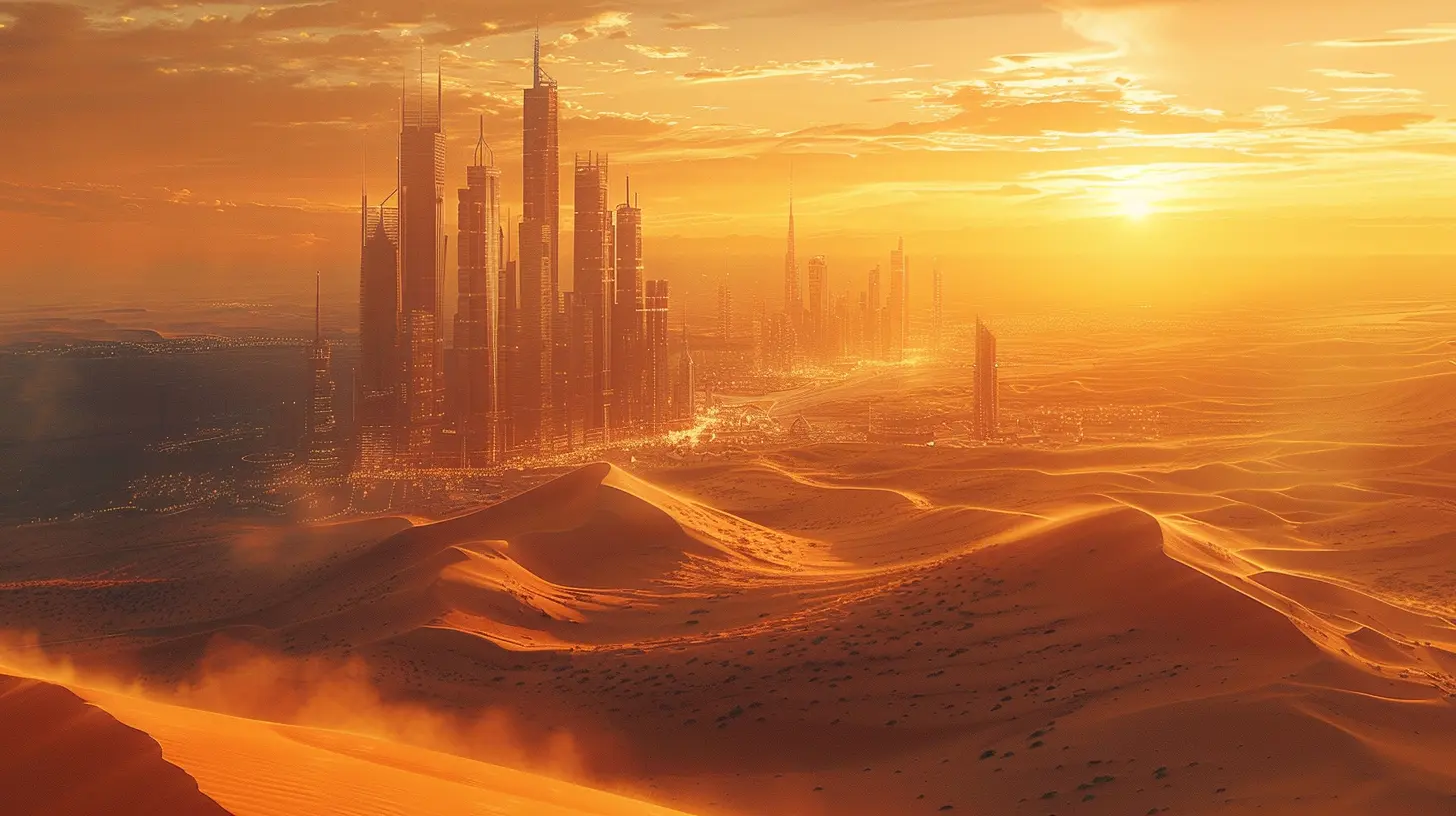
The Challenges of Desert Living
Building in the desert isn’t all glitz and glamour. These futuristic cities face unique challenges that constantly test human resilience and innovation.1. Water Scarcity
Water is life, but in the desert, it’s a luxury. Most desert cities rely on desalination, underground aquifers, or water recycling to meet their needs. While effective, these methods are expensive and energy-intensive.2. Extreme Temperatures
Scorching daytime heat and freezing nights create a climate that’s tough to live in. But architectural advancements—like heat-reflecting materials, high-tech cooling systems, and underground infrastructure—help mitigate these effects.3. Sustainability Concerns
Many desert cities have been criticized for their environmental impact. From excessive water consumption to rapid urbanization, balancing growth with sustainability remains a challenge. However, cities like Dubai and Riyadh are increasingly investing in green technologies to minimize their ecological footprint.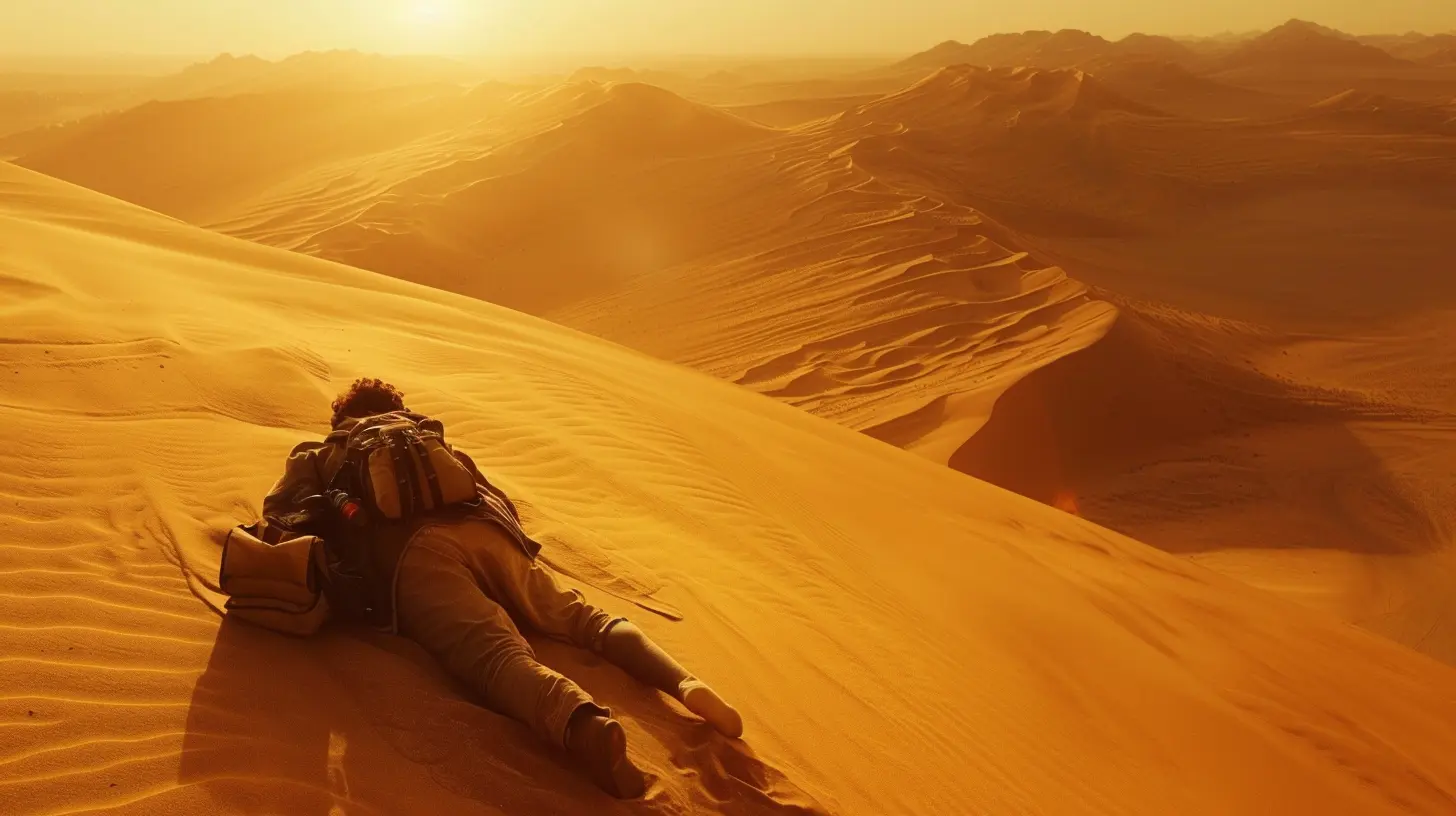
The Future of Desert Metropolises
What lies ahead for these extraordinary cities? One thing is certain: the future looks bold, green, and incredibly tech-driven.1. Vertical Farming & Food Innovation
Traditionally, desert cities have relied on food imports, but vertical farming and hydroponics are changing the game. High-tech farms within city limits are making fresh produce accessible, reducing reliance on global supply chains.2. Renewable Energy Revolution
With almost unlimited sunlight, desert cities are embracing solar power on an unprecedented scale. Saudi Arabia’s NEOM project, for example, promises to be powered entirely by renewable energy, setting a new standard for sustainable cities.3. Smart Infrastructure & AI Integration
From self-driving cars to AI-managed energy grids, desert cities are integrating smart technology to optimize efficiency, reduce waste, and enhance quality of life. Imagine a city that predicts your needs before you even realize them—that’s where we’re headed.Final Thoughts: Can The Desert Truly Be Home?
It’s mind-blowing to see how far we’ve come—from barren wastelands to high-tech, luxurious cities that defy nature itself. But as we push the boundaries of urban development, one question remains: Are we creating sustainable futures, or are we simply borrowing time from the natural world?While desert metropolises showcase human brilliance, they also serve as a reminder of nature’s challenges. If cities in arid regions are to continue thriving, sustainable innovations must stay at the forefront. Because at the end of the day, even the most high-tech skyscraper is powerless without the very resources that allow it to exist.
What do you think? Would you live in a desert metropolis?
all images in this post were generated using AI tools
Category:
Desert AdventuresAuthor:

Pierre McKinney
Discussion
rate this article
2 comments
Icarus Nelson
Fascinating exploration of how modern architecture and culture thrive in arid regions. These desert cities truly redefine urban living in harsh climates!
April 8, 2026 at 1:54 AM
Pierre McKinney
Thank you! I'm glad you found the exploration intriguing—these desert cities indeed showcase incredible adaptability and innovation in urban living.
Piper Sharpe
An intriguing exploration of how modern architecture and sustainable practices thrive in arid environments. This article beautifully showcases the resilience of desert cities, blending culture, innovation, and environmental adaptation seamlessly.
March 8, 2026 at 4:04 AM