The Enigmatic Statues of Easter Island
10 April 2026
Alright globe-trotters, buckle up and throw on your explorer’s hat because we’re heading somewhere seriously mysterious and outrageously remote — Easter Island. You’ve probably seen those iconic stone heads before (they’re hard to miss), but let me tell you — there’s more to these giants than meets the eye. The Enigmatic Statues of Easter Island aren't just Insta-worthy; they’re drenched in ancient secrets, cultural richness, and just the right amount of "wait, how the heck did they pull that off?"
Where Is Easter Island, Anyway?
Let’s start with Geography 101. Easter Island, or Rapa Nui as the locals say (and yes, it's way cooler), sits all by its lonesome in the southeastern Pacific Ocean. It's technically part of Chile, but don't expect bustling streets or salsa music here. This place is remote AF — over 2,000 miles away from the nearest big landmass. We’re talking middle-of-nowhere vibes, like your phone’s gonna give up trying to find a signal.But that isolation? It’s kind of magic. It preserved one of the most fascinating archaeological mysteries in the world.
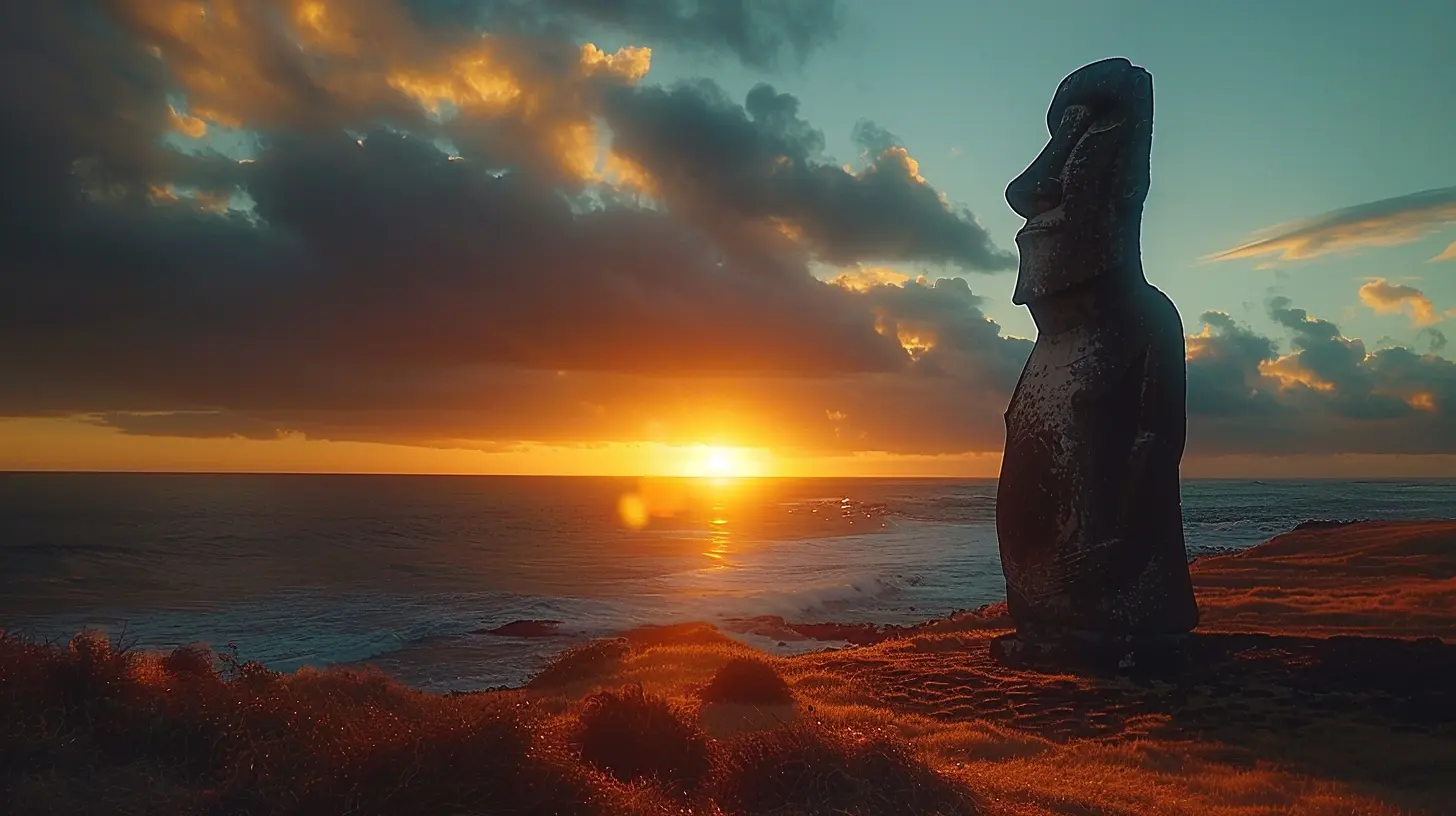
Meet the Moai: The Island’s Stone Superstars
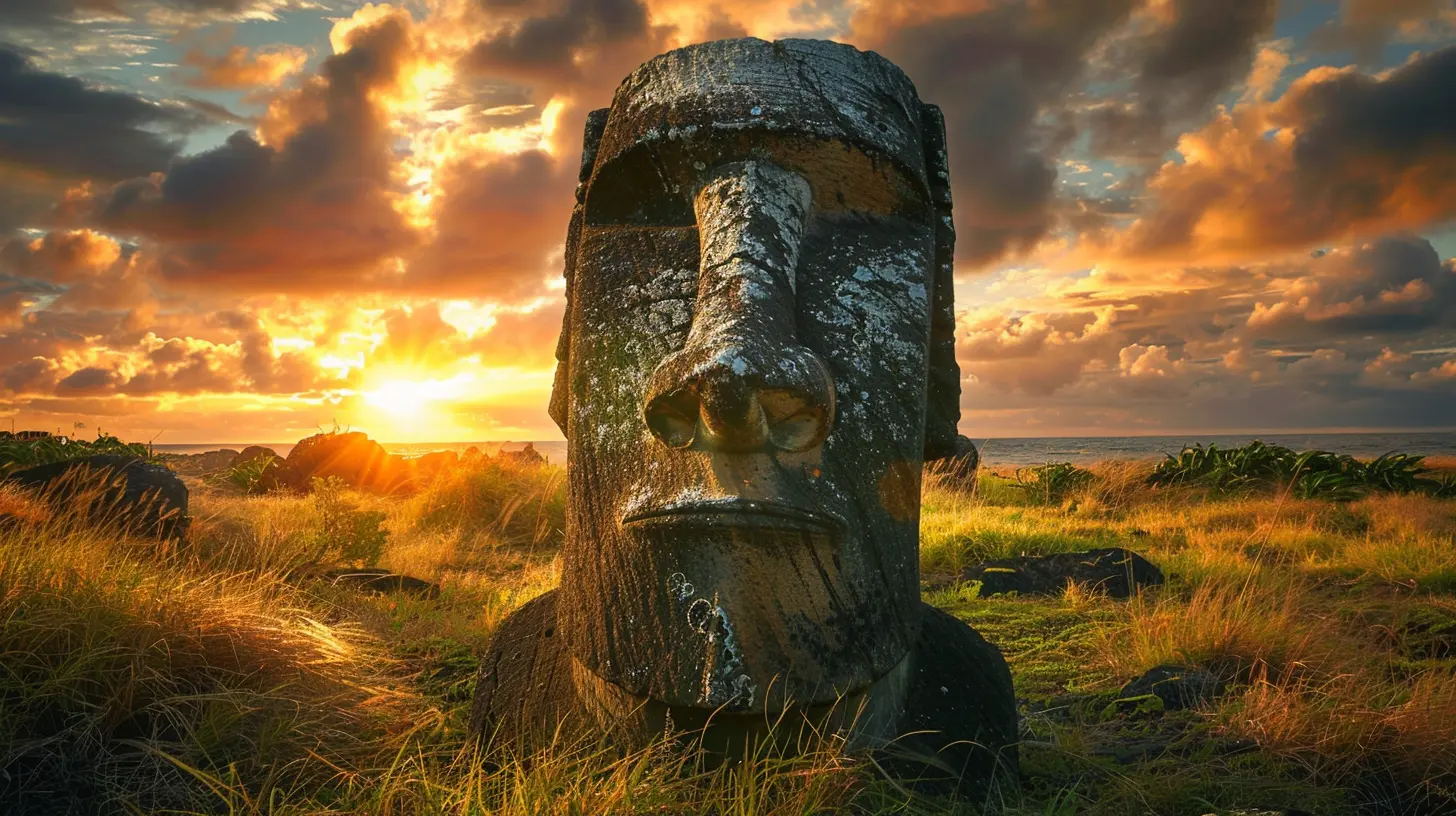
Alright, let’s dish about the stars of the show — the Moai. They’re the jaw-dropping, sky-gazing, eyebrow-raising statues carved from volcanic rock. Some are 13 feet tall on average, while the biggest show-off (named “El Gigante,” FYI) is a whopping 72 feet long. Let that sink in. That’s taller than a six-story building — and it was carved by a civilization without cranes, forklifts, or YouTube tutorials.But here’s the kicker — they’re not just heads. Mic drop. Seriously, most Moai have full torsos buried beneath the surface. It’s like a real-life iceberg situation.
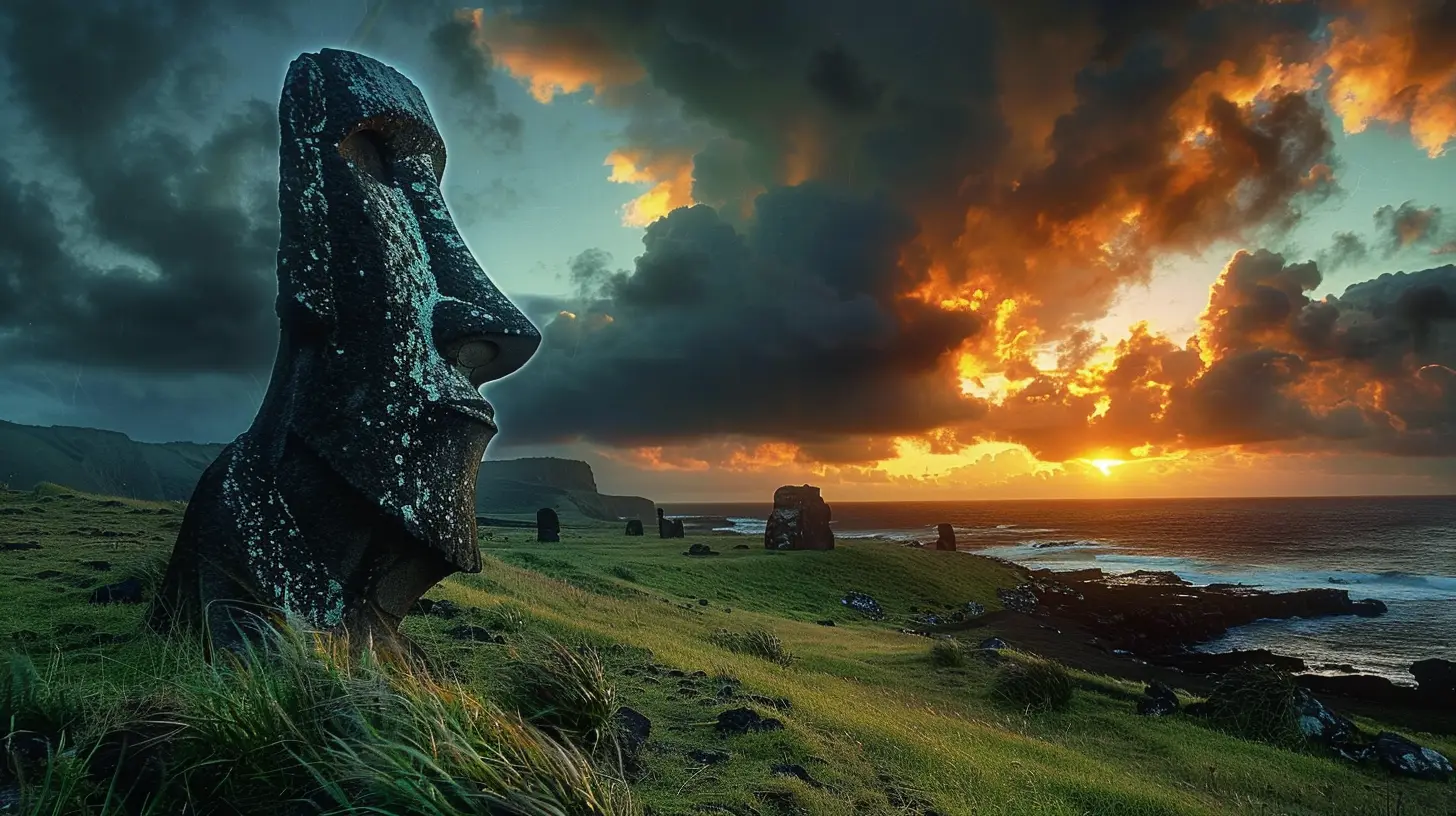
Who Built These Bad Boys?
Let’s go back — way back. Historians believe the Rapa Nui people settled the island between 700 and 1100 AD, probably arriving in big ol’ canoes from Polynesia. These weren’t your average tourists; they were master navigators, stargazers, and carvers.The Moai were created between 1400 and 1650 AD, chiseled from soft volcanic tuff at the Rano Raraku quarry. Then — and this still blows researchers’ minds — these massive stone dudes were somehow transported miles across uneven terrain to their final resting places, called ahu (ceremonial platforms).
So how’d they move them? Aliens? Giant rollers made of trees? Black magic?
Let’s talk theories.
The Great Moai Moving Mystery
This is where things get juicy. Theories about how the Rapa Nui moved the Moai are basically the island’s version of a Netflix conspiracy doc.- The Roller Theory: Some say they used logs to roll the statues. Makes sense... until you realize the island doesn’t have enough trees for that anymore. So, did they deforest the island to make it happen? Hmm…
- The Walking Theory: Others suggest they “walked” the statues using ropes, rocking them forward like humans do with a heavy fridge. Sounds wild, right? But experiments in recent years actually showed it could be possible. Turns out, it might’ve been less brute strength, more epic teamwork.
- Alien Architects?: Of course, no ancient mystery is complete without sprinkling in some extraterrestrial drama. While fun, there’s no credible evidence aliens came down to lend a hand. Sorry, UFO lovers.
The real answer? Likely tons of coordination, community effort, and hardcore elbow grease. These people weren’t just carving statues — they were crafting spiritual symbols of their ancestors.
What Do the Moai Actually Mean?
Now, here’s where things get spiritual. The Moai aren’t just rock sculptures; they’re believed to represent deified ancestors — think spiritual guardians watching over their descendants. Eyes were once inset with white coral and red pupils, giving them an intense, otherworldly stare.Facing inland, not towards the ocean (except for a few rebels), they’re basically keeping an eye on the villages, acting like stone watchdogs. Creepy? Maybe. Powerful? Absolutely.
Let’s Talk About the Collapse (Cue Dramatic Music)
Okay, time for a twist. Around the 17th century, things took a turn. The population plummeted, resources vanished, and the Moai-making spree ended.Many scholars blame environmental collapse — deforestation, soil erosion, overpopulation. Others argue European diseases, slave raids, and cultural disruption played a huge role. Basically, a bit of both nature and nurture going wild.
Statues were toppled, rituals faded, and the Moai were left in silence. That tragedy? It still echoes across the island.
The Revival of Rapa Nui Culture
But don't get too down — this isn’t a total tragedy story. The Rapa Nui people are still here, and they’re keeping their culture alive like absolute bosses. There’s been a cultural revival in recent decades, and efforts to preserve their language, dances, and traditions are booming.Moai aren’t just ancient relics — they’re potent symbols of identity, pride, and resilience.
Should You Visit Easter Island? Oh Heck Yes.
If you’re sitting there thinking, “Okay, this is cool and all, but is Easter Island actually worth the trip?” — allow me to say hell yes.This place is like a real-life history channel episode but with better sunsets and zero commercial breaks.
1. Rano Raraku – The Statue Factory
This is the quarry where it all began. Picture half-finished Moai lying around like a bunch of forgotten sculptures in a stone graveyard. It's haunting, surreal, and crazy photogenic.2. Ahu Tongariki – The Power Posse
This site has 15 massive Moai lined up like ancient bouncers guarding the horizon. It’s Easter Island’s most iconic spot — go at sunrise, and prepare to have your mind blown.3. Anakena Beach – Yes, There’s a Beach!
Because what’s a Pacific island without a little beachy paradise? Picture turquoise waters, white sand, and Moai casually keeping watch as you work on your tan. It’s beach-meets-history in the most extra way.4. Orongo Village – Birdman Drama
This hilltop village brings a whole different layer of legend — the Tangata Manu or “Birdman” competition. It’s a tale blending ritual, danger, and some serious cliff diving. Spoiler alert: it’s wild.Tips for Visiting Like a Pro
- Time it right: Dry season (April to October) is prime time. Fewer mosquitos, more breezy walks.- Respect the culture: These statues aren’t playground equipment, dear influencers. Stay on the trails and don’t touch.
- Hire a local guide: Trust me, the stories they tell are chef’s kiss — richer than any guidebook.
- Stay eco-friendly: You're in a fragile, sacred space. Don’t be “that tourist.”
Fun Facts You Didn't Ask For (But You’ll Thank Me Later)
- There are over 900 Moai on the island. That’s more statues than people!- Moai hats? Yep — some had giant red stone “topknots” called pukao.
- Only about 50 Moai have been re-erected. Most are still laying down, fallen soldier-style.
- Thor Heyerdahl (cool name, right?) brought global attention to Easter Island in the 1950s, sparking major research interest.
- Rapa Nui is both the name of the island and the language. Double points for style.
The Bottom Line
The Enigmatic Statues of Easter Island aren't just stone monoliths planted in a faraway place. They are the beating heart of a culture that thrived against the odds and left a legacy carved in stone. They're mysterious, majestic, and just the right blend of "Whoa!" and "Wait, what?"So whether you’re a history nerd, a mystery buff, or just someone chasing unique travel stories — Easter Island should be high on your bucket list.
Let the statues do the talking. You just have to listen.
all images in this post were generated using AI tools
Category:
Ancient RuinsAuthor:

Pierre McKinney
Discussion
rate this article
2 comments
Dolores Peterson
Discover history through captivating wonders!
April 23, 2026 at 3:03 AM
Bryson Horne
The enigmatic statues of Easter Island invite us to ponder the delicate balance between human ambition and nature’s enduring power. They stand as silent witnesses to a civilization's triumphs and trials, urging us to reflect on our own legacies.
April 15, 2026 at 3:10 PM
Pierre McKinney
Thank you for your thoughtful comment. The statues truly embody the resilience of human spirit and the lessons we can learn from the past.