The Legacy of Persepolis: Iran’s Ancient Capital
13 August 2026
Have you ever stepped into a place so drenched in history that even the wind seems to whisper stories from a bygone era? That’s exactly what it feels like when you walk through the ruins of Persepolis. Tucked away in the southern heartlands of Iran, this ancient capital of the Achaemenid Empire is not just a collection of broken stones. It’s poetry carved in stone, a testament to an empire that once ruled half the known world.
In this blog, we’re taking a lyrical journey through the majestic ruins of Persepolis, soaking in its history, grandeur, and the lingering legacy it left behind. Ready to time travel? Let’s go.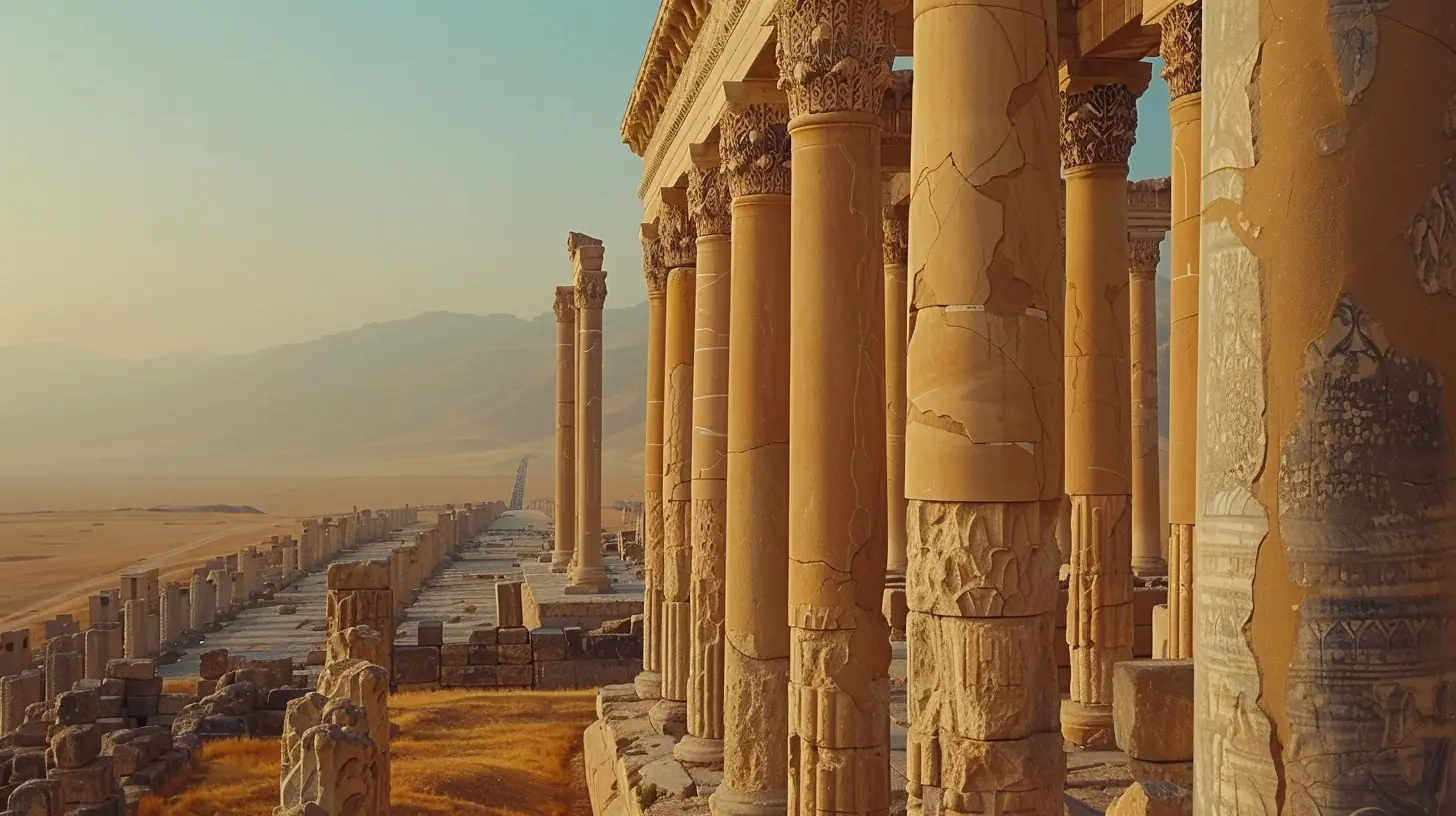
A City Out of Time: Where is Persepolis Anyway?
Nestled about 60 kilometers northeast of Shiraz, Persepolis (Takht-e Jamshid in Persian) rises from the desert plains like a forgotten dream. It’s not just a dot on the map—it's where kings once walked and where world history was drafted in stone. The first stones were laid around 515 BC by Darius the Great, and from there, it blossomed into the ceremonial heart of one of history’s greatest empires—the Achaemenid.Imagine a place where the elite of 28 nations came bearing gifts not just wrapped in silk but wrapped in respect. Persepolis was that diplomatic dance floor.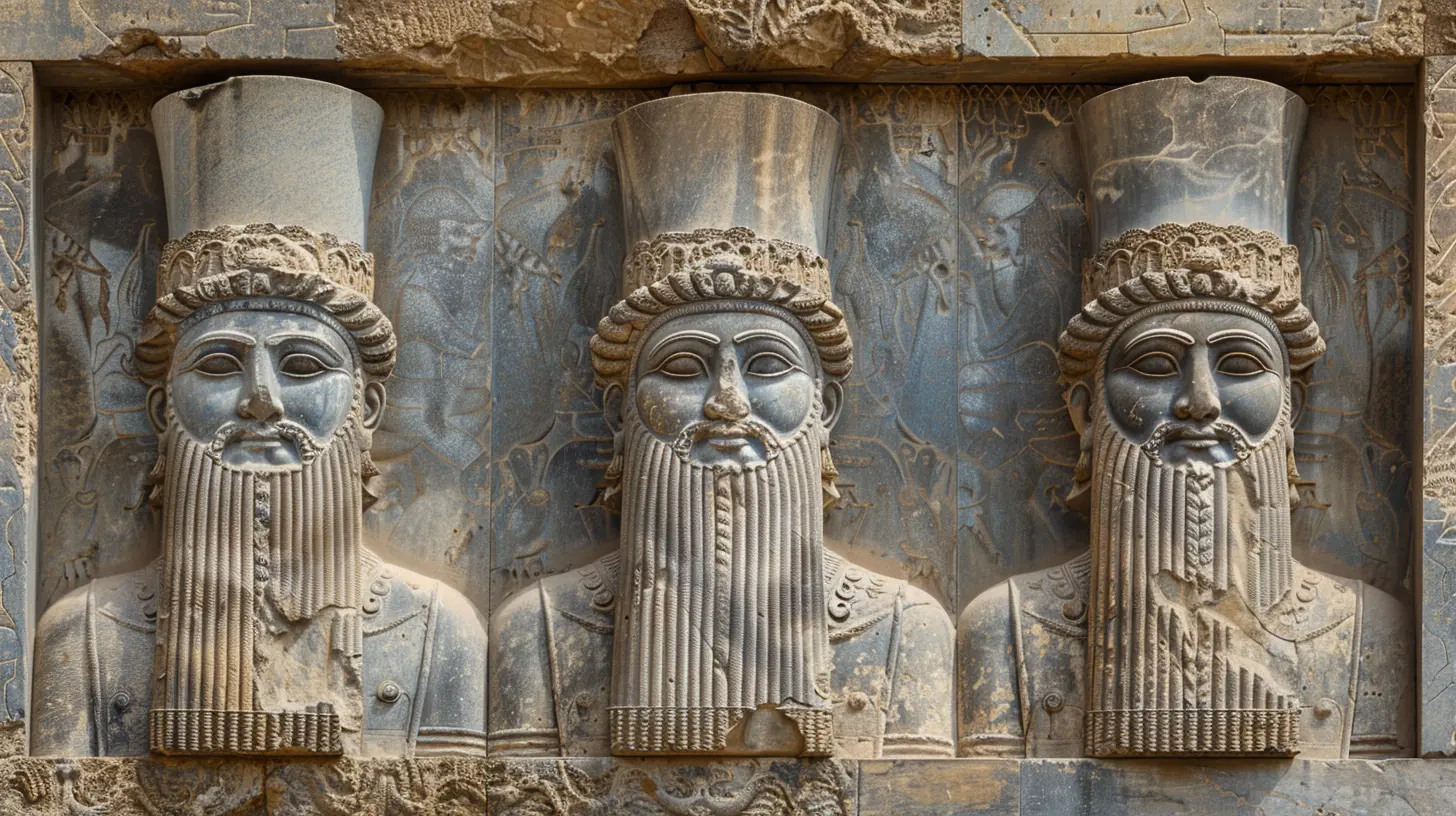
The Dream of Darius: A Capital Unlike Any Other
Persepolis wasn’t meant to be a bustling metropolis. Nope. It was never your ancient version of New York or Cairo. It was a symbol—bold, beautiful, and bursting with meaning.Darius I, the visionary emperor, wanted a city that screamed prestige. So, he commissioned Persepolis as a ceremonial capital. Think of it like building the ultimate royal stage—where the empire could flex its wealth, order, and multicultural dominance.
With palaces fit for gods, staircases layered with carvings of tribute-bearing envoys, and hallways echoing with ceremonial footsteps, this city was less about daily grind and more about divine grandeur. A theater of empire, if you will.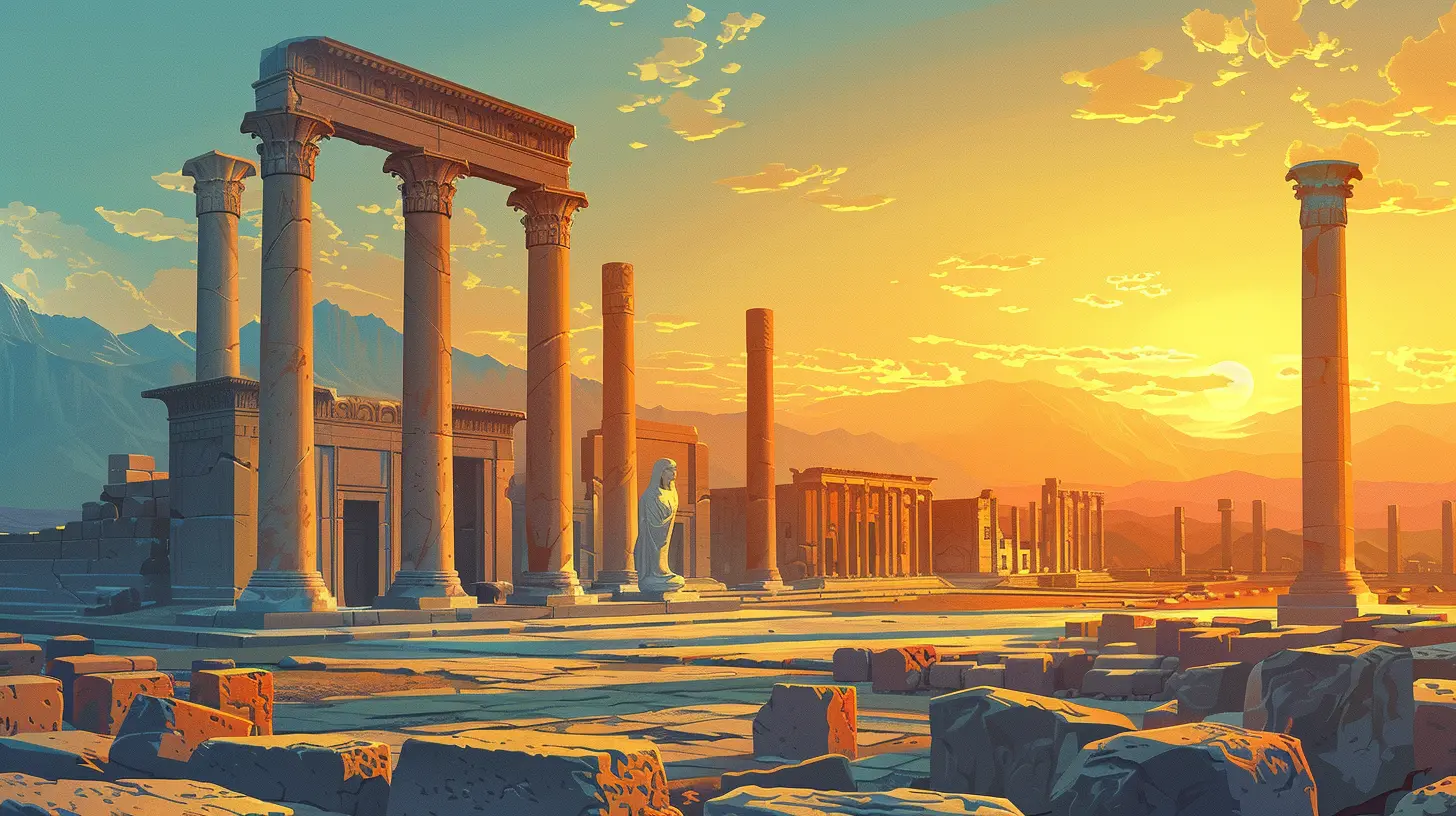
Stone That Speaks: The Mesmerizing Details of the Ruins
Walking through Persepolis is like flipping through an ancient, stone-paged diary. Every pillar, relief, and lintel tells a story. And trust me, the details are jaw-dropping.The Apadana: Where the World Gathered
Start with the Apadana Palace. It's absolutely monumental. With 72 towering columns (many still standing), this massive hall once welcomed guests from across the known world. Picture it: golden lotus crowns topping each pillar, colorful rugs lining the floor, and hundreds of foreign dignitaries bearing gifts and awe.The staircases? They’re a masterpiece. Bas-reliefs carved with such precision that you can almost hear the rustle of robes and the clink of golden bracelets. You’ll see Medes, Egyptians, Babylonians, Indians—all lined up with their offerings. It’s like the ancient UN, carved into stone.
The Throne Hall: Echoes of Authority
Right next door is the Throne Hall or the Hall of 100 Columns. This wasn’t just a waiting room. It was the nerve center for imperial decisions. The sheer scale is humbling. Close your eyes, and you can almost hear the murmurs of royal guards, the shuffle of royal robes, and the commanding presence of the king.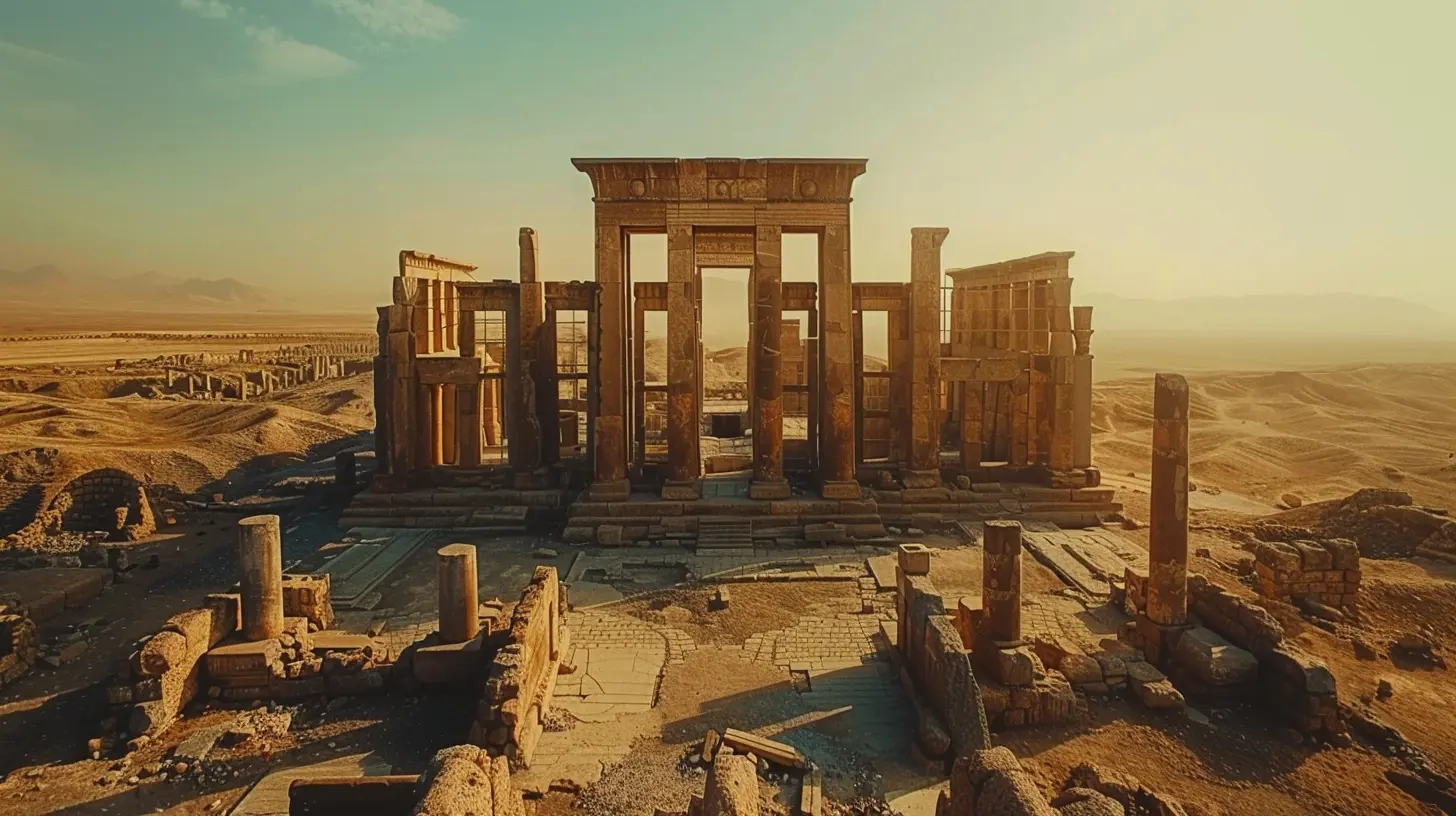
Fire and Ashes: The Fall of Glory
But not all stories have fairy-tale endings.In 330 BC, Alexander the Great came knocking—or rather, storming. The city, once the pride of Persia, fell under flame and fury. Legends say Alexander wept after realizing the beauty he had destroyed. Others say he torched it in revenge for the burning of the Acropolis by Xerxes.
Regardless of the reason, Persepolis was reduced to ruins. But oh, what magnificent ruins they are.
Layers of Meaning: What Persepolis Truly Represents
So, why should Persepolis matter to us now, in a world of skyscrapers and smartphones?Because it’s more than just a historical site. It’s a layered love letter to unity, cultural diversity, and epic ambition. The Achaemenid Empire governed through tolerance and diplomacy. That’s not just cool for ancient times—it’s mind-blowing.
Each carving on the terrace, each staircase relief, celebrates a different culture under one crown. No forced assimilation, no one-size-fits-all. Just respectful coexistence. In a world that still struggles with diversity and inclusion, Persepolis serves as a stone-hearted mentor.
A Journey Through Modern Eyes
If you’re thinking of visiting Iran, let me just say this—Persepolis should be on your bucket list. Yes, you’ll need to fly into Shiraz (a gem of a city, by the way), and yes, it’s a bit of a drive. But nothing prepares you for the moment when those ancient columns rise out of the desert, like ghosts waking up for a morning stretch.Bring your camera, sure. But leave room for silence. And maybe, just maybe, you’ll hear the echoes of a time when greatness walked beneath your feet.
Pro Tips for Visiting Persepolis
Okay, let’s switch gears for a quick second. If you're planning to see Persepolis for yourself (and really, you should), here are some bite-sized tips that'll make your trip smoother than polished limestone.- Timing matters: Visit in spring or autumn. The summer sun doesn't just shine—it scorches.
- Hire a local guide: Trust me, Persepolis is not the place to skimp on storytelling. A good guide brings the past to life.
- Shiraz base camp: Stay in Shiraz and make a day trip. The city itself is poetry in the form of gardens, wine, and roses.
- Dress respectfully: Iran has a dress code, especially for women. Long sleeves, loose pants or skirts, and a headscarf are a must.
- Water, water, water: The desert doesn’t mess around. Bring hydration.
More Than Just Stones: Persepolis in Pop Culture and Memory
Did you know that Persepolis inspired graphic novels, academic research, even musical compositions? That’s right. It’s more than a tourist spot. It’s a muse.In fact, Marjane Satrapi named her iconic autobiographical graphic novel, Persepolis, as a nod to the lost grandeur of Iranian culture—and the resilience of its people. The ancient city has become a symbol of Persian pride, a reminder that no matter how many times history tries to erase something beautiful, the soul finds a way to rise again.
Why We Still Talk About Persepolis
You might be wondering—why hasn’t Persepolis faded into obscurity like so many other ancient sites?Because it doesn’t just belong to Iran. It belongs to everyone. To anyone who ever dared to dream big. To those who believe art, governance, and humanity can co-exist.
Persepolis is what happens when people believe in legacy over ego. It didn’t just exist—it stood for something. And in a noisy world drowning in trends and tweets, that message is still crystal clear.
Wrapping It Up: A Stone Symphony of the Human Spirit
So there you have it—a poetic pilgrimage to one of the world’s most unforgettable historical landmarks. The Legacy of Persepolis isn’t buried beneath layers of dust. It's very much alive—in stories, in culture, in the lessons it carries.If those weathered stones could talk, they’d tell us this: Greatness isn’t just about conquering. It’s about building something so beautiful, so meaningful, that people thousands of years later still stand in awe and say, “Wow… they really did that.”
And you, dear reader, now carry that story too.
all images in this post were generated using AI tools
Category:
Ancient RuinsAuthor:

Pierre McKinney