The Majestic Sand Dunes of Namibia: A Photographer’s Dream
29 July 2026
Have you ever dreamed of standing at the edge of a sea of red-orange waves, frozen in time, under a sky so vast it stretches beyond infinity? If so, welcome to the majestic sand dunes of Namibia — a landscape so surreal, it could easily be mistaken for another planet. These towering giants aren’t just a playground for the adventurous; they are the ultimate playground for photographers.
Whether you’re a seasoned travel photographer or someone who just loves clicking away on your phone, this is the kind of place where every angle tells a story, every shadow adds drama, and every step takes your breath away — literally and figuratively.
So, grab your camera, pack some water, and let's dive into one of the most photogenic spots on Earth.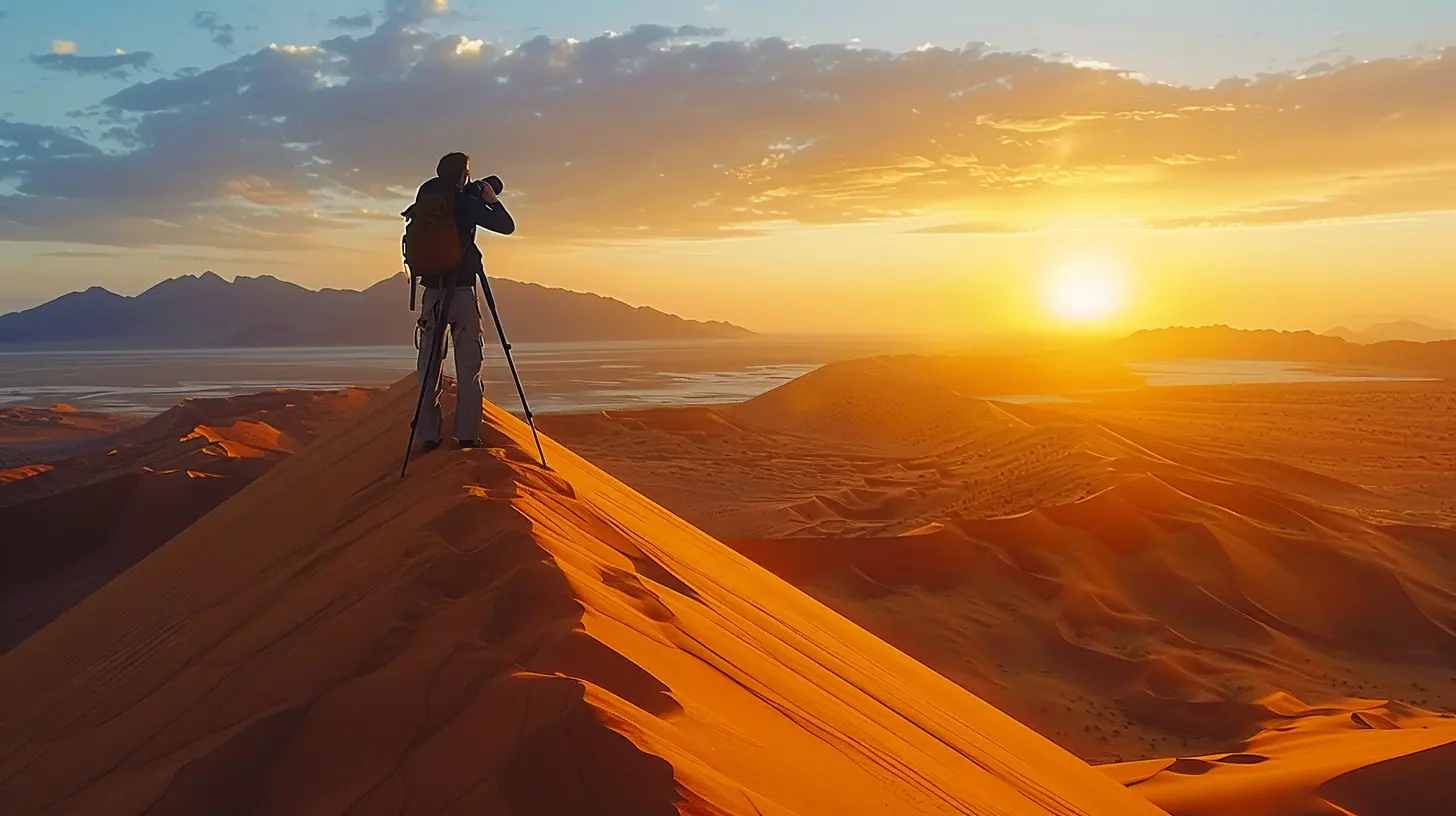
Why Namibia’s Dunes Are So Darn Special
Let’s be honest. There are sand dunes all over the world — Morocco, the Middle East, even the U.S. But Namibia? Namibia is different.Here’s why:
Ancient and Timeless
These dunes have been around for more than 5 million years. That's older than some mountains! Formed by winds sweeping in from the Atlantic Ocean, the sand collected over millennia, creating rolling red hills that glow like fire when the sun hits them just right.Vibrant Color Show
The colors of Namibia's dunes change depending on the time of day. At sunrise, the sands glow with vibrant orange and red hues, while at dusk, they cool into pastel pinks and purples. It’s nature’s own filter, and it never fails to amaze.The Way the Light Plays
Photographers rave about the natural contrast in these dunes. Because of the sharp angles and curves, shadows cast deep lines that slice through the sand like brushstrokes on a canvas. It's dramatic. It's captivating. It's basically a love letter from Mother Nature to your lens.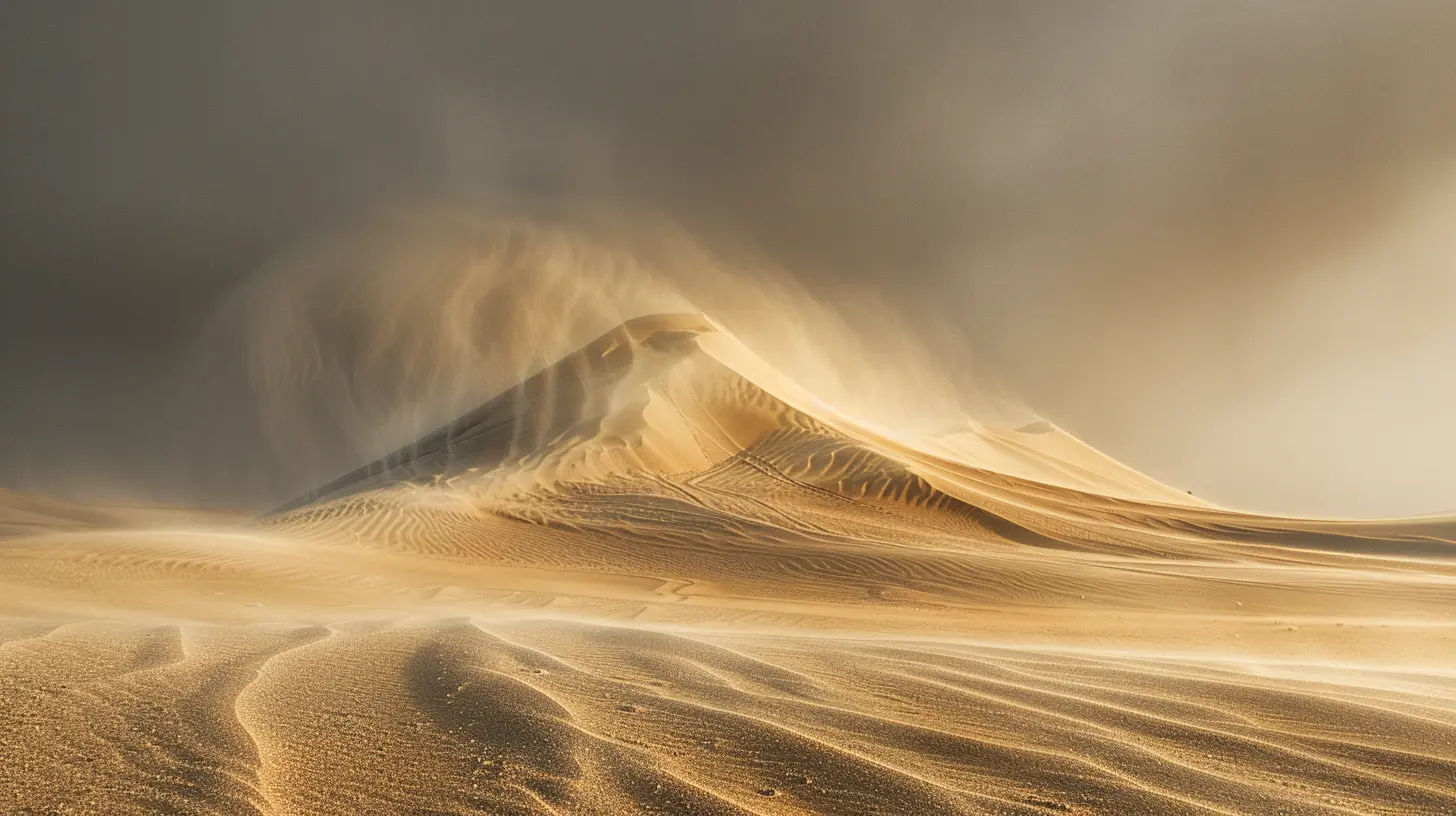
Top Spots to Capture the Magic
Alright, let’s break down the best spots to soak in all that sandy goodness — and snap some once-in-a-lifetime shots.1. Sossusvlei: The Iconic Star
If Namibia’s dunes had a Hollywood star, this would be it. Sossusvlei is the poster child of Namibian sandscapes — vast, epic, and wildly pristine.What Makes It Special?
- Dune 45: The most photographed dune in the world. It’s 170 meters tall and shaped like a perfect triangle. Hit this spot at sunrise, and watch the light dance across the sand like a symphony.- Big Daddy Dune: The tallest in the Sossusvlei area, standing at a staggering 325 meters. The climb will make your thighs cry, but the view? Totally worth it.
2. Deadvlei: Otherworldly Vibes Activated
Imagine a cracked white clay pan, dotted with the skeletons of 900-year-old trees, surrounded by blood-orange dunes. That’s Deadvlei — a name that literally means “dead marsh.”Why Photographers Love It
- Contrast Heaven: Badlands white ground, blackened trees, and vivid red dunes under a blazing blue sky. You don’t even need Photoshop here — it’s picture-perfect naturally.- Eerie Beauty: The dead trees stand like statues, frozen in time. It’s haunting, beautiful, and unlike anything else on Earth.
3. The Skeleton Coast Dunes
A bit more remote, but this coastal desert is where the sand meets the sea in dramatic fashion. The fog from the Atlantic creates a mysterious, moody vibe — perfect for those foggy, dreamy shots.Insider Tip
- Use a drone, if you’ve got one. The aerial shots of shifting dunes fading into ocean waves are beyond breathtaking.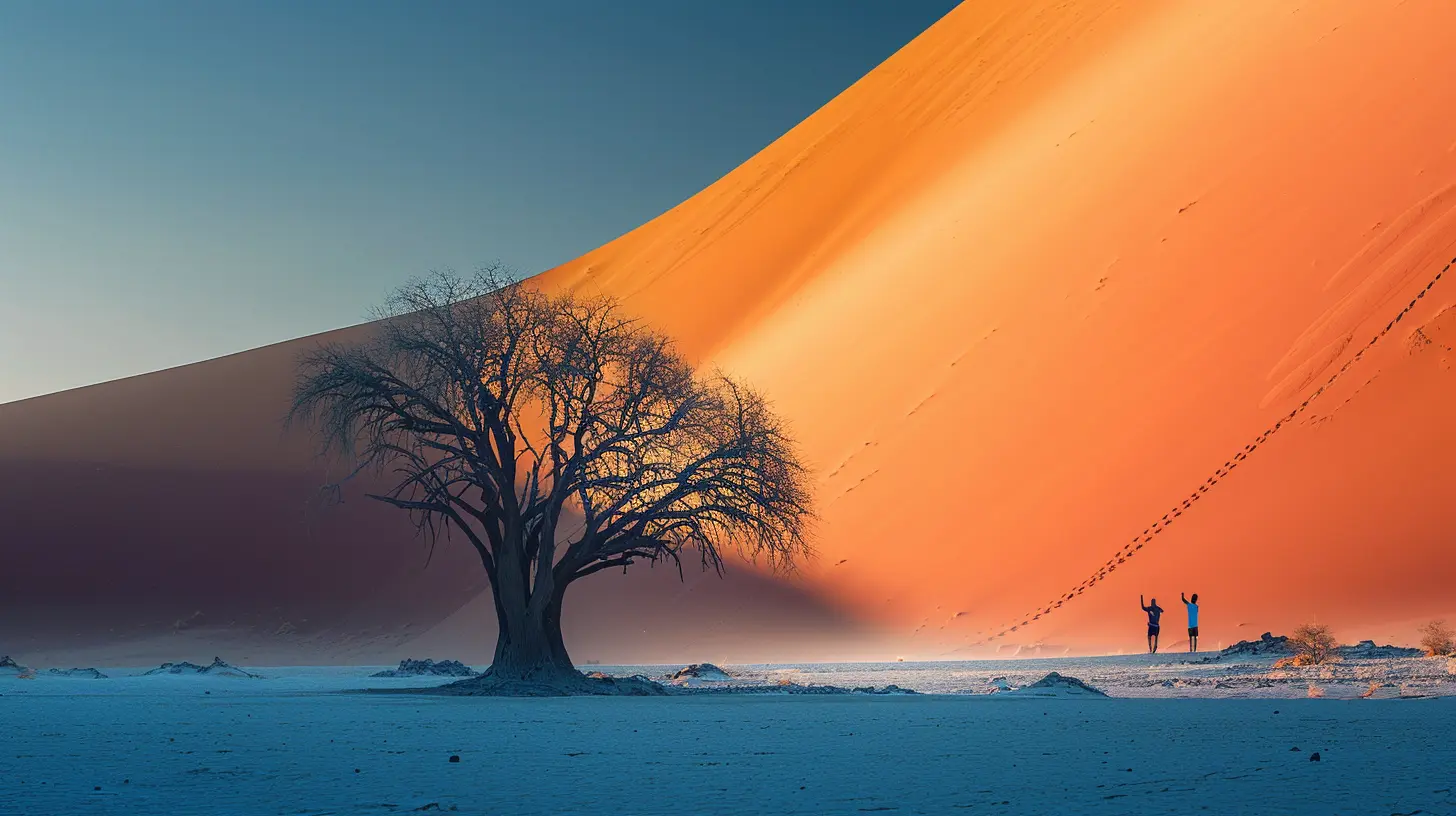
Tips for Getting Those Epic Shots
Now, you don’t need to be Annie Leibovitz or Steve McCurry to get great shots here. But a few tricks always help. Here’s how to make the most of your Namib Dune adventure:1. Timing Is Everything
Golden hour is your best friend. Shoot right after sunrise or right before sunset to capture the best light and avoid the harsh midday sun that tends to wash out colors.2. Pack Smart
- Lenses: Bring a wide-angle lens for those sweeping desert landscapes and a zoom lens to capture details like textures and shadows.- Tripod: Useful for low-light sunrise/sunset shots.
- Lens Cleaning Kit: Sand gets everywhere — and I mean everywhere.
3. Composition Tricks
- Play with leading lines — the ridges on the dunes create natural lines that draw the eye.- Use the rule of thirds to keep your composition balanced.
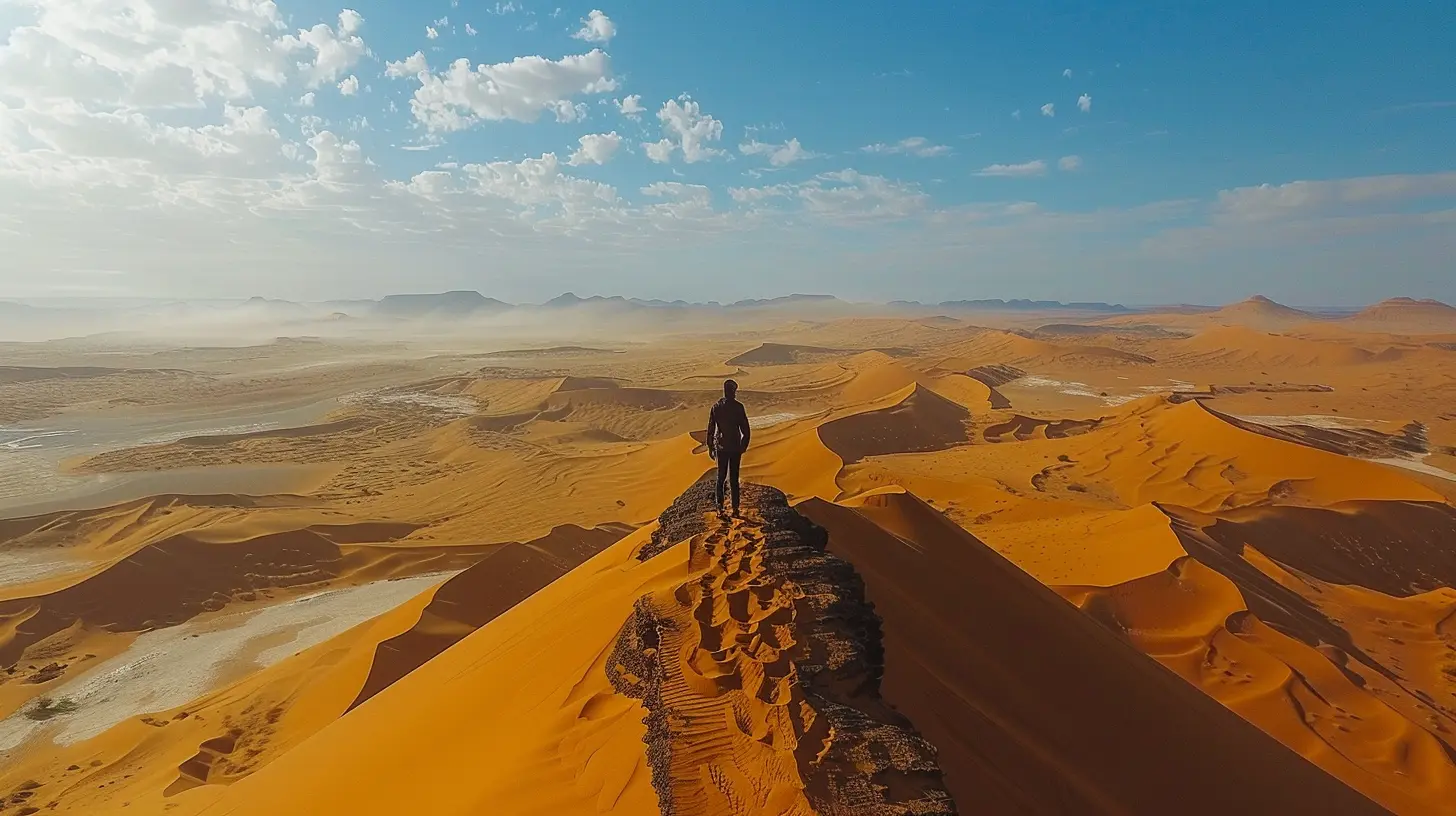
- Show scale by including a person or animal in the shot. It’ll remind viewers just how massive those dunes really are.
Beyond the Shot: Experiencing the Dunes
Okay, so you’ve taken your jaw-dropping photos. But don’t forget to just… be there. There’s something almost spiritual about standing atop a dune, feeling tiny under the endless sky, with nothing around but silence and the whisper of the wind.Breathe it in. Let it sink in. No photo can replace how it feels to be there in that moment.
When to Visit Namibia’s Dunes
The best time to visit? Between May and October. These are the cooler, drier months, which means clearer skies and more comfortable temperatures for hiking, climbing, and—you guessed it—photographing.Avoid the peak heat of summer (December to March), unless you're a lizard or immune to sunburn.
Handy Travel Tips for the Sand-Seeker
Getting There
- Fly into Windhoek, Namibia’s capital.- From there, it's about a 5-7 hour drive to Sossusvlei. You can rent a 4x4 or join a guided tour.
Where to Stay
- Luxury: &Beyond Sossusvlei Desert Lodge – dreamy desert views and stargazing pods.- Mid-Range: Desert Quiver Camp – comfy, stylish, and close to the dunes.
- Budget: Sesriem Campsite – right at the park entrance and perfect for early access.
What to Pack
- Sunscreen (seriously, don’t forget it)- Light but long-sleeved clothes (for sun and sand protection)
- A good hat and sunglasses
- Plenty of water (you'll need it, trust me)
Photography Ethics in the Dunes
Let’s keep this paradise pristine, yeah?- Stick to marked paths or dune trails.
- Don’t climb where you shouldn’t — it causes erosion.
- Respect the landscape. Leave no trace. Take only photos, leave only footprints (and even those, preferably minimal).
Final Thoughts: Let Your Lens Tell the Story
The majestic sand dunes of Namibia aren’t just a sight. They’re a feeling. They’re the kind of place that makes your heart race a little faster, your breath catch in your chest, and your shutter finger twitch with anticipation.Whether you’re gazing through a viewfinder or standing in awe, these dunes hold magic — ancient, silent, and utterly unforgettable. And the best part? Every photo you take here becomes more than just a pretty picture on a screen. It becomes a story, a memory, a moment frozen in time.
So go ahead. Get lost in the sands. The dunes are waiting.
all images in this post were generated using AI tools
Category:
Desert AdventuresAuthor:

Pierre McKinney