The World’s Oldest Temple Complex: Göbekli Tepe
9 July 2026
Alright, history buffs, travel junkies, and curious minds—buckle up, because we’re about to time-travel way (and I mean wayy) back into the ancient unknown. Hidden beneath the dusty layers of modern-day Turkey lies a mysterious site that’s flipping everything we thought we knew about human history on its head. Say hello to Göbekli Tepe—the world’s oldest temple complex and arguably the coolest archaeological enigma you’ve probably never heard of.
Let’s dig in. Pun absolutely intended.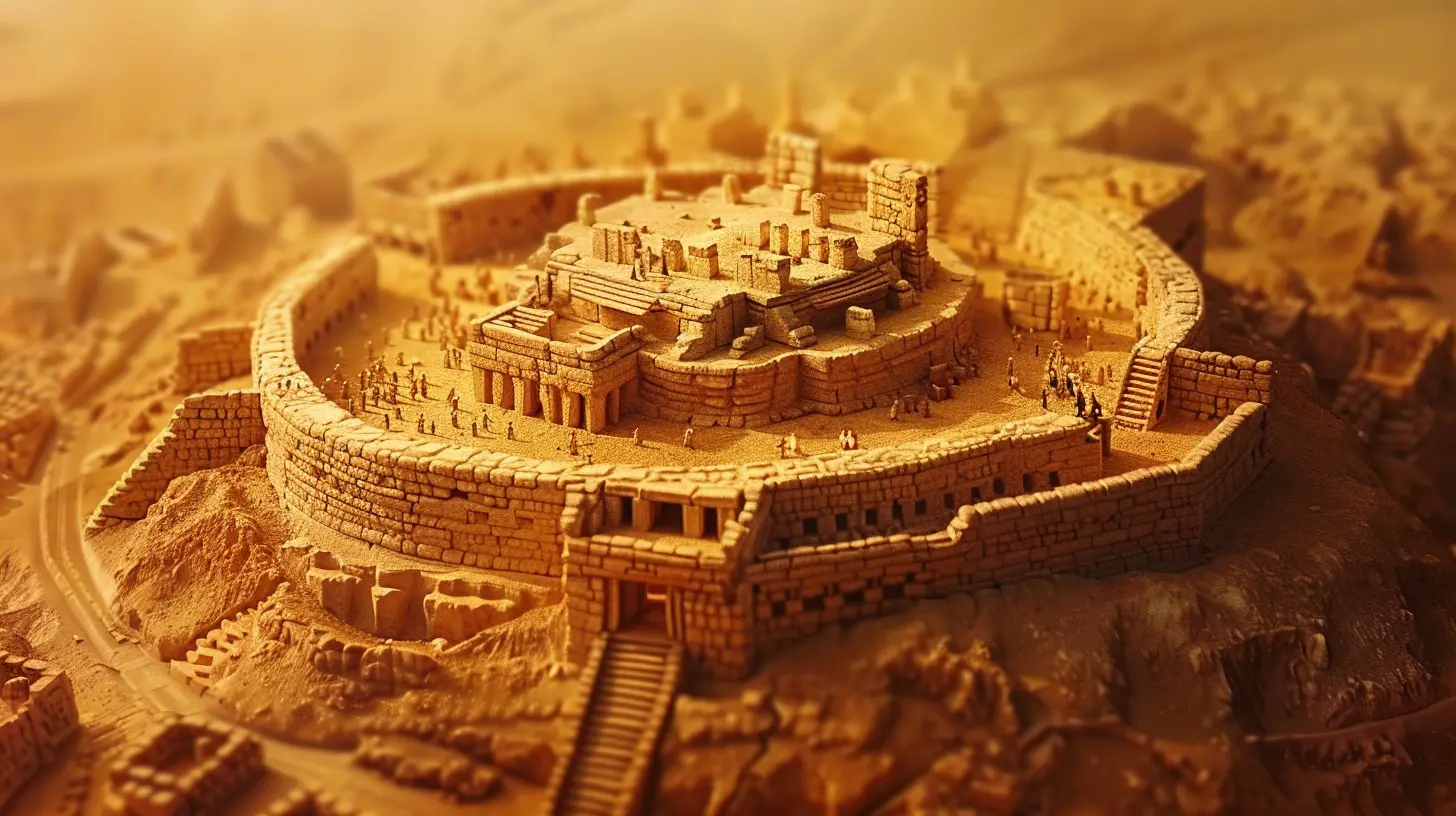
Wait, What Is Göbekli Tepe?
So, picture this: It’s around 9600 BCE. That’s over 11,000 years ago—before the Egyptians built pyramids, even before people thought growing crops was a good idea. Humans back then were still hunters and gatherers, more concerned with spearing wild goats than planning any sort of home decor.And yet... someone decided to carve massive limestone pillars, arrange them into circles, and build a mega-stone spiritual complex. Yep. Göbekli Tepe is not just some random pile of old rocks—it’s an intentional, organized, ritualistic space that dates back to the Stone Age. It's a prehistoric mic-drop.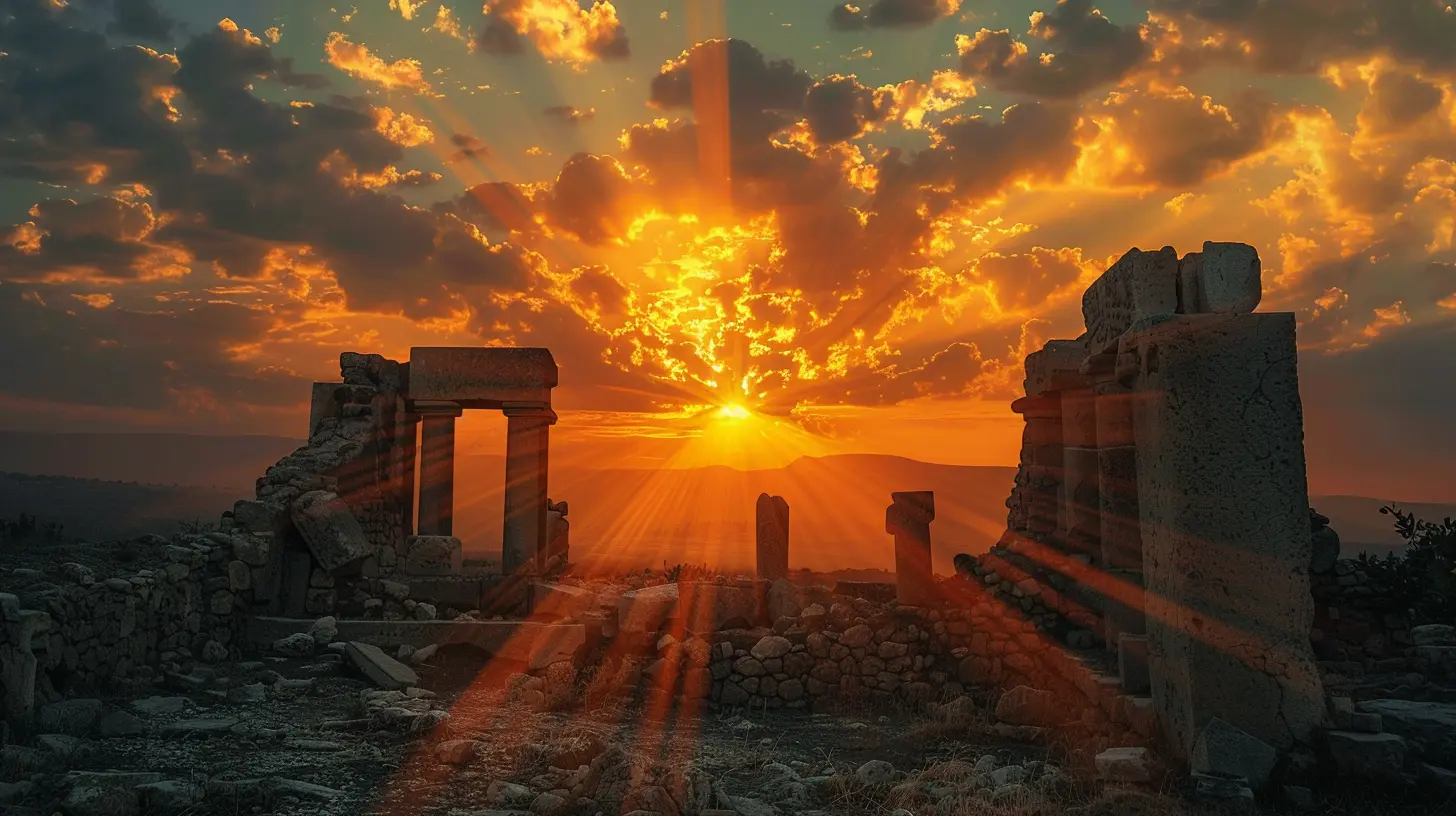
Location, Location, Location!
Göbekli Tepe is tucked away in southeastern Turkey, just outside the city of Şanlıurfa, near the Syrian border. Not exactly your typical beach vacation spot, but if you’ve got a thirst for history, this place is gold.The site sits on a gently sloping hill—hence the name, which translates to “Potbelly Hill.” Kinda cute, right? From the top, you can get a panoramic view of the surrounding landscape. Back in the day, this would’ve been prime real estate for early communities. I mean, if you’re gonna build humanity’s first temple, might as well pick a spot with a view.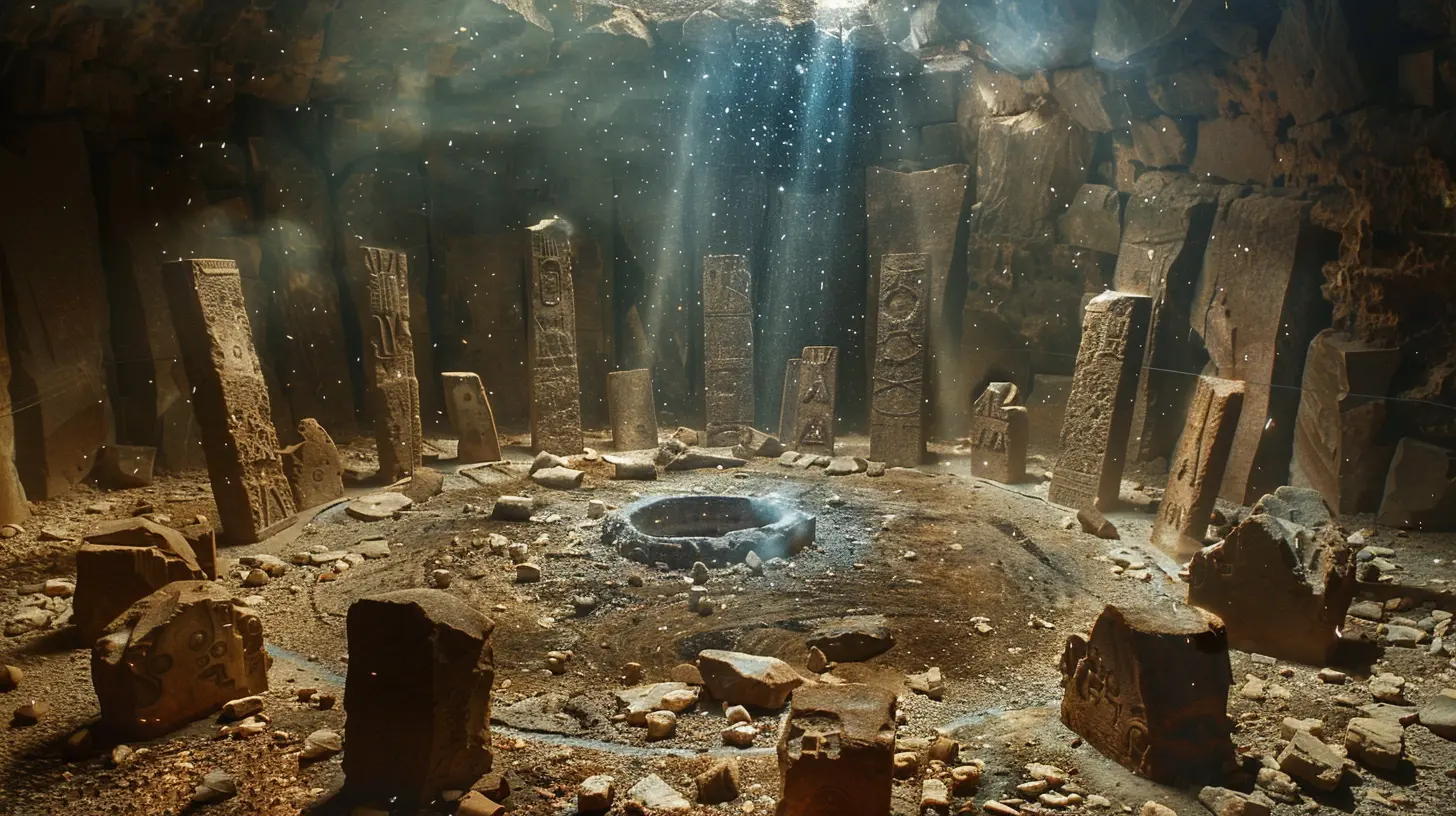
So How Old Are We Talkin'? ?️
Let’s throw around some numbers that’ll make your brain do somersaults.- Göbekli Tepe is estimated to be around 11,600 years old.
- That means it predates Stonehenge by about 6,000 years.
- It’s older than the wheel, writing, and agriculture.
Still think we’re the smartest generation? Think again. The people behind Göbekli Tepe were using tools of stone to create a structure that’s still standing (well, partially) today. That's like building a skyscraper with Legos and vines.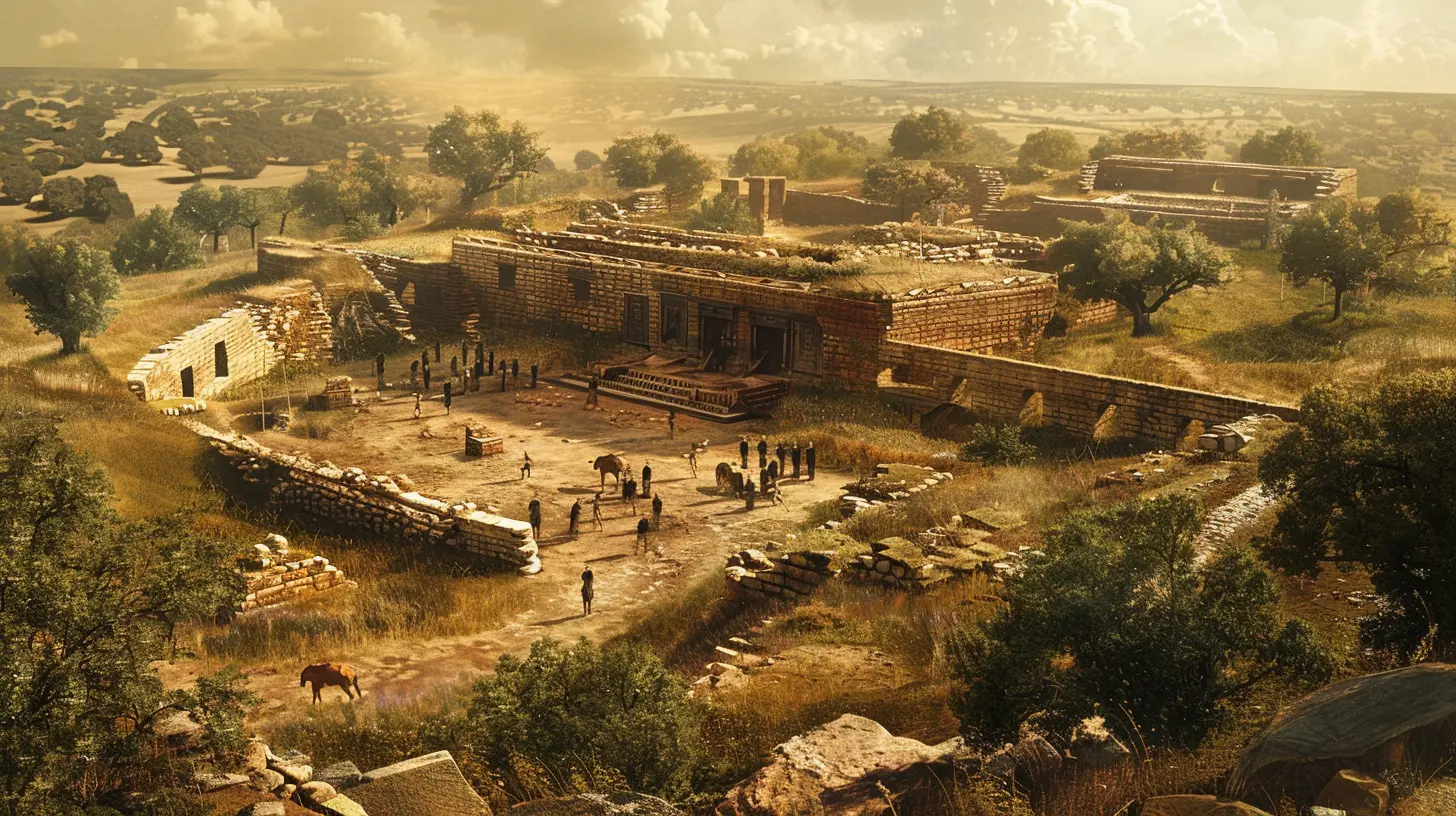
What’s Actually There?
Alright, let's get into the juicy details. What makes Göbekli Tepe so insanely special?Massive T-Shaped Pillars
These aren’t your average backyard garden stones. We’re talking huge monolithic pillars—some over 16 feet tall and weighing up to 20 tons. They’re arranged in circular formations, a setup that screams ritual or spiritual gathering.Intricate Carvings
If these ancient folks had Instagram, you'd better believe they’d be influencers. The pillars are adorned with elaborate carvings of animals—snakes, foxes, boars, birds, and mysterious abstract symbols.No humans. Just animals. Weird, right? Maybe it was a form of totemism? Maybe a giant prehistoric zoo invitation? No one knows for sure, and that’s what makes it so juicy.
Multiple Layers of History
Archaeologists have only scratched the surface—literally. The site has several buried layers, each older than the one on top. Some experts think there could be 20+ circles beneath the earth, and less than 10% of the site has been fully excavated. That’s like reading the prologue of a book and knowing it's a bestseller.Why Was It Buried?
Now here's the kicker: Göbekli Tepe wasn’t destroyed by natural disasters or enemy invasion. Nope. It was intentionally buried.Yes, you read that right. Around 8,000 BCE, these ancient people went to the trouble of filling in their sacred site with tons and tons of dirt and rubble. Why? Nobody really knows. Was it abandoned? Revered? Considered sacred and never to be touched again?
The fact that it was buried, though, is actually what preserved it so well. We owe that ancient cleanup crew a big thank you.
Who Built It?
Let’s give a virtual shoutout to the unsung heroes behind Göbekli Tepe—the Neolithic hunter-gatherers.These people didn’t have permanent homes, domesticated animals (except maybe dogs), or any written language. Yet somehow, they got together, rolled up their metaphorical sleeves, and built what can only be described as mankind’s first architectural marvel.
Talk about teamwork.
And here’s a brain-bender: This might suggest that religion and ritual might have come before villages and farming. Not the other way around. A total plot twist in the history of civilization.
Theories and Wild Speculations ?
Because Göbekli Tepe is so mysterious, it’s attracted all kinds of theories—from the academic to the downright bizarre.- Spiritual Center: Most agree it was a ritualistic site. The symmetry, the symbols—everything points toward some kind of religious or communal purpose.
- Calendar or Observatory: Some believe the layout lines up with celestial bodies. Could it have been an ancient observatory? Possibly.
- Extraterrestrial Handiwork: Yep, the aliens theory has entered the chat. Some folks swear it’s too advanced for Stone Age humans. Cue the “Ancient Aliens” soundtrack.
- Portal to Other Worlds: Others suggest it was a spiritual vortex. Hey, we’re not saying it was aliens, but…
Can You Visit Göbekli Tepe?
Heck yes, you can!Turkey has done a pretty amazing job at opening up Göbekli Tepe to the public. There’s a protective dome over the main site to shield it from the elements, and walkways make it easy for visitors to get up close and personal without damaging the stones.
You can also check out the Göbekli Tepe Archaeological Museum in Şanlıurfa, which houses replicas, tools, and all sorts of fascinating info. Be warned: once you go down the Göbekli rabbit hole, you might never come back.
Pro Tips for Visiting
Planning to see it for yourself? Here are some handy tips:- Best Time to Go: Spring and fall. Summers are HOT, and winters can be chilly and rainy.
- Wear Comfy Shoes: You’ll do some walking. The site is set on a hill, remember?
- Hire a Local Guide: There are so many layers—literally and metaphorically—that having someone explain it all makes the experience 10x better.
- Bring Curiosity: You’re walking through a place that pre-dates written language. Let that sink in.
Göbekli vs. Stonehenge: Who Wins?
Okay, we’re not here to start a fight, but if there were a deathmatch of ancient megaliths, Göbekli Tepe would throw the first (and heaviest) stone.Yes, Stonehenge is majestic, and yes, it's older than the pyramids. But Göbekli Tepe existed thousands of years earlier and was built by people who technically shouldn't have been capable of pulling off such a feat.
It’s like discovering your great-great-grandparents coded a video game on a typewriter. Impossible? Apparently not.
Why It Matters
You might be wondering—what’s the big deal about old rocks, really?Here’s why Göbekli Tepe matters:
- It redefines the timeline of civilization.
- It shows us that ancient humans were way more sophisticated than we gave them credit for.
- It challenges everything we thought we knew about religion, community, and innovation.
- And it reminds us that history still holds secrets we haven’t uncovered—like hidden levels in the game of humanity.
Final Thoughts: Time to Rethink Everything?
Göbekli Tepe is like that twist at the end of a movie that makes you reevaluate everything you just watched. It’s not just an archaeological site—it’s a storytelling revolution. A glimpse into a past that's shrouded in just enough mystery to keep you hooked.So next time you’re sipping your oat milk latte and scrolling through memes, just remember: 11,600 years ago, someone decided to move a 20-ton pillar into the middle of the Turkish wilderness—and they didn’t even have Wi-Fi.
Now that’s legendary.
all images in this post were generated using AI tools
Category:
Ancient RuinsAuthor:

Pierre McKinney