Trail Running in Mountain Terrain: Tips and Tricks for Speedy Ascents
20 March 2026
Ah, trail running in the mountains—where the air is thin and so is your will to live halfway up a steep incline.
But let’s be real, there’s something wildly addictive about lacing up your shoes, loading up on snacks you’ll probably inhale before mile two, and charging up rugged trails like a caffeinated goat. If you're chasing that next-level cardio, a scenic view, or just bragging rights for crushing elevation on the ‘Gram, mountain trail running might just be your thing.
In this gloriously gritty guide, we’re diving (uphill?) into the best tips, tricks, and a few hacks to make your mountain ascents less like a death march and more like a victorious, sweat-soaked dance with nature.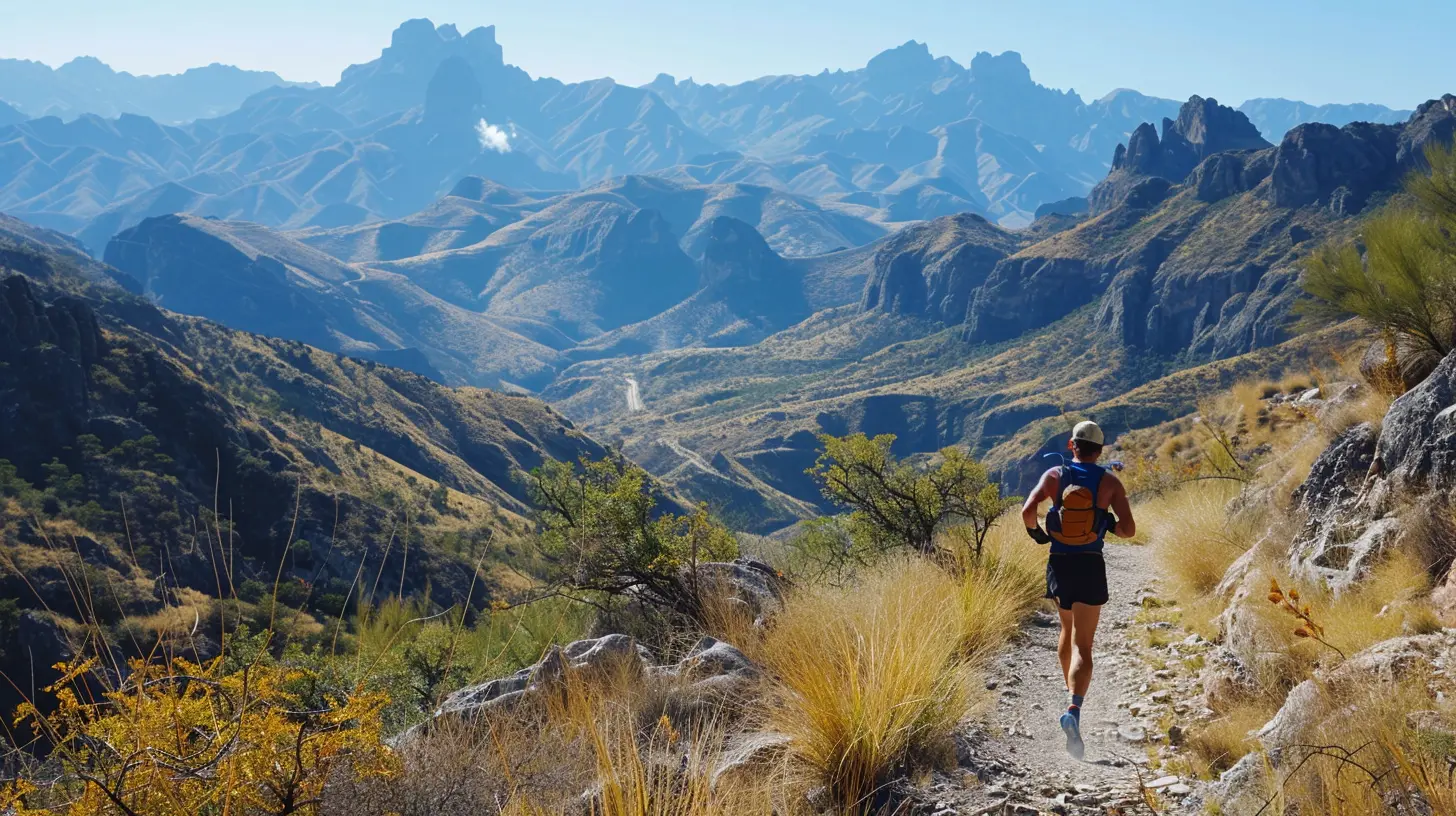
Why Trail Running in Mountain Terrain Is a Whole Different Beast
First things first: mountain trail running is not your neighborhood jog past the local Starbucks.Imagine traditional running got a wild upgrade with more rocks, steeper inclines, surprise weather, and the constant possibility of seeing a mountain goat judging your form. It’s part sport, part survival, and all about the challenge.
So, what sets it apart? Let’s break it down:
- Elevation gain: Your thighs will scream, and your lungs will sing the song of their people.
- Technical terrain: Roots, rocks, loose gravel, and the occasional mud slick. It’s like American Ninja Warrior… but make it nature.
- Unpredictable weather: One minute sunshine, the next? Blizzard. Pack a jacket. Or two.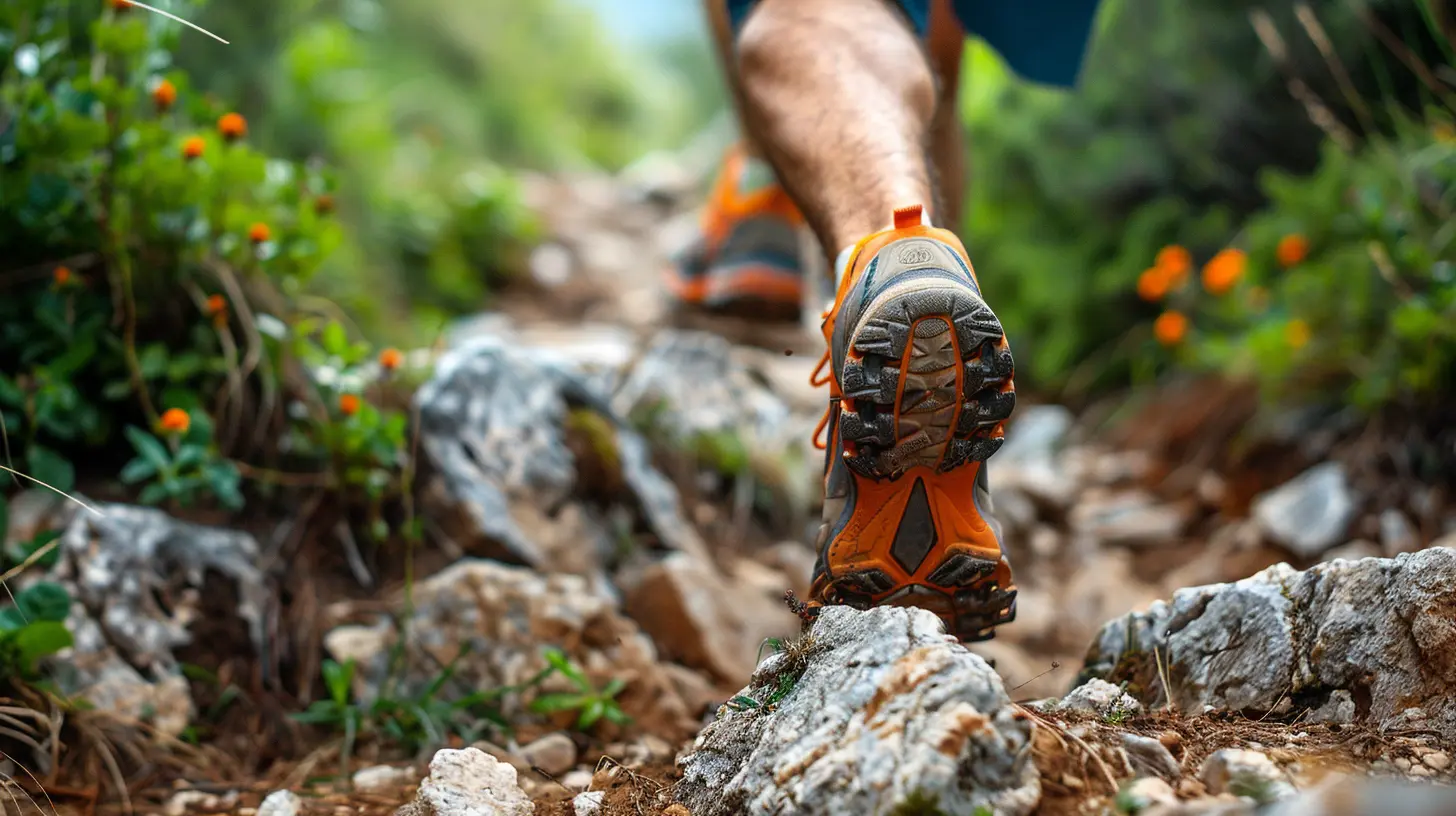
The Golden Rule: Hike the Hills, Run the Flats and Downs
Let’s get one thing straight: no one runs up every hill. Not even that chiseled ultra-runner you saw on YouTube.Hiking steep climbs—power hiking, if you wanna sound fancy—is a legit strategy. It conserves energy, saves your quads, and honestly, gives you a great excuse to admire the views without collapsing.
If you’re gasping like a fish outta water and your pace resembles that of a crawling toddler, congratulations—you’ve entered the hike zone.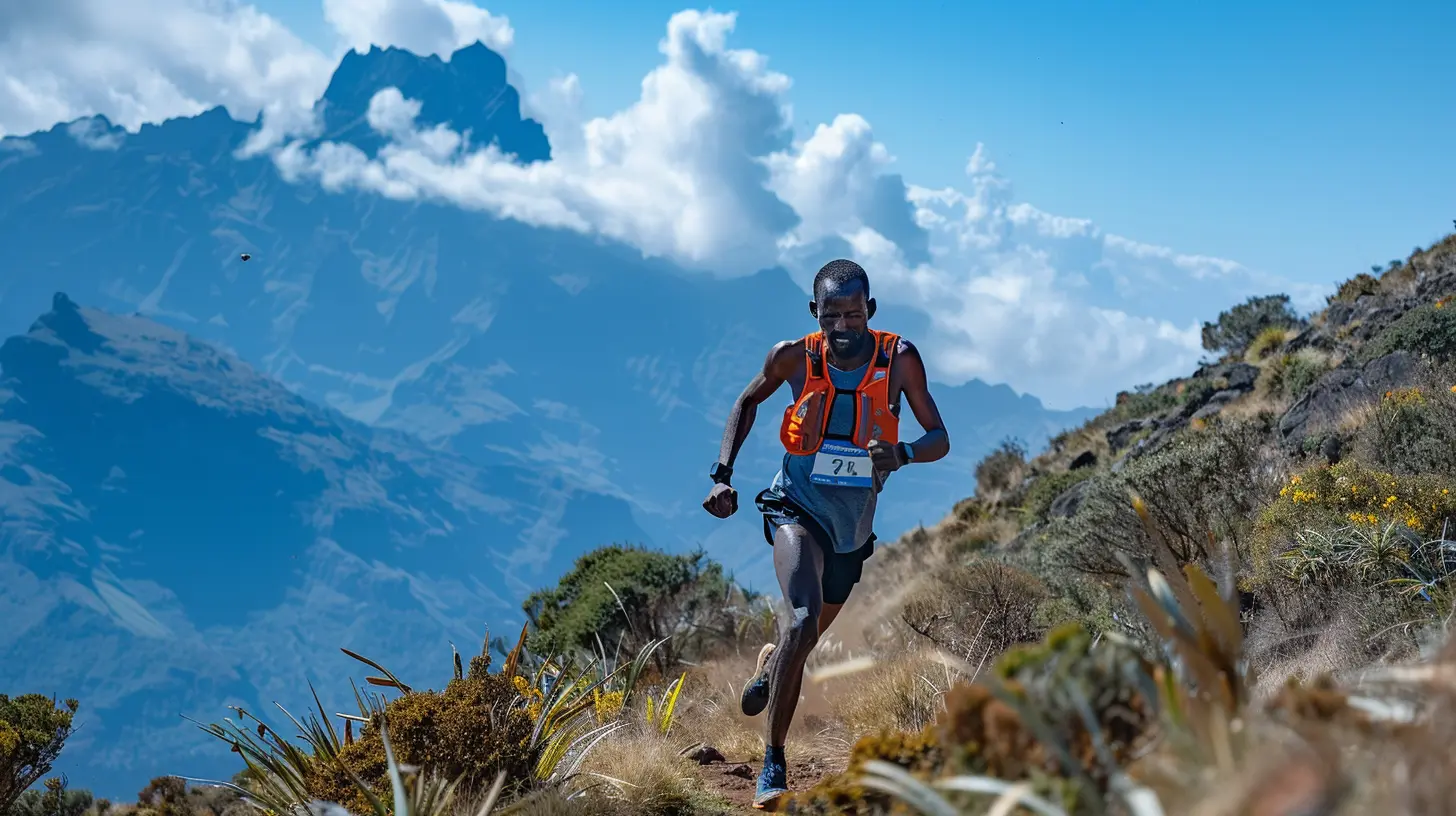
Tip #1: Shorten Your Stride, Especially When Climbing
When the trail tilts up and your legs cry mutiny, do this: chop your stride.Think “baby steps,” not “leap over lava.” Short strides keep your momentum steady and reduce the strain on your hip flexors and hamstrings. Bonus? You’ll avoid that awkward slipping-backwards shuffle that haunts every newbie's uphill dreams.
It’s a bit like going up stairs two at a time at first and then realizing, “Nope. One at a time is just fine.”
Tip #2: Lean Into the Hill (But Gently, You’re Not Cuddling It)
Don’t fight gravity—lean into it. And no, we don't mean faceplanting into a boulder.When ascending, a slight forward lean from the ankles (not the waist) helps with balance and keeps your center of gravity where it should be: over your feet, not somewhere in Neverland.
Too much lean and your lungs get squashed—too little and you’re working harder than you need to. Goldilocks that posture, my friend.
Tip #3: Use Those Arms Like a Human Metronome
Arms aren't just awkward appendages flailing by your sides—they’re your built-in turbo boost, especially on ascents.Pump them in rhythm with your legs. Elbows bent, fists relaxed (no need to punch the air, Rocky), and drive them back to push yourself forward. Imagine you’re propelling yourself up like a choo-choo train on a mission.
Better yet? Some runners even use trekking poles for steeper climbs. Think of them as trail cheat codes, giving your legs a break and your upper body a job.
Tip #4: Build That Engine (Cardio + Strength = Mountain Legs)
Sure, trail running builds endurance—but to conquer mountains, you need more than a decent 5K time and a playlist that slaps.Here’s what to focus on:
- Hill repeats: Jog or hike up a steep hill, then recover on the way down. Repeat until you question your life choices.
- Strength training: Squats, lunges, calf raises, core work. Think of your legs as the engine and your core as the steering wheel—both need tuning.
- Long, slow runs: Endurance is king. The more time on your feet, the more “ultra” you become.
And don’t skip rest days! Your muscles grow and recover when you’re horizontal on the couch with a burrito. True story.
Tip #5: Think Like a Goat (And Watch Your Footing)
Goats don’t slip and fall. They float over jagged rocks like divas on a red carpet.Channel your inner mountain goat. Be light on your feet. Look ahead, not at your toes. Pick lines with stable footing, and when it's slippery? Shorten your steps even more and stay low to the ground like a ninja about to pounce.
If you do trip—because honestly, we all do—just make it look graceful. Bonus points if you roll into a yoga pose and pretend you meant to do it.
Tip #6: Eat Like You’re Fueling a Rocket
Climbing burns calories faster than a toddler burns through patience.So eat. Often. And not just bananas and hopes.
- Before the run: Carb up. Think oatmeal, toast, fruit. Steer clear of mystery meat.
- During the run: Gels, chews, trail mix, peanut butter sandwiches—whatever doesn’t upset your stomach and gives you a calorie boost.
- After the run: Protein + carbs = recovery magic. And yes, a cold beer counts as carbs.
Pro tip: always bring more snacks than you think you’ll need. Worst-case scenario, you make forest creatures jealous.
Tip #7: Acclimate to Altitude (Slowly, unless you enjoy headaches)
Ah, altitude—where every breath feels like half a breath and your body throws a mild tantrum.If you’re new to running above 5,000 feet, take it slow. Give your body a few days to adjust. Hydrate like your life depends on it (because, y’know, it kind of does), and dial back your effort.
Don’t try to hammer out a PR at 10,000 feet on day one unless you want a front-row seat to Nausea-ville.
Tip #8: Embrace the Suck (Because It's Worth It)
Let’s be honest—there will be moments when trail running in the mountains feels like a terrible decision. Like when your calves are burning, your lungs are wheezing, and the summit is still a speck in the distance.That’s when you embrace the suck.
Because at the top? The views, the sense of achievement, and the freedom of flying downhill like a superhero—it’s all worth it.
Plus, your social media followers will think you’re part mountain warrior, part motivational guru. Win-win.
Quick Gear Checklist (Because Naked Trail Running Is Frowned Upon)
You don’t need to drop a paycheck at REI, but a few basics go a long way:- Trail running shoes: Grippy outsole, reinforced toes, and breathable.
- Running vest: Holds water, snacks, phone, mini-sunscreen, and your dignity.
- Hydration system: Bladder or bottles—whatever keeps you sipping.
- Lightweight jacket: Weather can turn faster than your mood on mile 7.
- Trail map or GPS: Getting lost = unplanned ultramarathon.
Optional but awesome: Buffs, sunglasses, trekking poles, and a cowbell (for morale).
Bonus Tricks for Trail Running Glory
It wouldn’t be a guide without some sneaky pro-level tricks. Take notes:- Start slow: The mountain doesn’t care about your ego. Pace yourself.
- Break it into chunks: Mentally divide the run into manageable segments. Climb. Snack. Repeat.
- Use the terrain: Use switchbacks to your advantage. Zigzag if needed—it’s not cheating; it’s strategy.
- Get comfy with discomfort: Running uphill is never easy, but it’s always satisfying.
The Downhill Reward (But Watch Those Knees)
After all that climbing, the descent is your reward. Well… sort of.Running downhill is fun, fast, and a smidge terrifying. Here’s how not to eat dirt:
- Stay light on your feet
- Don’t lean too far back (braking hard = sore quads)
- Let gravity help, but don’t go full kamikaze
- Engage your core for stability
- Pick your line ahead of time
Basically, descend like you’re dancing—confident, flexible, and maybe a little wild.
Final Thoughts: You Got This
Trail running in mountain terrain isn’t just a sport—it’s a journey. One that includes stunning views, epic climbs, minor stumbles, and major wins. It challenges your body, humbles your ego, and fills your soul.So, whether you’re running up your first local ridge or training for a mountain ultra, remember this: you’re tougher than the trail. And if not, there’s always snacks at the top.
Now, go chase that summit, runner. Your mountain adventure is waiting.
all images in this post were generated using AI tools
Category:
Mountain AdventuresAuthor:

Pierre McKinney
Discussion
rate this article
2 comments
Juliana Larsen
Sure, because who doesn’t love gasping for breath while sprinting uphill? Just remember: if you’re not sweating, are you even trail running? Enjoy the struggles!
April 15, 2026 at 3:10 PM
Pierre McKinney
Haha, true! Embracing the struggle is part of the adventure. Thanks for the reminder to enjoy every breathless moment!
Arden Hardy
What a fantastic guide! Your tips for trail running in mountain terrain are not only helpful but inspiring. I'm eager to hit the trails and embrace the wild beauty of nature. Thank you!
March 28, 2026 at 3:50 PM
Pierre McKinney
Thank you so much! I'm thrilled to hear you found the tips inspiring. Enjoy your adventures on the trails!