Traveling with Disabilities: How Airlines Are Improving Accessibility
31 December 2025
Traveling can be one of the most exciting experiences in life. It opens your eyes, introduces you to new cultures, and fills your soul with stories. But let’s face it — if you’re someone living with a disability, that journey often comes with a few extra hurdles. Airports, airplanes, and everything in between can be more complicated than they should be.
The good news? Airlines around the globe are starting to wake up. They’re finally recognizing that accessibility shouldn’t be an afterthought — it should be woven into the flying experience from start to finish. More and more carriers are taking steps to ensure that passengers with disabilities can travel with confidence, dignity, and comfort.
So, what exactly are these improvements? Let’s buckle in and take a closer look!
Why Accessibility in Air Travel Matters
Before we dive into the nitty-gritty, let’s pause for a second. Imagine planning a trip and realizing that you can’t board the plane independently, or worse — your wheelchair gets damaged during transit. Sounds stressful, right?This is the reality for many travelers with disabilities. But here's the thing — people with disabilities make up roughly 15% of the global population. That’s over a billion people! Accessibility isn't just a “nice to have.” It’s essential.
When airlines invest in making their services more inclusive, they’re tapping into a huge group of potential adventurers. More importantly, they’re sending a message: everyone has the right to travel.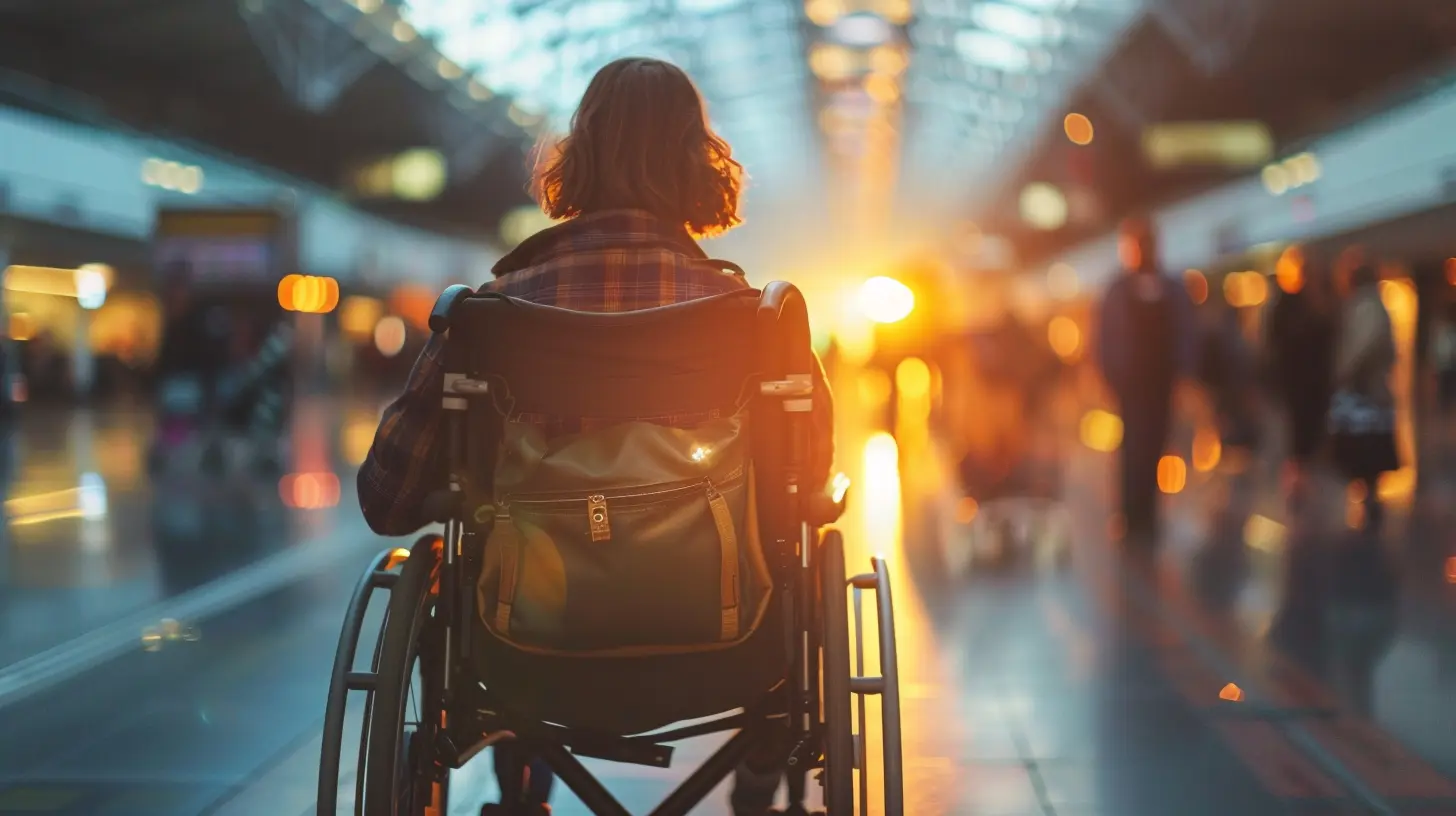
A Shift in the Skies: Airlines Are Responding
So, what's changing? A lot, actually. From tech updates to staff training and new onboard features — the aviation industry is slowly but surely undergoing an accessibility transformation. Let’s break it down.1. Better Staff Training
Ever had a flight attendant fumble through assisting a passenger with a disability? It’s awkward for everyone involved. That’s why better staff training is one of the first steps airlines are taking.Now, many airlines are rolling out mandatory disability awareness programs. These trainings help crew members:
- Communicate respectfully,
- Understand various types of disabilities (physical, sensory, cognitive),
- Handle assistive devices properly,
- Provide physical assistance safely.
Think of it as leveling-up their hospitality game — not just serving drinks, but serving humanity.
2. Smarter Booking Systems
Accessibility starts long before you step onto a plane. Airlines are starting to update their websites and apps to make booking easier for everyone.Passengers can now:
- Pre-arrange assistance,
- Notify the airline about mobility devices or service animals,
- Choose seats that cater to specific needs (like extra legroom for prosthetics or close to the restroom).
And some airlines even offer live chat support with accessibility specialists. It’s about putting control back in the hands of the traveler.
3. Wheelchair-Friendly Aircraft Design
This is where things get interesting. You know how cramped airplane aisles are? For wheelchair users, they’re practically impassable. Enter the aisle wheelchair — a slimmer, on-board chair designed to help passengers move about the cabin.But there’s more.
New aircraft designs are now including:
- Accessible lavatories with grab bars and extra space,
- Movable armrests on aisle seats for easier transfers,
- Cabin layouts that can accommodate wheelchairs in designated storage areas.
Some engineers are even working on in-cabin wheelchair docking solutions. The idea? Allow passengers to stay in their own powered wheelchairs during the flight — finally!
4. Priority Boarding and Seamless Check-In
Waiting in long lines is frustrating for anyone. But for someone with a disability, it can be painful or even unsafe. That’s why many airlines are offering priority boarding and dedicated check-in counters for passengers with accessibility needs.This helps ease stress and allows travelers to board at their own pace — no shoving, no rushing, and no feeling like you’re in someone’s way.
5. Improved Handling of Mobility Equipment
Let’s talk about a big issue: wheelchairs getting broken or lost during transit. That's not just inconvenient — it can be life-altering.Thankfully, airlines are making efforts to handle mobility equipment with greater care:
- Implementing specialized handling protocols,
- Storing wheelchairs in the cabin when possible,
- Training ground staff on how to disassemble and reassemble devices correctly.
Some carriers even assign a mobility equipment specialist to oversee high-value assistive gear. That’s peace of mind in action.
6. Communication Tools for Passengers with Sensory Disabilities
For travelers who are deaf, hard of hearing, blind, or low vision, communication during a flight can be a real challenge.To bridge the gap, airlines are:
- Offering onboard safety videos with sign language and captions,
- Installing Braille safety cards,
- Training staff to use basic sign language or devices like speech-to-text tablets.
Even apps play a role here. Some apps now provide real-time gate change alerts and boarding announcements in accessible formats.
7. Collaboration with Advocacy Groups
One thing that’s heartening to see? Airlines aren't just guessing what travelers need — they're asking. By working with disability rights advocates and organizations, airlines are co-designing experiences based on real-life needs.Groups like the Open Doors Organization, Paralyzed Veterans of America, and others have helped shape policies and practices that are actually useful — not just for show.
8. Legislation and Accountability
Don’t underestimate the power of policy. In countries like the U.S. and members of the EU, air travel accessibility is backed by legislation. The Air Carrier Access Act (ACAA) in the U.S., for example, prohibits discrimination based on disability in air travel.That means passengers have rights. If something goes wrong, there’s a process. And if enough complaints come in, airlines are pushed to do better.
Additionally, regulatory bodies are now considering new rules, like mandating accessible planes on certain routes and penalizing mishandling of wheelchairs.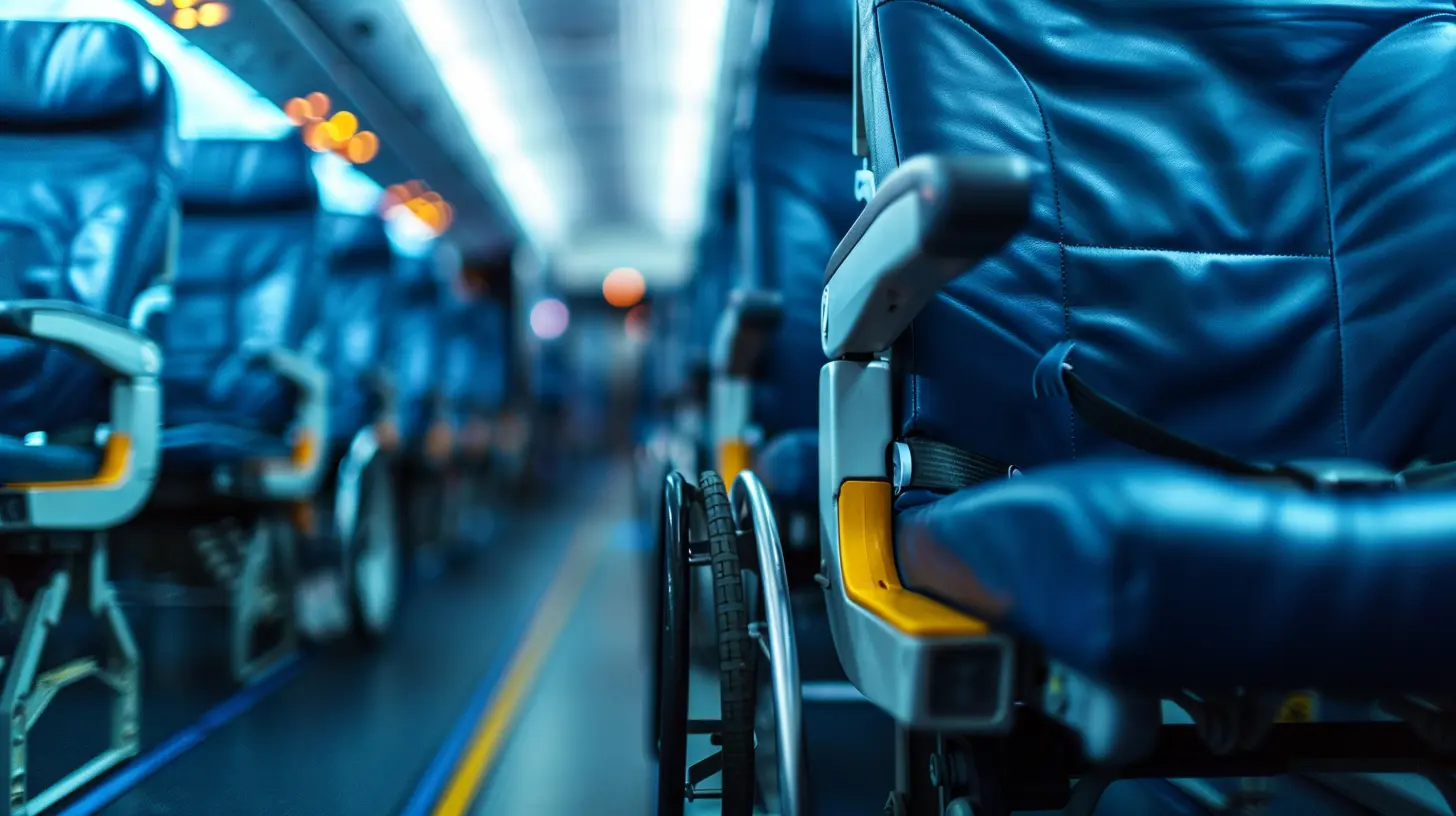
Real-Life Stories: Travelers Speak Out
Behind every airline’s press release is a real person navigating terminals, boarding flights, and making memories.One traveler, John, who uses a power wheelchair, shared:
"I was terrified to fly for years. But when I finally did, the airline staff treated me like a VIP. They knew how to handle my chair, helped me board, and even checked in on me during the flight. I felt seen and respected."
That’s the kind of experience that turns one-time flyers into loyal customers.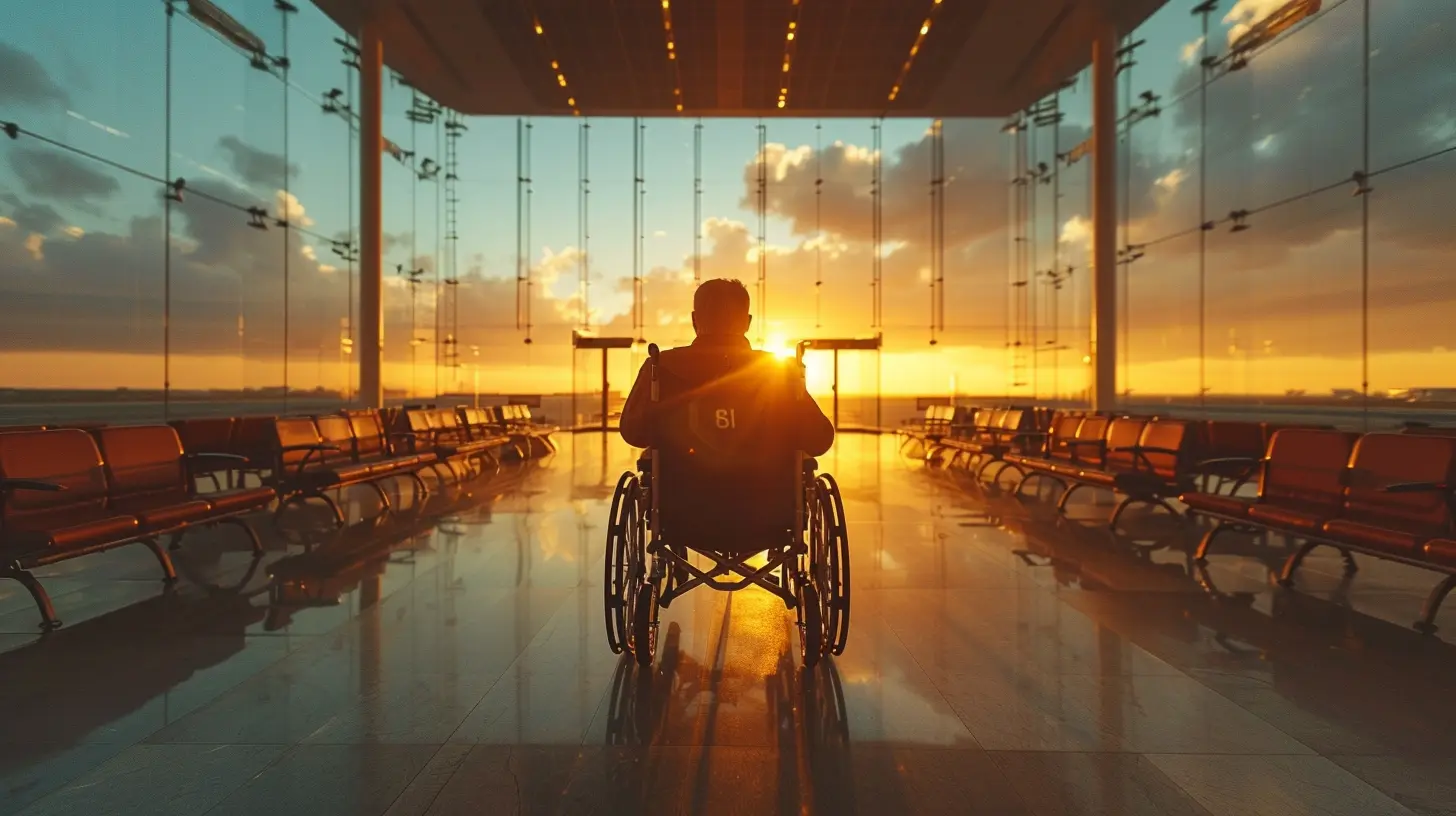
What You Can Do as a Traveler with a Disability
If you’re planning a trip, here are a few pro tips to make the journey smoother:- Research the airline’s accessibility policies. Not all carriers are created equal.
- Call ahead. Let the airline know what assistance you’ll need.
- Label your equipment clearly. This helps reduce the risk of damage or loss.
- Bring backups. Chargers, batteries, medications — pack extras if you can.
- Know your rights. Keep a copy of the Air Carrier Access Act or local policies.
And don’t be afraid to speak up. Feedback helps airlines improve, and your voice matters.
The Future of Accessible Air Travel
We’ve come a long way, but there’s still room to grow.Imagine a future with:
- Fully accessible booking platforms using voice commands and screen readers,
- Planes where you can ride in your power wheelchair without transferring,
- Uniform global standards so accessibility doesn’t vary from country to country.
That future isn’t science fiction — it’s on the horizon.
As travelers demand better, and technology continues to evolve, we could be looking at a golden age of accessible air travel. The sky, quite literally, is the limit.
Final Thoughts
Whether you're setting out on a bucket-list adventure or visiting family across the country, travel should be exhilarating — not exhausting. Everyone deserves a seat on the plane, no matter their abilities.The tide is turning, and airlines are starting to get it. Through better training, smarter designs, and a whole lot of listening, air travel is becoming more inclusive than ever before.
So if you're ready to take flight, don’t let barriers ground you. Pack your bags, plan ahead, and go see the world. Your adventure is waiting — and it's becoming more accessible every day.
all images in this post were generated using AI tools
Category:
Flights And AirlinesAuthor:

Pierre McKinney
Discussion
rate this article
2 comments
Kade Thomas
Thank you for highlighting these important advancements! Accessibility in travel truly enhances everyone’s experience.
February 3, 2026 at 4:11 PM
Pierre McKinney
Thank you for your kind words! I'm glad you found the advancements in accessibility impactful.
Patrick Klein
This article highlights crucial advancements in airline accessibility for travelers with disabilities. It’s inspiring to see the industry evolving, but continued improvement and awareness are essential.
January 6, 2026 at 3:36 AM
Pierre McKinney
Thank you for your insightful comment! I completely agree that while progress has been made, ongoing efforts and awareness are vital for further improving accessibility in air travel.