Traveling with Pets: What You Need to Know Before Hitting the Road
18 December 2025
Who doesn’t love a good road trip? The open road, the fresh air, and the freedom to go wherever your heart desires. Now, imagine doing all of that with your furry best friend by your side. Sounds like a dream, right? But before you buckle up and hit the road with your pet, there are quite a few things you need to consider to make sure the trip is smooth, safe, and enjoyable for both of you.
Whether you're planning a weekend getaway or a cross-country adventure, traveling with pets takes a bit more planning than just throwing a bag in the trunk. From packing the right essentials to ensuring your pet’s comfort and safety, let’s dive into everything you need to know before taking your four-legged companion on the journey of a lifetime! 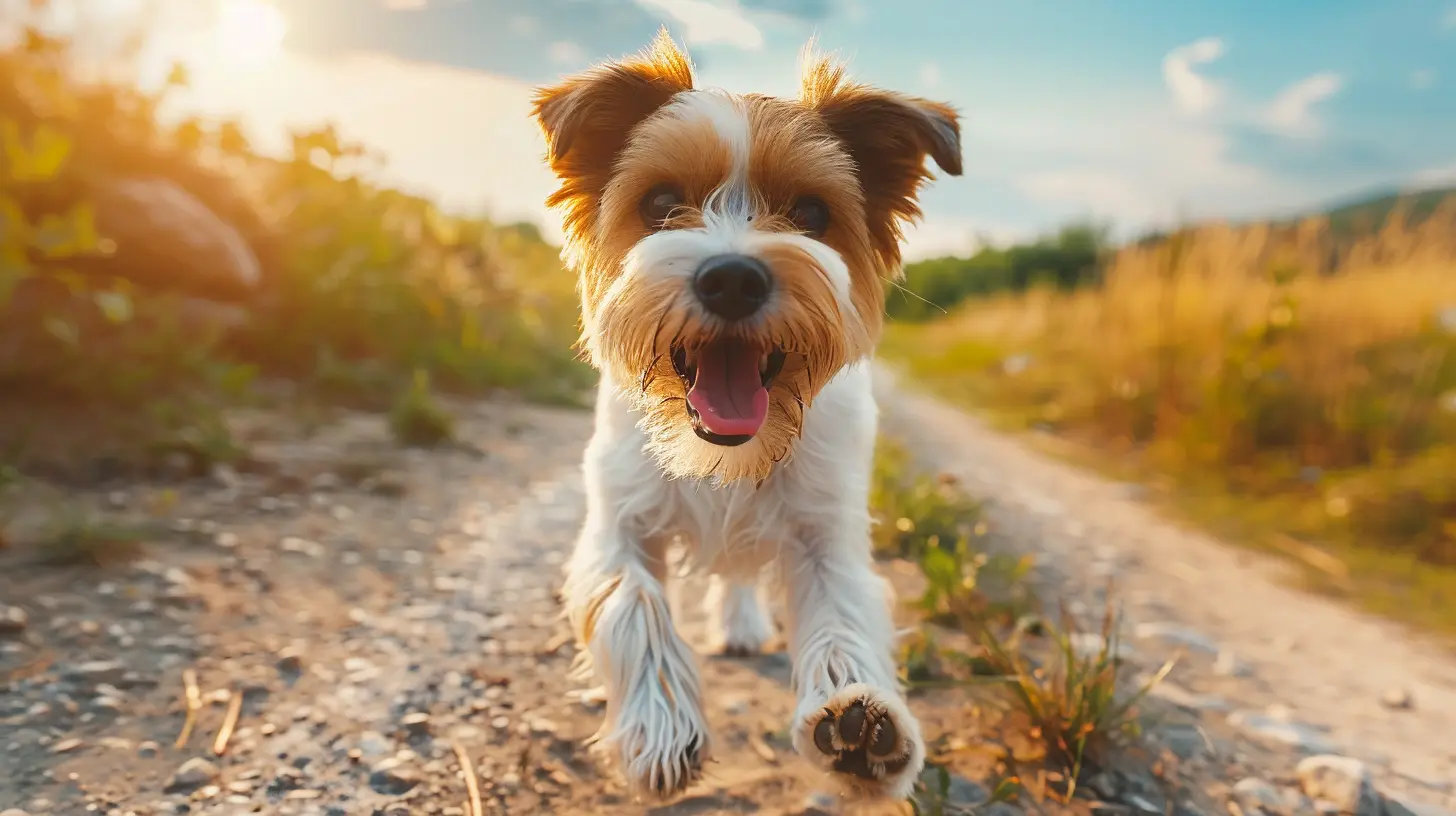
1. Is Your Pet Fit for Travel?
Before you even start planning, ask yourself: Is my pet ready for a road trip? Not all animals are natural travelers. Some love car rides, while others get anxious or carsick.Check with Your Vet
A visit to the vet is a must before any big trip. Your pet should be up-to-date on vaccinations, and it’s a great time to discuss any health concerns. Some pets may need medication for anxiety or motion sickness. If you’re traveling across state or country borders, you might also need a health certificate.Know Your Pet's Behavior
If your pet gets nervous in the car, start with short drives and gradually increase the duration. Reward them with treats and praise to create positive associations with travel.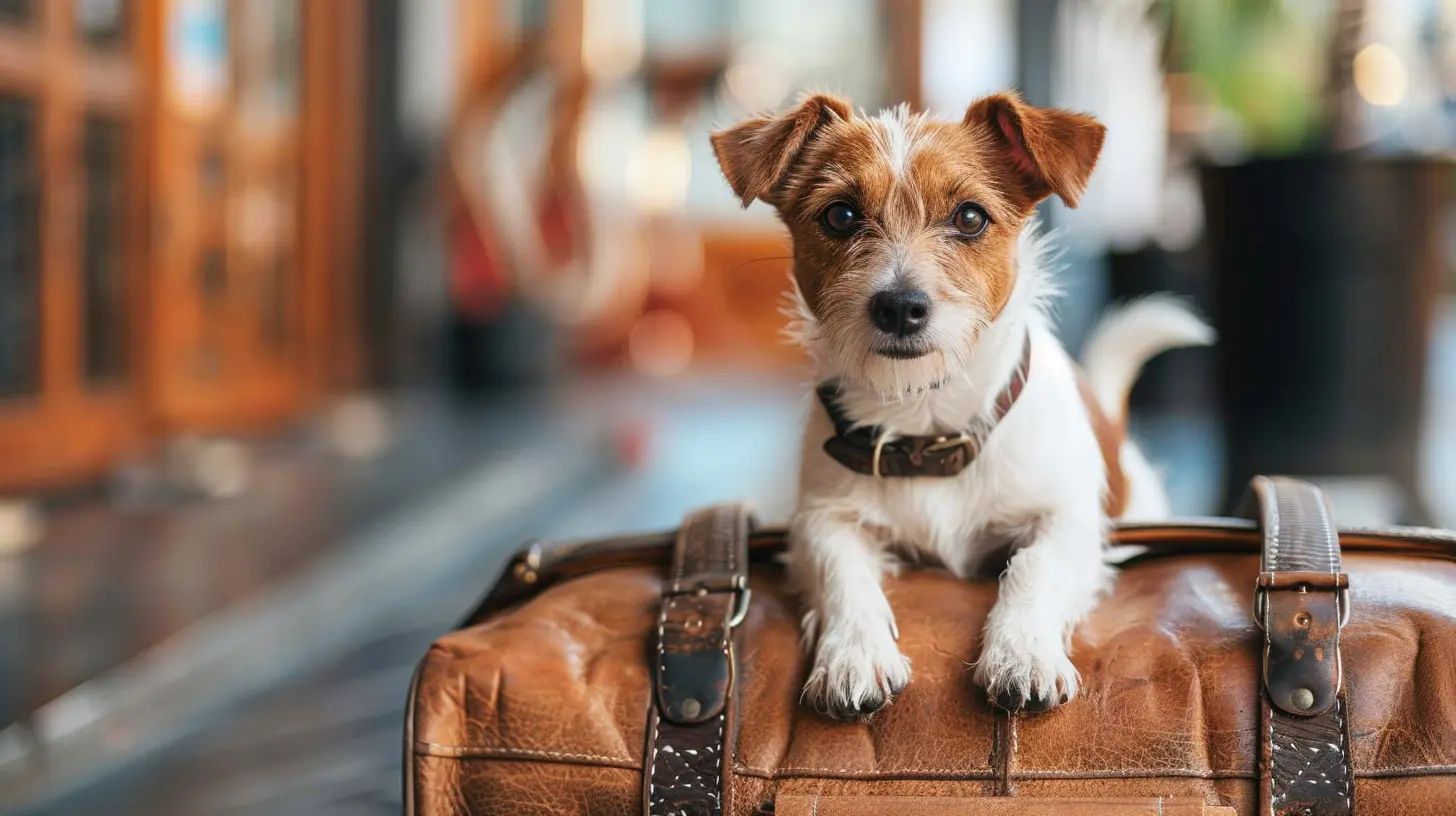
2. Packing the Essentials for Your Pet
Just like you wouldn’t leave home without your essentials, your pet needs their own travel bag too. Here’s what should be on your packing list:✔ Food & Water – Bring enough food for the entire trip, along with collapsible bowls. Sudden diet changes can cause stomach issues, so stick to their regular food.
✔ Leash & Harness – Even if your pet is well-trained, traveling to new places can be overwhelming. A secure leash and harness are non-negotiable.
✔ ID Tags & Microchip Info – Accidents happen, and pets can get lost. Make sure their ID tags are up to date, and if they’re microchipped, verify that the contact info is current.
✔ Pet First-Aid Kit – You never know when a minor injury might happen. Pack bandages, antiseptic wipes, tweezers (for ticks), and any prescribed medications.
✔ Comfort Items – A favorite blanket, toy, or even a piece of your clothing can help reduce stress and provide a sense of familiarity.
✔ Waste Bags & Litter Supplies – Be a responsible pet parent! Bring plenty of waste bags for dogs and a portable litter box for cats. 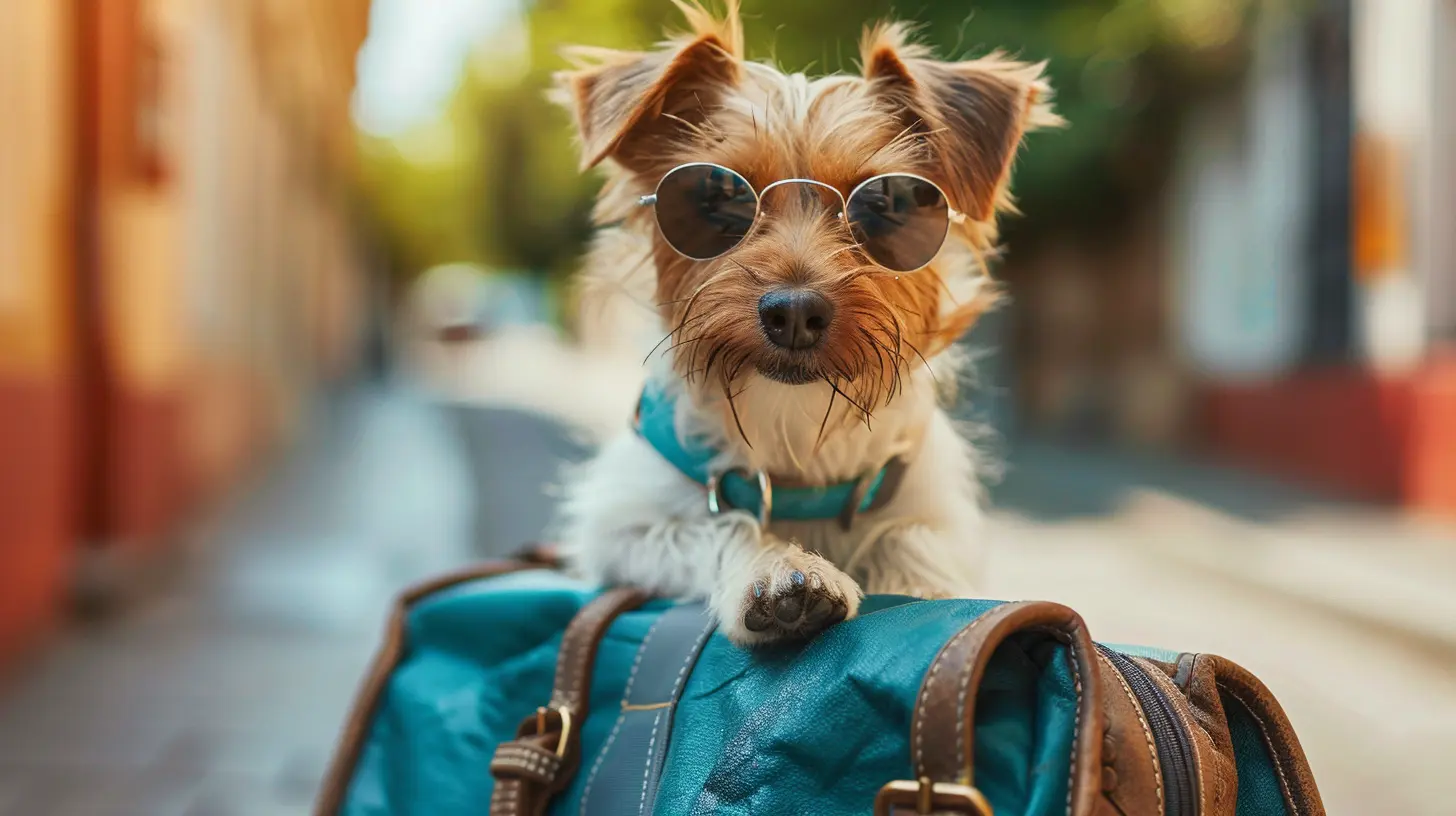
3. Car Travel Safety: Keeping Your Pet Secure
Let’s be honest—having your pet freely roaming in the car may look cute, but it’s incredibly dangerous. Sudden stops or accidents can put their life at risk.Use a Pet Seat Belt or Carrier
Always secure your pet with a travel crate, pet car seat, or harness that attaches to the seatbelt. This keeps them safe in case of sudden stops or crashes.Keep Heads Inside the Car
We’ve all seen dogs joyfully sticking their heads out of car windows, but this is a huge safety risk. Flying debris, sudden stops, or an unexpected movement could lead to serious injuries.Temperature Control
Never, ever leave your pet alone in a parked car—especially in hot or cold weather. Temperatures inside a car can rise dangerously fast, even with the windows cracked. If you need to leave the car, take your pet with you or make arrangements.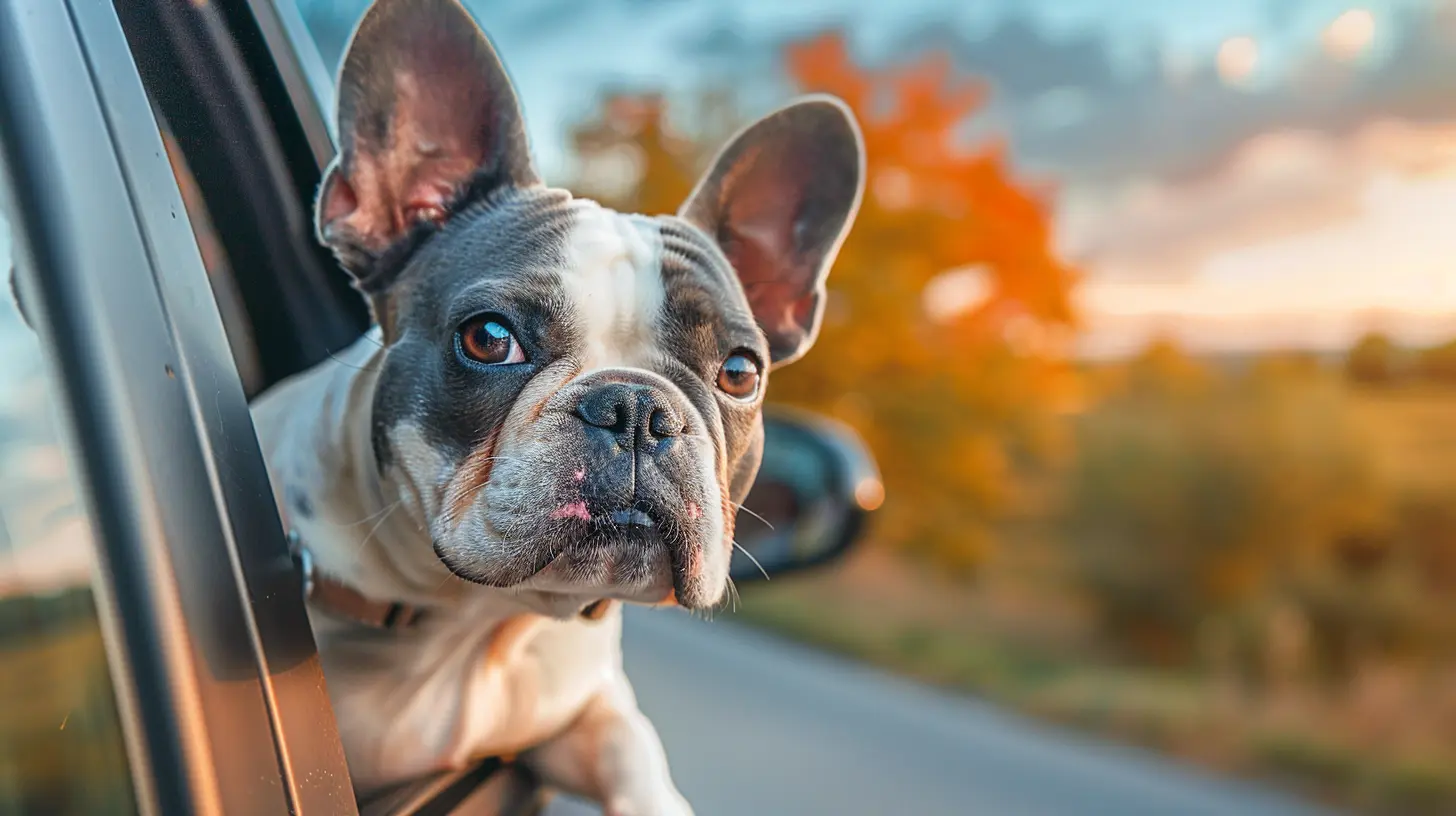
4. Finding Pet-Friendly Accommodations
Not all hotels, motels, or Airbnbs welcome pets, so always check ahead of time. Luckily, many accommodations have become more pet-friendly in recent years.How to Find Pet-Friendly Places
- Use websites like BringFido, PetsWelcome, or Airbnb filters to find pet-friendly stays.- Always call ahead to confirm pet policies, even if a website states they're pet-friendly.
- Check if there are any size or breed restrictions. Some accommodations allow small pets but not larger breeds.
Rules to Follow When Staying in Accommodations
- Keep your pet leashed in public areas.- Bring a pet bed and keep them off hotel furniture unless permitted.
- Never leave your pet unattended in a hotel room unless allowed.
- Clean up after your pet—no one likes unexpected surprises.
5. Road Trip Etiquette: Making Travel Pleasant for Everyone
A road trip with pets is fun when done right, but it can turn stressful if you're not prepared. Here are some key tips to keep things running smoothly:Frequent Breaks
Plan for stops every 2-3 hours to allow your pet to stretch, relieve themselves, and get some fresh air. This keeps them comfortable and reduces anxiety.Monitor Their Behavior
Watch for signs of stress, overheating, or nausea. If your pet is panting excessively or seems restless, they may need a break or hydration.Respect Public Spaces
Be mindful of others when stopping at rest areas or parks. Not everyone is comfortable around animals, so always keep your pet under control and clean up after them.6. Managing Anxiety While Traveling
Some pets take to travel like pros, while others get anxious the moment they step into a car. If your pet struggles with travel anxiety, here’s what you can do:Create a Comfortable Space
A familiar blanket, a well-ventilated carrier, or even a favorite toy can provide comfort.Use Calming Products
There are plenty of pet-safe calming treats, sprays, and pheromones that help reduce anxiety. Talk to your vet about what's best for your pet.Play Soothing Music
Believe it or not, classical or soft music can help calm nervous pets. There are even playlists specifically designed for pet relaxation!Stay Calm Yourself
Pets pick up on your emotions. If you’re stressed, they’ll feel it too. Keep a positive attitude, talk to them in a soothing voice, and make the experience as fun as possible.7. What About Air Travel?
If road trips aren't an option and you need to fly with your pet, things get a bit more complicated. Airlines have strict pet policies, and the experience can be stressful for pets.Cabin or Cargo?
- Smaller pets (usually under 20 pounds) can often travel in the cabin in an airline-approved carrier.- Larger pets may have to travel in the cargo hold, which can be stressful and should be avoided unless absolutely necessary.
Airline Policies
Different airlines have different rules, so always check with them before booking your ticket. Some breeds (especially short-nosed breeds like pugs and bulldogs) are at higher risk of breathing issues and might not be allowed to fly in cargo.Pre-Flight Preparation
- Get your pet accustomed to their travel carrier before the flight.- Avoid feeding them a big meal right before takeoff.
- Attach clear identification on the carrier, including your name, contact info, and destination.
8. Final Thoughts: Making the Trip Enjoyable
Traveling with pets can be an incredible experience, but it requires preparation, patience, and care. By ensuring your furry friend is comfortable, safe, and happy, you’ll create unforgettable memories together.Remember, the goal is for both of you to enjoy the journey, not just the destination. With the right planning, you and your pet can embark on an adventure that’s stress-free and filled with tail wags and happy purrs!
all images in this post were generated using AI tools
Category:
Travel TipsAuthor:

Pierre McKinney
Discussion
rate this article
2 comments
Mateo Reed
Traveling with pets can be a joyful experience, but it also comes with unique challenges. Your thoughtful tips ensure that both pets and their owners enjoy a safe, stress-free journey together. Thank you for sharing valuable insights for fellow pet travelers!
January 23, 2026 at 3:51 AM
Pierre McKinney
Thank you for your kind words! I'm glad you found the tips helpful for a smooth journey with your furry friends. Safe travels!
Melanie Reed
Traveling with pets is a delightful adventure! With a little preparation, you can create unforgettable memories together. Happy travels to all furry families!
December 27, 2025 at 5:09 PM
Pierre McKinney
Thank you! I completely agree—traveling with pets can lead to amazing experiences. Preparation is key for a smooth journey!