Uncovering the Forgotten Stone Structures of Nan Madol
6 August 2026
Have you ever stumbled upon a place so mysterious, so otherworldly, that it feels like the setting of a forgotten legend? Welcome to Nan Madol—an ancient city built on coral and basalt, hidden away in the remote Pacific Ocean, off the coast of Pohnpei in the Federated States of Micronesia. It’s not just a city; it’s a living riddle carved in stone, whispering the secrets of a lost civilization that most people have never even heard of. Buckle up—because this journey into the past is going to be one for the books.
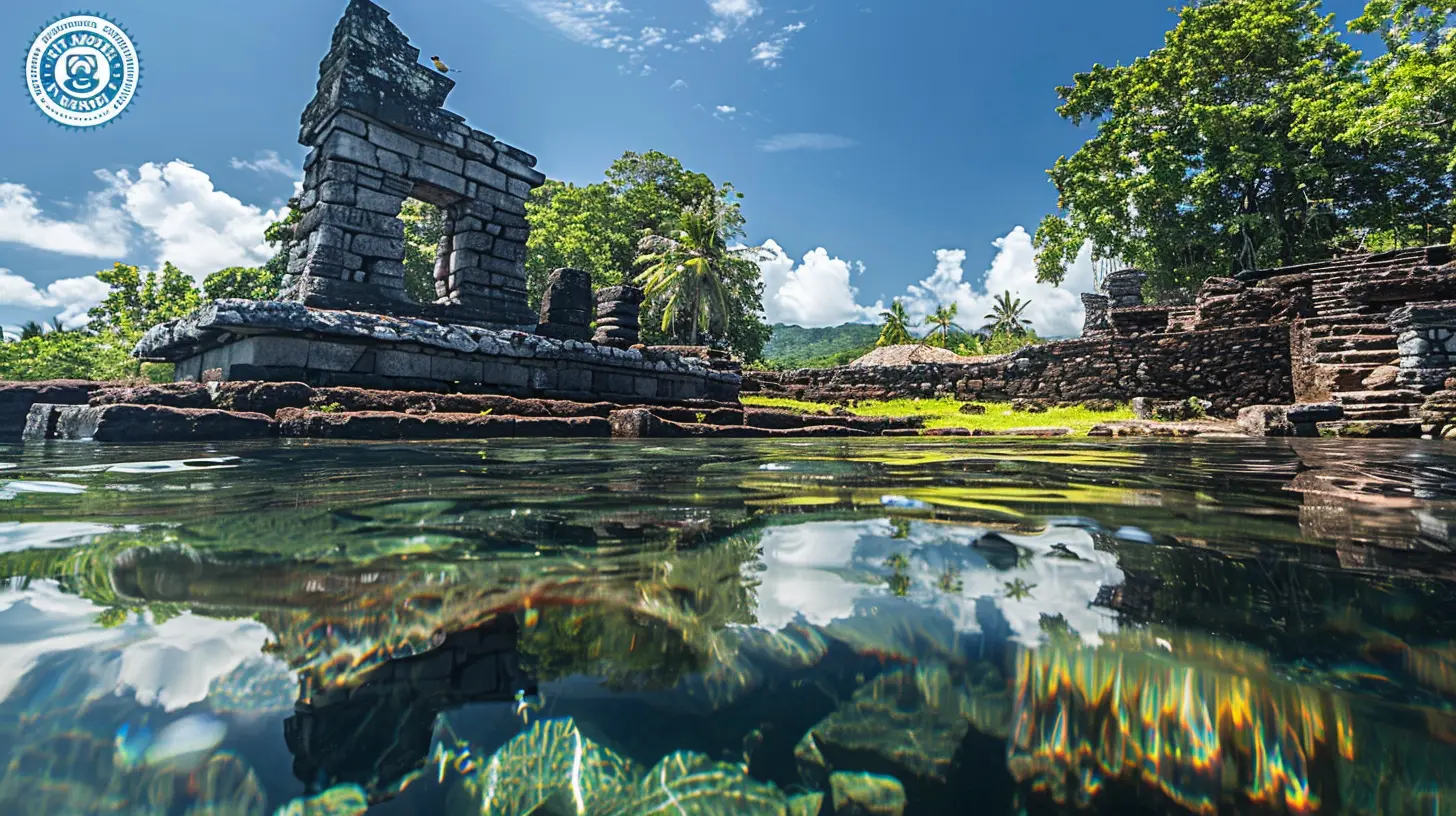
What is Nan Madol?
Nan Madol is often referred to as the "Venice of the Pacific." Pretty catchy, right? But unlike Italy’s famous water city, there are no gondolas or pizza here—just an eerie silence and the sound of waves lapping against ruins that were laid down hundreds of years ago.Built atop a series of almost 100 small man-made islets connected by canals, Nan Madol was once the ceremonial and political seat of the Saudeleur Dynasty. Imagine an ancient city floating on the ocean—constructed entirely out of massive basalt stones, some weighing up to 50 tons. Yeah, you read that right—fifty tons!
Let that sink in for a moment.
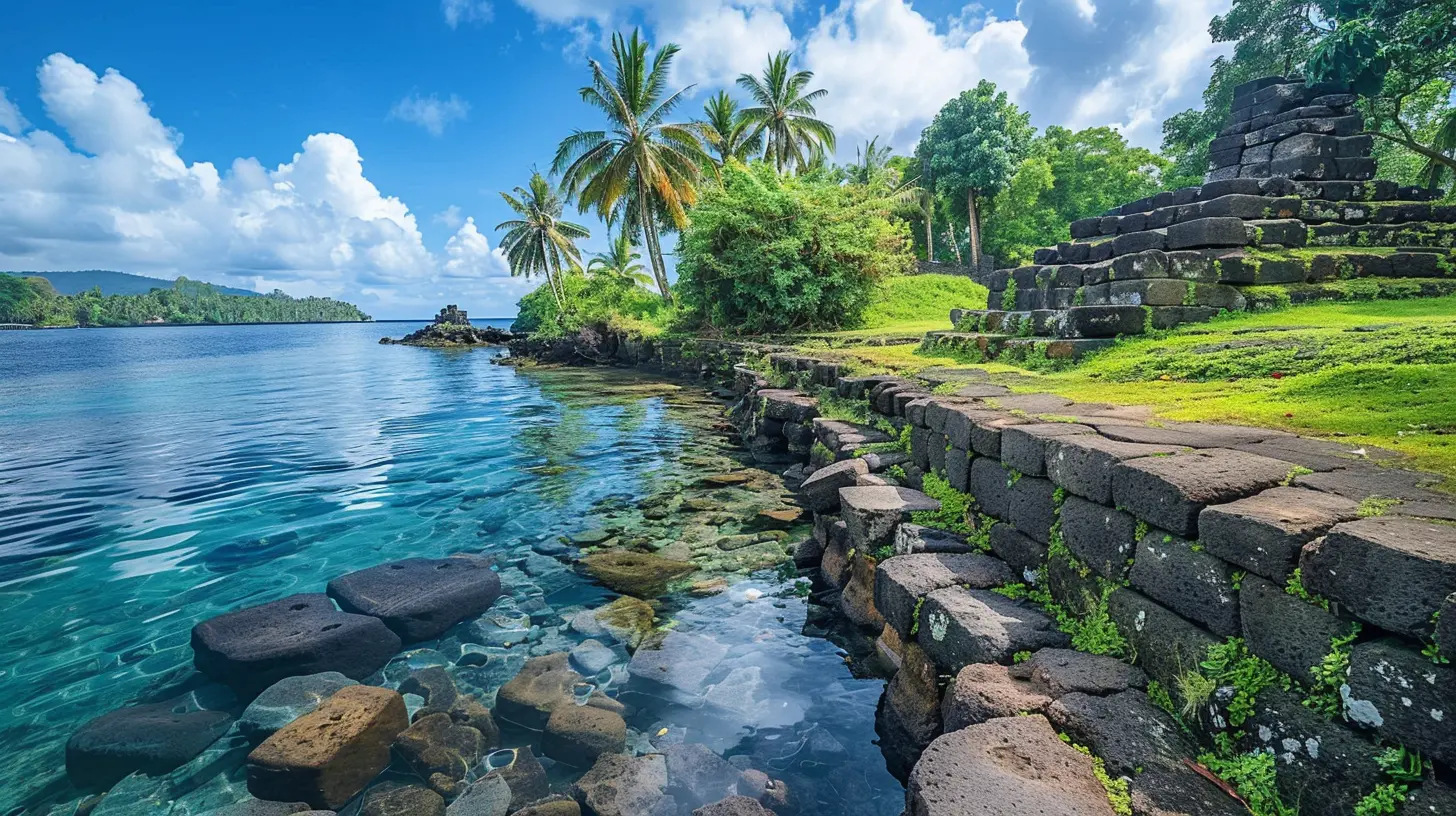
Where is Nan Madol Located?
You’ll find Nan Madol on the southeast coast of Pohnpei Island. That’s in the Federated States of Micronesia (FSM) for those scratching their heads. It may not be on your typical travel radar, but maybe it should be.Getting there isn't the easiest ride—you’ll typically fly into Pohnpei International Airport via Guam or Hawaii, and then take a short drive and boat ride before arriving at the ancient ruins. But trust me, it’s worth every mile.
The History Behind the Stones
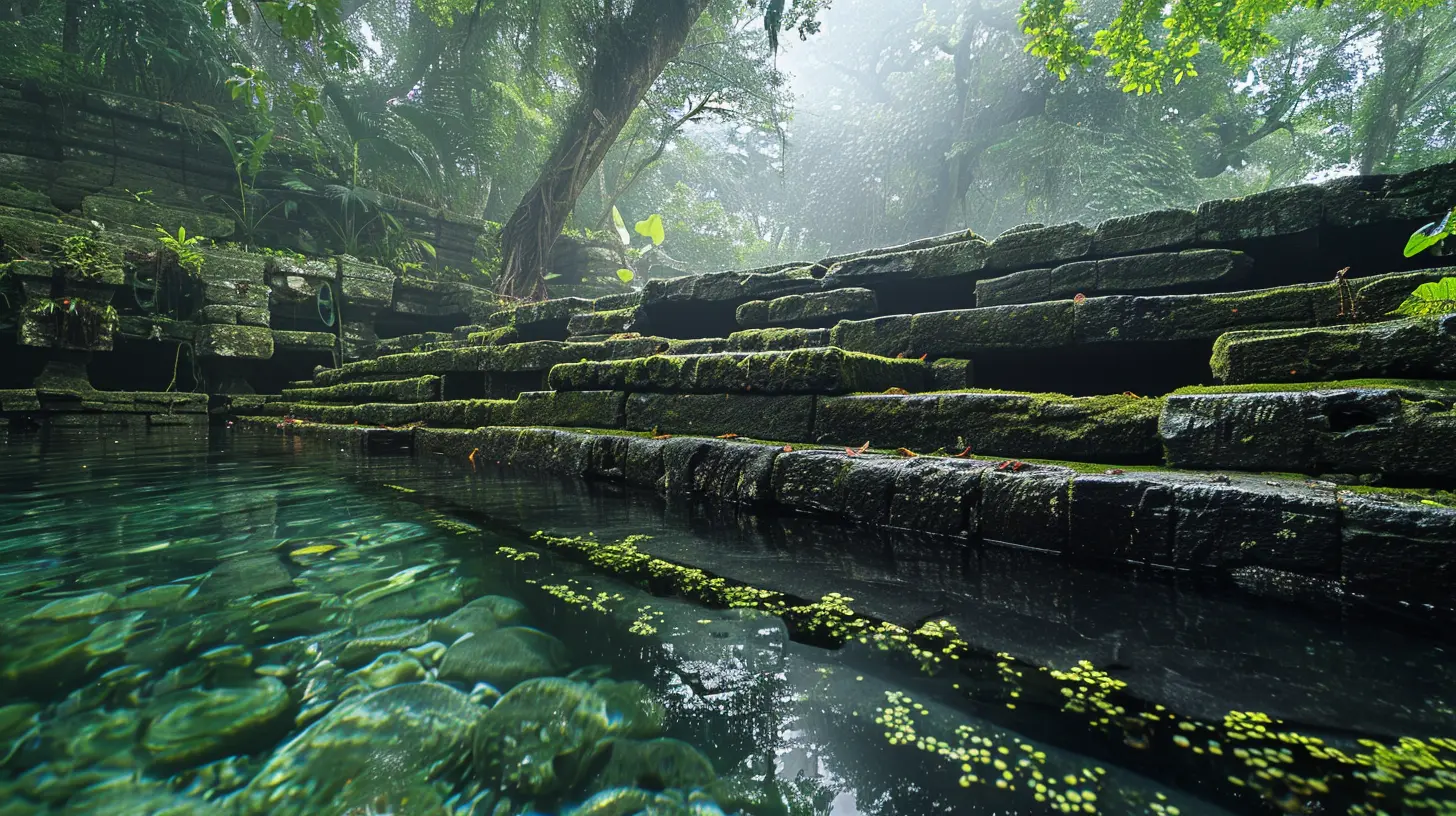
So, who built Nan Madol, and why?The site dates back to around the 8th century, but the major construction phase didn’t kick off until the 12th century. That’s when the Saudeleur Dynasty came in and made Nan Madol their capital. They ruled for about 500 years, using the city for politics, ceremonies, and religious rituals.
Legend has it that two brothers—Olosohpa and Olosihpa—came from a faraway land and used magical powers to build the city. According to folklore, they summoned dragons to lift the massive stones into place. Realistically? No one knows for sure how they managed such a feat with no cranes, no machinery—just human hands and sheer determination.
The Architecture that Defies Logic
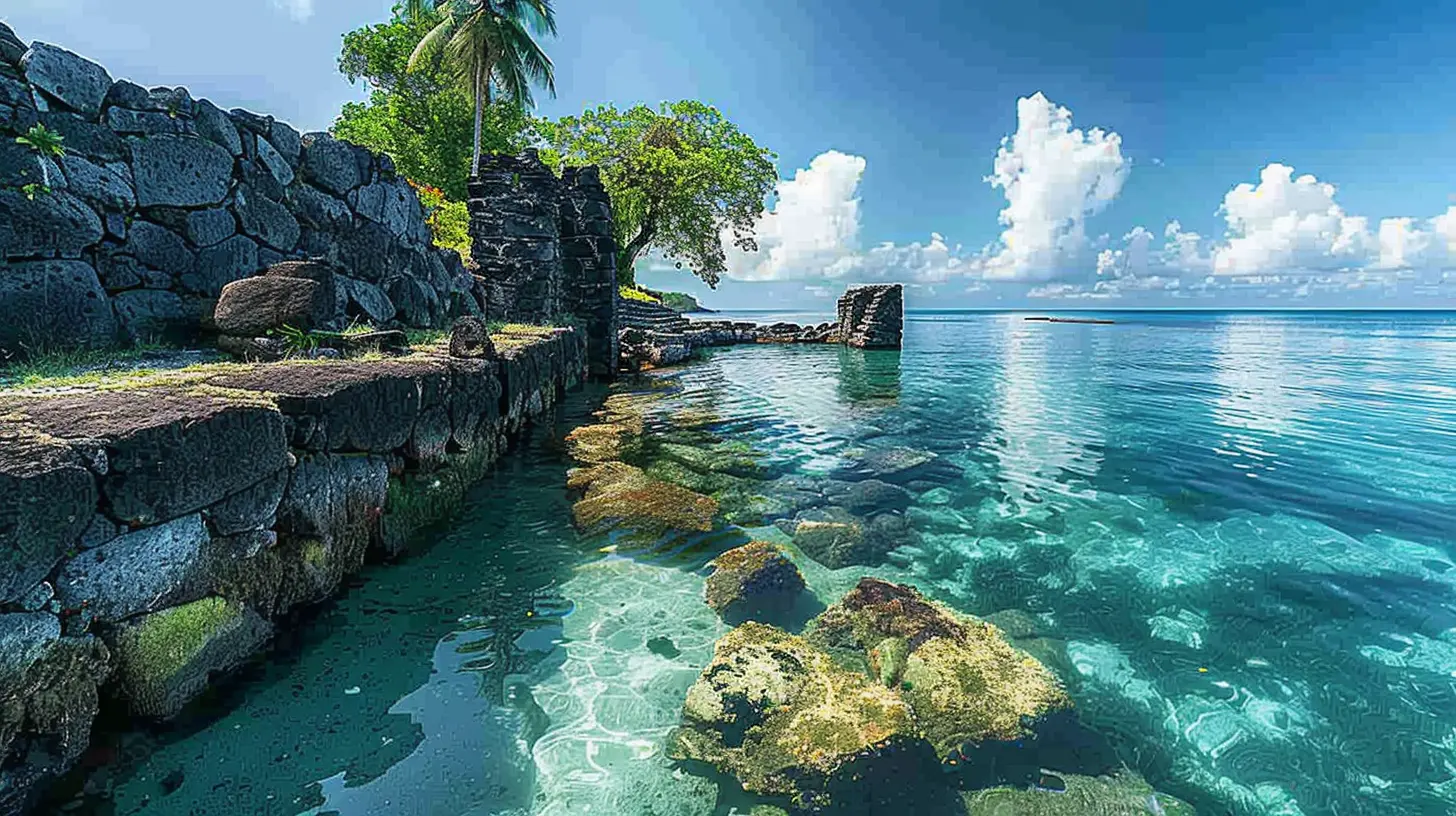
You have to see it to believe it. The city consists of around 92 artificial islets separated by narrow tidal canals. Each islet is made with layers of crisscrossed basalt logs, forming walls that are several meters high. Some of these stones are up to 18 feet long and weigh tons—literally.How did they get the stones there? Good question. Some researchers believe they were transported via large rafts from quarries on the other side of the island. Others think log rollers or even palm tree trunk sleds were used. Still, it’s one of those ancient engineering feats that just makes you go, “Wait, how is this even possible?!”
Sacred, Secret, and Abandoned
Nan Madol wasn’t just a city—it was a sacred space. The ruling elite lived here, isolated from the general population. It was believed to be a place of powerful spiritual energy, where priests conducted rituals and sacrifices.But by the time European explorers arrived in the 1800s, Nan Madol was already abandoned. No one knows exactly why, though several theories exist. Some say the freshwater supply dwindled. Others believe the common people rose up against the ruling class. Another theory is more spiritual—that the site was cursed after being used for dark rituals.
Whatever the reason, the city was left to nature, slowly sinking into the coral and jungle, becoming one of the most hauntingly beautiful ruins in the world.
Legends and Myths of Nan Madol
Here's where it gets a little spooky. Local folklore warns people not to disturb Nan Madol. Some even claim that anyone who tries to take stones from the site will be cursed. There are tales of unexplained deaths and mysterious illnesses. True or not, these stories add a layer of eerie charm to the ruins.Then there’s the theory connecting Nan Madol to the mythical lost city of Atlantis or Lemuria. Some fringe theorists even suggest aliens were involved, claiming the architecture is just too advanced for ancient humans.
Whether you buy into the supernatural stuff or not, you’ve got to admit—it’s weird, wild, and undeniably fascinating.
Why Haven’t More People Heard of Nan Madol?
Excellent question. For starters, it’s not the easiest place to get to, and it’s tucked away on a small island in the Pacific. Unlike Machu Picchu or the Egyptian pyramids, Nan Madol doesn’t get the same kind of global spotlight or tourism funding.Also, archaeological digs have been sparse, so there’s still a ton we don’t know. That air of mystery keeps some people away—but it draws the curious in like moths to a flame.
Visiting Nan Madol Today
Let’s talk logistics. If you're thinking of visiting—and you definitely should—there are a few things to keep in mind:- Respect the site: This isn't Disneyland. It's a sacred place with deep cultural and spiritual significance.
- Hire a local guide: They can offer insights, stories, and directions that you simply can’t get from a brochure.
- Wear the right gear: You’ll be walking through sludge, mud, and water. Bring waterproof shoes and maybe a change of clothes—because adventure gets messy!
And you’ll want to bring your camera. The place is insanely photogenic—think moss-covered stones, ancient walls peeking through dense jungle, and calm waters reflecting centuries-old history.
The UNESCO Status
In recent years, Nan Madol was named a UNESCO World Heritage Site. That’s a big deal. It’s a call to the global community that says, “Hey, this place matters. Let’s protect it.”But being on the UNESCO list also means Nan Madol is on the radar of history buffs, anthropologists, and travelers looking for something off the beaten path. So if you like your adventures raw and real, now’s the time to go—before the tour buses show up.
Preserving the Legacy
Nan Madol is fragile. The city is made of stone, yes—but it’s also surrounded by coral reefs and mangroves that are sensitive to climate change and pollution. Rising sea levels and unchecked tourism could erode this priceless piece of history.That’s why eco-tourism and responsible travel are so important here. When you visit, you’re not just snapping selfies—you’re helping keep the memory of an ancient civilization alive.
So let’s treat it with the awe and respect it deserves.
The Takeaway: Why Nan Madol Captures the Imagination
Nan Madol isn’t just a place—it’s a story carved in stone, a riddle without an answer, a symbol of both human ingenuity and mystery. It’s the kind of site that doesn’t just make you look—but makes you think.How did they build it? Why was it abandoned? What secrets are still hidden beneath the waves?
You won’t find answers in a textbook or a museum. You’ve got to go there. Stand among the ruins. Feel the wind off the ocean. Listen to the silence. And maybe—just maybe—you’ll hear the whispers of history calling out from the forgotten stones.
So, Should Nan Madol Be on Your Bucket List?
Absolutely. If you’re the kind of traveler who’s fueled by curiosity, drawn to the unexplained, and excited by the road less traveled—Nan Madol is calling your name. It’s more than a destination; it’s an experience. One that will stay with you long after you leave its sacred shores.And let’s be honest—how many people can say they’ve walked the ruins of a lost city rising from the sea?
all images in this post were generated using AI tools
Category:
Ancient RuinsAuthor:

Pierre McKinney