Unforgettable Getaways That Will Redefine Travel in 2026
7 May 2026
Let me ask you something. When was the last time a trip actually surprised you? Not just a nice hotel or a pretty sunset, but a real, gut-level shift in how you see the world. I am betting it has been a while. Travel in the last few years has felt a bit like reheated leftovers. Same crowded beaches. Same Instagram spots. Same airport chaos.
But 2026 is different. The travel industry is finally shaking off the rust. People are tired of being tourists. They want to be participants. They want places that feel alive, not just curated for a selfie. So I dug into the trends, the whispers, and the raw data to find the getaways that will actually change your travel DNA next year. Forget the bucket list you had. Here is what is coming.
The Rise of the "Slow Burn" Destination
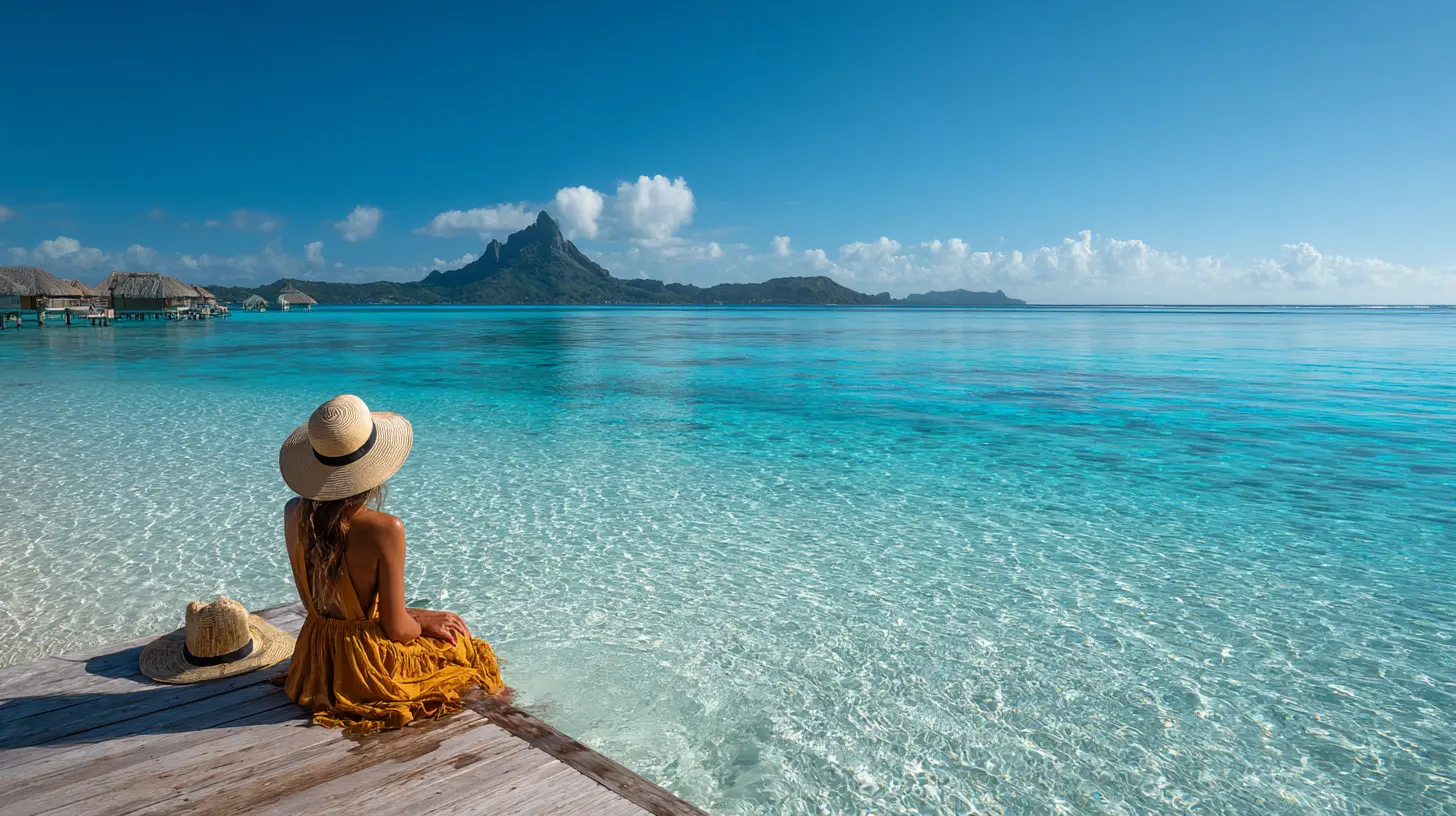
We have all done the sprint vacation. Land on a Thursday, hit five sights in two days, eat a questionable airport sandwich, and fly home exhausted. It feels like you swallowed the world whole but tasted nothing. In 2026, the pendulum swings hard the other way. The hottest destinations are not about how many checkboxes you tick. They are about how deeply you sink in.Think of it like a slow-cooked stew versus a fast-food burger. One fills you up fast. The other sticks with you.
Take the Faroe Islands. This place has been on travel radars for a while, but 2026 is its moment. Why? Because you cannot rush it. The weather changes every ten minutes. The roads are narrow. The villages are tiny. You will find yourself sitting on a cliff watching a waterfall plunge into the Atlantic, and you will realize you have not checked your phone in three hours. That is the point. The Faroes force you to slow down. You hike to a remote lighthouse. You eat fermented lamb with a local family. You stare at the sea until your brain stops buzzing.
Another slow burn spot is the Azores, Portugal. Everyone knows Lisbon and the Algarve. But these nine volcanic islands in the middle of the Atlantic are a different beast. You go there to soak in hot springs, watch whales breach at dawn, and eat cheese that tastes like the grass the cows ate. There is no nightlife to speak of. There are no mega-resorts. Just green craters and blue lakes. It is travel as meditation.
The Return of Train Romance
I know, I know. Trains sound old-fashioned. But hear me out. Air travel in 2025 was a nightmare. Delays, shrinking seats, and the constant feeling that you are a sardine in a tin can. Trains are making a massive comeback, and 2026 will see some of the most beautiful rail journeys on earth reopen or upgrade.Imagine the Belmond Andean Explorer in Peru. This is not a train. It is a moving hotel that cuts through the Andes. You sip coca tea while the altiplano rolls by. You stop at ancient ruins that most tourists never see. You sleep in a cabin that rocks you gently as you cross the highest railway in the Southern Hemisphere. It is not about getting from A to B. It is about the space between.
Or consider the new night train routes in Europe. The "Nightjet" network is expanding. You can board in Vienna, eat a decent dinner in the dining car, fall asleep in a real bed, and wake up in Rome. No security lines. No baggage fees. Just the rhythm of the rails and the promise of a new city at sunrise. It feels like a secret handshake among travelers. Once you try it, you will never look at a budget airline the same way.
The Underwater Frontier
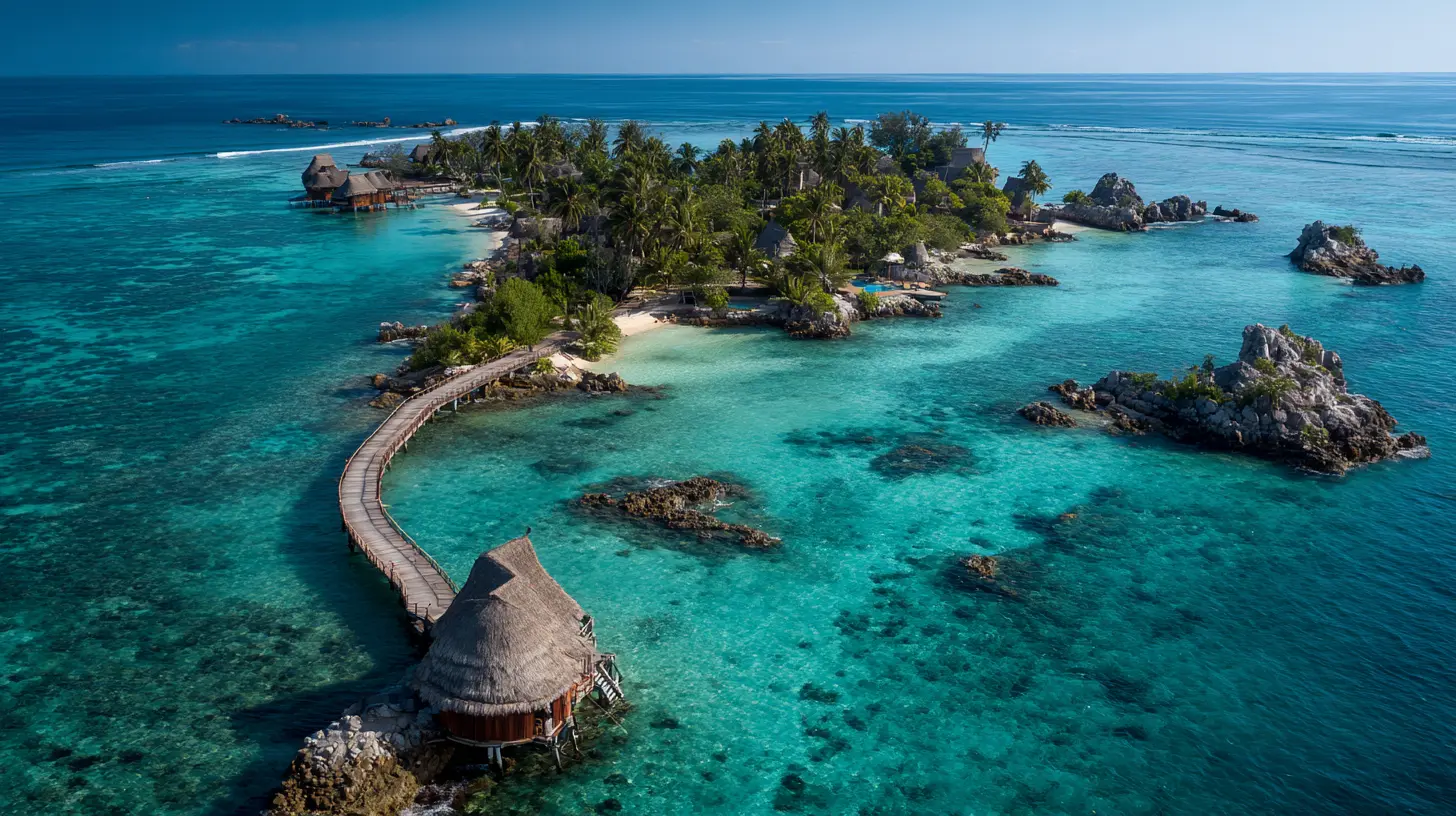
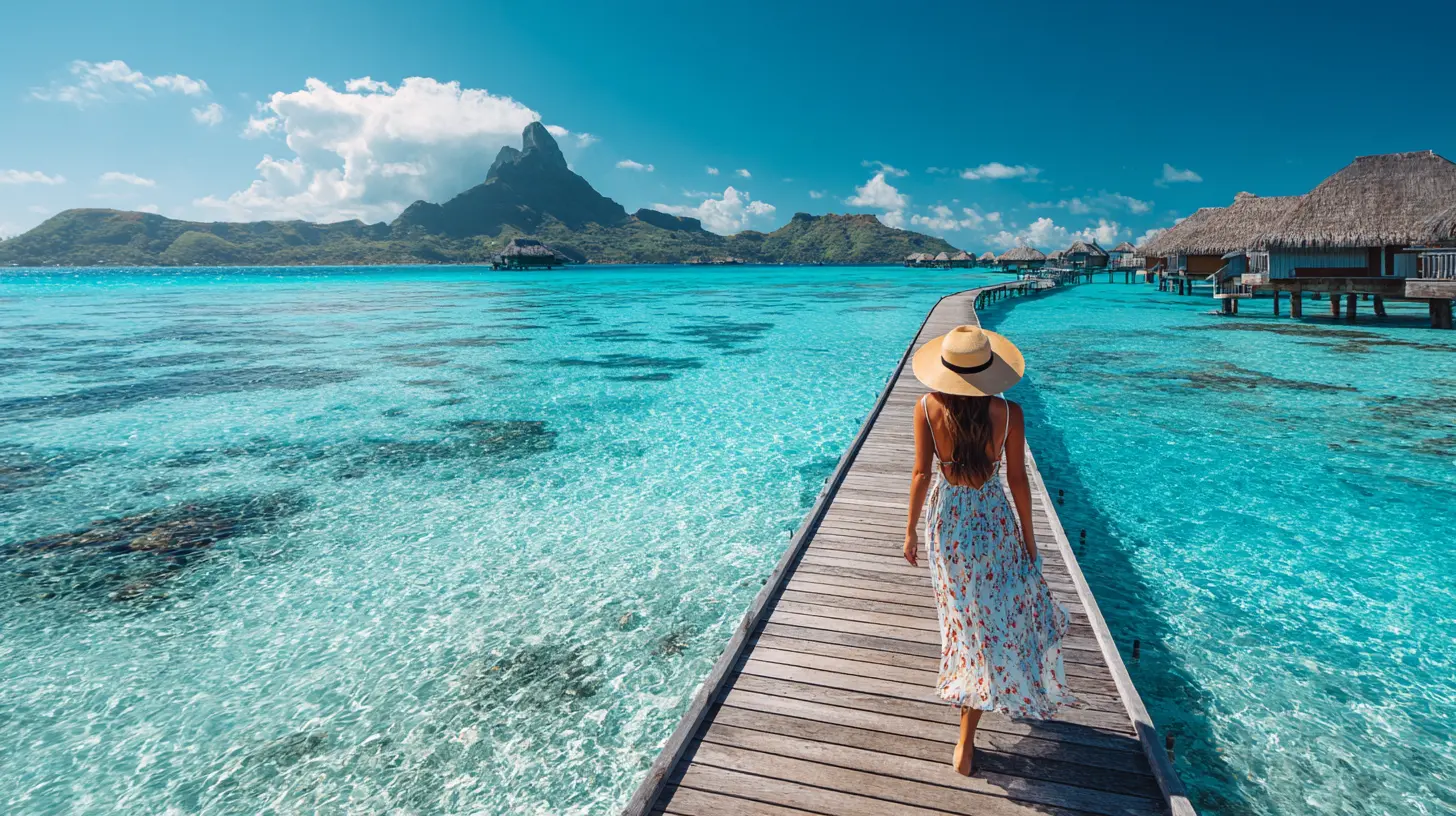
We have looked up at mountains and across deserts. In 2026, we go down. Underwater hotels and experiences are no longer science fiction. They are booking up fast.The Maldives has always been about the water, but the new Muraka villa at the Conrad Maldives Rangali Island takes it to another level. Your bedroom is literally underwater. You fall asleep with sharks and rays swimming past your window. It is not a gimmick. It is a perspective shift. You realize you are a guest in their world, not the other way around.
But if you want something less luxury and more raw, look at the new underwater sculpture parks in the Caribbean. Off the coast of Grenada, there is a sunken gallery of statues. You snorkel through it. The figures are covered in coral. Fish dart through their arms. It is art that grows. It is a reef that tells a story. You come up for air feeling like you visited another planet.
The "Un-Tourist" City Break
Cities are not going away. But the way we experience them is shifting. In 2026, the smart traveler skips the main squares and heads for the margins. You want the city that feels like it is still being invented, not the one that has been polished for tourists.Birmingham, Alabama, is a curveball, I know. But hear me out. This city has shed its industrial past and grown into a food and arts hub that feels real. There is no pretension. You eat barbecue in a gas station that is actually a James Beard Award-winning spot. You walk through the Civil Rights District and feel history pulse under your feet. It is a city that is honest about its past and excited about its future. It does not try to be New York or Nashville. It is just Birmingham.
On the other side of the world, look at Tbilisi, Georgia. The capital of the country that straddles Europe and Asia. The architecture is a beautiful mess. Old Soviet buildings next to art nouveau masterpieces. The wine culture is ancient. You go to a "supra" (a traditional feast) and you are toast-mastered into a stupor by a local who insists you try the cheese bread. The city feels alive in a way that Paris or London sometimes forgets. It is rough around the edges, and that is its charm.
The Solo Traveler's Sanctuary
Solo travel is not new, but 2026 is when it gets a major upgrade. The industry is finally designing for the person who travels alone, not just the couple or the group. And the best part? You are never really alone.Consider the rise of "solo-friendly" retreats in places like Costa Rica's Osa Peninsula. These are not the party hostels of your twenties. They are eco-lodges where you join a group for guided jungle hikes and cooking classes, but you have your own private cabin at night. You can be social when you want, and disappear when you need quiet. It is travel with a dimmer switch.
For something more adventurous, look at the new solo sailing experiences in Croatia. You do not need a license. You join a flotilla of small boats with a guide. You learn to tack and jibe. You anchor in hidden coves. You eat grilled fish on the deck with strangers who become friends by the end of the week. It is terrifying and exhilarating at the same time. And that is exactly why you should do it.
The Digital Detox Destination
Let us be real. We are all addicted to our phones. Travel in 2026 is pushing back. Hard. There is a growing demand for places where the internet is weak or nonexistent. Not as a gimmick, but as a genuine reset.The Shetland Islands, north of Scotland, are a prime example. The internet exists, but it is slow. The days are long in summer. The landscape is stark and beautiful. You go there to walk on cliffs where the wind almost knocks you over. You watch puffins wobble on the grass. You drink tea in a croft that has been standing for 200 years. Without the constant buzz of notifications, your brain finally exhales.
Another detox gem is the Kalahari Desert in Botswana. There are luxury camps that sit in the middle of nowhere. No Wi-Fi. No cell service. Just the sound of lions coughing in the distance and the crackle of a fire. You spend your days tracking animals. You spend your nights counting stars. It is not a vacation. It is a return to something primal.
The Food Trip That Changes Your Palate
Food travel is evolving past just eating. In 2026, you want to understand where your meal came from. You want to touch the soil. You want to meet the farmer.Head to the Oaxaca region in Mexico. Not just for the mole and mezcal, but for the whole experience. You join a family in a village outside the city. You grind corn on a stone. You make tortillas from scratch. You roast grasshoppers over an open fire. It is messy. It is hands-on. And it tastes better than any restaurant because you made it.
Or try the new farm-stay movement in Sicily. You live on an olive farm. You help with the harvest. You press your own oil. You eat pasta that was made that morning from tomatoes picked that afternoon. It is not a cooking class. It is a way of life for a week. You come home with a new appreciation for a simple tomato.
The Off-Season Secret
Everyone wants to travel in the summer. That is a mistake. The smart 2026 traveler goes in the shoulder season or the dead of winter. You get the place to yourself. You get better prices. And you get a completely different experience.Take Iceland in February. Everyone goes in July when the sun never sets and the crowds are thick. But February? You get the Northern Lights dancing right over your head. You soak in geothermal pools while snow falls on your eyelashes. You drive on icy roads to waterfalls that are partially frozen. It is magical and empty. You feel like you discovered something the guidebooks missed.
Or consider Japan in late autumn. The leaves are turning. The temples are quiet. You can sit in a Kyoto garden without a hundred tourists clicking photos. You eat warm ramen in a tiny shop. You walk through bamboo groves that feel like a dream. It is the Japan you imagined, not the one you see on social media.
The Final Word
Travel in 2026 is not about showing off. It is about showing up. It is about stepping into experiences that rearrange your thinking. It is about slow trains, silent deserts, underwater bedrooms, and cities that feel like they are still being written. You do not need a bigger suitcase. You need a bigger sense of curiosity.So where will you go? Not where you think you should go. Where your gut is pulling you. The best trips are the ones that scare you a little and excite you a lot. 2026 is the year to take that leap. Pack light. Stay curious. And let the road rewrite your story.
all images in this post were generated using AI tools
Category:
Dream DestinationsAuthor:

Pierre McKinney
Discussion
rate this article
1 comments
Sandra Young
This article captures the essence of adventure and discovery beautifully. I appreciate the fresh perspectives on travel for 2026. Each suggested getaway seems like a perfect blend of culture and excitement. Looking forward to exploring these destinations!
May 11, 2026 at 3:50 AM
Pierre McKinney
Thank you for your kind words! I'm glad you found the perspectives inspiring. Exciting travels await in 2026!