What to Expect on Ireland’s Wild Atlantic Way in 2026
1 May 2026
So, you're thinking about packing a raincoat (or three) and heading to the edge of the world. Not literally, of course, but if you drive the Wild Atlantic Way in 2026, you'll feel like you're standing on the rim of a great, green planet that's been tipped sideways into the sea. This isn't your typical road trip. It's a 2,500-kilometer (yes, that's about 1,500 miles) spine of coastal madness, from the craggy tip of the Inishowen Peninsula in the north all the way down to the charming, colorful town of Kinsale in the south. And 2026 is shaping up to be the year to do it.
Why? Because Ireland is constantly changing. New pubs pop up in old stone cottages, ancient ruins get a fresh layer of moss, and the weather-bless its fickle heart-never repeats itself. If you've been dreaming of this drive for years, stop dreaming. 2026 is the sweet spot. Let's break down exactly what you'll find, what you'll feel, and what you'll need to survive the trip without turning into a human sponge.
The Weather: Expect a Four-Season Day (And That's Just Tuesday)
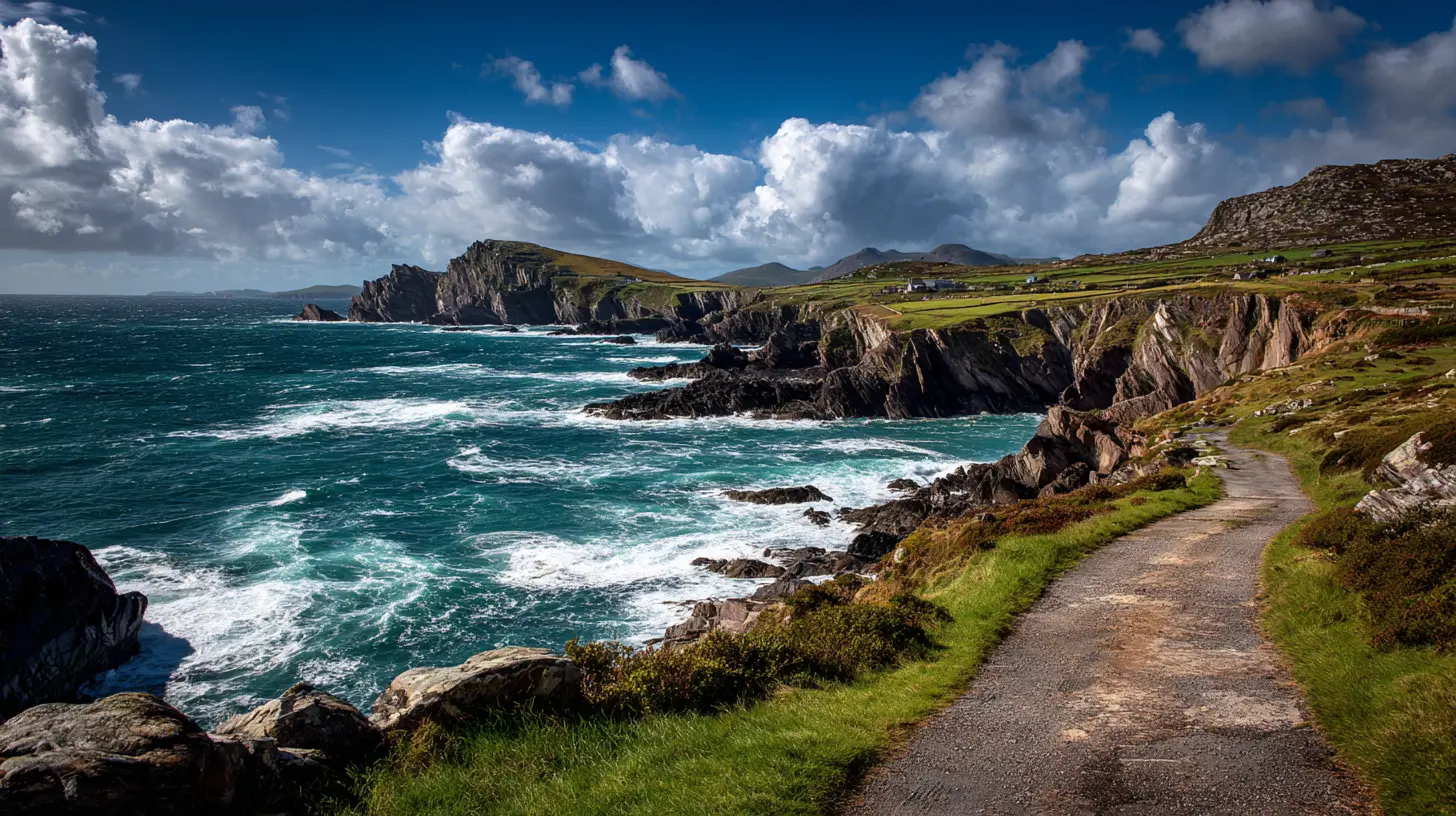
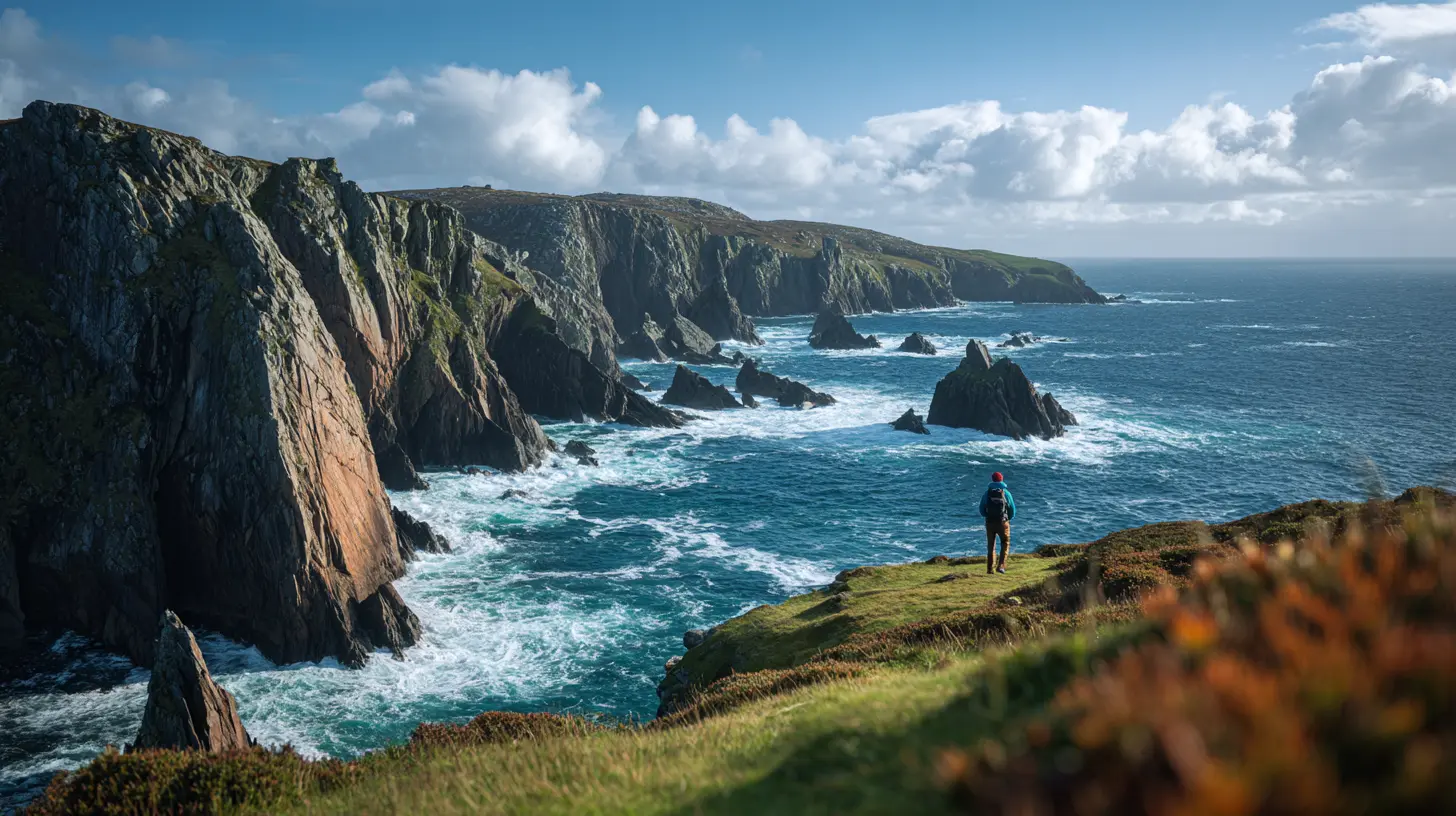
Let's get this out of the way: You cannot outsmart Irish weather. It's like a cat that refuses to sit still. One minute you're peeling off your fleece under a bright sun, the next you're dodging hail the size of peas while a rainbow punches through the clouds. In 2026, the climate patterns are still doing their wild dance. Summers are milder, but they're also wetter in the west. Don't expect a Mediterranean bake-off. Do expect a constant, dramatic sky show.The trick is layering. Think of yourself as an onion with a waterproof shell. A good rain jacket is non-negotiable. Not an umbrella-those are for tourists who haven't learned that the wind will snap it like a twig. Waterproof boots are your best friend, especially if you plan to hike the Cliffs of Moher or the Slieve League cliffs. And yes, bring sunglasses. You'll need them for the ten minutes when the sun blasts through the clouds and turns the ocean into a sheet of polished silver.
The Roads: Narrow, Winding, and Full of Sheep Traffic
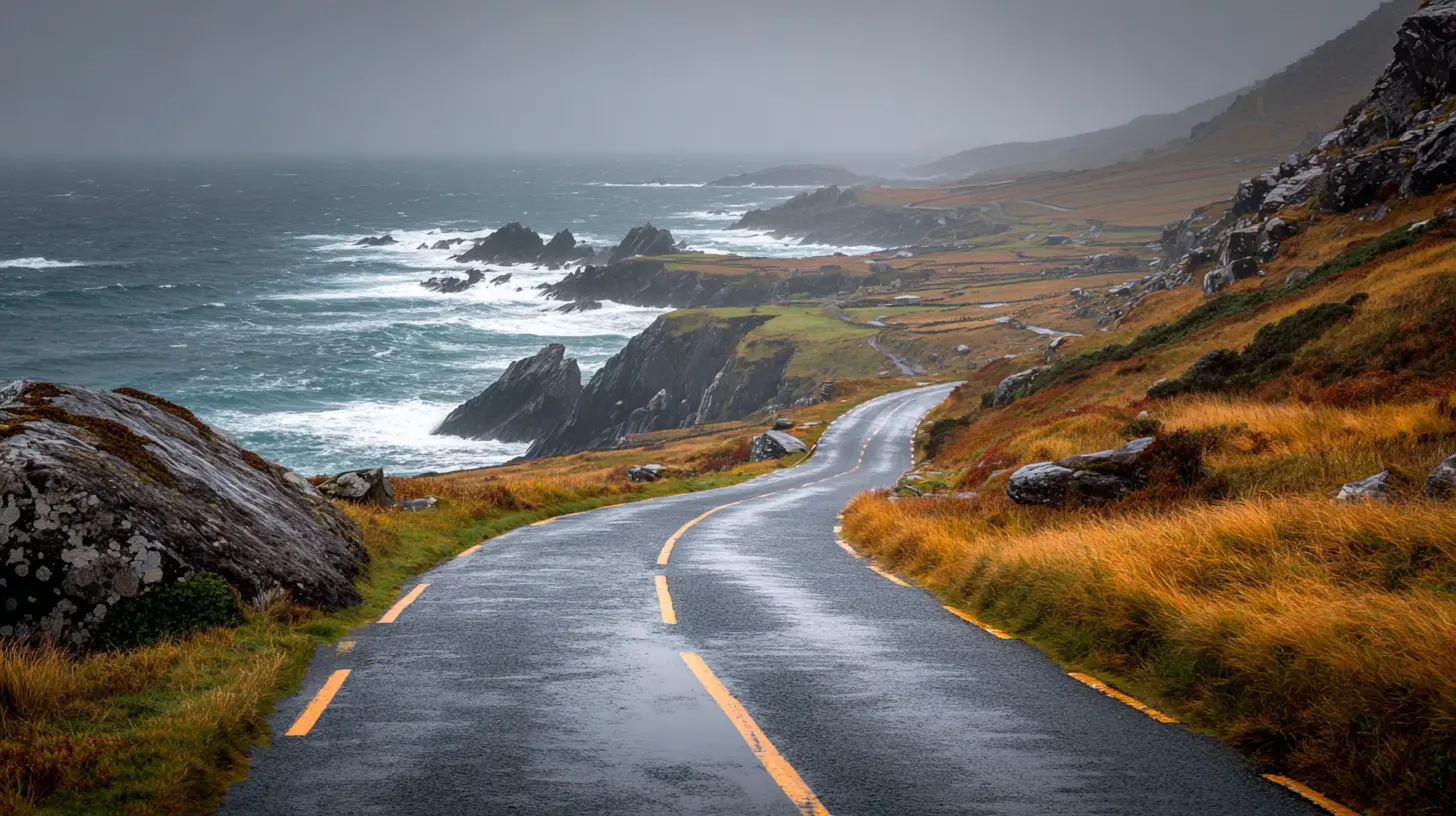
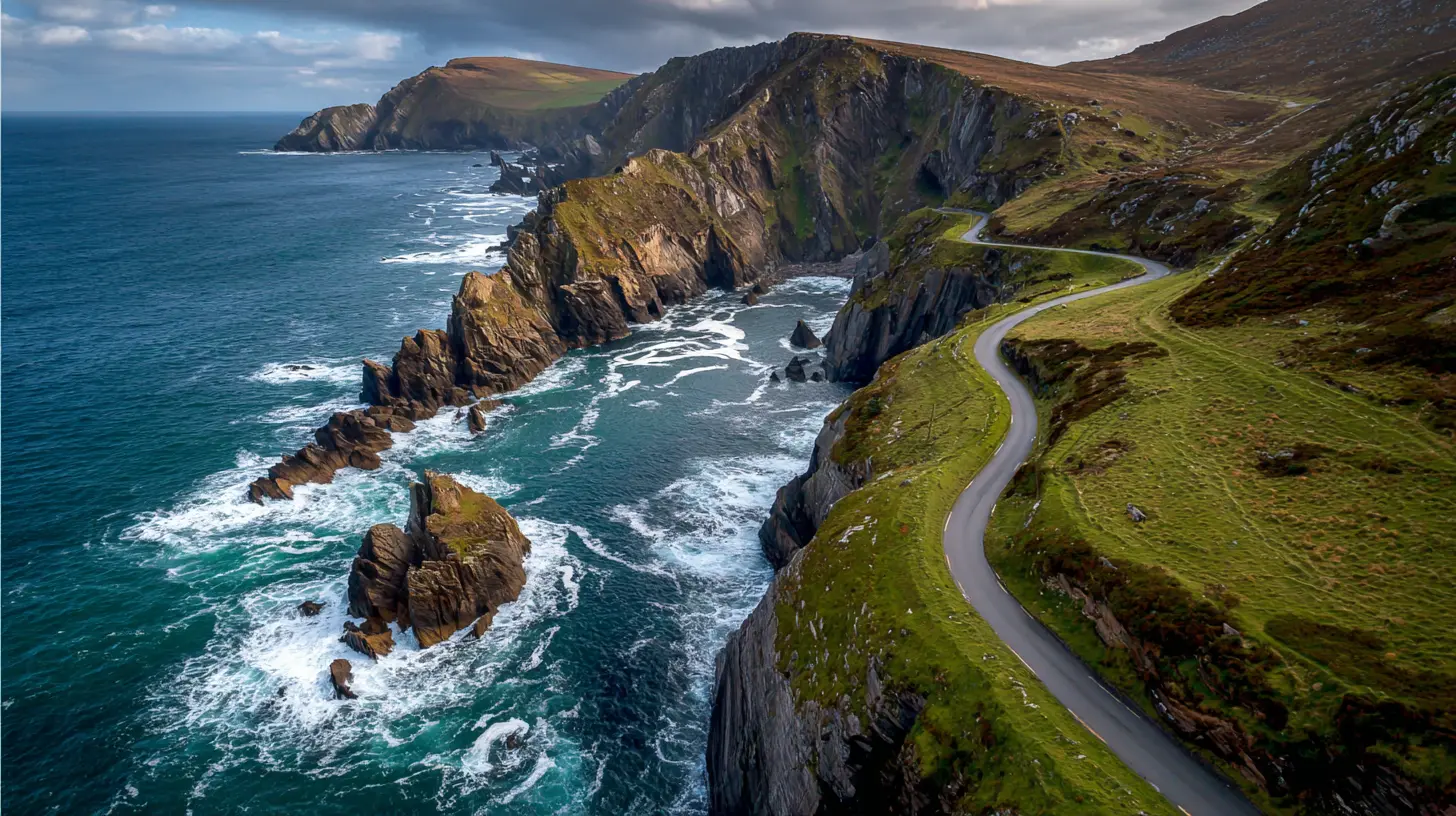
Here's a secret the brochures don't tell you: The Wild Atlantic Way is stunning, but the roads are basically goat paths with tarmac. In 2026, many of the smaller coastal roads are still single-lane affairs with "passing places." You'll be driving along, humming a tune, when suddenly a massive tour bus appears around a blind corner. You'll both stop. You'll stare at each other. Then you'll reverse twenty meters into a hedge to let them pass. This is normal. This is the dance.But here's the payoff: every twist and turn reveals a view that makes you gasp. A sheer drop to a cobalt bay. A ruined castle perched on a cliff. A field of sheep that looks like scattered popcorn. The real joy is on the "signature routes" like the Ring of Kerry, the Dingle Peninsula, and the Connemara Loop. In 2026, these are still popular, but the secret is to drive them early in the morning or late in the afternoon. You'll have the road almost to yourself, and the light is better for photos anyway.
The Pubs: Where the Real Magic Happens
You can't drive the Wild Atlantic Way without stopping for a pint. But not just any pint. The pubs in 2026 are still the heartbeat of every coastal village. They haven't been turned into glitzy tourist traps (mostly). Look for the ones with a peat fire, a dog sleeping by the hearth, and a local who's been sitting on the same stool for forty years.In a place like Doolin, you'll find music sessions that start at 9 PM and roll on until the barman yawns. In Westport, the pubs are cozy, with wooden floors that creak under your boots. And in the Gaeltacht (Irish-speaking) regions, you might hear a sean-nos singer-a raw, unaccompanied style of singing that sounds like the wind itself is telling a story. Don't be shy. Buy the musician a drink. They'll likely play another tune just for you.
One thing that's changing in 2026: craft beer is everywhere. You'll find local IPAs and stouts alongside the classic Guinness. And non-alcoholic options are better now, too. But honestly, if you're in a pub by the sea, order a pint of the black stuff. It's a religious experience.
The Food: Beyond Boxty and Brown Bread
Let's talk about eating. In 2026, the Wild Atlantic Way is a food lover's paradise. The days of bland, boiled everything are long gone. Now, you'll find world-class seafood shacks, farm-to-table bistros, and even Michelin-starred restaurants hiding in tiny fishing villages.In a place like Kenmare, you can eat fresh oysters pulled from the bay that morning, served with a squeeze of lemon and a cold glass of white wine. In Galway, the food trucks at the market serve Korean-Irish fusion tacos (trust me, they work). And in the Burren, there's a restaurant that grows its own herbs in the rocky limestone gardens. The cheese is incredible-try a slice of Cashel Blue or Gubbeen. And for dessert, find a spot that makes a proper apple tart with thick cream. You'll thank me later.
But don't ignore the simple stuff. A hot bowl of seafood chowder with brown bread on a rainy day is a life-altering experience. It's like a hug from the inside.
The People: Chatty, Curious, and Generous
Irish people are famous for being friendly, but on the Wild Atlantic Way, it's next-level. You'll be standing on a cliff, staring at the ocean, and a stranger will walk up and say, "Grand day, isn't it?" even if it's drizzling. They'll then tell you the history of the nearby ruin, recommend a pub you'd never find on Google Maps, and wave goodbye like you're old friends.In 2026, the locals are still proud of their coastline. They want you to love it. But they also want you to respect it. Don't leave rubbish. Don't park in farmers' gates. And if you see a sign that says "Private Property," don't assume it's a suggestion. The friendliness goes both ways. Smile. Say "thank you." Ask questions. You'll leave with more friends than you came with.
The Unexpected: Sheep on the Road, Ruins Everywhere, and Silence
This part is hard to describe until you experience it. The Wild Atlantic Way is full of moments that feel like they're from another century. You'll round a corner and find a 12th-century round tower standing alone in a field. You'll stop at a beach that has no footprints. You'll hear a silence so deep it rings in your ears.In 2026, some of these places are getting more attention, but many are still overlooked. The Ceide Fields in County Mayo, for example, is a Neolithic site that's older than the pyramids. You can walk on boardwalks over the bog and imagine the farmers who lived there 5,000 years ago. It's humbling.
And then there are the sheep. Oh, the sheep. They own the roads. They will block your car. They will stare at you with utter contempt. Don't honk. Just wait. They'll move when they're ready. This is their land. You're just visiting.
Practical Stuff: Booking, Driving, and Staying Connected
Let's get down to brass tacks. In 2026, you need to book accommodation in advance, especially in summer. The coastal B&Bs, guesthouses, and boutique hotels fill up fast. Don't assume you can just show up. You can, but you might end up sleeping in your rental car (which is not as romantic as it sounds).Driving is on the left. Yes, it's weird at first. Yes, you will accidentally turn on the windshield wipers when you mean to signal. This is a rite of passage. Rent a small car. Big cars don't fit on the narrow roads. And buy the full insurance. You'll thank me when a stone chips the windshield or a bush scratches the paint.
Cell service is good in towns but spotty in the deep countryside. Download offline maps before you go. And bring a physical map too. There's something satisfying about unfolding a paper map in a pub and asking a local, "Where's the best spot to watch the sunset?"
The Best Moments: A Few Must-Sees for 2026
If you only have a week, you can't see it all. But here's a shortlist of moments that will stick with you:- The Cliffs of Moher at sunrise. Beat the crowds. Stand at the edge (carefully) and watch the sun turn the Atlantic into gold.
- The Skellig Ring. A detour off the Ring of Kerry that's pure drama. The road clings to the cliff. The views are insane. And if you're lucky, you'll see puffins.
- Achill Island. Drive out to Keem Bay. It's a crescent of white sand framed by green mountains. It looks like a movie set.
- The Burren. This lunar landscape of limestone is weird and beautiful. Walk among the wildflowers and ancient stone walls.
- A night in Dingle. Eat fish and chips. Listen to music. Watch the sun set over the harbor. It's simple, but it's perfect.
The Takeaway: Why 2026 Is the Right Year
Look, the Wild Atlantic Way isn't going anywhere. But 2026 feels like a sweet spot. The crowds are growing, but they haven't peaked. The infrastructure is better, but the roads are still raw. The weather is unpredictable, but that's part of the charm.You'll come back with stories. The time a sheep blocked your car for ten minutes. The pub where a fiddler played a tune that made you cry. The rainbow that stretched from one island to another. The moment you stood on a cliff and felt so small, but in a good way.
So go. Drive slow. Stop often. Talk to strangers. Eat the seafood. And when you get home, you'll already be planning your next trip. That's what the Wild Atlantic Way does to you. It gets under your skin. And it stays there.
all images in this post were generated using AI tools
Category:
Iconic RoutesAuthor:

Pierre McKinney
Discussion
rate this article
1 comments
Fatima Lawson
Wild Atlantic Way offers stunning views and unforgettable experiences.
May 2, 2026 at 2:56 PM