Argentinian Asados: Discovering the Heart of Grilled Perfection
16 August 2026
There’s something almost magical about a flaming grill, the sizzle of meat hitting hot iron, and the smoky aroma curling into the air. In Argentina, this magic has a name: Asado. But don’t mistake it for just another barbecue—Argentinian asados are more than a way to cook food. They're a full-blown cultural ritual. A celebration. A way of life.
Let’s take a juicy deep dive into what makes Argentinian asados the heart of grilled perfection.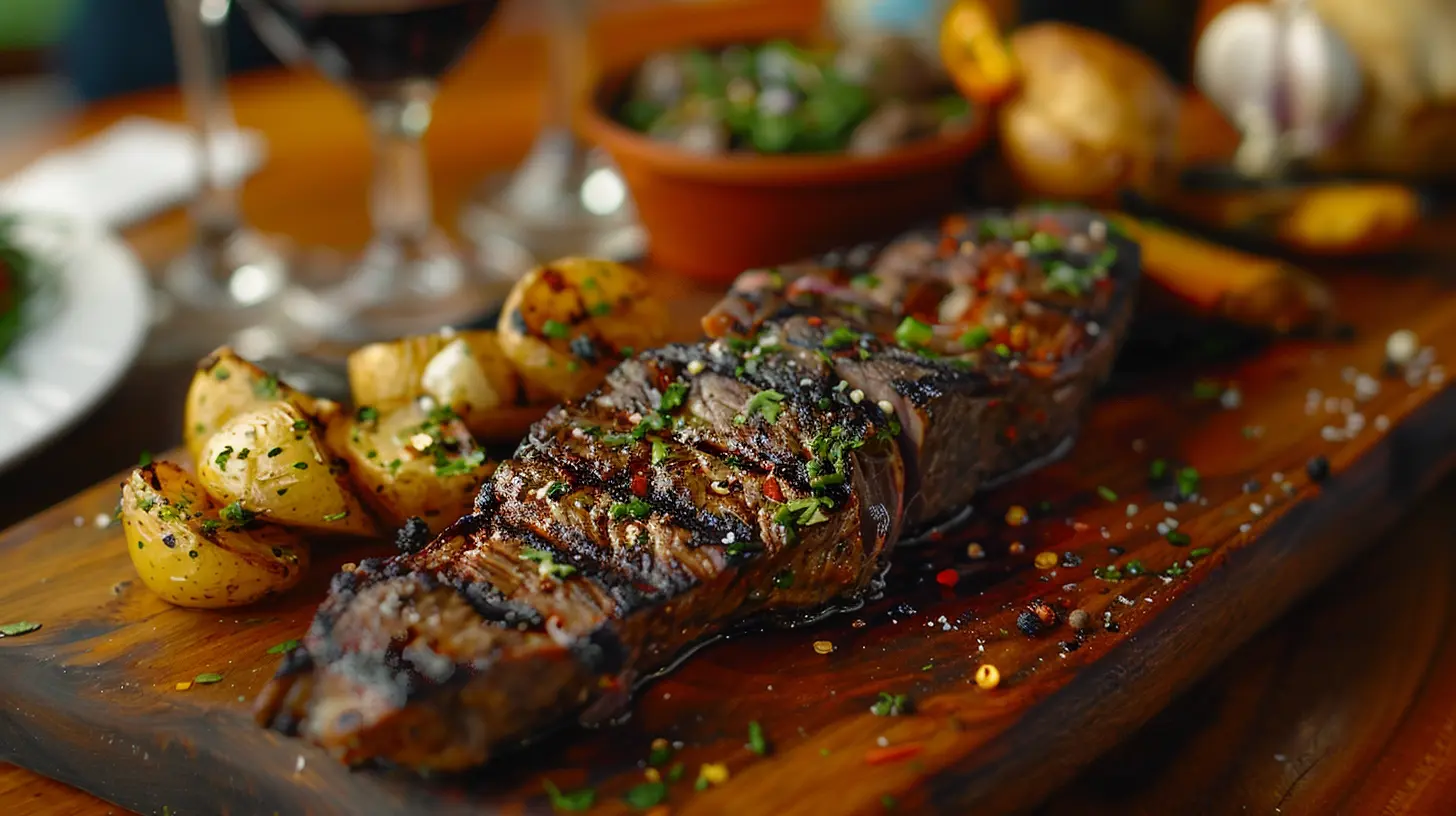
What Exactly Is an Asado?
Think of an asado as Argentina’s version of a backyard barbecue—but on steroids. It’s not just about throwing a few burgers on the grill; it’s an event, a social gathering, and a culinary tradition passed down through generations.At its core, an asado is a method of grilling beef (and sometimes other meats) over an open flame, usually using wood or charcoal. But to call it just that would be selling it short. Asado is a sacred experience, one that’s deeply woven into the nation's identity.
And the meat? Oh, the meat is king here. With Argentina having one of the highest beef consumption rates in the world, it’s no surprise they’ve mastered the art of grilling it.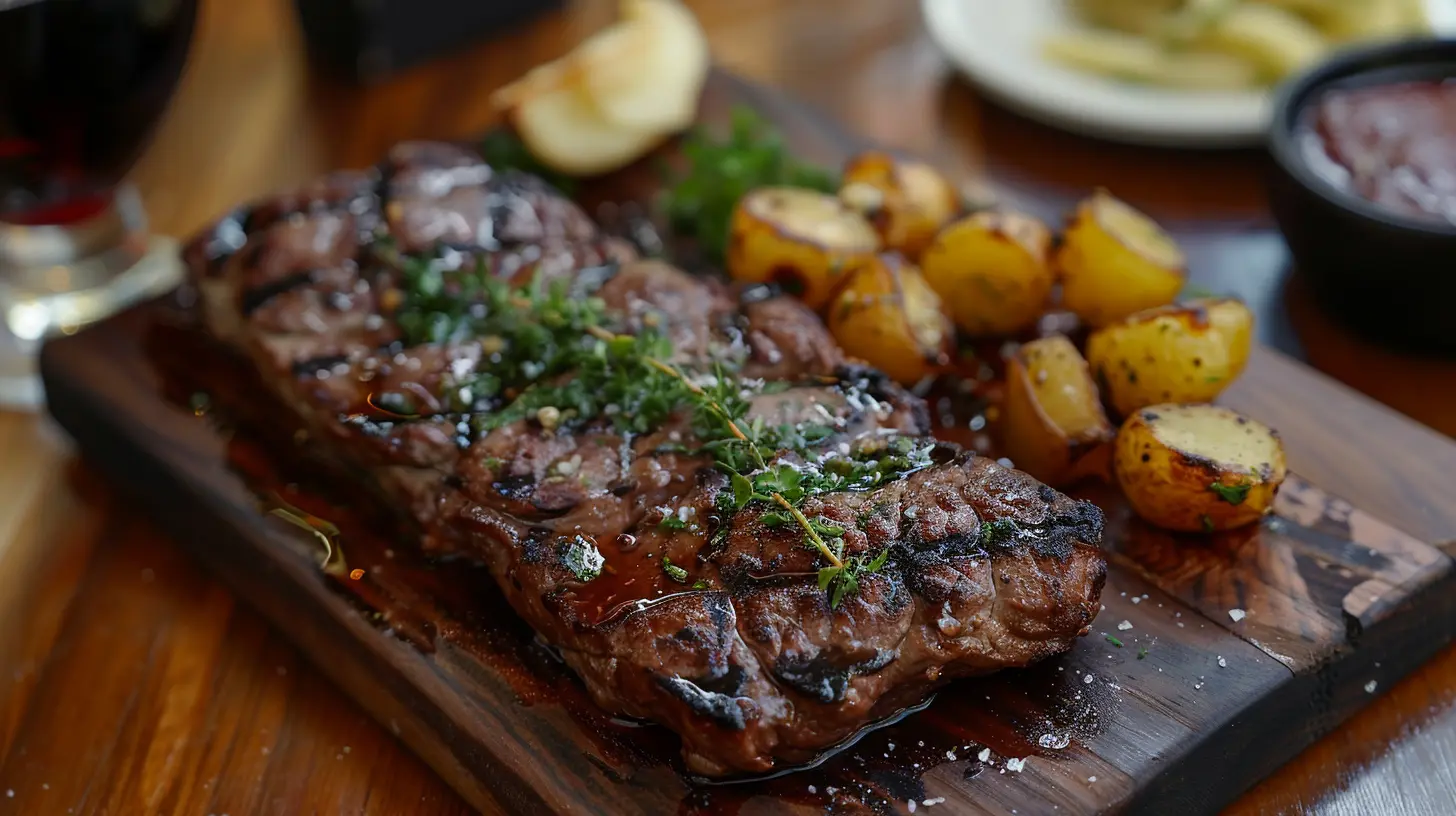
A Brief Glance at History
So how did Argentina become the Mecca of grilled meats?Let’s rewind to the 18th century with the gauchos—those rugged cowboys of the Pampas. These guys would roam the grasslands with cattle and cook their meals over an open fire. Simple, rustic, and wildly flavorful.
This was the dawn of the asado.
Over time, this basic cooking method evolved into a full-blown culinary tradition that spans geography and generations. Today, it’s a symbol of Argentinian pride and hospitality.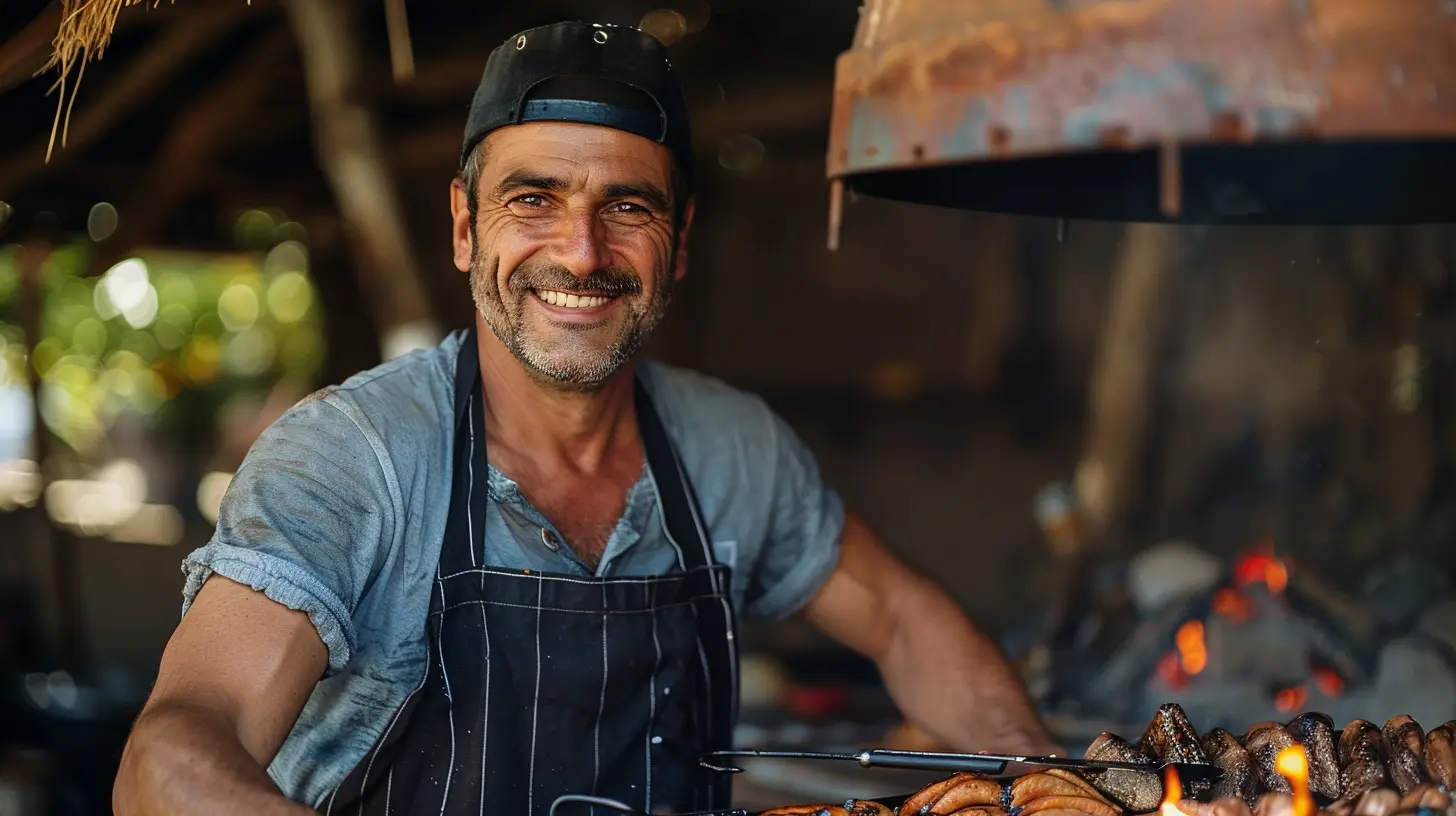
The Asador: Master of the Grill
In Argentina, when someone invites you to an asado, they’re offering more than just a meal—they’re showing you trust. And at the center of it all is the asador, aka the grill master.The asador doesn’t just grill meat. They command the fire, know exactly when to flip a steak, and most importantly, when not to. These folks are part chef, part magician. They’re patient, precise, and revered. It’s not uncommon for families to have one designated asador, usually someone who's been perfecting their technique for years.
The pressure’s real. There’s an unspoken expectation that the asado must be perfect. After all, you’re not just feeding people—you’re delivering an experience.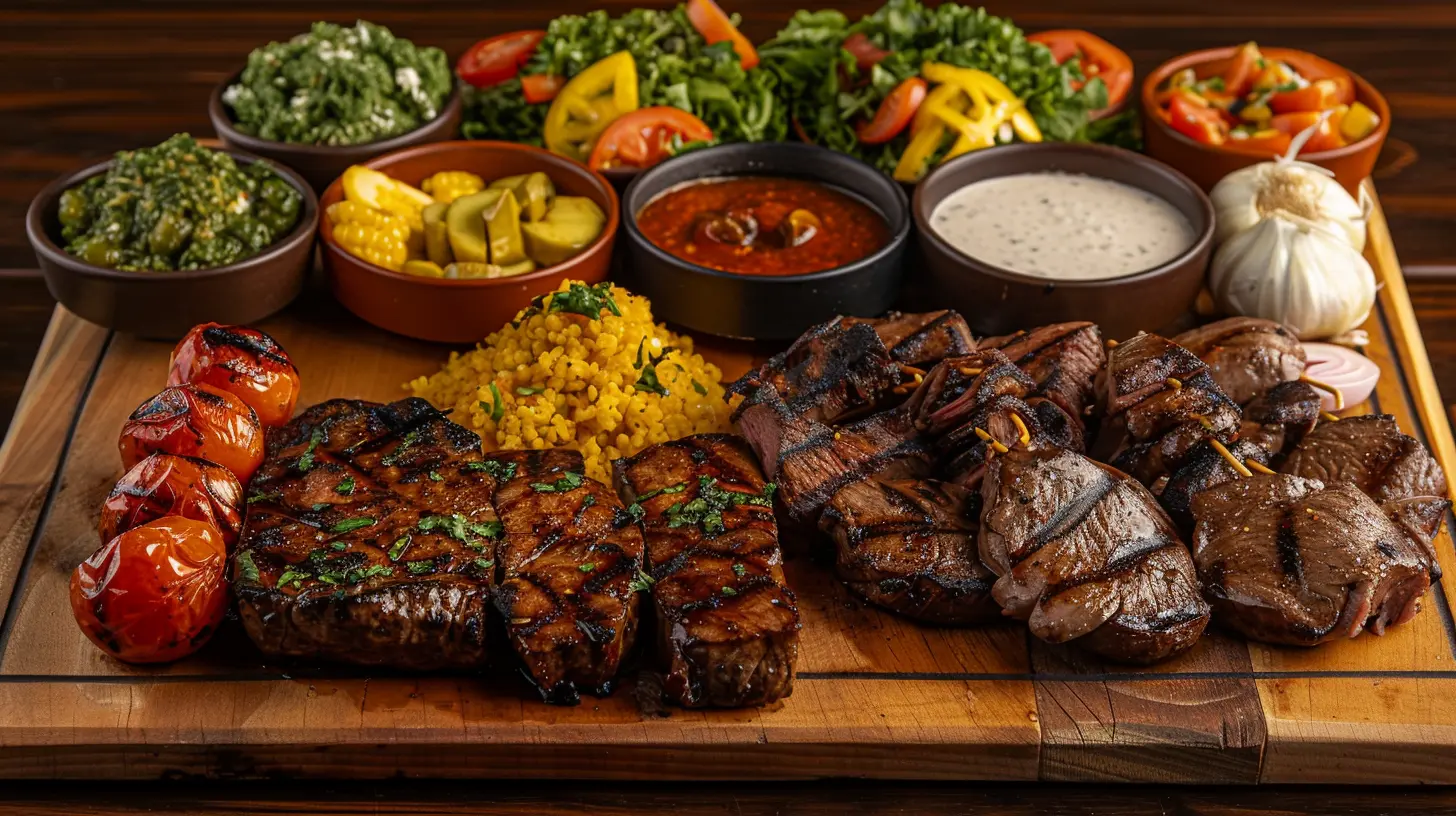
The Grill Setup: Parrilla vs Asador Criollo
Not all grills are created equal, and in Argentina, you’ll mainly find two styles:1. Parrilla
This is the classic metal grill with grated grates, often adjustable in height over a bed of hot coals. It’s the most common setup in urban homes and restaurants. The parrilla offers balance—control over heat and placement, allowing the asador to get the perfect char.2. Asador Criollo
This one's the rustic route. Picture large cuts of meat (sometimes whole animals!) mounted vertically on iron crosses called 'asadores'. These are cooked slowly over wood embers in an open pit. It’s old-school and utterly mouthwatering.Both setups get the job done, but each offers a different flavor profile and cooking atmosphere.
The Fire: It's All About the Wood
Forget gas grills—real asado uses firewood or charcoal. That’s non-negotiable.Wood, especially from trees like quebracho or algarrobo, adds a smoky, earthy flavor that propane simply can’t touch. Some asadors even mix woods to enhance complexity in taste. The fire's slow burn draws out the richness of each cut.
The key? Let the wood burn down to embers. Flames are a no-go—they char the meat too quickly. The goal is slow, even cooking that locks in moisture and flavor.
The Meat: Cuts You Need to Know
Here’s where things get meaty—literally.Argentinian beef is famous worldwide, thanks in part to the free-range, grass-fed cattle from the Pampas region. The result? Tender, flavorful meat that doesn’t need much seasoning.
Some must-try cuts at an asado include:
- Tira de Asado (Short Ribs): Cut across the bone, meaty, juicy, and a must-have.
- Vacío (Flank Steak): Lean but super flavorful; it gets that perfect crust on the grill.
- Entraña (Skirt Steak): Rich and fatty, a crowd favorite.
- Chorizo (Sausage): Not to be confused with the Spanish one—Argentinian chorizo is mild and perfect with chimichurri.
- Morcilla (Blood Sausage): Not for the faint of heart, but beloved for its soft, rich texture.
And let’s not forget chicken, lamb, pork, and even provoleta (grilled cheese). Yep, cheese on a grill. It bubbles, crisps, and melts into a bite of heaven.
The Ritual: More Than Just a Meal
An asado isn’t fast food. It’s slow, deliberate, and social.Expect to wait a couple of hours before even thinking about eating. While the asador works their magic, guests sip on Malbec, nibble on picadas (cheeses, olives, cured meats), and chat away.
Then comes the meat, served in rounds. There’s no fancy plating—just slabs of meat on cutting boards, sometimes served right off the grill. Everyone grabs a bit. It’s family-style eating at its finest.
Here’s the kicker: bread is the fork. Seriously. Most folks just grab a piece of crusty bread and go at it. It’s rustic, primal, and 100% satisfying.
Chimichurri: The Soulmate of Asado
No conversation about asado is complete without mentioning chimichurri. This zesty green sauce is the unofficial condiment of Argentina. Made with parsley, garlic, vinegar, oregano, and olive oil, it packs a fresh, tangy punch that balances the richness of grilled meats.Drizzle it, dunk in it, or smear it all over your steak—whatever works for you.
Asado Etiquette: Dos and Don'ts
Alright, if you’re ever lucky enough to be invited to an authentic Argentine asado, keep these cultural tips in mind:- Do offer to bring wine or dessert (Malbec and flan score major points).
- Don’t try to help the asador unless you're explicitly asked. It’s their sacred space.
- Do practice patience; eating usually starts late.
- Don’t request your meat well-done. It's practically a sin.
- Do bring your appetite.
Regional Variations: Asado Across Argentina
Argentina’s a big country, and naturally, asado varies by region.- In Patagonia, you’ll find lamb cooked on the asador criollo, slow-roasted for hours until it just falls apart.
- In the northwestern provinces, expect bold spices and indigenous influences, adding a unique twist.
- In Buenos Aires, the urban parrilla reigns, with cuts cooked quickly over hot embers—efficiency meets flavor.
The Modern Twist
You’d think with all the tradition wrapped around asado, there wouldn’t be room for change—wrong. The new wave of Argentinian chefs are pushing boundaries while respecting the roots. You’ll find chefs infusing local herbs, smoking meats for longer periods, or even giving vegetarian options a smoky makeover (like grilled eggplants and provoleta).But at its heart, asado’s soul remains untouched: good meat, slow fire, and great company.
Why Asado Is More Than Just Food
What really sets Argentinian asado apart isn’t the meat, the grill, or even the epic sides—it’s the atmosphere.You gather with friends and family. You unplug from the noise. You connect. It’s a time to slow down, share stories, and make memories. The asado fire isn’t just about cooking—it’s a warm hearth that draws people in.
In a world obsessed with speed, asado teaches us to savor—not just food, but life.
Final Thoughts
So, next time someone mentions a “grill-out,” your mind should immediately jump to Argentina, where grilling is practically a philosophy. Whether you’re sitting on a ranch in the Pampas or a tiny courtyard in Buenos Aires, one thing’s certain: asado is the beating heart of Argentinian culture.If you ever get the chance, don’t just eat the meat—immerse yourself in the moment. Let the flavors, the stories, and the fire wrap around you. Because if you ask any Argentinian, they’ll tell you: an asado isn’t just a meal—it’s a memory.
all images in this post were generated using AI tools
Category:
Culinary AdventuresAuthor:

Pierre McKinney