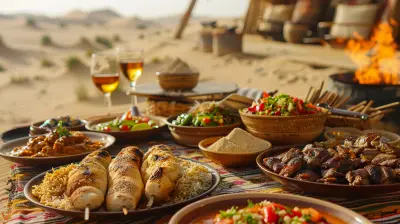
Artisan Markets in Mexico: A Culinary Treasure Hunt
30 June 2026
If you're one of those travelers who believes that the real heart of a destination lies in its markets, then Mexico should be high on your foodie bucket list. Forget the polished boutique experiences or the typical tourist traps—what you want is grit, color, smell, flavor, and a whole lot of character. Welcome to the world of artisan markets in Mexico, where food isn't just nourishment; it's tradition, expression, and community—all wrapped into one delicious, handmade package.
Some folks hunt for treasure with maps, but here? Your best tools are your nose, taste buds, and a curious palate. Let’s dive headfirst into the edible wonderland that is Mexico's artisan markets. Get ready for a culinary treasure hunt like no other.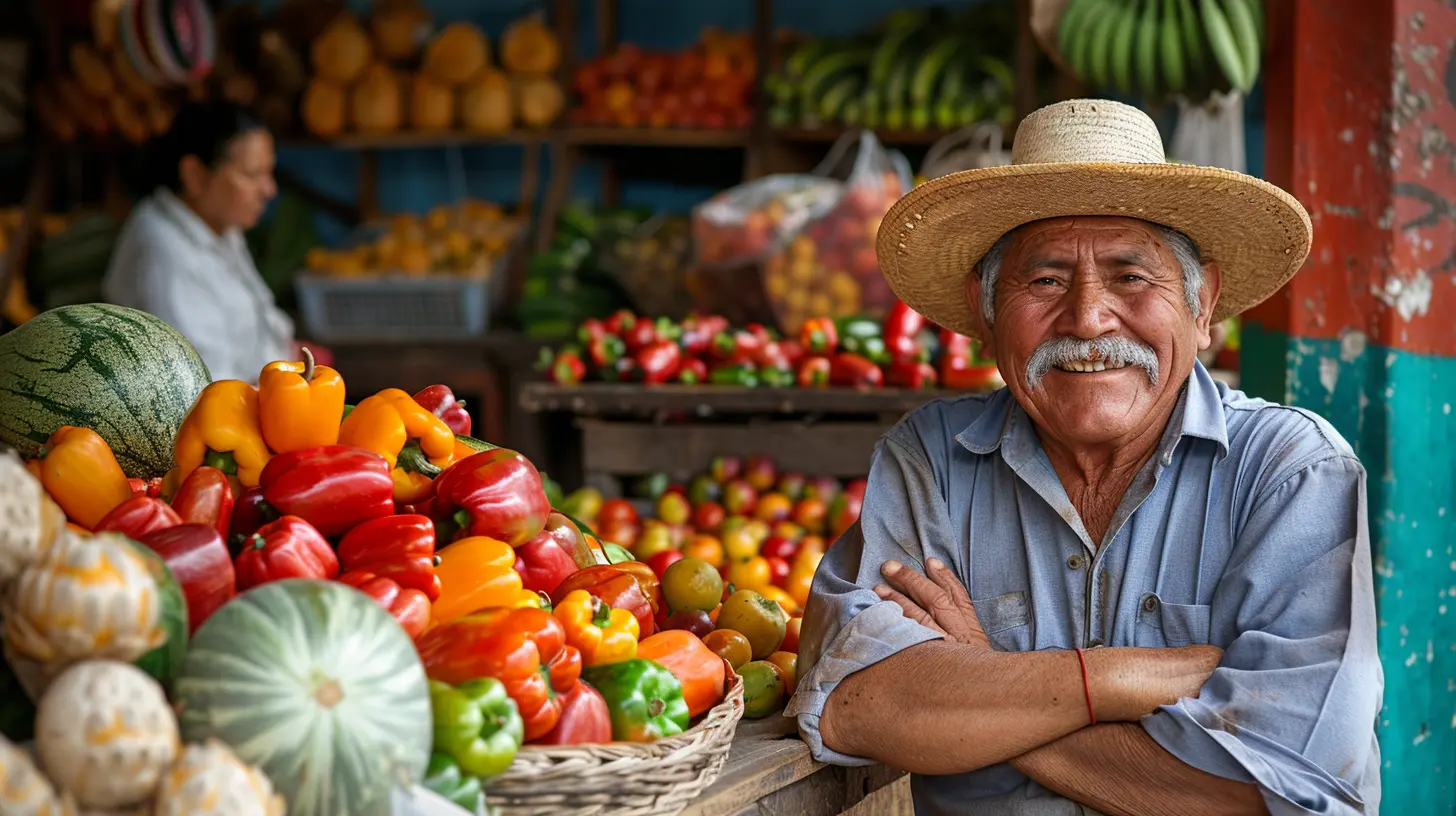
What Makes Artisan Markets So Special?
Before we get to the tasty details, let's clear something up: not all markets are created equal. Artisan markets, or mercados artesanales, are the soul of Mexican towns and cities. They’re not just places to grab groceries—they're where grandmothers whisper family recipes, where vendors have been setting up shop for generations, and where spices, colors, and smells collide to create sensory overload—in the best way possible.You won’t find processed or industrial foods here. Everything is handmade, homegrown, or hand-harvested. Think heirloom corn turned into tortillas right before your eyes, fresh cheese wrapped in banana leaves, mole pastes ground on the spot, and chili blends that could make or break your next meal.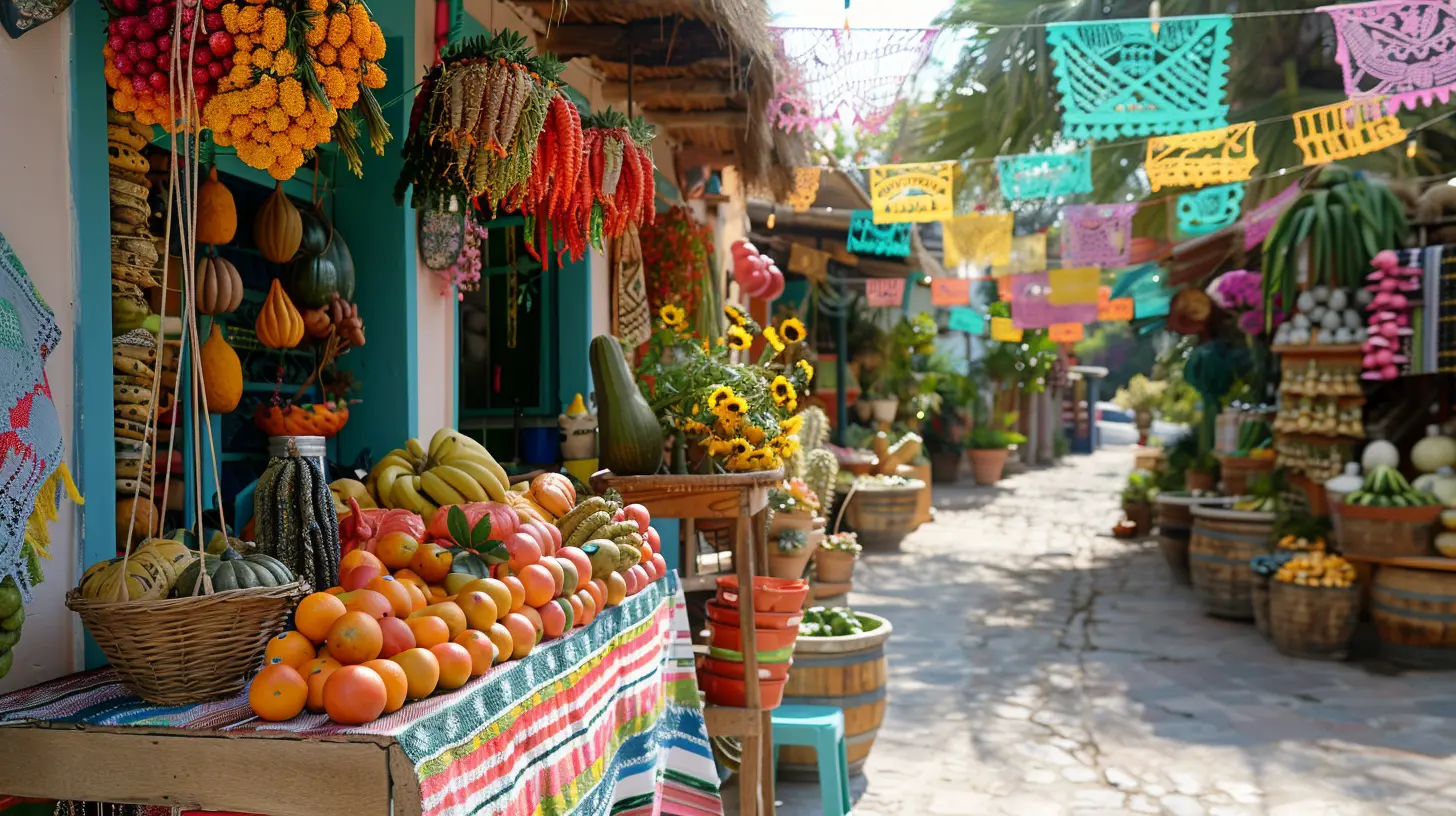
A Culinary Tour Across Regions
Oaxaca: Mole, Mezcal, and More
Let’s kick off in Oaxaca—arguably the holy grail of artisan markets. Known as the “Land of the Seven Moles,” Oaxaca is a flavor-packed paradise. Head to Mercado Benito Juárez, and you’ll understand why food lovers drool at the mere mention of this place.Here, mole pastes—rich, complex sauces made from chilies, nuts, spices, and sometimes chocolate—are made in small batches and sold by the kilo. Want to try mole negro the way abuela used to make it? This is where you’ll find it.
Don’t miss the mezcal booths tucked between spice stalls. Sip samples (yes, it’s legal), and chat with the producers—it’s often their family recipe, brewed in backyard palenques.
Yucatán: Tropical Twists and Mayan Flavors
Next stop, the Yucatán Peninsula. The artisan markets here are rich in citrus, habanero heat, and Mayan heritage. In Mérida’s Mercado Lucas de Gálvez, you’ll stumble upon vibrant baskets overflowing with sour oranges, recado spice pastes in earthy red and black tones, and handmade tortillas made from centuries-old corn varieties.Looking for something unusual? Keep an eye out for cochinita pibil, a slow-roasted pork dish buried in banana leaves and marinated with achiote. Artisan vendors prepare it fresh every morning—if you're late, you’ll miss out!
Puebla: Cemitas and Sweet Surprises
Puebla, the birthplace of mole poblano, also boasts some of Mexico's most charming artisan markets. El Parián Market is a hybrid of food and craft, where you can munch on a freshly baked cemita (think giant sandwich with crispy cutlet, avocado, and chipotle) while browsing Talavera pottery.Sweet tooth? Try the camotes, sweet potato candies wrapped in colorful cellophane. These treats have been handcrafted the same way for decades and make perfect edible souvenirs.
Chiapas: Coffee, Cacao, and Cultural Richness
Want to taste some of the best coffee in your life? Head to Mercado de Santo Domingo in San Cristóbal de las Casas. Chiapas is famous for its highland-grown coffee and rich cacao traditions. Here, artisan producers bring small-batch beans and offer tastings of chocolate that's ground, spiced, and shaped by hand.Try sipping on pozol, a traditional fermented cacao and corn drink—yes, it’s as intriguing as it sounds. It’s an acquired taste, but hey, when in Chiapas, right?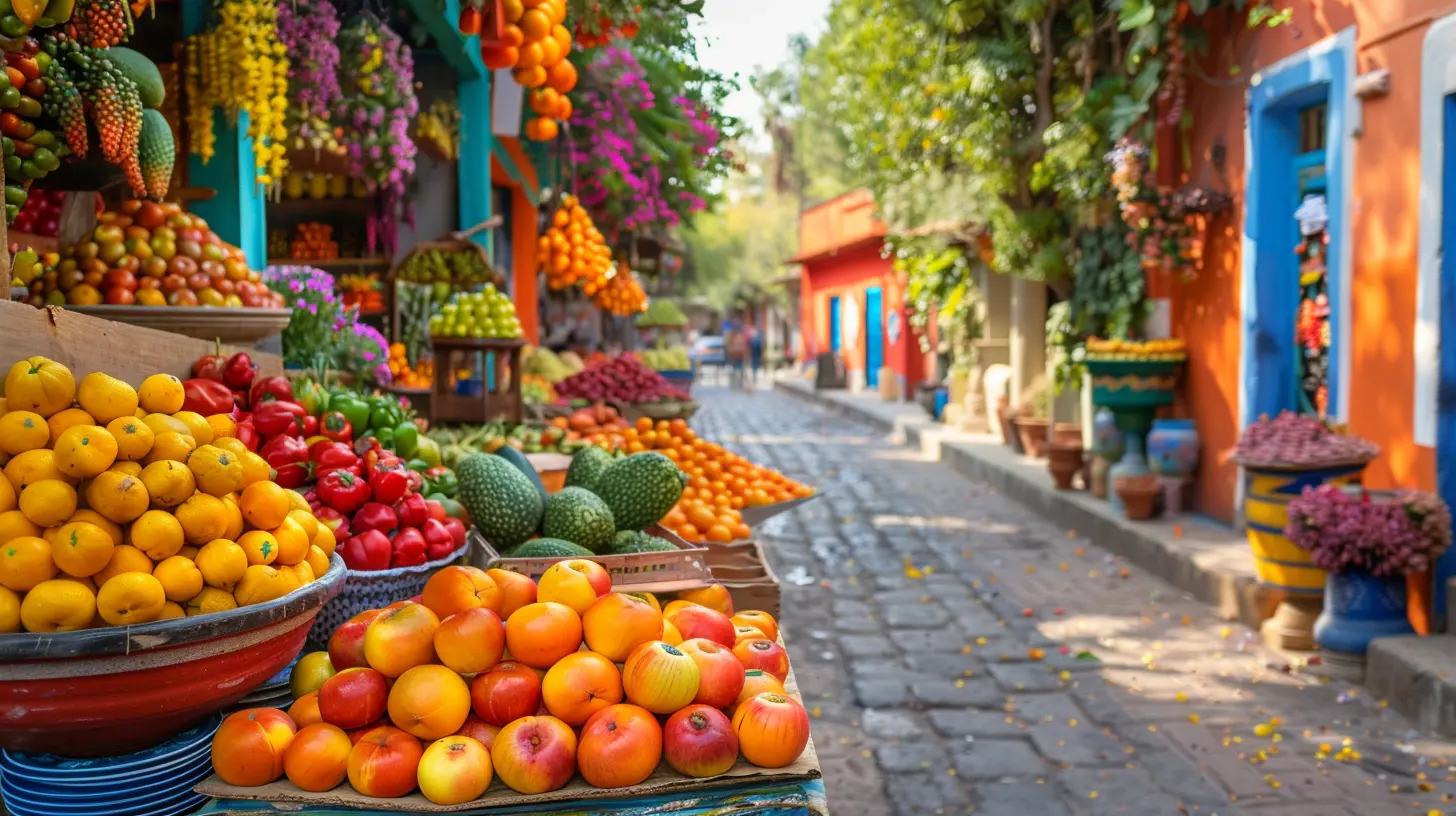
What to Eat (and Not Miss)
So what should you actually taste while treasure hunting? Here's a delicious cheat sheet:1. Handmade Tortillas
Forget store-bought. These tortillas are made from non-GMO, heirloom corn, nixtamalized (an ancient process that boosts nutrition), and pressed right in front of you. Warm, slightly charred, and absolutely divine.2. Tamales
There are dozens of types: tamales de rajas (with chili strips), tamales dulces (sweetened with cinnamon and sugar), and tamales de mole. Unwrap one like a gift—fluffy masa dough filled with love and flavor.3. Salsas and Chili Blends
Every region has its secret weapon. In artisan markets, you can sample and buy thick pastes, dried spice mixes, and chili oils that add serious punch to any dish.4. Fresh Cheeses
From crumbly queso fresco to smooth, stringy Oaxaca cheese, local dairy producers often bring their creations fresh that morning. You’ll never look at supermarket cheese the same way again.5. Exotic Fruits
Dragon fruit, zapote, mamey, guanábana—half of these you may have never heard of, but they’re bursting with flavor. Vendors will happily offer slices to sample.6. Street Snacks with a Gourmet Twist
Elote (grilled corn slathered in mayo, cheese, and chili powder), esquites (corn in a cup with lime and spices), and freshly fried chicharrón—these might be street snacks, but when made with artisan techniques? Absolute gold.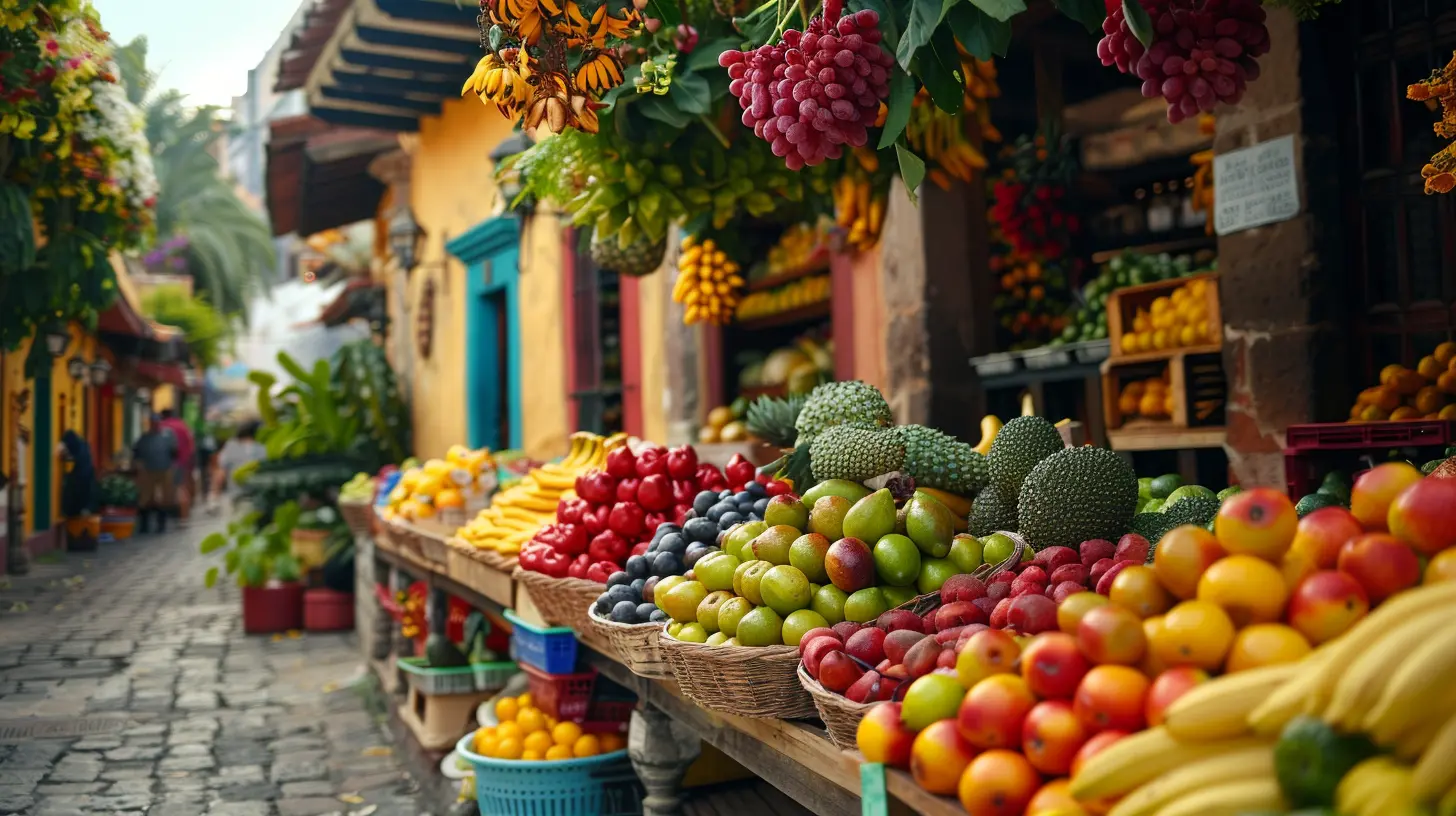
The Art of Bargaining (with Respect)
Now, a quick word on buying: artisan vendors aren’t your average salespeople. Many are artisans in the truest sense—crafting not just food but cultural heritage. That said, bargaining is part of the fun, but do it with a smile and respect. Ask questions, show appreciation, and don’t haggle over a few pesos. That mole paste probably took hours to make.When Are the Best Times to Go?
Simple answer? Early. Markets usually kick off at dawn, and by late morning, the best batches are gone. Sundays are often the biggest market days, though some cities have rotating tianguis (traveling markets) that pop up on specific weekdays. A little research goes a long way—but spontaneity doesn’t hurt either.Got jet lag? That’s a blessing. Use it as your excuse to hit the market before the rest of the world wakes up.
Insider Tips for Your Culinary Treasure Hunt
- Bring small bills and coins – Most vendors won’t have change for large notes.- Pack reusable bags or containers – Help reduce waste and carry your goodies like a local.
- Taste before you buy – Vendors are often generous with samples.
- Ask questions – You'll learn so much just by chatting with the seller.
- Be open-minded – Not everything will look familiar, but stepping out of your comfort zone is half the fun.
Artisan Markets Are More Than Just Food
Sure, the edible part is amazing—but these markets are living museums. Every stall tells a story. Behind that cheese is a dairy farm run by three generations. That salsa recipe? It’s probably older than most of us.You’ll find handmade baskets, traditional textiles, hand-carved utensils, and pottery that complements the culinary scene. You might come for the food, but you’ll leave with your hands full and your heart fuller.
Final Thoughts: Why This Hunt is Worth It
Wandering through artisan markets in Mexico is like reading a love letter written in ingredients. It’s hands-on, sensory, grounding, and—let’s face it—delicious.So grab a tote bag, bring a hearty appetite, and treat each vendor stall like a chapter in a gastronomic fairy tale. Whether you're a casual foodie or a seasoned culinary crusader, artisan markets are where Mexico truly reveals its delicious soul.
Happy treasure hunting!
all images in this post were generated using AI tools
Category:
Culinary AdventuresAuthor:

Pierre McKinney
Discussion
rate this article
1 comments
Evren Griffin
Discover authentic flavors and unique crafts at Mexico's vibrant artisan markets.
August 9, 2026 at 4:16 PM