Savoring Desert Cuisine: Culinary Delights from the Sands
5 August 2026
When you think of a desert, the first thing that probably pops into your mind is endless dunes, scorching heat, and maybe a rogue camel or two. But did you know that the desert is also home to some of the most unique and delicious foods on the planet? That’s right—beyond the sand and sun, there’s an entire world of flavors waiting to be discovered.
From slow-cooked meats buried under hot coals to sweet treats born from sheer resourcefulness, desert cuisine is nothing short of a culinary adventure. So, loosen your belt and prepare your taste buds—we’re diving headfirst into the extraordinary dishes that make up desert gastronomy!
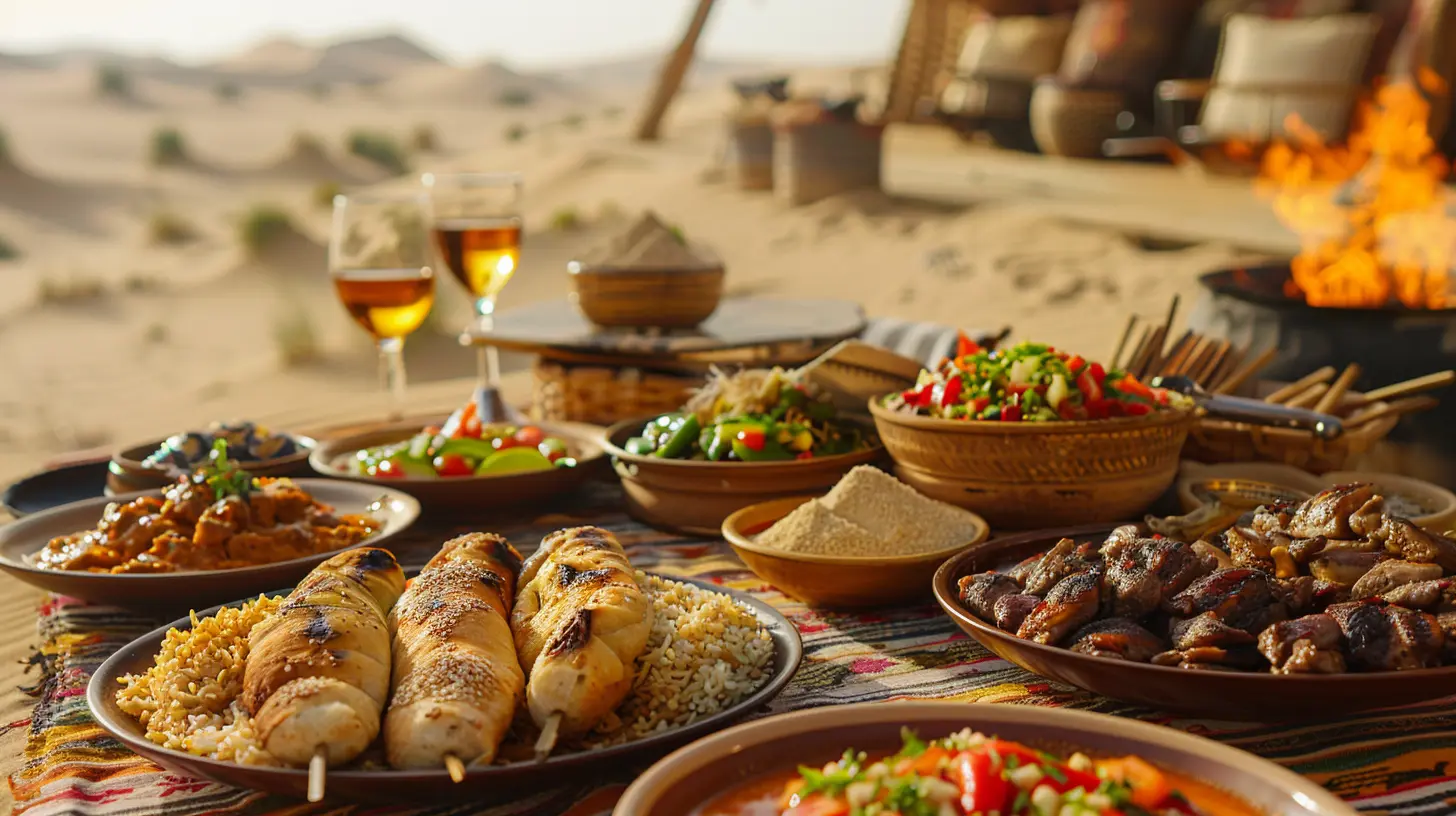
The Magic of Desert Cooking: A Battle Against the Elements
Desert cooking is all about working with what you have. Unlike lush farmlands where fresh ingredients are abundant, the desert presents a different challenge—scorching temperatures, scarce water, and a landscape that doesn’t exactly scream “restaurant garden.”But, where there’s a will, there’s a way! Cultures living in these arid regions have mastered the art of making something out of (almost) nothing. They’ve developed ingenious ways to cook, preserve, and serve food, resulting in dishes that not only withstand the elements but also burst with flavor.
Now, let’s take a closer look at some of the most iconic desert dishes from around the world.
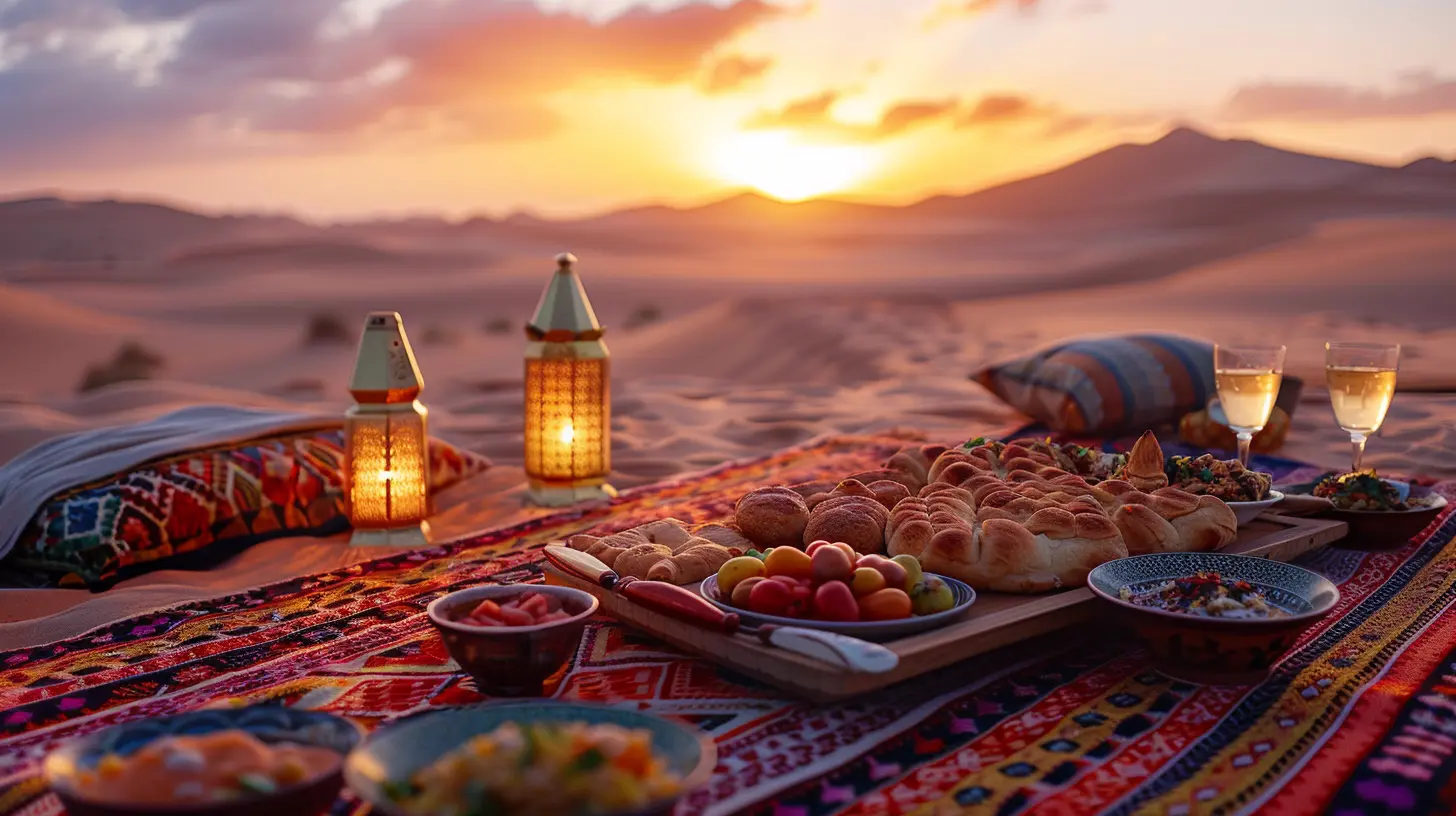
1. Camel Meat: The King of the Desert Feast
Let’s be honest—when was the last time you saw "camel burger" on a restaurant menu? Probably never, unless you've dined in the Middle East or North Africa. This lean, protein-packed meat has been a staple in desert communities for centuries.Why Eat Camel?
- It’s surprisingly tender when cooked right.- Packed with nutrients, camel meat is a healthier alternative to beef.
- In desert regions, camels are already well-adapted to the environment, making them a sustainable food source.
Whether it’s grilled as kebabs, slow-cooked in a rich stew, or even stuffed whole for massive celebrations, camel meat is a prime example of adapting to local resources.
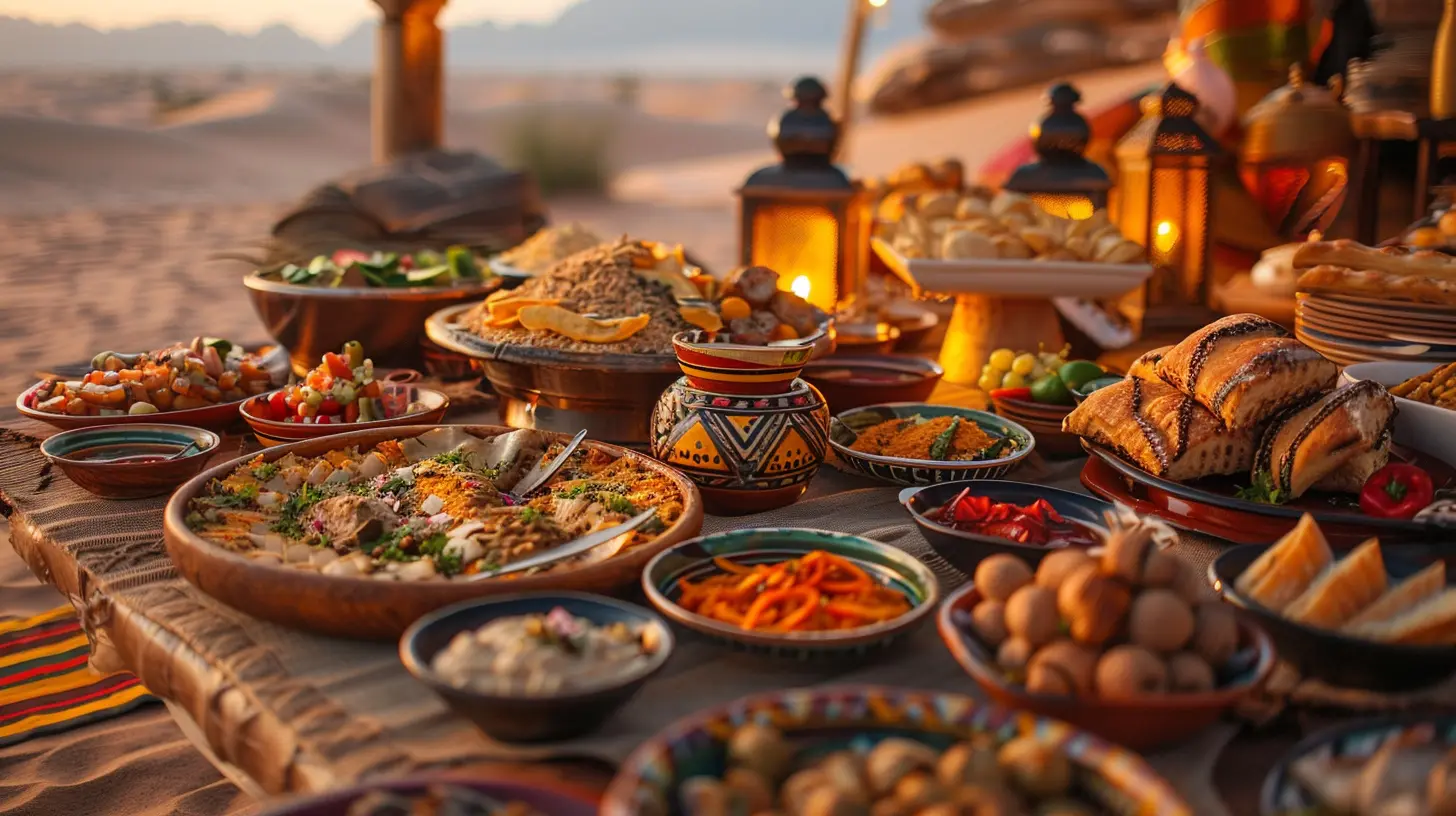
2. Taguella: Sahara’s Answer to Flatbread
Bread is life, even in the heart of the desert. Enter Taguella, a traditional flatbread of the Tuareg people in the Sahara. Unlike your typical oven-baked loaf, this bread is buried under hot sand and embers, creating a crispy crust with a smoky taste.How It’s Made:
1. Flour, water, and salt are mixed into a dough.2. The dough is flattened and placed directly into hot sand.
3. Covered with embers, it bakes for about 30 minutes.
4. Once cooked, the sand is brushed off, and the bread is enjoyed with rich sauces or dipped in olive oil.
It’s simple, rustic, and absolutely satisfying. There’s something poetic about baking bread literally in the Earth’s embrace.
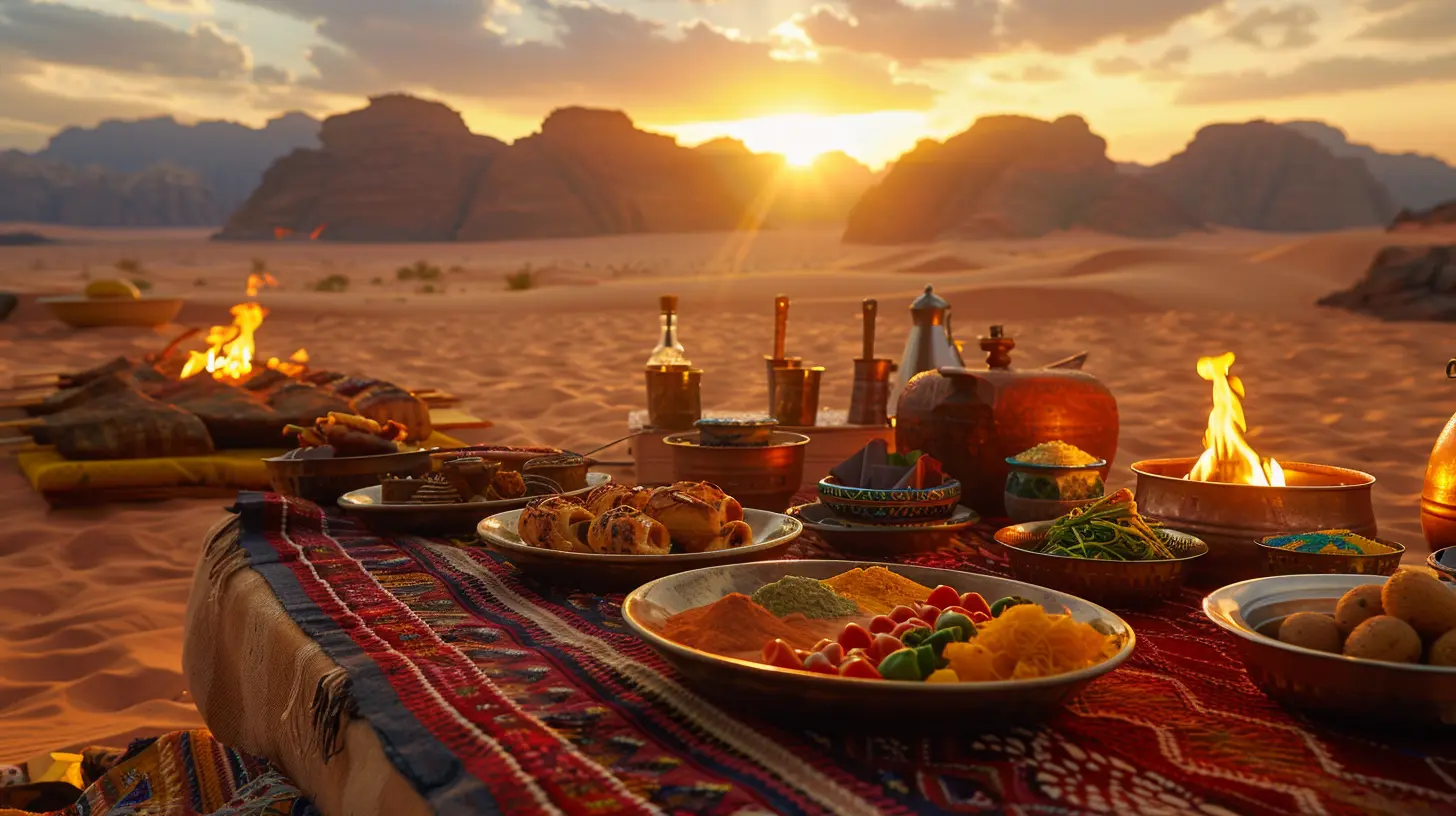
3. Dates: The Candy of the Desert
If the desert had an official fruit, it would undoubtedly be the date. These little pockets of caramel-like sweetness have been a crucial part of desert diets for centuries.Why Are Dates So Popular?
- They’re energy-packed, making them a great travel snack.- They don’t spoil easily, perfect for long journeys across the desert.
- They can be eaten raw, dried, stuffed, or blended into drinks.
Some say that dates are “nature’s candy,” and honestly, they’re not wrong! Whether eaten plain or mixed into dishes like date syrup and Ma’amoul (date-filled cookies), they provide a natural sweetness unlike anything else.
4. Mutton Mandi: The Arabian Sand-Pit Roast
Now, if you love barbecue, you’re going to drool over Mandi—a slow-cooked masterpiece from Yemen that has spread across the Arabian Peninsula.What Makes Mandi Special?
- The meat (usually lamb or mutton) is seasoned with a blend of desert spices like cardamom, cloves, cumin, and cinnamon.- Traditionally, the meat is buried in an underground tandoor-style pit, where it slow-cooks in its own juices, absorbing smoky flavors.
- Served over fragrant rice with a side of spicy salsa, this dish is pure comfort food.
Mandi is a prime example of how desert cultures make the most of minimal cooking equipment while still delivering mouthwatering flavors.
5. Agave and Cactus Delights: Mexico’s Desert Gems
Desert cuisine isn’t just about the Middle East and Africa—Mexico’s arid regions have their own culinary treasures!Cactus Tacos
Yes, you read that right. Cactus (or nopales) are edible, and they’re actually delicious! The green paddles are de-spined, sliced, and either grilled or sautéed, resulting in a slightly tangy, chewy texture that pairs perfectly with corn tortillas.Agave: More Than Just Tequila
The agave plant isn’t just the source of tequila—it also produces agave nectar, a natural sweetener used in drinks and desserts. And if you’ve never tried roasted agave hearts, you’re missing out—they have a caramelized, earthy sweetness that's surprisingly addicting.6. Aseeda: The Sticky, Gooey Comfort Food
Picture this—you’re sitting around a fire, a bowl in front of you filled with a warm, sticky, dough-like dish that’s been drenched in honey and butter. That, my friends, is Aseeda.A popular dish across North Africa and the Middle East, Aseeda is made from wheat flour, water, and a dash of salt, cooked into a soft, pudding-like consistency. It’s then topped with ghee (clarified butter) or honey for a soul-warming treat.
This dish is proof that sometimes, the simplest ingredients create the most comforting meals.
7. Desert Tea: Brewing Relaxation in Harsh Climates
If you ever visit a desert community, you’re almost guaranteed to be offered a cup of tea. And not just any tea—we’re talking about strong, sweet, sometimes smoky brews that are as much about hospitality as they are about hydration.The Secret Behind Desert Tea
- Often made with green or black tea leaves.- Brewed multiple times to make it stronger (because weak tea is a crime in the desert).
- Typically sweetened with heaps of sugar.
- Sometimes infused with fresh mint for a refreshing kick.
Drinking tea in the desert isn’t just about quenching thirst—it’s a moment to slow down, connect, and soak in the surroundings.
Final Thoughts: The Desert is a Feast Waiting to Be Tasted
Desert cuisine is a testament to human resilience and creativity. With limited ingredients and extreme conditions, desert dwellers have crafted dishes that are not only nourishing but also bursting with flavor.Whether it’s the smoky flatbread of the Sahara, the juicy tenderness of a slow-cooked Mandi, or the caramel-like sweetness of dates, each bite tells a story of survival, tradition, and pure culinary genius.
So, the next time you find yourself in a desert (or even just a desert-themed restaurant), don’t hesitate to dive into these extraordinary flavors. You might just find yourself savoring the sands in ways you never imagined!
all images in this post were generated using AI tools
Category:
Desert AdventuresAuthor:

Pierre McKinney