Bridges to the Past: Historic Crossings That Shaped Nations
21 December 2025
Bridges—we cross them, we photograph them, and if you’re anything like me, you mentally rehearse your escape plan if it “suddenly collapses” mid-step. (Hey, anxiety is real.) But let’s talk about the cooler side of these architectural wonders. I’m not just talking about suspension bridges or the ones lit up like disco balls at night. I’m talking about the true OGs—those historic crossings that quite literally shaped the course of human history.
You see, bridges are more than just a way to get from point A to point B. They’re symbols of progress, hard-fought battles, deep connections, and sometimes... the site of some serious historical drama. So buckle up (yes, even if you’re walking), because we’re about to cross into the world of ancient arches, monumental spans, and the quirky tales they carry.
What Makes a Bridge "Historic"?
Before we dive headfirst into stone and steel, let’s clear something up. Not every old bridge is historic. I mean, I love Grandma’s creaky footbridge across the creek, but it didn’t exactly alter the course of humanity. A historic bridge, in this context, is one that’s been central to a nation’s development—culturally, politically, or economically. We're talking about strategic battles, ancient trade routes, royal crossings, and more secrets than your group chat.
1. Pont du Gard – France’s Roman Reminder
Let’s kick things off in dramatic Roman fashion. The Pont du Gard, tucked away in the South of France, isn’t just your average bridge. This bad boy is over 2,000 years old and wasn't even meant for people to cross. Nope—it was part of a Roman aqueduct system designed to carry water over 30 miles to the city of Nîmes. That makes your leaky kitchen faucet look kind of pathetic, doesn’t it?But here’s the kicker—it’s still standing tall. Built without mortar (because Romans just flexed like that), it’s proof that with the right engineering, you can outlive empires.
Why You Should Care
If you’re into selfies with stone arches and imagining toga-clad engineers arguing over limestone, this place is for you. Plus, the surrounding scenery is straight out of a Pinot Noir commercial.
2. The Old Bridge (Stari Most) – Bosnia’s Symbol of Rebirth
There are bridges that connect cities, and then there’s the Stari Most—the bridge that stitched a country back together. Built in the 16th century by the Ottomans, this graceful beauty spanned the Neretva River in Mostar, becoming the cultural spine of the Balkans.During the Bosnian War in 1993, it was tragically destroyed. But like a phoenix rising from the ashes (or, ya know, carefully reconstructed stones), it was rebuilt in 2004, stone by stone, using the original building techniques.
Why It Matters
Because this bridge is more than rock—it’s resilience. It’s proof that even after destruction, communities can rebuild, reconnect, and maybe even host annual diving competitions off the bridge like local daredevils do. (Seriously, look it up—it’s wild.)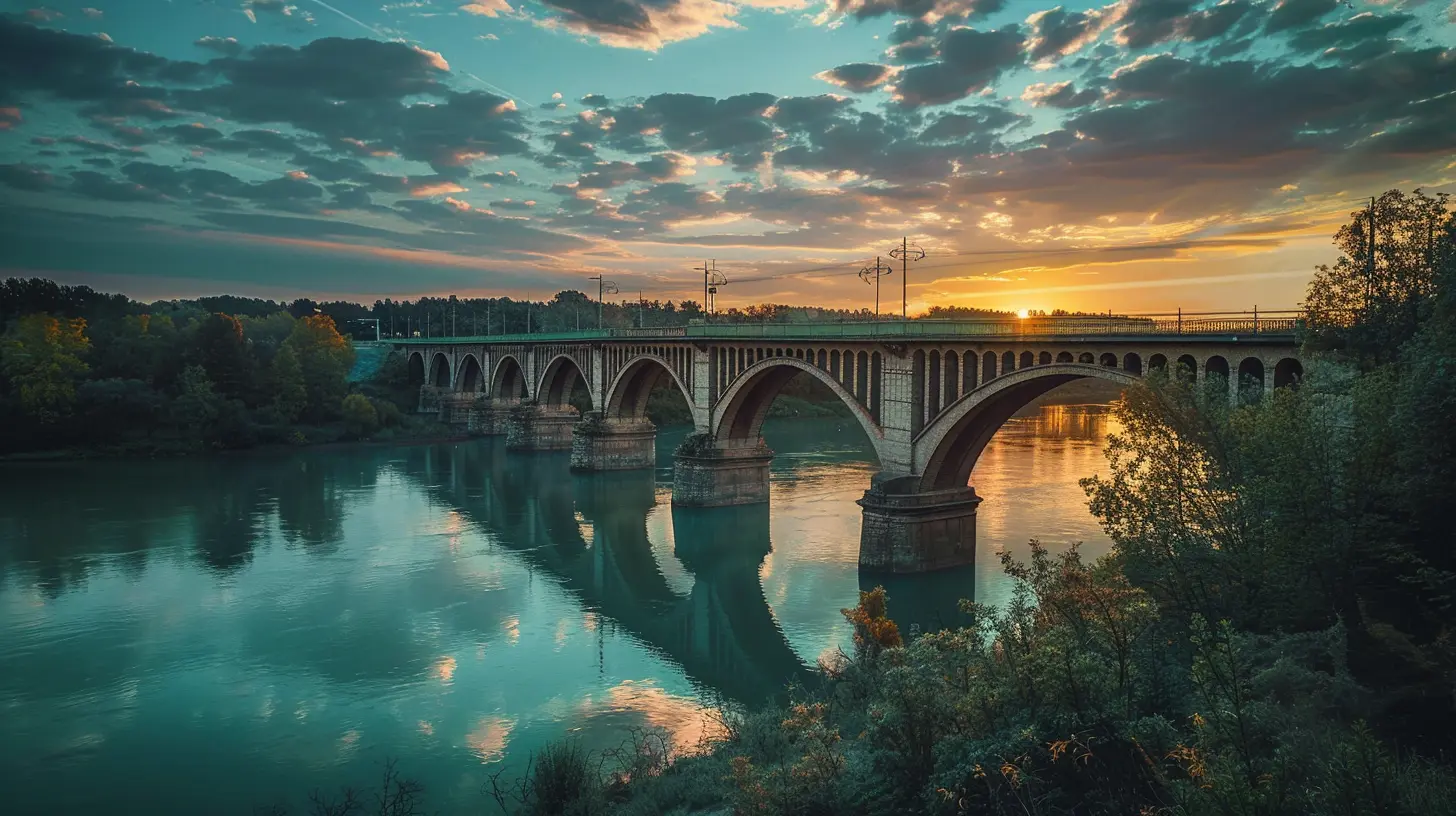
3. Tower Bridge – London’s Most Photographed Overachiever
Okay, confession time: I used to think Tower Bridge was London Bridge because it looks fancier. Don’t lie—you did too.Built in 1894, Tower Bridge is the ultimate Victorian-era flex. With its two massive towers and a drawbridge that still opens for ships (cue tourists snapping 400 pictures), it’s both functional and fabulous.
The Quirky Bit
There’s a pedestrian walkway above the road that once had... zero visitors. People were like, “Why walk above when I can just cross below?” So they shut it down in 1910. Now it’s back in business, with glass floors no less, so you can get your thrill on as you peer down at the traffic.4. The Bridge of Sighs – Venice’s Most Melancholy Shortcut
Venice is basically a water park for romantics. But while gondolas get all the glory, the Bridge of Sighs has its own poetic pull.Built in 1600 to connect the interrogation rooms of the Doge’s Palace with the prison, it got its name because prisoners would look out of the small windows and, legend says, sigh as they caught their last glimpse of Venice. Yep, it’s less “aww” and more “oh no.”
Fun(ish) Fact
Some say if you kiss your significant other under the bridge at sunset, your love will last forever. Just don’t tell your partner about the whole prisoner vibe until later.
5. Brooklyn Bridge – The Gateway to the American Dream
New York's Brooklyn Bridge isn't just a crossing—it's a rite of passage. Opened in 1883, it was a miracle of its time. We’re talking steel cables, neo-Gothic towers, and the tenacity of John Roebling, who kicked the project off but tragically died before it began. His son took over, then got sick, so his wife Emily stepped in and basically ran the show. (Cue applause.)It’s a Symbol of...
…everything. Immigrant dreams, innovation, resilience, pigeons. And it’s walkable! So go ahead, feel like a movie star while you trek from Manhattan to Brooklyn, snapping skyline pics like the world’s coolest tourist.6. Charles Bridge – The Czech Republic's Stone Stage
Walking across Charles Bridge in Prague is like stepping back in time—if that time came with epic statues, street performers, and a million other tourists. Commissioned in 1357 by King Charles IV, this cobblestone beauty has 30 statues, each with a backstory wilder than your favorite Netflix drama.Pro Tip
Legend says if you touch the statue of St. John of Nepomuk (the guy tossed over the bridge for keeping royal secrets), your wishes come true. Whether that’s true or not, it's worth a try—just bring hand sanitizer.
7. The Iron Bridge – Britain’s Industrial Show-Off
Now here’s a bridge that literally changed everything. The Iron Bridge, built in 1779 over the River Severn in Shropshire, England, was the first major structure made entirely of—you guessed it—cast iron. Before this, bridges were all about stone and wood. But this baby ushered in the Industrial Revolution with a big ol’ metallic bang.Why This One’s Cool
You can stand on it and think, “This is the spot where the whole world started getting smokier and way more productive.” Also, it’s surrounded by quaint little English countryside charm. Bonus points if you spot a sheep or two.8. Chengyang Wind and Rain Bridge – China’s Cultural Connector
Let’s head east, where tradition meets traffic. The Chengyang Bridge in China’s Guangxi Province is a dream. It’s not just a bridge—it’s a covered pavilion, a meeting place, and a shelter from the rain, all rolled into one.Built entirely without nails (yep, again, people in the past didn’t mess around), this 100-year-old bridge is a testament to the ingenuity of the Dong ethnic group.
Bridge or Airbnb?
You’d be forgiven for thinking someone could live in this bridge—it’s that cozy. Also, it’s got its own architectural style, combining bridges, towers, and pagodas in one. Imagine IKEA and feng shui had a very beautiful baby.
9. Khaju Bridge – Iran’s Social Hotspot from the 1600s
Bridges, believe it or not, can also double as party spots. Case in point: Khaju Bridge in Isfahan, Iran.Built around 1650, this bridge also serves as a dam and a public gathering space. It’s got 23 arches and enough seating to host a small concert. Which, coincidentally, happens all the time—especially at night when locals come here to sing. Yep, it’s like karaoke night, but ancient and way more poetic.
Culture Meets Construction
Khaju is architectural eye candy. It’s symmetrical perfection with tilework that’ll make you weep (with joy, not allergies).10. The Bridge at Remagen – WWII’s Game-Changer
Let’s finish off with a bit of military grit. The Ludendorff Bridge at Remagen, Germany, might not be standing anymore, but during World War II, it was the bridge that changed everything.When Allied forces found it still intact in 1945, they crossed it into Germany, accelerating the end of the war. The bridge later collapsed under stress, but its impact on history stands strong.
Why It Gives Us Goosebumps
It’s one of those bridges that didn’t just carry people—it carried the weight of hope, strategy, and ultimate victory.Bridges Speak Louder Than Words
Honestly, there’s something poetic about bridges. They're literal links between places, sure—but also between periods of history, cultures, and people. They’re metaphors you can actually walk on. Some were built in peace, others in war. Some fell and were rebuilt, others stand as proud relics of human ingenuity.Next time you're staring at one with your camera in hand, remember—it's probably seen more drama, dreams, and date nights than any reality TV show ever aired.
So, Why Are We Obsessed With Historic Bridges?
Because they’re kind of magical. They carry stories etched in every conduit and cobblestone. They remind us that while humans can sometimes be a mess (hello, history books), we’re also capable of building awe-inspiring things that last centuries.And let’s face it: Everyone loves a good bridge selfie.
all images in this post were generated using AI tools
Category:
Historical SitesAuthor:

Pierre McKinney
Discussion
rate this article
2 comments
Evren Chavez
Bridges symbolize connection and resilience, linking histories and cultures. Exploring these crossings invites us to reflect on our shared journey and the paths yet to come.
January 26, 2026 at 6:00 PM
Pierre McKinney
Thank you for your thoughtful insight! Bridges indeed serve as powerful symbols of connection, reminding us of our shared histories and the journeys that unite us all.
Berenice Garcia
This article beautifully highlights how historic bridges symbolize cultural connections and technological advancements, serving as enduring testaments to humanity's progress and resilience.
December 29, 2025 at 4:45 AM
Pierre McKinney
Thank you! I'm glad you found the article insightful and appreciate the significance of historic bridges in our cultural and technological narrative.