Crossing the Atacama: The World’s Driest Desert
22 July 2026
Have you ever wondered what it would be like to walk across Mars? Well, the Atacama Desert in Chile is as close as you can get—without needing a spacesuit! This is the driest non-polar desert in the world, a place where some weather stations have never recorded rain. But don’t let that fool you into thinking it's just a lifeless expanse of dust. The Atacama is bursting with otherworldly landscapes, ancient cultures, and even flourishing ecosystems—if you know where to look.
So, grab your sunscreen, pack plenty of water, and let’s take a journey across this mesmerizing land! 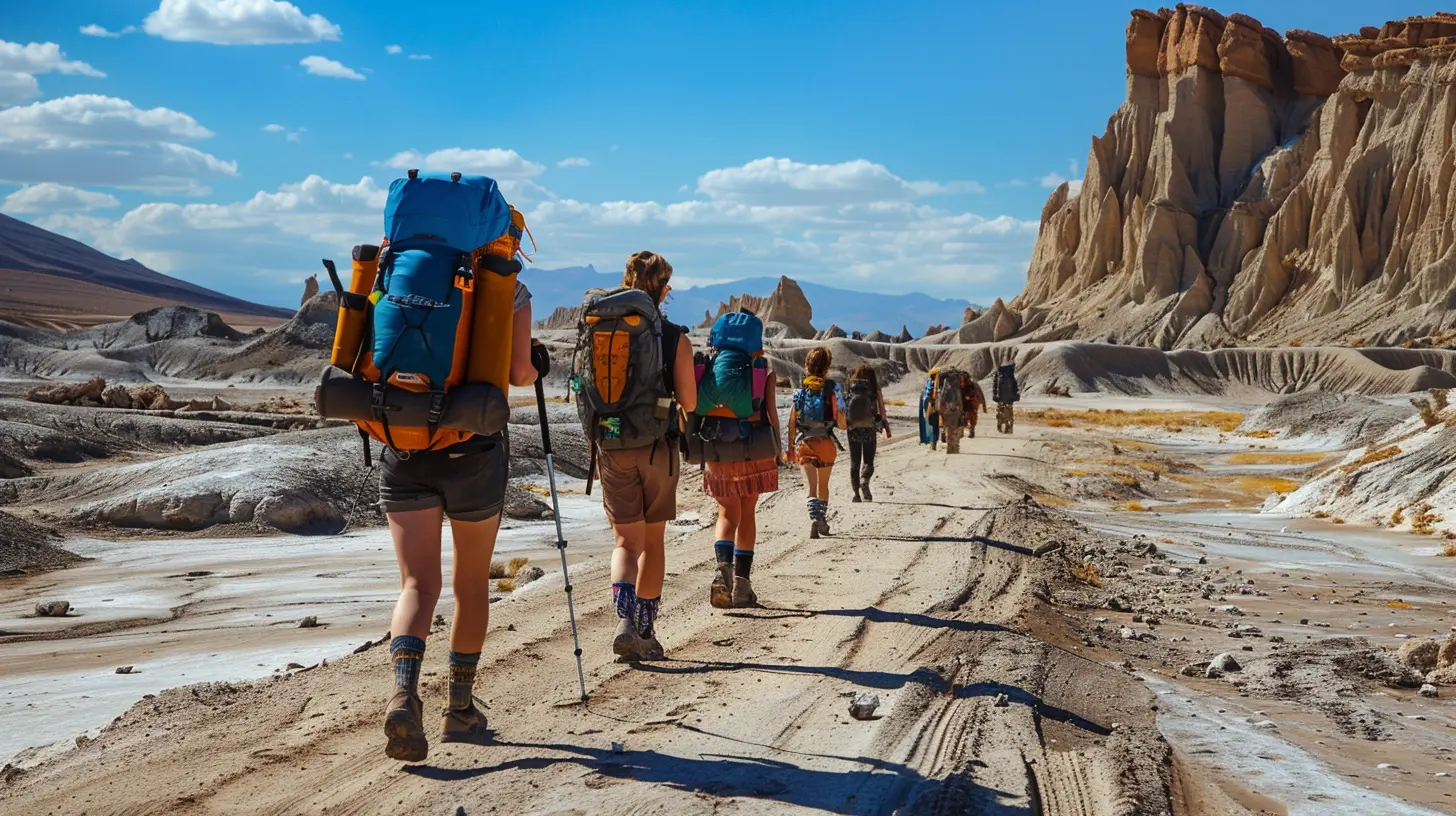
Where is the Atacama Desert?
The Atacama Desert stretches across northern Chile, covering an area of about 105,000 square kilometers (41,000 square miles). Imagine a place 50 times drier than California’s Death Valley—that’s the Atacama! It runs alongside the Pacific Ocean but, ironically, gets almost no rain because of a weather phenomenon called the rain shadow effect. The Andes Mountains block moisture from the east, while cold ocean currents prevent evaporation from bringing rain from the west.The result? A place that looks like the backdrop of a sci-fi movie. In fact, NASA frequently tests Mars rovers here because the terrain is so similar to the Red Planet! 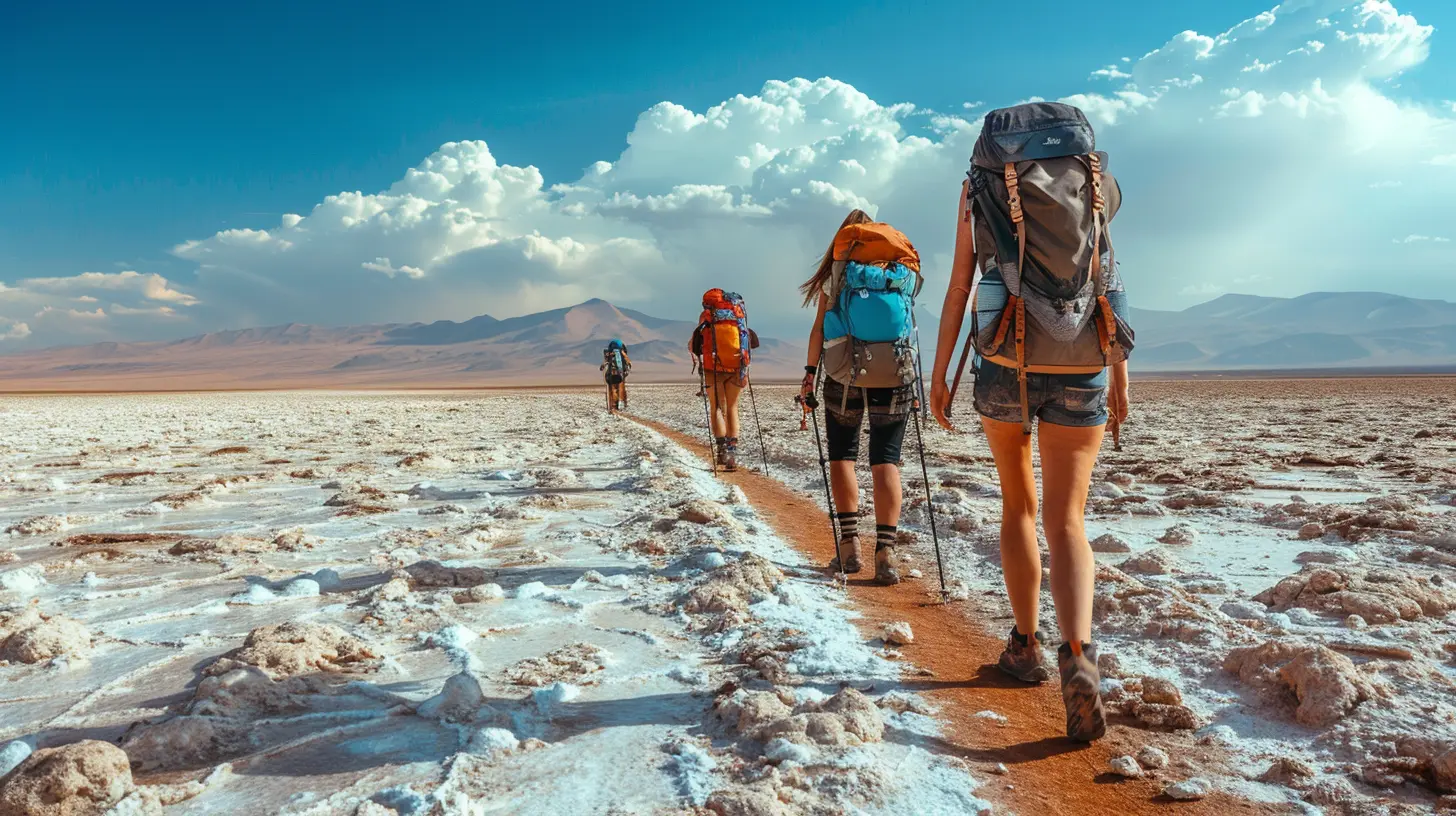
Why is the Atacama So Dry?
If you're picturing a desert with rolling sand dunes and camels, think again. The Atacama is different. Some areas haven't seen a single drop of rain in over 500 years (yes, you read that right).The reason is a combination of factors:
✅ The Andes Effect – These towering mountains block humid air from reaching the desert.
✅ The Humboldt Current – A frigid ocean current runs along the coast, keeping the air too cold to hold moisture.
✅ High-Pressure Systems – Persistent high-pressure zones push clouds away rather than letting them build into storms.
It all adds up to an incredibly dry climate—so dry that scientists have found places where no life exists at all, a true rarity on Earth. 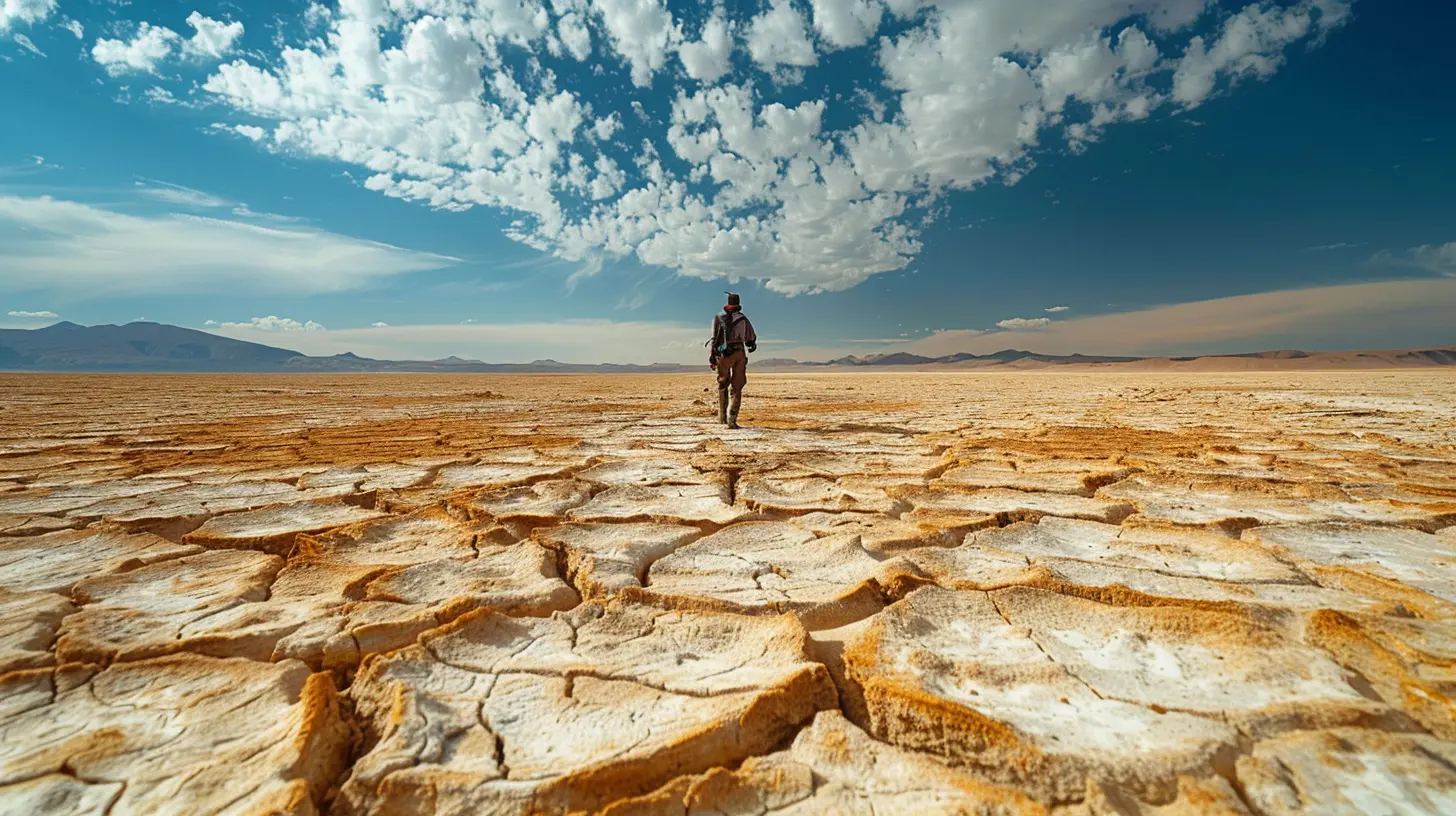
What Can You See in the Atacama Desert?
Okay, so it's dry. But is it boring? Absolutely not! The Atacama is filled with jaw-dropping landscapes, from salt flats and geysers to flamingo-filled lagoons.1. Valle de la Luna (Valley of the Moon)
Ever wanted to walk on the moon? This place is your chance—no spaceship required! The Valle de la Luna is a landscape made of bizarre rock formations and salt-covered ground that glows under the moonlight. Come during sunset, and you’ll be treated to one of the most spectacular views on the planet.2. El Tatio Geysers
Set your alarm early because the best time to visit El Tatio Geysers is at sunrise. Picture this: the cold morning air collides with steaming hot geysers, creating an eerie, almost mystical scene. With over 80 active geysers, this is the third-largest geyser field in the world.3. Laguna Cejar
Want to float without effort? The salt concentration in this lagoon is so high that you’ll stay effortlessly afloat—just like in the Dead Sea! The vibrant blue water against the backdrop of the Andes makes for some pretty unforgettable travel photos.4. Salar de Atacama
Here’s a fun fact: the Atacama Desert isn’t just dry—it’s also home to one of the largest lithium reserves in the world. The Salar de Atacama is a massive salt flat, but what makes it truly special is the population of pink flamingos that call it home. It’s a surreal sight—these graceful birds standing in pools of water, surrounded by white salt crusts.5. Hand of the Desert (Mano del Desierto)
In the middle of nowhere, a 36-foot (11-meter) tall hand rises out of the sand. It’s called La Mano del Desierto, an eerie sculpture by Chilean artist Mario Irarrázabal. It’s oddly fascinating and the perfect spot for a quick, unique photo.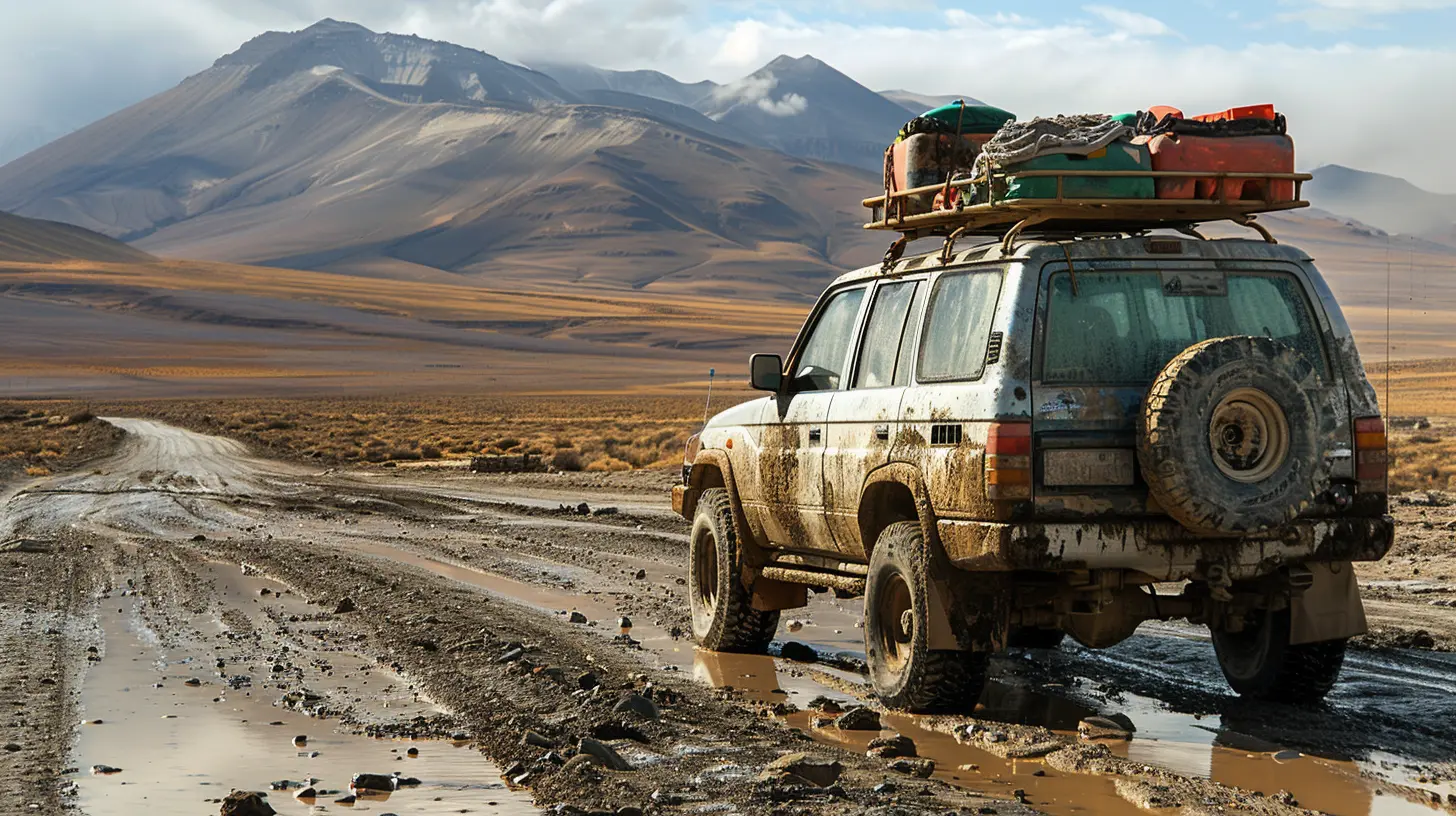
Can Anything Survive Here?
Believe it or not, yes! While some parts of the Atacama are so dry that bacteria struggle to survive, other regions are home to hidden life.? Culpeo Foxes – These small, resourceful predators can sometimes be spotted sneaking across the desert.
? Vicuñas – A cousin of the llama, these shaggy creatures roam the high-altitude parts of the desert.
? Flamingos – Three species of flamingos thrive in the salty lagoons, feeding on microscopic algae.
? Cactus Forests – In some valleys, tall cacti stretch toward the sky, soaking up any moisture they can find.
Even humans have managed to call this place home for thousands of years. The Atacameño people were among the first to inhabit this seemingly inhospitable land, developing ingenious farming techniques and trade routes.
What’s It Like Visiting the Atacama Desert?
So, you’re thinking about visiting? Great choice! A trip to the Atacama will make you feel like a true explorer. But before you go, here’s what you need to know:? Weather & Best Time to Visit
- Days can be hot (25-30°C / 77-86°F), while nights drop below freezing—so pack layers!- The best time to visit is March to May or September to November when temperatures are moderate.
? Getting There
- The closest airport is in Calama, about a 1.5-hour drive to San Pedro de Atacama, the main tourist hub.- Most people rent a 4x4 car or join guided tours to explore the desert.
? Travel Tips
✔ Hydrate like crazy – The high altitude and dry air can dehydrate you fast.✔ Sunscreen is your best friend – Expect intense sun exposure.
✔ Prepare for altitude – Some areas sit over 4,000 meters (13,000 feet) above sea level, so take it slow.
The Atacama’s ‘Impossible’ Bloom
You wouldn’t expect to see a sea of flowers in the world’s driest desert, but guess what? Every few years, when rare rains do occur, the Atacama transforms into a colorful floral paradise. This phenomenon, called desierto florido (flowering desert), covers the usually barren land with vibrant pinks, purples, and yellows. It’s nature showing off, proving that even the harshest environments can surprise you.Final Thoughts
Crossing the Atacama Desert is like stepping onto another planet—without leaving Earth. From moon-like valleys and bubbling geysers to flamingo-filled salt flats and ancient cultures, this place is full of surprises.So, if you're up for an adventure that combines rugged landscapes, extreme conditions, and stunning vistas, the Atacama is calling your name. Just remember: bring a camera, drink plenty of water, and don’t be surprised if you feel like an astronaut by the end of your trip!
all images in this post were generated using AI tools
Category:
Desert AdventuresAuthor:

Pierre McKinney