Desert Photography: Mastering the Art of Shooting Sandscapes
22 June 2026
Have you ever gazed at a mesmerizing desert landscape and thought, "I wish I could capture this beauty perfectly"? If so, you’re not alone! Desert photography is a fascinating art that blends patience, skill, and a deep appreciation for nature’s raw beauty. From golden dunes to dramatic sunsets, the desert presents endless opportunities for breathtaking shots.
But let’s be real—shooting in the desert isn't just about pointing and clicking. The environment is harsh, the light is intense, and the sand gets everywhere! So, how do you master the art of shooting sandscapes? Buckle up because we're about to dive into the secrets of capturing stunning desert photos!
Why Desert Photography is So Captivating
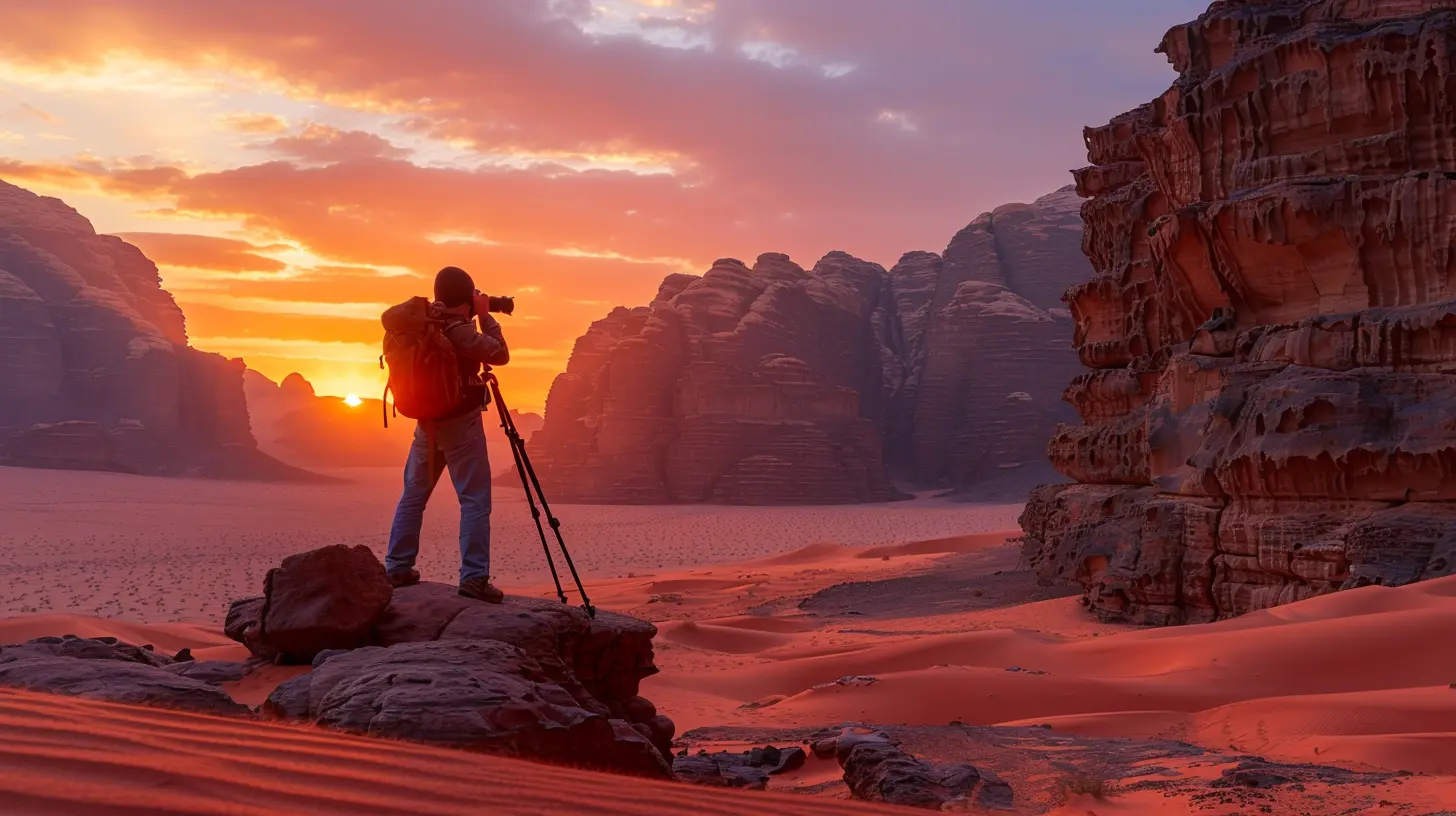
There’s something magical about the desert. It’s vast, silent, and ever-changing. The winds sculpt dunes into fluid waves, the colors shift with the sun, and the shadows dance across the sand. Every moment presents a new composition waiting to be captured.But what makes desert photography truly special?
- Minimalist Beauty – Deserts strip photography down to its essentials: light, shadow, and texture.
- Dramatic Lighting – From golden sunrises to deep blue twilights, the lighting is phenomenal.
- Unique Textures – Rippling dunes, cracked earth, and rocky expanses make for stunning compositions.
Now, let’s get into the techniques that will help you snap jaw-dropping sandscapes!
Essential Gear for Desert Photography
Shooting in the desert requires more than just a camera. The harsh conditions mean you need to be prepared.1. Camera & Lenses
A DSLR or mirrorless camera is ideal, but even a high-end smartphone can work if you know how to use it. As for lenses:- Wide-Angle Lens – Perfect for capturing sweeping dunes and vast landscapes.
- Telephoto Lens – Great for isolating details like wind-sculpted sand or distant mountains.
- Prime Lens – Offers sharp, high-quality shots for close-up textures and details.
2. Tripod
The desert can be unpredictable, and a sturdy tripod helps in low-light conditions like sunrise or nighttime photography. Plus, it allows for long exposures, capturing smooth, dreamy sand patterns.3. Lens Filters
- Polarizing Filter – Reduces glare and enhances contrast.- ND Filter (Neutral Density) – Essential for long-exposure shots to create soft, flowing sand textures.
- UV Filter – Protects your lens from dust and scratches.
4. Protective Gear
- Lens Cleaning Kit – Because sand will get everywhere!- Camera Rain Cover – Useful for sudden sandstorms.
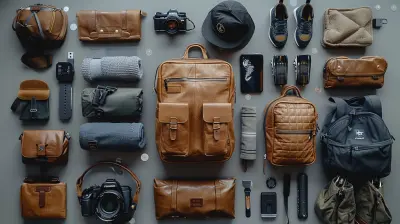
- Durable Backpack – Keeps your gear safe and sand-free.
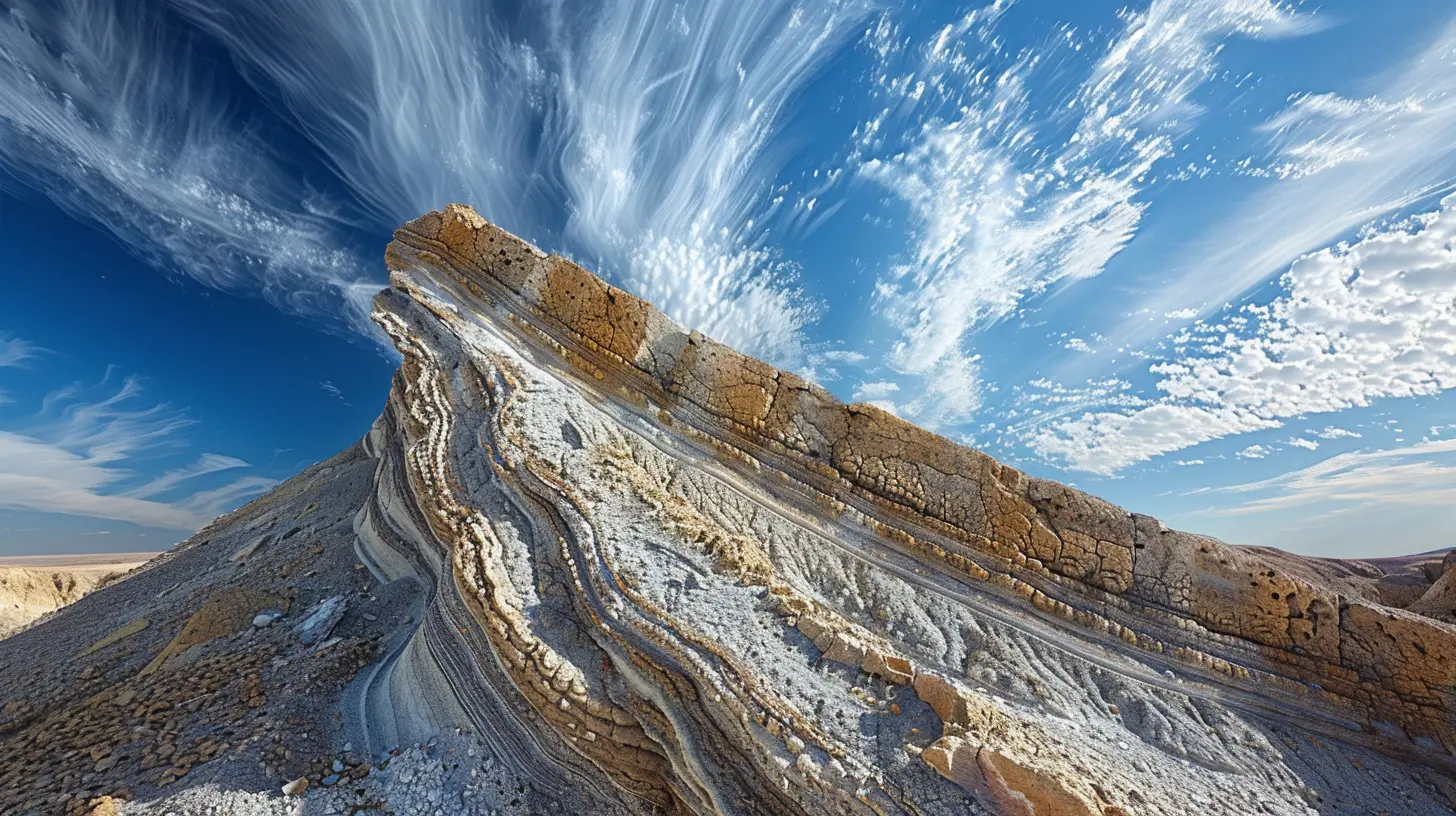
Best Times to Shoot: Mastering Desert Lighting
Lighting can make or break your desert photos. The harsh midday sun casts unflattering shadows, but the right timing can turn an ordinary sandscape into a masterpiece.1. Golden Hour (Sunrise & Sunset)
This is hands down the best time to shoot in the desert. The soft, warm light makes the sand glow, creating dreamy textures and stunning contrasts.2. Blue Hour (Just Before Sunrise & After Sunset)
During this time, the sky takes on magical hues of deep blues and purples, giving your shots a surreal feel.3. Night Photography
If you’re up for a challenge, the desert is an incredible place for astrophotography. With little light pollution, you can capture breathtaking shots of the Milky Way.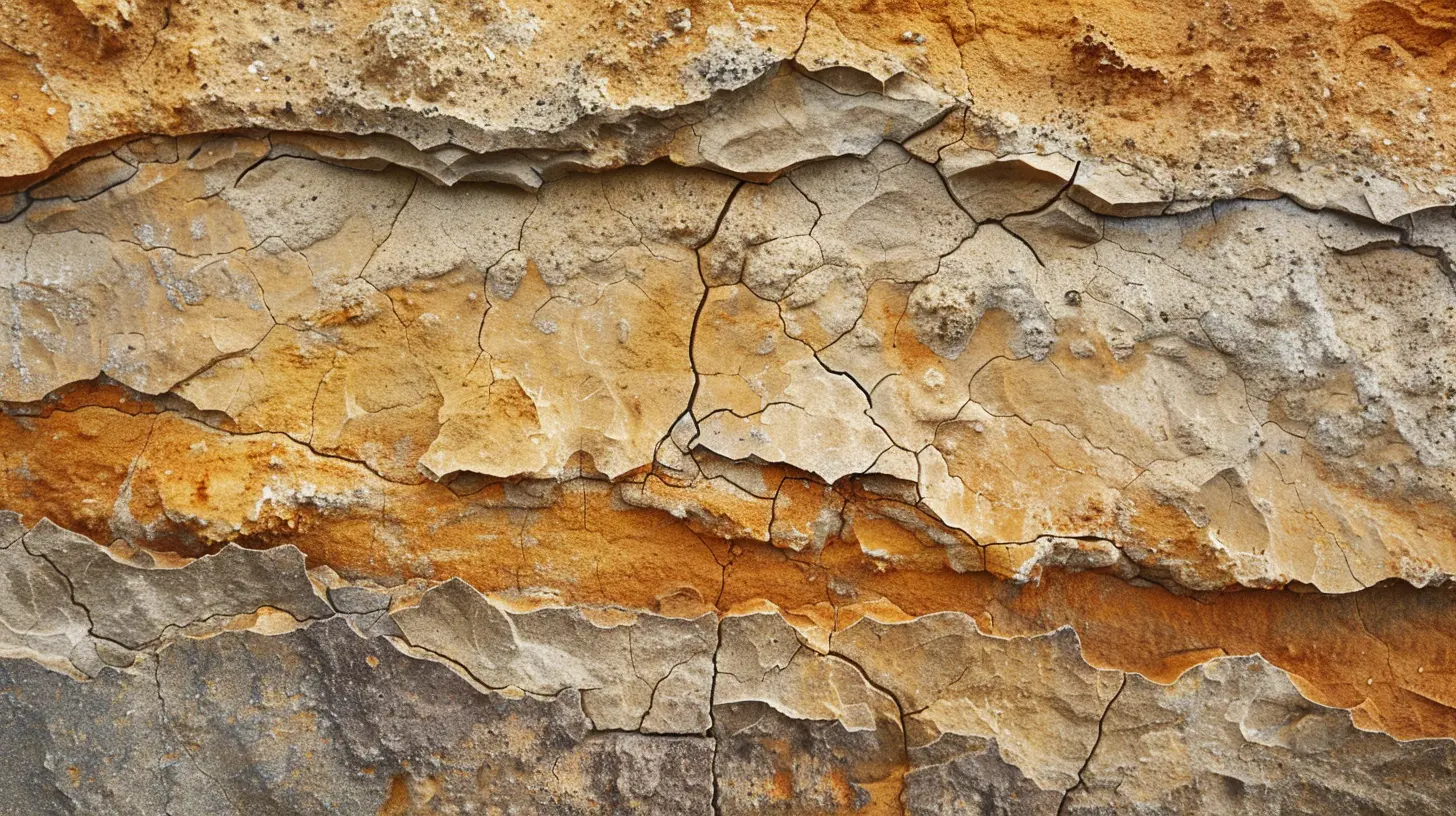
Composition Tips for Stunning Sandscapes
Okay, so you've got your gear and the perfect lighting. Now what? Let’s talk about framing your shots like a pro!1. Leading Lines & Patterns
Deserts are full of natural lines—dune ridges, wind-sculpted ripples, and dry riverbeds. Use these to lead the viewer’s eye through the frame.2. Rule of Thirds
Instead of placing your main subject in the center, divide your frame into a grid and position key elements along the intersections for a balanced look.3. Play with Shadows
Desert shadows are gold! The low-angle light during sunrise or sunset creates long, dramatic shadows that add depth and dimension to your photos.4. Minimalism is Key
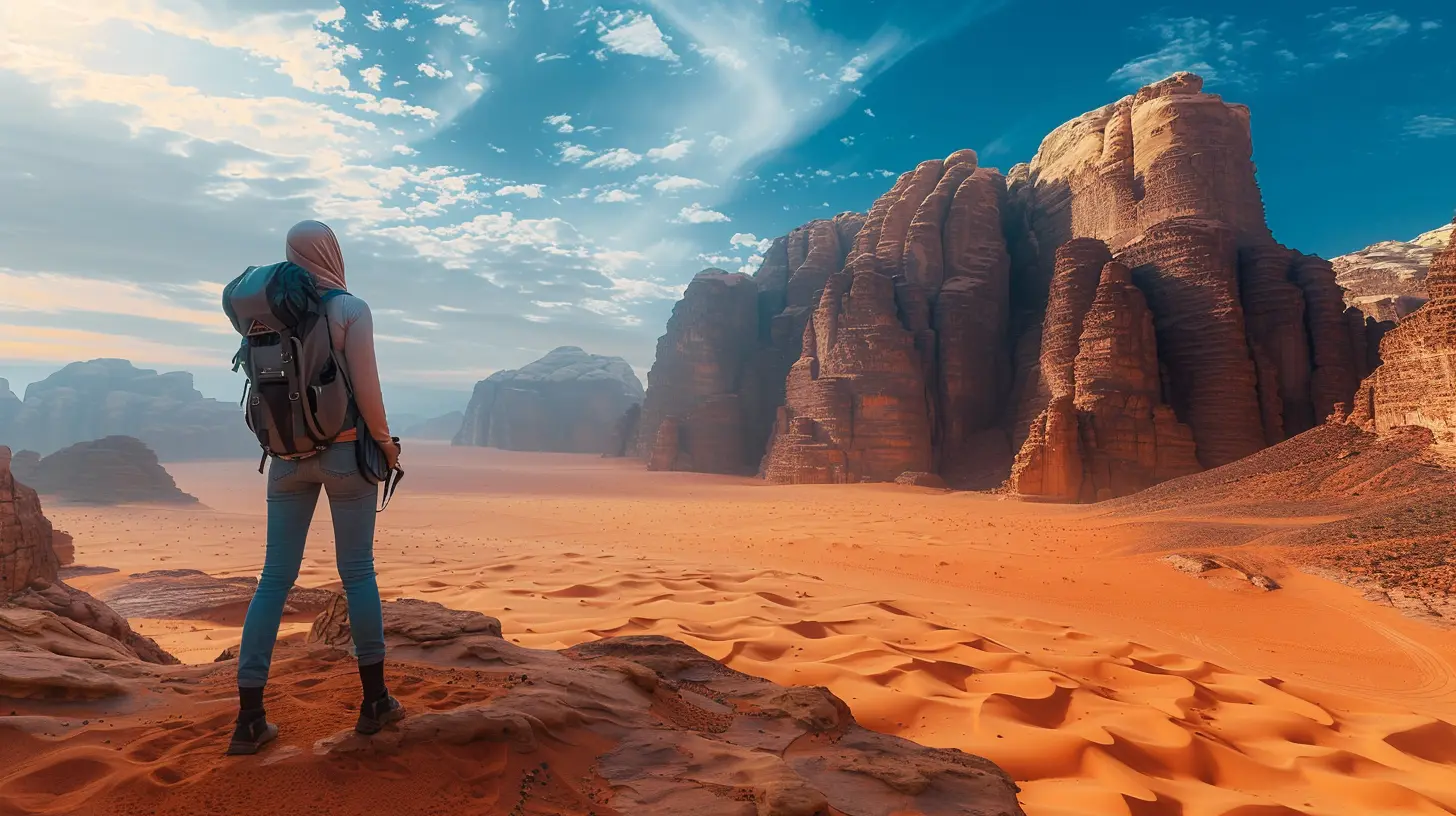
Less is more in desert photography. A single dune, a lone tree, or a wandering traveler can add to the mystique of the barren landscape.How to Capture Movement in the Desert
Deserts may seem still, but they are alive with movement. The wind shifts the sand, footprints disappear in moments, and clouds drift across the sky.- Slow Shutter Speed – Use a slower shutter to capture flowing sand in long exposures.
- Fast Shutter Speed – Freeze a moving sandstorm for a dramatic effect.
- Time-Lapse – Set up your camera to record the shifting landscape over time for a mesmerizing effect.
Handling Challenges in Desert Photography
Photographing the desert isn't all sunshine and golden hues. Here’s how to tackle common challenges.1. Heat & Battery Drain
Deserts are hot during the day, and extreme temperatures can drain batteries fast. Always carry spares and keep them insulated.2. Sand Damage
Sand is your camera’s worst enemy! Use a protective cover, avoid swapping lenses outdoors, and always clean your gear after shooting.3. Hazy Conditions
Dust and heat haze can reduce clarity. Use a polarizer to cut through the haze and enhance contrast.Post-Processing Tips for Desert Photos
Even the best shots can benefit from a bit of editing to enhance colors, contrast, and details.- Increase Contrast – To make the sand patterns pop.
- Adjust White Balance – Warmer tones enhance golden hues, cooler tones add a mystical effect.
- Boost Clarity & Texture – Brings out the intricate details of dunes and rocky surfaces.
Final Thoughts
Desert photography is one of the most rewarding genres, offering endless creative possibilities. With the right gear, lighting techniques, and a keen eye for composition, you can transform an ordinary sandy landscape into a visual masterpiece.So, what are you waiting for? Pack your camera, head out to the dunes, and let the desert tell its story through your lens!
all images in this post were generated using AI tools
Category:
Desert AdventuresAuthor:

Pierre McKinney