Discovering Ancient Desert Petroglyphs: Traces of the Past
18 February 2026
Ever stood in the middle of a silent desert, the wind brushing past your skin, and felt like time just froze? Like you’re not just surrounded by sand and rocks—but by stories etched in stone? That’s the magic of discovering ancient desert petroglyphs, those mysterious carvings left behind by hands we’ll never shake, but whose marks still speak today.
If you’re even a little curious about history, human creativity, or the raw thrill of uncovering ancient secrets, you're absolutely in the right place. Let’s take a journey—way off the beaten path—and tap into the echoes of the past left in barren, sunbaked landscapes.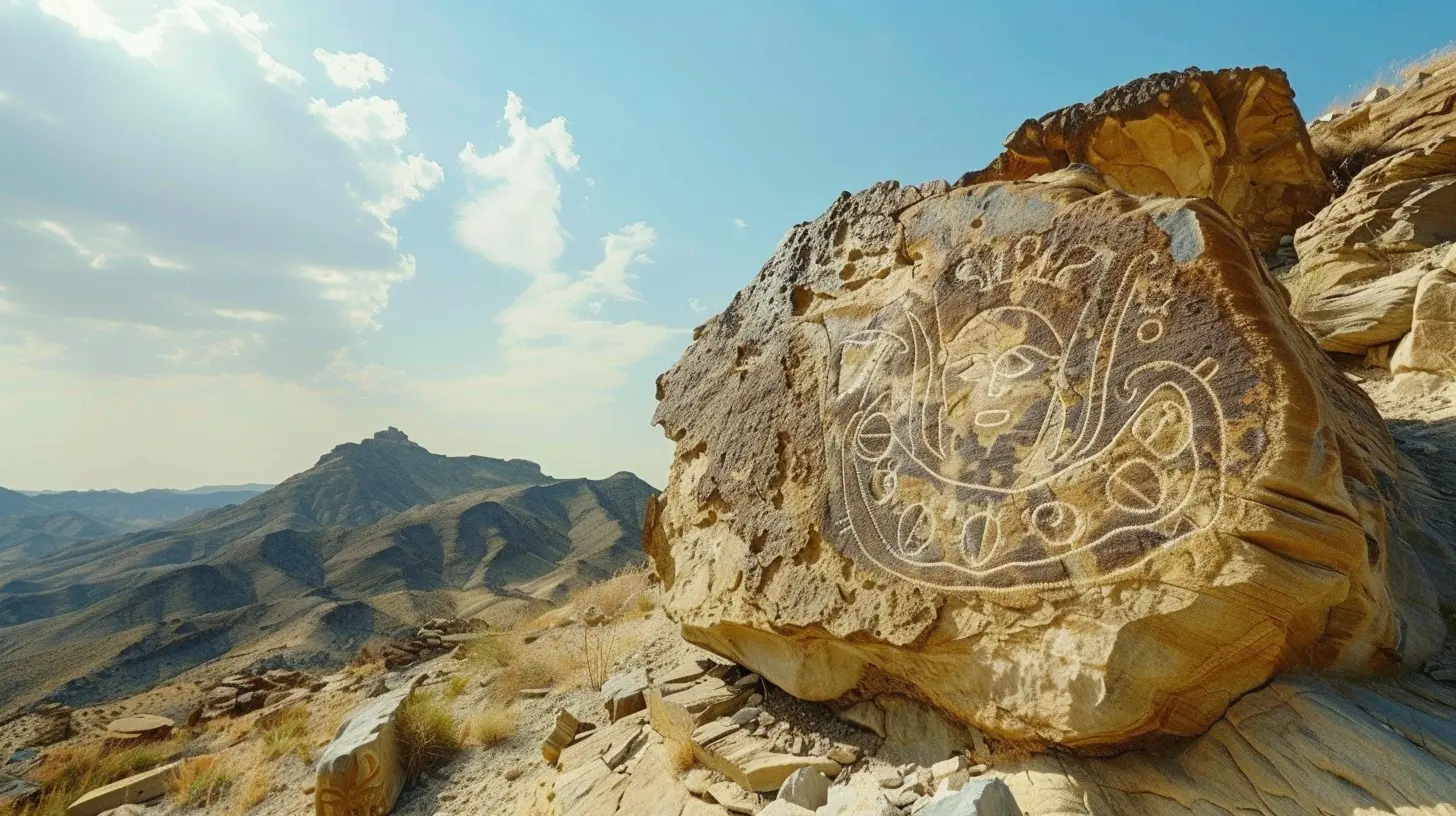
What Are Petroglyphs, Anyway?
Let’s start simple. Petroglyphs are images scratched, pecked, or chiseled into rock surfaces. Unlike cave paintings that were drawn or painted, petroglyphs are carved into stone—making them harder to erase and ridiculously long-lasting. We’re talking thousands of years. In fact, many of these carvings date back more than 10,000 years!They’re not just scribbles, either. These images often depict animals, humans, symbols, and scenes that hold cultural, spiritual, or even astronomical meanings. Think of them as ancient tweets—short, powerful messages meant to be shared with generations way down the line. Only, no Wi-Fi required.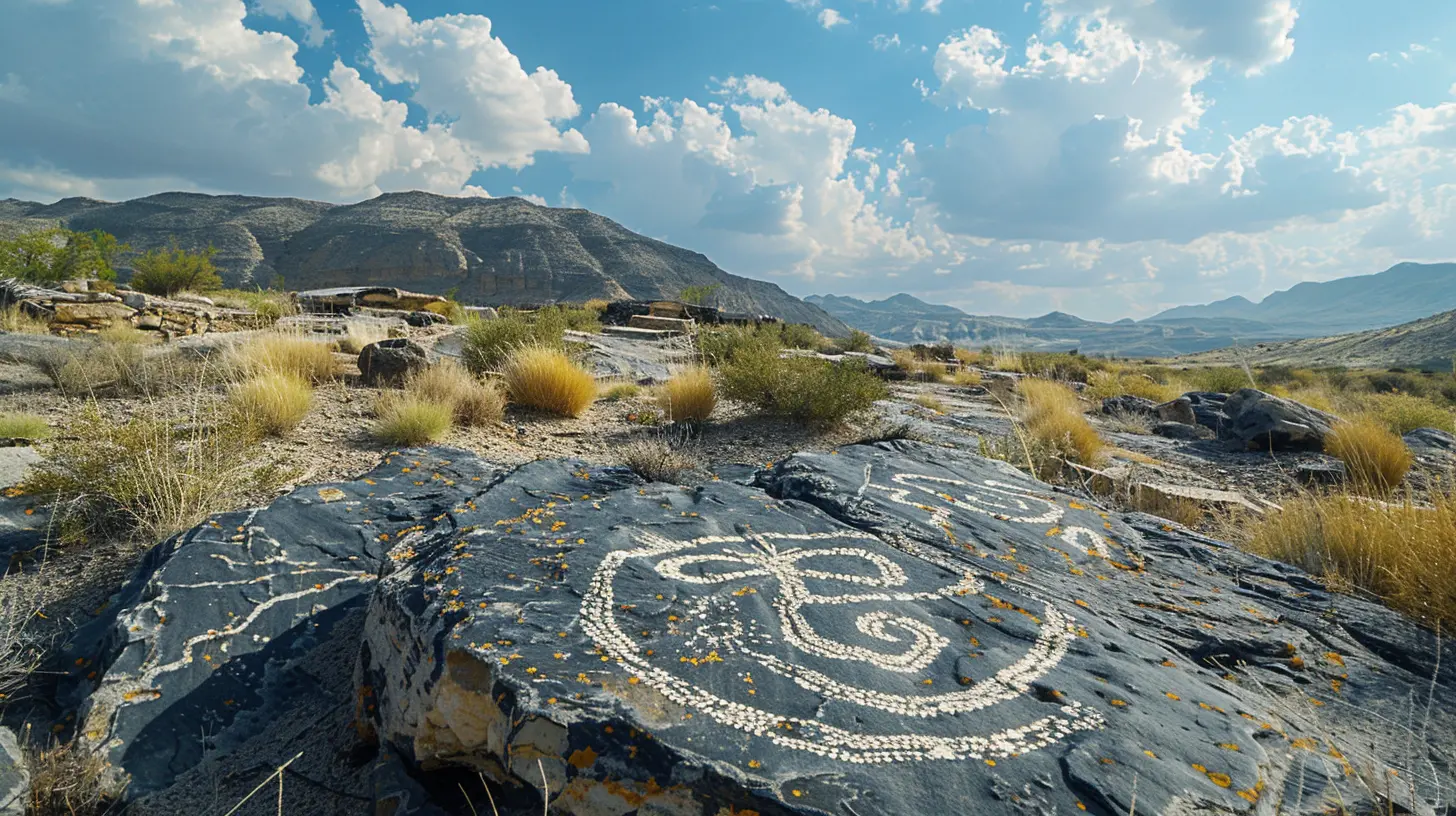
Why the Desert?
Excellent question. You might wonder: why on earth would ancient people leave valuable messages in some of the most isolated, driest places on the planet?Well, deserts are dry. No rain, no moisture, and very little erosion. That means carvings stick around. It's like nature’s own museum, perfectly preserving snapshots of prehistoric life. Also, many desert regions were once thriving with communities. What’s now arid wasteland could have been a lush, water-rich habitat thousands of years ago.
Add in the spiritual significance of many deserts around the world, and it’s no surprise these open-air canvases became storytelling spaces.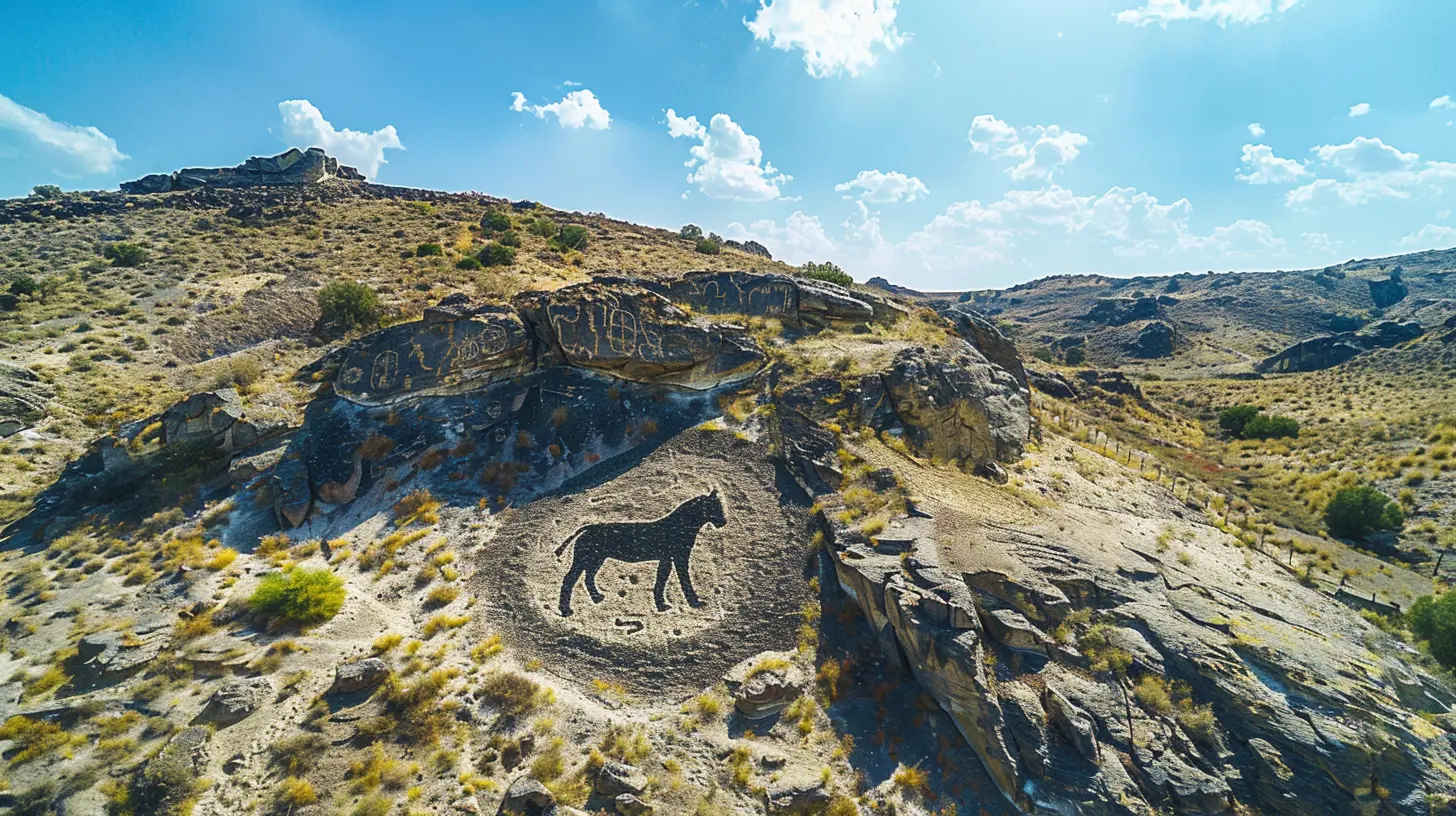
Petroglyphs vs. Pictographs
Let’s untangle a common mix-up. Petroglyphs = carved. Pictographs = painted. Simple, right?You’ll often find both in ancient rock art sites, but petroglyphs are generally more durable, making them the stars of desert archaeology. Think of pictographs as watercolors, and petroglyphs as the engraved initials on a tree trunk. One fades faster. The other leaves a legacy.
Iconic Petroglyph Sites You Shouldn’t Miss
So, where can you actually go and witness this wonder with your own eyes? Here are a few jaw-dropping spots where these ancient rock works take center stage:1. Valley of Fire State Park, Nevada, USA
This place is like walking through Mars—with bonus carvings. Red sandstone cliffs hold thousands of petroglyphs, some over 2,000 years old. The Mouse’s Tank Trail is a hotspot, where you’ll find petroglyphs hiding in plain sight.2. Petroglyph National Monument, New Mexico, USA
Here, over 24,000 images dance along basalt rock walls. Spirals, animals, and mysterious figures were left by Pueblo peoples and Spanish settlers alike. And the best part? It’s super accessible, even for casual hikers.3. Alta Rock Art, Norway (Okay, Not a Desert But Still Cool)
A curveball here, but worth mentioning. Though not in a desert, Alta’s rock carvings reveal how different cultures across the globe used stone to preserve stories. And it shows that humans everywhere just love leaving their mark.4. Tassili n’Ajjer, Algeria
Now we’re back in the desert. This UNESCO World Heritage site has thousands of petroglyphs and pictographs hidden in a lunar-like landscape. Some carvings here are over 12,000 years old—older than most countries!5. Wadi Rum, Jordan
A landscape so surreal it’s been used in sci-fi movies. Wadi Rum’s ancient walls are decorated with Thamudic and Nabataean inscriptions and images, offering a peek into the life of desert dwellers long gone.What Do These Ancient Symbols Mean?
Here’s the fun—and frustrating—part. No one knows exactly what all of them mean. Some depict daily life: hunting scenes, tools, animals. Others are abstract symbols—spirals, grids, and zigzags—that might represent spiritual beliefs, maps, or even star charts.Some researchers think they were ancient forms of communication. Others suggest they were part of rituals or ceremonies. Maybe even a little artistic expression (hey, who hasn’t doodled when bored?). The truth is, they’re an unsolved puzzle—and that’s what makes them even more intriguing.
How Were They Made?
No laser cutters or fancy chisels here. Most petroglyphs were created using a method called pecking or incising. Basically, ancient artists bashed or scratched the rock using harder stones or primitive tools until the top layer chipped away, revealing a lighter color beneath.It took a crazy amount of time and effort—no shortcuts, just raw grit and patience. Imagine tapping away at a rock for hours just to make a single deer image. That’s dedication.
Respecting the Rock: Visiting Petroglyph Sites Responsibly
Okay, time for a quick reality check.When visiting petroglyph sites, it’s super important to respect the history they represent. These aren’t just cool Instagram backdrops—they’re sacred, irreplaceable heritage sites. Here’s how to be a decent explorer:
- Don’t Touch the Carvings: Oils from your skin can damage the rock or accelerate erosion.
- Stay on the Trail: Don’t crush ancient grounds just to get a better view.
- No Selfies on the Art: Take photos, yes. But climbing or sitting on petroglyphs? Big no-no.
- Leave No Trace: Pack out whatever you pack in. Keep it pristine.
- Learn Before You Go: Understanding the cultural significance enhances your experience tenfold.
Petroglyphs and Modern Technology
Guess what? Even the ancient can meet the modern. Technology like 3D scanning, drone photography, and digital modeling lets researchers document and preserve petroglyphs without physically disturbing them.There’s even augmented reality apps that can bring petroglyphs to life—imagine standing in front of a rock and seeing what the full scene might’ve looked like thousands of years ago. Talk about time-traveling without the DeLorean.
Hidden Meanings and Theories
Here’s where things get juicy. Some theorists believe petroglyphs are more than art or storytelling. Some think they’re:- Astronomical Markers: Alignments with solstices, star maps, or lunar cycles.
- Spiritual Portals: Gateways to other realms or tools for rituals.
- Messages for the Future: Notes to coming generations explaining laws, lessons, or warnings.
Of course, skeptics abound. But hey—whether you believe in alien communication or ancient educational signage, there’s no denying the intrigue.
Why We Keep Coming Back to the Past
So, why are we still obsessed with these ancient carvings? Maybe it’s because they remind us that humans—no matter the era—have always wanted to share stories, leave messages, and be remembered.When you see a petroglyph, you’re literally staring at a fingerprint from a person who lived long before electricity, airplanes, or TikTok. Their world may have looked wildly different, but their desire to communicate? That hits home.
Tips for Your First Petroglyph Adventure
Ready to go on your own archaeological mini-quest? Here are a few tips:- Start Local: Many regions have lesser-known sites that are just as fascinating.
- Go Early or Late: Desert heat is no joke. Sunrise and sunset are cooler and offer amazing lighting for photos.
- Bring Binoculars: Some carvings are high up or slightly hidden.
- Hire a Guide: They can decode symbols, share legends, and point out details you’d totally miss.
- Pack Smart: Water, sunscreen, hat, camera, notebook. Channel your inner Indiana Jones—safely.
Final Thoughts: What the Rocks Whisper
Standing in a silent desert, with nothing but the crunch of sand beneath your feet, and the whisper of wind swirling around ancient carvings—it’s a feeling that’s hard to put into words. But those rocks? They’re speaking. They’re telling us who we were, and maybe even who we’re meant to be.So next time you’re out in the wild, don’t just look at the landscape—look into it. You might just see a story staring back.
all images in this post were generated using AI tools
Category:
Desert AdventuresAuthor:

Pierre McKinney
Discussion
rate this article
2 comments
Kaitlin Conrad
Delve into the secrets of the ancient desert, where enigmatic petroglyphs whisper tales of forgotten civilizations. What stories lie hidden in these weathered stones?
March 11, 2026 at 4:40 PM
Pierre McKinney
These weathered stones indeed hold whispers of ancient lives, each petroglyph a chapter in the story of forgotten civilizations, inviting us to unlock their mysteries.
Damien McLoughlin
Ancient petroglyphs reveal rich stories of past cultures; a must-see experience.
February 18, 2026 at 5:11 AM
Pierre McKinney
Thank you! I completely agree—these petroglyphs offer a fascinating glimpse into the lives and beliefs of ancient cultures.