Discovering the Ruins of Deir el-Bahari, Egypt’s Cliffside Marvel
16 July 2026
Tucked away on the west bank of the Nile near Luxor lies a place that feels like it's been plucked right out of an ancient epic—a site so mesmerizing and steeped in mystery that it could easily be the set of a Hollywood adventure flick. Yep, I’m talking about Deir el-Bahari, Egypt’s unforgettable cliffside marvel. If you’ve never heard of it or just brushed past it during a Google search, buckle up, because this is a journey you won’t want to miss.
And believe me when I say—it’s not just another pile of ancient stones. This place tells tales of powerful queens, divine achievements, stunning architectural feats, and the resilience of one of the world’s most fascinating civilizations.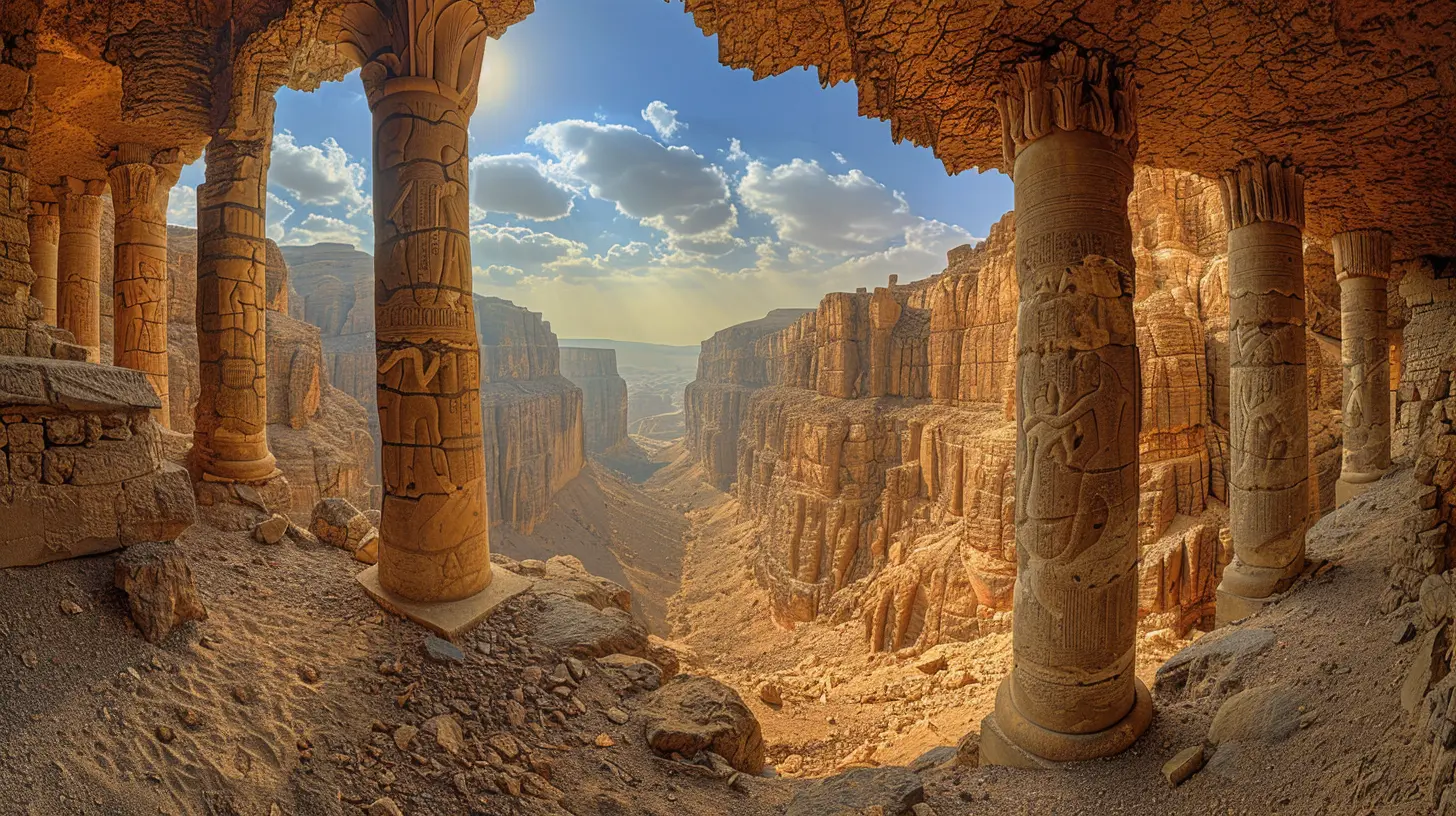
Where Is Deir el-Bahari and Why Should You Care?
So, where exactly is this wonder? Deir el-Bahari is located in Luxor, formerly known as Thebes, on the west bank of the Nile River. This area is often called the Valley of the Kings' twin, because it’s surrounded by equally impressive archaeological gems. But Deir el-Bahari stands out for one big reason—it doesn’t just give you one ancient wonder. It gives you three.That’s right. This site houses three mortuary temples carved right into a towering limestone cliff. Picture a staircase to the heavens, built by the ancients themselves!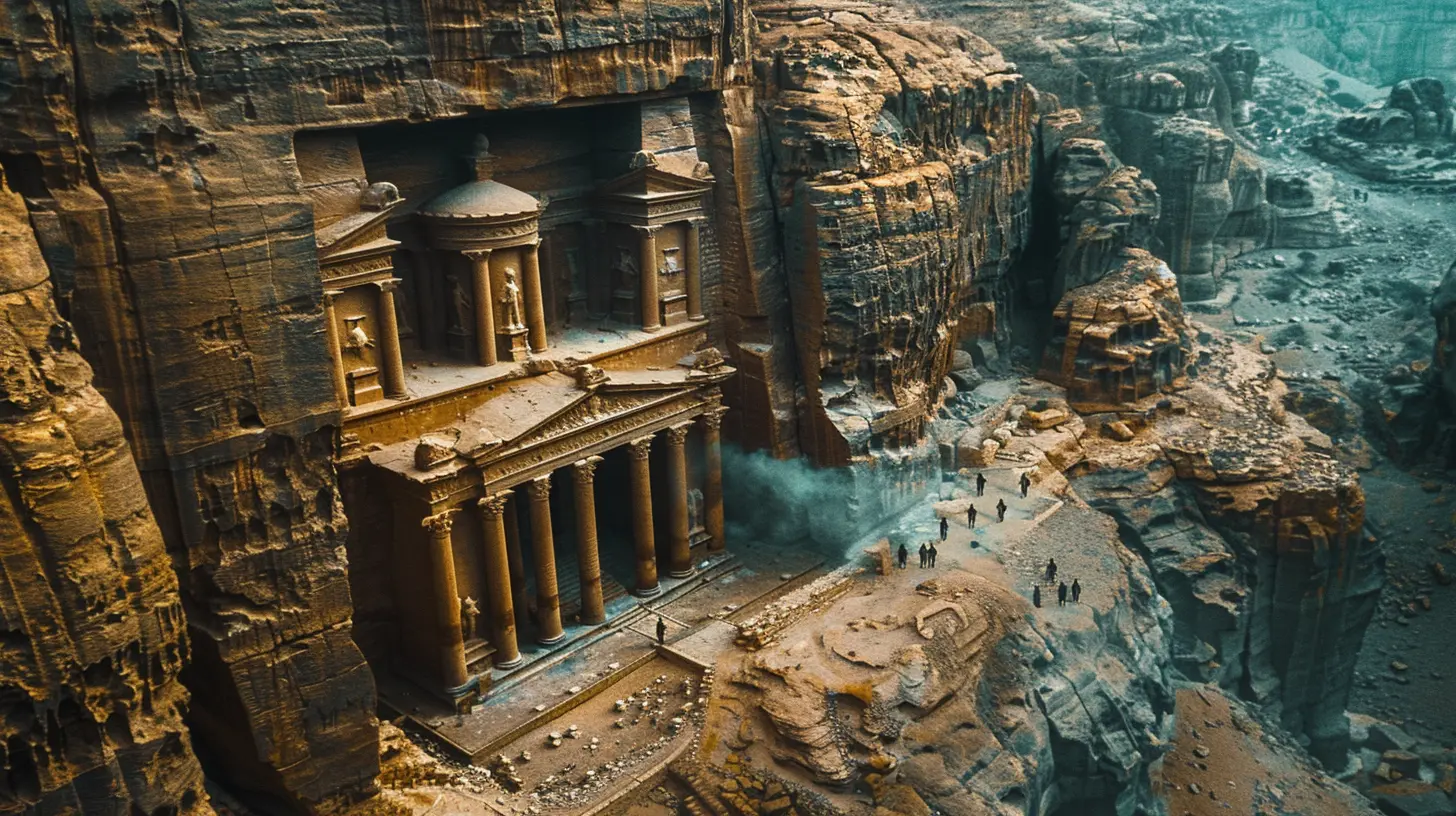
Meet the Queen Who Broke the Rules: Hatshepsut
Let’s start with the star of the show—Hatshepsut’s Temple.This incredible woman wasn’t just any queen. She was a Pharaoh, one of the very few female rulers in ancient Egyptian history. And she didn't just rule—she owned it. Imagine Beyoncé and Cleopatra rolled into one. That’s the level we’re talking about.
Her mortuary temple—Djeser-Djeseru, meaning "Holy of Holies"—was designed to impress. Built around 1479–1458 BC, it's a jaw-dropping multi-tiered structure that looks like it was beamed from another galaxy. Massive ramps, colonnaded terraces, and larger-than-life statues stare down visitors with timeless grace.
Hatshepsut’s temple tells a story: of divine birth, trade expeditions to Punt (which was basically Egypt’s version of a tropical getaway), and a ruler determined to carve her name into the stone of eternity.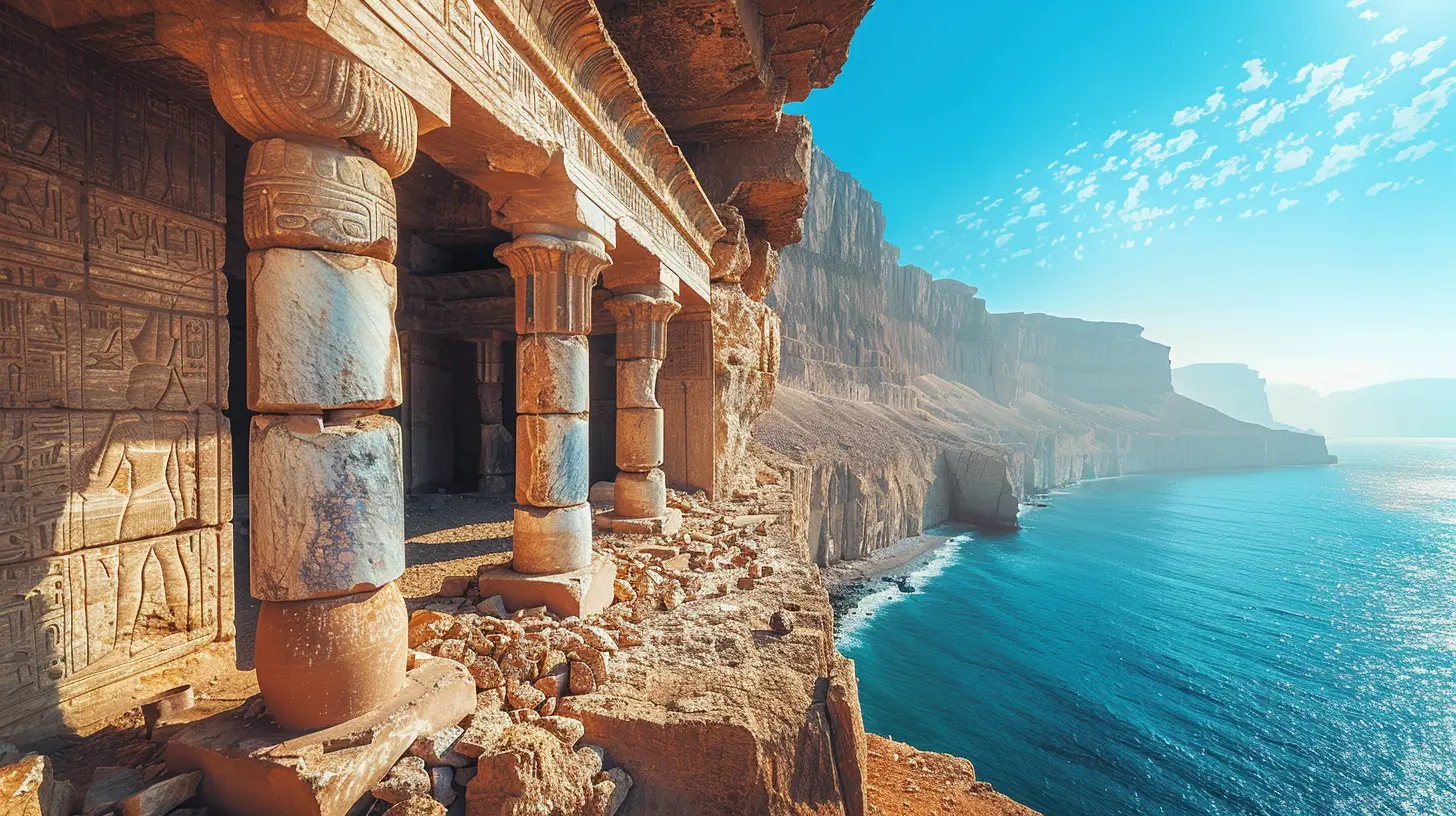
A Cliffside Canvas of Ancient Art
You know when you walk into an art museum and suddenly feel like you’ve time-traveled? That’s the vibe at Deir el-Bahari.Every inch of these temples is decorated with colorful reliefs and hieroglyphics that have, incredibly, stood the test of time. In Hatshepsut’s temple alone, you'll find scenes that read like an ancient Instagram feed—sailing ships, exotic animals, and offering rituals frozen in stone.
And it’s not just eye-candy. These images gave archaeologists priceless insight into how ancient Egyptians viewed the afterlife, gender roles, spirituality, and even foreign diplomacy.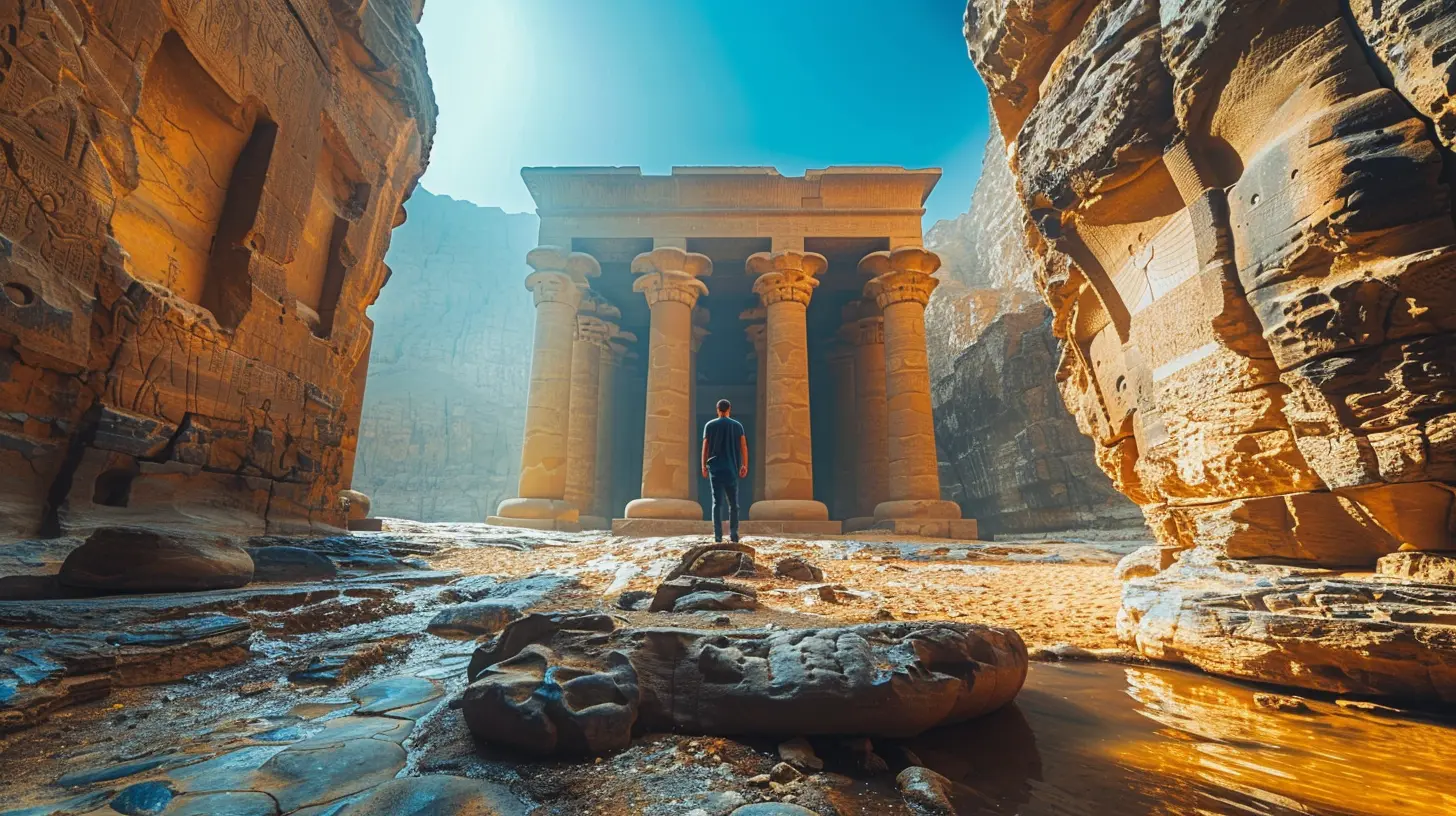
More Than Just Hatshepsut: Other Temples Worth Visiting
While Hatshepsut steals the spotlight, Deir el-Bahari is home to two other remarkable temples.The Mortuary Temple of Mentuhotep II
Dating way back to the 11th Dynasty (around 2061–2010 BC), this temple was a game changer. Mentuhotep II, often credited with reuniting Egypt, helped set the stage for the grandeur of the New Kingdom. It’s humbler than Hatshepsut’s monument, but historically speaking, it’s just as important.The fusion of traditional mastaba tombs with new architectural ideas kicked off a design revolution. In a way, this place is the “pilot episode” before Hatshepsut’s blockbuster series.
The Temple of Thutmose III
Often overshadowed by his stepmother Hatshepsut, Thutmose III eventually claimed his own spot at Deir el-Bahari. Though his temple is more ruined and less visited, it still whispers secrets of a warrior king whose campaigns stretched Egypt’s borders farther than ever before.So yes, this cliffside complex is more than a one-hit wonder—it’s an ancient top-charting playlist of pharaohs and gods.
Why Deir el-Bahari Feels Like Stepping Into a Lost World
You can feel it in the air. There’s something about being surrounded by cliffs, with monumental temples at your feet and the sun casting shadows that dance along the sandstone paths. It feels… alive.Ever seen Indiana Jones? Or The Mummy? That adrenaline, that curiosity—it buzzes in your veins when you’re walking these echoing halls. And unlike some modern tourist traps? This one still holds mystery.
There’s actual magic in how well these ruins have aged. Despite earthquakes, erosion, and humans being humans (aka looters), Deir el-Bahari still stands proud and awe-inspiring. It's a living museum, a window into the soul of an empire that once ruled the ancient world.
Tips for Visiting Like a Pro
Alright, let’s get practical. If this all sounds like your kind of trip (and let’s be honest, how can it not?), here’s what you need to know:Best Time to Visit
Try to go between October and April. Summers in Luxor are hotter than the surface of Mars, and trust me, roasting under the Egyptian sun is a fast way to lose your sense of wonder.Getting There
From Luxor, it’s super easy to reach Deir el-Bahari. You can hop in a taxi, join a guided tour, or even ride a bike if you’re feeling adventurous. It sits near the Valley of the Kings, so many travelers make it a double-destination day.What to Bring
- Comfortable shoes (you’ll be walking a ton)- Water bottle (hydrate or disintegrate, folks)
- Sun protection (hats, sunscreen, the whole shebang)
- Camera or smartphone (because, of course)
- An open heart and curious mind (cheesy? Yes. But true.)
A Spiritual Connection to the Past
Here’s the thing. Visiting Deir el-Bahari isn’t just about seeing something cool. It’s about feeling something ancient.As you walk through these colossal temples, it's hard not to wonder: Who walked here before me? What dreams did these pharaohs have? What secrets lie buried beneath the sand?
You’re not just a tourist here. You’re a modern soul stepping into the footprints of gods and kings. You're walking between the pages of history—not to read it, but to live it.
The Legacy Lives On
Even today, Deir el-Bahari continues to inspire. Archaeologists, historians, artists, and spiritual seekers all find something profound here. It’s no surprise so many documentaries and research papers are dedicated to this sacred slice of the world.And who knows? Maybe your visit sparks something too. A passion for ancient history, a painting, a poem, or even a blog post like this one.
Because standing in the shadow of those cliffs, surrounded by the whispers of the past, your perspective shifts. You’re reminded of how incredibly small—and yet profoundly connected—we are in the tapestry of time.
Final Thoughts: Why You Should Add Deir el-Bahari to Your Bucket List
If your inner adventurer is calling, answer it. Deir el-Bahari is more than just ruins—it’s a living story carved into limestone.It’s bold, breathtaking, and unforgettable. It’s an Instagram dream and a history nerd’s paradise all rolled into one.
So whether you're planning your first trip to Egypt or your fifth, this cliffside marvel deserves a firm place on your list. Deir el-Bahari isn’t just where pharaohs were buried—it’s where legends come to life.
all images in this post were generated using AI tools
Category:
Ancient RuinsAuthor:

Pierre McKinney